
Helsinki Winter Weather and Packing Guide for 2026
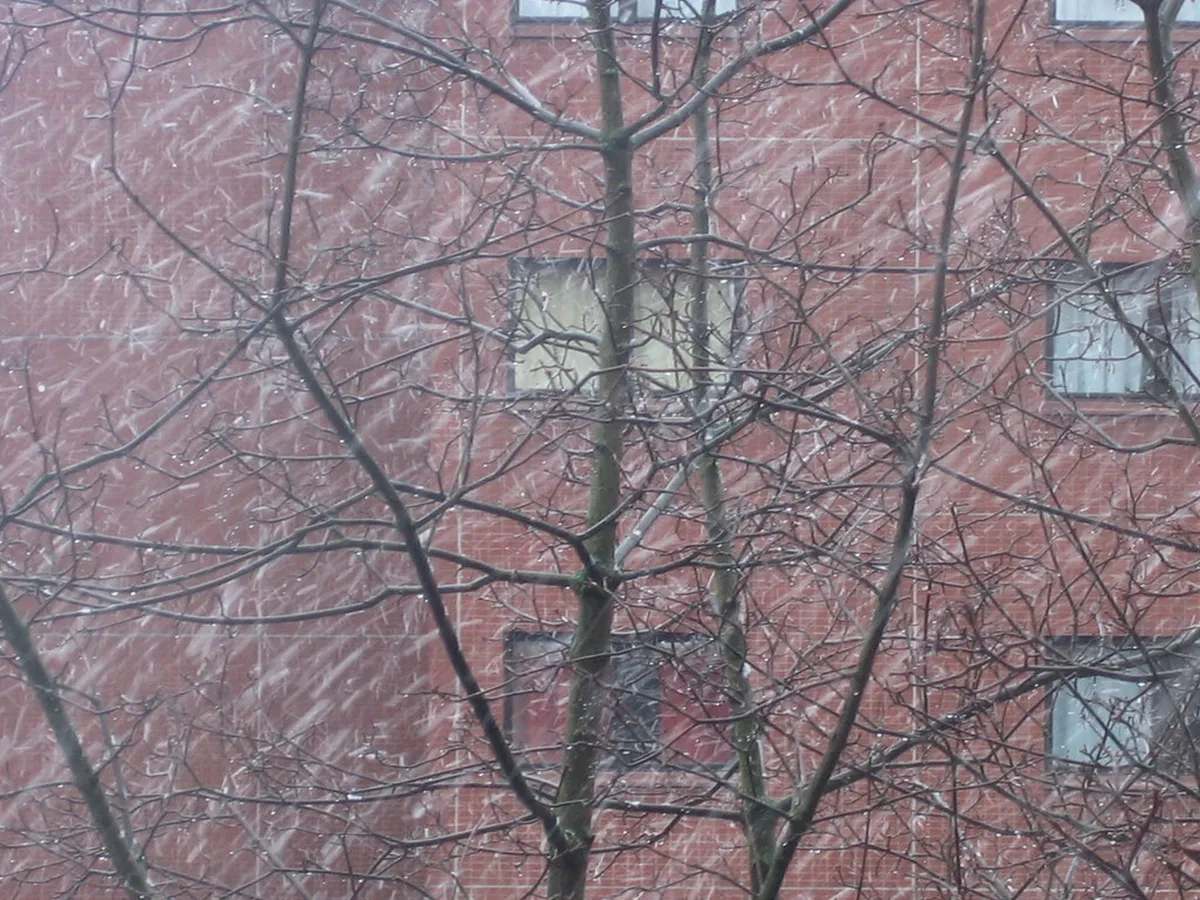
Table of Contents
Helsinki Winter Weather and Packing Tips for 2026
Helsinki transforms into a magical wonderland during the winter months of 2026. Travelers need to understand Helsinki winter weather and packing to enjoy this coastal city safely. The cold Baltic winds and snowy streets require careful preparation for every visitor. This guide provides expert advice for your upcoming Finnish adventure this season.
A successful winter trip depends on your ability to stay warm and dry throughout the day. Exploring the capital of Finland in the snow is a truly unique and beautiful experience. You will find charming Christmas markets and cozy cafes tucked away in every corner. Proper preparation allows you to focus on the sights rather than the freezing temperatures.
Understanding Helsinki Winter Weather
Temperatures in Helsinki vary greatly between December and March each year. You should expect averages ranging from -2°C to -10°C during your stay. Coastal winds often make the air feel much colder than the actual reading. Check the average temperatures in Helsinki during January 2026 before you depart.
Daylight hours are quite short during the peak of the winter season. The sun rises late and sets early in the afternoon across the city. You might only see four to six hours of true daylight in December. Plan your outdoor sightseeing carefully to make the most of the limited light.
Snowfall typically begins in late November and lasts through the early spring months. The city becomes a bright landscape of white snow against architectural landmarks. Occasional sleet or rain can occur due to the proximity of the Baltic Sea. Stay informed about local weather patterns to adjust your daily itinerary accordingly.
Humidity plays a major role in how the cold feels on your skin. Damp air makes the freezing temperatures bite more intensely than dry inland cold. You will appreciate high-quality windproof clothing when walking along the South Harbor. Prepare for sudden shifts in weather conditions throughout your winter visit.
The Art of Finnish Layering
Success in cold climates depends entirely on the three-layer clothing system. This method traps heat effectively while allowing your skin to breathe during activity. Start with a moisture-wicking base layer made of high-quality merino wool. Read more about how to dress for Finnish winter layering 2026 here.
The middle layer provides the necessary insulation to keep your body core warm. Fleece or wool sweaters are excellent choices for this specific purpose in Finland. You can add or remove this layer based on your personal activity level. Ensure this layer fits comfortably over your base without restricting your movement.
Your outer layer must be windproof and water-resistant to combat the elements. A heavy parka or a down jacket works best for city exploration. Look for jackets with deep hoods to protect your face from sharp winds. This final shield is your primary defense against the harsh Nordic winter weather.
Avoid cotton materials for any of your winter clothing layers in Helsinki. Cotton absorbs moisture and loses its insulating properties when it becomes damp or wet. Wet clothes can lead to rapid heat loss and extreme discomfort outdoors. Choose synthetic or natural wool fibers to stay dry and warm throughout the day.
Essential Gear for Helsinki Winter Weather and Packing
Creating a detailed packing list for Helsinki in December 2026 is vital for travelers. You should include thermal underwear, wool socks, and a heavy winter coat. Pack enough variations to handle both mild and freezing days comfortably. Organization helps ensure you do not forget any critical items for your trip.
Thermal leggings and long-sleeved tops are the foundation of your winter wardrobe. These items should fit snugly against your skin to maximize their thermal efficiency. Look for the best thermal underwear brands for Finland travel 2026 for top performance. High-quality base layers make a significant difference in your overall warmth and comfort.
Do not forget to pack items for evening activities and indoor dining. Helsinki restaurants and museums are generally kept very warm during the winter season. You will want clothes that you can easily layer for these indoor transitions. Smart casual attire works well for most city venues and social gatherings.
Bring a small daypack to carry extra layers or accessories while you explore. This allows you to store your hat or gloves when you enter shops. You can also carry a reusable water bottle to stay hydrated in dry air. A backpack with a waterproof cover is ideal for snowy or sleety days.
Footwear for Snowy Helsinki Streets
🌟 Local Expert Tip: Get the most out of your Helsinki visit with guided tours!
Choosing the right shoes is perhaps the most important packing decision you make. Helsinki streets can be icy, slushy, or covered in deep snow during winter. You need waterproof boots for walking in Helsinki snow to keep your feet dry. Wet feet will quickly lead to feeling cold and miserable during your walks.
Look for boots with thick soles that provide excellent insulation from the frozen ground. Rubber outsoles with deep treads offer the best grip on slippery sidewalk surfaces. Some travelers prefer boots with built-in metal studs for extra traction on pure ice. Safety should be your top priority when navigating the city on foot.
Ensure your boots have enough room for thick wool socks without being too tight. Tight shoes can restrict blood circulation and make your toes feel much colder. You might need to buy boots one size larger than your usual summer shoes. Proper fit ensures your feet stay warm during long hours of outdoor exploration.
Wool or thermal socks are essential for keeping your extremities warm in Finland. Pack several pairs of varying thicknesses to suit different daily weather conditions. Avoid thin cotton socks as they provide almost no insulation against the Nordic cold. Invest in high-quality merino wool socks for the best moisture management and warmth.
Accessories for Finnish Winter Comfort
Small accessories provide a significant boost to your overall warmth and protection. A windproof hat that covers your ears is an absolute necessity for Helsinki. Heat escapes quickly from your head if it is left exposed to the wind. Choose a hat with a soft lining for maximum comfort during long walks.
Your hands require protection with insulated gloves or mittens for the best results. Mittens are generally warmer because your fingers can share heat inside the single pocket. Consider wearing thin liner gloves underneath your heavier mittens for extra versatile warmth. This setup allows you to use your phone without exposing bare skin.
A thick scarf or neck gaiter protects your neck and chest from cold drafts. You can pull a scarf up over your nose when the wind becomes fierce. This simple accessory helps pre-warm the air you breathe during very cold spells. Choose soft materials like cashmere or merino wool to avoid skin irritation.
Don't forget to pack high-quality sunglasses for the bright winter sun in Finland. Low winter sun can create intense glare on the white snow and ice. Polarized lenses are particularly helpful for reducing eye strain while you are outdoors. Sunglasses also protect your eyes from the stinging wind on cold winter days.
Packing for Indoor Activities and Saunas
💡 Pro Tip: Book your Helsinki adventures in advance through Viator for the best deals!
Finnish culture revolves around the sauna, especially during the cold winter months. Most hotels and public pools offer excellent sauna facilities for guests and visitors. You should pack a swimsuit for visiting public saunas throughout the city. Public saunas usually require swimwear in mixed-gender areas for privacy and comfort.
Indoor environments in Helsinki are typically heated to a very comfortable temperature level. You will often feel quite warm as soon as you step inside a building. Wear layers that are easy to remove so you don't overheat indoors. A light sweater over a t-shirt is perfect for shopping or dining.
Consider packing a pair of light indoor shoes or slippers for your hotel. Many Finnish homes and some smaller guesthouses expect guests to remove outdoor boots. Having comfortable indoor footwear makes your stay much more pleasant and relaxing. This practice also helps keep the indoor spaces clean from melting snow.
Toiletries for winter should include heavy-duty moisturizers and lip balms for skin protection. The cold outdoor air and dry indoor heating can quickly dehydrate your skin. Look for products that provide a strong barrier against the harsh winter elements. Taking care of your skin ensures you stay comfortable throughout your entire trip.
Frequently Asked Questions
What is the coldest month in Helsinki?
February is typically the coldest month during the winter season in Helsinki. Temperatures often drop well below freezing for extended periods during this time. You should prepare for the most intense cold if visiting during this month.
Do I need a professional parka for Helsinki?
A high-quality insulated parka is highly recommended for any winter visit to Finland. It provides the necessary wind protection and warmth for exploring the city streets. You will see many locals wearing heavy down jackets during the winter.
Is it easy to walk in Helsinki during winter?
The city maintains sidewalks well, but they can still be quite slippery and icy. You must wear boots with good grip to navigate the snowy streets safely. Take short steps and be mindful of patches of black ice.
How many layers should I wear in Helsinki?
A three-layer system is usually sufficient for most winter days in the city. This includes a base layer, an insulating mid-layer, and a windproof outer shell. You can add a fourth layer if the temperatures drop significantly.
Helsinki is a beautiful city to explore when you are properly prepared for weather. Understanding Helsinki winter weather and packing ensures a comfortable and memorable 2026 trip. Follow these layering tips and gear recommendations to enjoy everything the city offers. Start planning your Finnish winter getaway today for an unforgettable Nordic experience.
Key Takeaways
- Use a three-layer clothing system with merino wool.
- Prioritize waterproof boots with excellent traction for ice.
- Pack high-quality thermal base layers and wool socks.
- Always carry a windproof hat, gloves, and a scarf.
Related reads: polarcityguide.com.