
Takayama Winter Travel Guide 2026
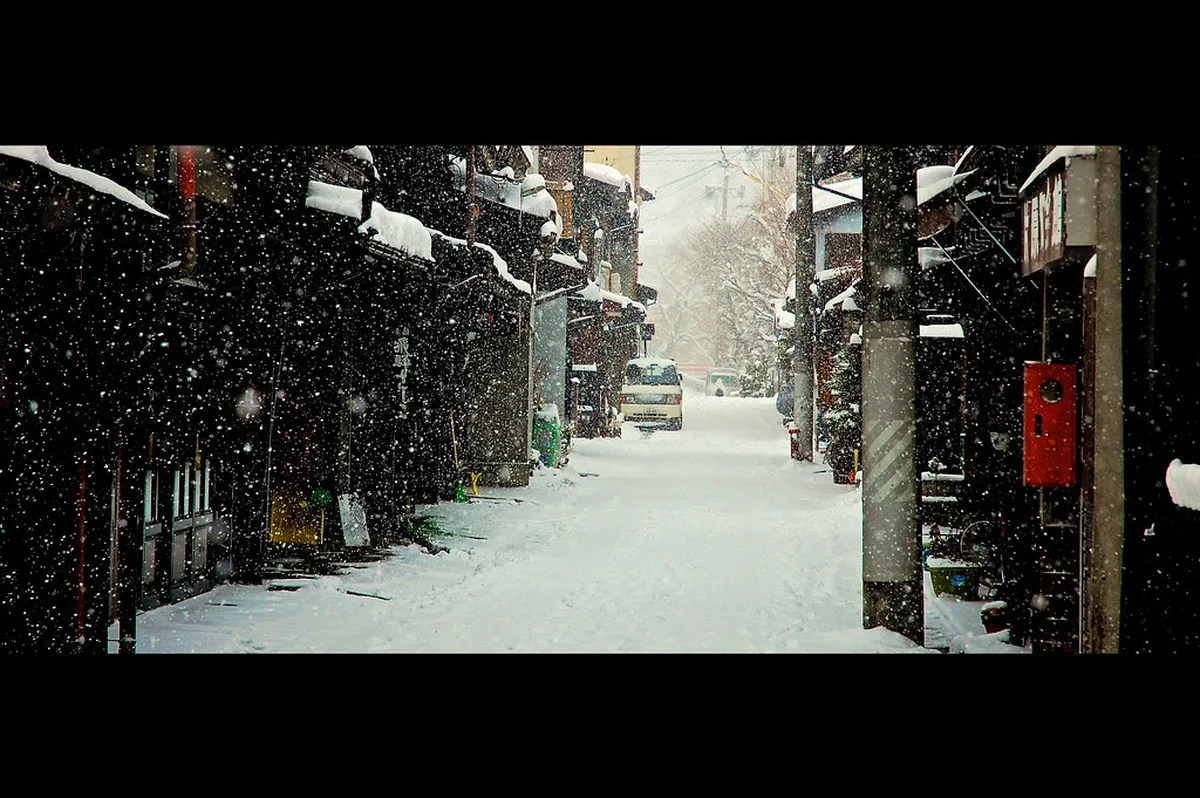
Table of Contents
Complete Takayama Winter Travel Guide 2026: Top Things To Do
Takayama transforms into a stunning snowy wonderland during the colder months of the year. Visitors find traditional wooden houses covered in thick blankets of white snow. This Takayama Winter Travel Guide 2026 helps you navigate this historic Japanese city. You will discover the best times to visit and the top local attractions nearby.
The city remains famous for its preserved Edo-period streets and mountain scenery. Winter adds a magical layer of silence and beauty to the atmosphere. You can enjoy hot sake while watching snow fall over the Miyagawa River. Preparing for the mountain climate is essential for an enjoyable visit to this region.
Exploring the Historic Old Town in 2026
You can find the latest updates on Takayama travel info.
To plan your trip, review Takayama travel info.
Walking through the Sanmachi Suji district is a highlight of any winter trip. These three streets contain beautiful buildings dating back hundreds of years. The dark wood of the merchant houses contrasts sharply with the bright white snow. You should explore this area early in the morning for the best photography.Most shops and sake breweries open their doors by nine in the morning. You can sample local crafts like lacquerware and traditional wood carving. Many shops offer warm snacks to keep you energetic while you wander the alleys. For a deep dive into local history, consult our specialized Takayama old town winter walking guide for specific routes.
Many traditional sake breweries hang cedar balls outside their front doors. These balls indicate that a fresh batch of sake is currently fermenting. Several breweries offer tasting sets for a small fee during the winter season. The warm interiors provide a welcome break from the chilly mountain air outside.
Remember that the sun sets early behind the tall mountains in winter. Plan your outdoor city walks between ten in the morning and four. Most of the smaller shops close early during the colder months of January. Check the local opening hours before you start your afternoon walking tour.
Winter Illumination at Hida No Sato
Hida No Sato is an open-air museum located a short bus ride away. It features traditional thatched-roof houses moved from across the Hida region. During winter, the village hosts a spectacular illumination event on selected nights. These lights create a fairy-tale scene across the frozen village pond.
The illumination event typically runs from mid-January until the end of February. You will see the gassho-style houses glowing against the dark night sky. Walking through the deep snow requires sturdy boots and warm winter clothing. Make sure to read these Hida no Sato winter illumination tips before you arrive.
The entrance fee for this special night event is usually 300 yen. Special buses run from Takayama Station to the village for the illumination. These buses are often crowded, so arrive at the stop ten minutes early. Always check the weather forecast as heavy snow can affect bus schedules.
Inside the village, you can find small fires to warm your hands. Locals often serve hot amazake, which is a sweet fermented rice drink. This non-alcoholic beverage is a traditional way to stay warm in the mountains. It is a perfect treat for families visiting the village at night.
Best Day Trips to Shirakawa-go and Beyond
Shirakawa-go is a UNESCO World Heritage site located near the city center. It is famous for its massive thatched roofs designed to withstand snow. Travelers often take a bus from Takayama to see this iconic village. The journey takes about one hour and offers incredible views of the mountains.
Many visitors choose to join a guided tour for a stress-free experience. These tours often combine several sights into a single day trip. You can find more information about a Shirakawa-go winter tour from Takayama online today. These tours are very popular and sell out weeks in advance.
Another great option is the Shinhotaka Ropeway for bird's-eye mountain views. This double-decker gondola climbs high above the clouds in the Japanese Alps. You will see peaks covered in deep snow stretching into the distance. It is one of the most unique winter activities in Gifu Prefecture.
Practical travelers should book their bus tickets at least one month before arrival. Winter weather sometimes leads to road closures on the mountain highways. Always keep your travel insurance details handy when traveling in remote areas. Staying flexible with your itinerary is wise during the snowy winter season.
Savoring Hida Beef and Local Cuisine
⭐ Recommendation: Don't miss out on amazing Takayama tours - book now!
Takayama is famous throughout Japan for its premium Hida beef. This high-quality wagyu is known for its marble-like fat and tender texture. You can find it served as steak, sukiyaki, or even sushi. Many restaurants in the city specialize in these traditional meat dishes.
Finding the right place to eat is easier with a list of Hida beef restaurants in Takayama winter experts. Some popular spots require reservations for dinner well in advance. Lunchtime often offers better prices for the same high-quality meat cuts. Look for lunch sets that include soup, rice, and fresh vegetables.
Street food enthusiasts should try Hida beef buns at the morning markets. The Miyagawa Morning Market operates even during the coldest winter months. You can also find grilled beef skewers at many stalls in Old Town. These small bites allow you to sample the luxury beef affordably.
Traditional Hida cuisine also includes magnolia leaf miso, locally called hoba miso. This dish features miso paste grilled on a dried leaf over a fire. It is a savory and warm breakfast staple in many local inns. The smoky aroma fills the dining rooms on cold winter mornings.
Relaxing in Traditional Hot Springs
Nothing beats soaking in a hot bath while snow falls around you. Shinhotaka and Hirayu Onsen are famous areas for outdoor winter baths. Many ryokans in Takayama also offer private onsen for their staying guests. This is a perfect way to relax after a long day of walking.
Public bathhouses are available for travelers staying in modern hotels without baths. These facilities provide a glimpse into the daily life of the local residents. You must follow the Japanese bathing etiquette to ensure everyone has a good time. Discover the best onsen in Takayama winter for your specific needs.
The water in these hot springs contains minerals that rejuvenate your skin. Many locals believe the water helps relieve muscle pain from winter sports. You can find both indoor and outdoor pools at most large resorts. The outdoor baths, or rotenburo, provide the most scenic winter experiences.
Entrance fees for day-use onsens usually range from 500 to 1,200 yen. Most places do not provide large towels for free, so bring your own. If you have tattoos, check the facility rules before you buy a ticket. Several modern onsens are now more welcoming to travelers with ink.
Essential Travel Tips for Winter 2026
Reaching Takayama is easy via the Limited Express Hida train from Nagoya. The train features wide windows specifically designed for viewing the mountain scenery. In 2026, many travelers will use the Japan Rail Pass for this journey. Learn more about getting to Takayama in winter 2026 to plan correctly.
Winter weather in the Alps can be unpredictable and quite cold. Temperatures often stay below freezing during the day and drop further at night. You should pack high-quality thermal layers and a waterproof outer jacket. Check our Takayama winter clothing essentials guide for a full packing list.
Walking on icy roads requires shoes with excellent grip and traction. You can buy small traction spikes at the local convenience stores. These rubber spikes attach easily to the bottom of most regular shoes. They help prevent slips and falls on the snowy sidewalks of Sanmachi Suji.
Always carry some cash, as some small stalls do not take cards. Most large hotels and restaurants will accept major international credit cards. Using a luggage delivery service can make your train travel much easier. This service allows you to walk through the snow without heavy bags.
Frequently Asked Questions
How much snow does Takayama get in 2026?
Takayama typically receives several meters of snow throughout the winter season. You can expect the heaviest snowfall during January and February. For detailed records, check our report on average snowfall in Takayama during winter months online. Local crews work hard to keep the main streets clear for pedestrians.
Is it easy to visit Shirakawa-go in winter?
Yes, but you must plan your transportation well in advance. Highway buses run daily between Takayama and the historic village. The roads are kept clear of snow but delays can still happen. We recommend booking your tickets at least one month before your trip.
What should I wear for a Takayama winter trip?
Layering is the best strategy for staying warm in the Japanese Alps. You should wear a thermal base layer, a fleece, and a coat. Waterproof boots are essential for walking through the deep mountain snow safely. Do not forget a hat, gloves, and a warm scarf.
Are the morning markets open during winter?
The Miyagawa Morning Market remains open throughout the entire winter season. However, there may be fewer stalls during days with very heavy blizzards. Most vendors arrive by 8:00 AM and stay until around noon. It is a great place to find hot morning snacks.
Takayama is a premier destination for anyone seeking a traditional Japanese winter. The combination of historic architecture and deep snow creates an unforgettable atmosphere. Use this Takayama Winter Travel Guide 2026 to book your accommodation early. You will love the warm hospitality and delicious Hida beef found here. Start planning your mountain adventure into the heart of Gifu Prefecture today.
Key Takeaways
- Book Shirakawa-go bus tours at least one month in advance.
- Wear waterproof boots with traction spikes for icy city streets.
- Visit Hida No Sato at night for the winter village illumination.
- Try Hida beef sukiyaki for a warming traditional winter dinner.
- Use the Limited Express Hida train for a scenic mountain journey.