
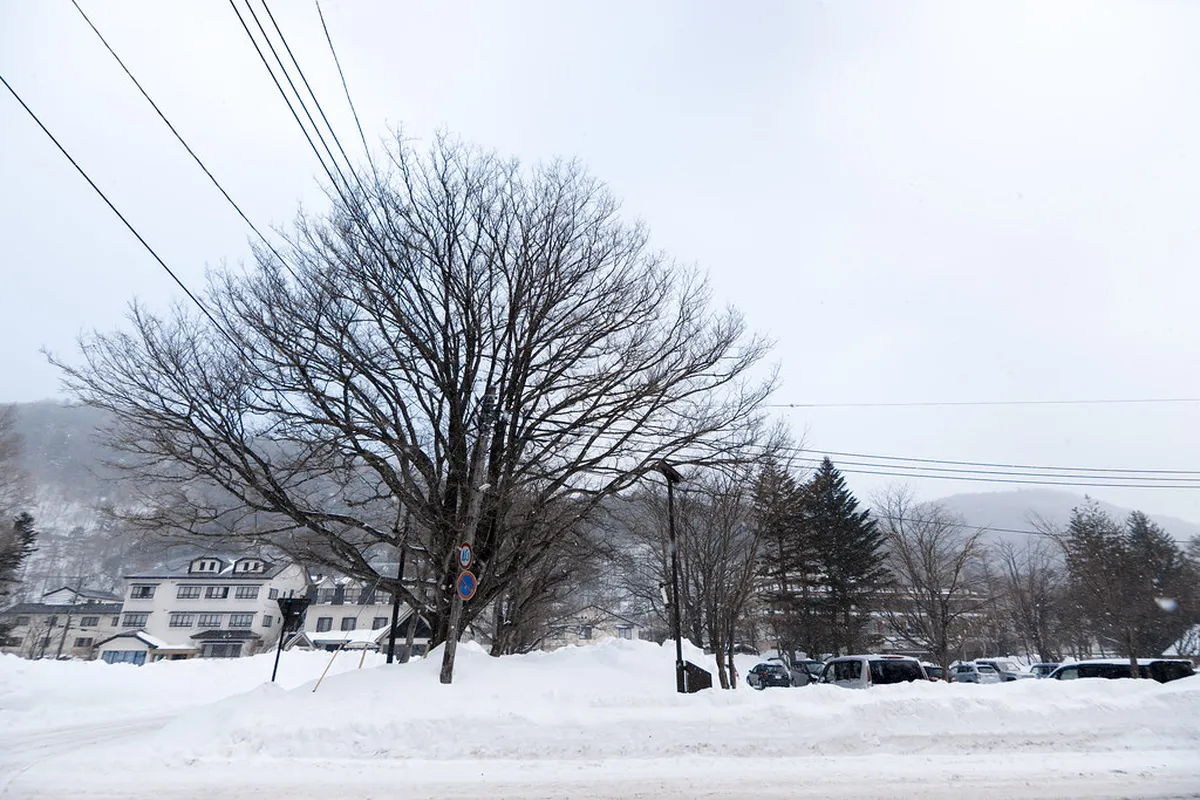
Nikkō Winter Travel Guide 2026: A Journey into Japan's Snowy Paradise
Key Takeaways
- The best time for snow in Nikkō is between mid-January and late February.
- The Nikkō All Area Pass is the most cost-effective way to travel during the winter season.
- Non-slip footwear is essential for safely navigating the icy shrine paths.
- The Yunishigawa Kamakura Festival is a must-see event for its unique night illuminations.
- Yuba (tofu skin) is the local culinary specialty and is best enjoyed in warm winter dishes.
- Okunikkō (the lake area) is significantly colder than the Nikkō city center, so dress in layers.
Planning Your Nikkō Winter Escape
For practical details and last-minute changes, use Nikkō travel info.
For practical details and last-minute changes, use Nikkō travel info.
To truly experience the magic of Nikkō, timing is everything. While winter officially begins in December, the most reliable snow cover and the peak of winter scenery usually occur from mid-January through late February. During this period, the humidity drops and the air becomes crisp and clear, providing excellent visibility for viewing the surrounding mountains. Temperatures in Nikkō city center typically hover between -2°C and 5°C, but the Okunikkō region (the higher elevation area around Lake Chuzenji) can be significantly colder, often dropping below -10°C at night. Navigating the region requires some forethought. For most travelers, the easiest way to reach the area is via the Tobu Nikkō Line from Asakusa or the JR lines from Shinjuku. For more detailed logistics on tickets and seasonal schedules, check out our comprehensive Nikkō winter transportation guide. Using the Nikkō All Area Pass is highly recommended as it covers the bus routes to the higher elevations where snow is most abundant.Exploring UNESCO Heritage Sites in the Snow
The shrines and temples of Nikkō are spectacular year-round, but they take on a mystical quality when draped in fresh powder. The gold leaf and intricate carvings of the Toshogu Shrine, the final resting place of Tokugawa Ieyasu, pop brilliantly against the monochromatic white landscape. Visitors should be aware that the stone steps and paths can become quite slippery, so it is essential to learn how to visit Toshogu Shrine in winter snow safely to enjoy the architecture without incident. Beyond Toshogu, the Rinnoji Temple and Futarasan Shrine offer quieter spots for reflection. The Shinkyo Bridge, marking the entrance to the sacred area, is perhaps the most photographed spot in the city. In winter, the contrast between the vermillion bridge, the turquoise river, and the snow-laden trees is simply breathtaking. Crowds are generally thinner in winter than during the autumn leaf season, allowing for a more intimate experience with these historical treasures.
The Majesty of Frozen Waterfalls: Kegon Falls
💡 Pro Tip: Book your Tokyo adventures in advance through Viator for the best deals!
Kegon Falls is widely considered one of Japan's three most beautiful waterfalls, and in winter, it becomes a dramatic ice sculpture. At nearly 100 meters tall, the main fall doesn't always freeze solid, but the smaller surrounding trickles turn into pillars of blue ice. To get the best view, you must take the elevator down to the lower observation deck. For those planning a visit, visiting Kegon Falls in winter requires checking the elevator hours, which can vary based on weather conditions. The mist from the falls often freezes on the nearby trees, creating a 'rime ice' effect that makes the entire gorge look like a scene from a fairy tale. If you have extra time, head further into Okunikkō to see Ryuzu Falls (Dragon Head Falls) and Yudaki Falls, which are equally impressive when surrounded by the deep snow of the Nikko National Park.
The Magical Yunishigawa Kamakura Festival 2026
One of the highlights of the 2026 winter season will undoubtedly be the Yunishigawa Kamakura Festival 2026. Located about an hour north of central Nikkō, this festival is famous for its hundreds of mini-kamakura (snow huts) that are illuminated with candles along the riverbed at night. The sight is otherworldly and has been recognized as a 'Night View Heritage' of Japan. During the day, visitors can rent larger snow huts to enjoy a barbecue or traditional snacks inside. The festival usually runs from late January to early March. Because Yunishigawa is a remote onsen town, it is best to stay overnight to fully enjoy the evening illuminations without rushing back to the city center. The atmosphere is warm and communal, making it a perfect spot for couples and families alike.
Lake Chuzenji and Winter Activities
Lake Chuzenji, located at the foot of Mount Nantai, offers a serene alpine escape. In winter, the lake remains liquid while the surrounding peaks are capped in heavy snow, creating a stunning visual contrast. Many of the hiking trails around the lake are accessible even in winter, though snowshoes may be required for deeper paths. A popular walk leads to the Italian Embassy Villa Memorial Park, which offers a unique architectural perspective and quiet views over the water. The winds can be biting at this altitude, so visitors should plan for short outdoor stints followed by warm breaks in local cafes. The sight of Mount Nantai reflecting in the still, cold waters of the lake is a highlight for any photographer visiting the region in 2026.
Where to Soak: Best Nikkō Onsen Resorts
🎯 Insider Tip: Discover the best Tokyo experiences with Viator Tours!
No winter trip to Japan is complete without a soak in a natural hot spring, and Nikkō is home to some of the country's finest onsen waters. The Kinugawa Onsen area is famous for its large resorts and proximity to theme parks, while the Chuzenji Onsen area offers more boutique experiences with mountain views. Exploring the top Nikkō onsen resorts winter selections will reveal many 'rotenburo' (outdoor baths) where you can sit in steaming water while snowflakes fall around you. The minerals in the Nikkō springs are said to aid in skin health and muscle recovery, which is perfect after a long day of walking through the snow. Many ryokans offer day-use passes if you are not staying overnight, though the full experience of a multi-course kaiseki dinner and a night in a tatami room is highly recommended.
Seasonal Delicacies: What to Eat
Winter in Nikkō is the best time to indulge in hearty, warming local cuisine. The most famous local specialty is Yuba, or tofu skin, which is a byproduct of the soy milk making process. In winter, you can find it served in steaming bowls of ramen or as 'Yuba-don' over rice with a thick, savory glaze. For a guide to the best spots, look for the best winter foods in Nikkō, which often include warm buckwheat soba noodles and 'ozoni' soup. Another winter favorite is 'Senzai,' a sweet red bean soup with toasted mochi. Street food vendors near the shrines also sell roasted chestnuts and hot 'amazake' (a sweet, non-alcoholic fermented rice drink) to keep your hands and stomach warm as you explore the icy streets.
Essential Nikkō Winter Packing List
Proper preparation is key to enjoying Nikkō's winter landscape without discomfort. The most important item is footwear with good traction; the paths around the UNESCO sites and waterfalls are notoriously icy. You can buy 'slip-on' ice spikes at many local convenience stores if your boots aren't sufficient. Clothing should be layered using the base-mid-outer system to trap heat effectively. Don't forget a windproof outer shell, as the mountain breezes can be sharp. For a detailed rundown of what to bring, consult our Nikkō winter packing list. Additionally, disposable heat packs called 'kairo' are a lifesaver—place them in your pockets or even your shoes to maintain warmth during long outdoor photography sessions.
Frequently Asked Questions
💡 Pro Tip: Book your Tokyo adventures in advance through Viator for the best deals!