
Discover the Best Winter Foods in Nikko for 2026
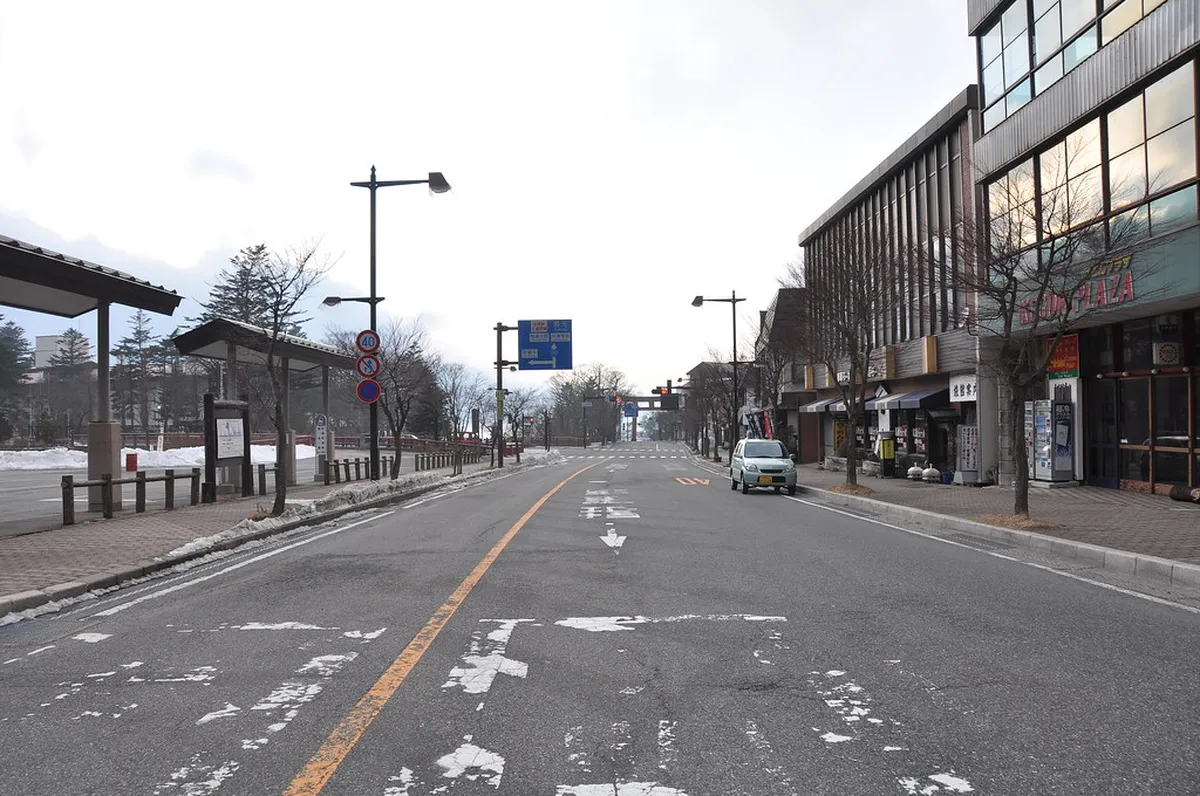
Nikko transforms into a stunning snowy retreat for travelers during the cold months of early 2026. The local cuisine reflects the season with hearty dishes that keep your body warm and very energized. You will find many delightful restaurants serving the best winter foods in Nikko near the historical temples. Start your food journey by reading our comprehensive Nikko winter travel guide for 2026 today.
Best Winter Foods in Nikko: Hot Yuba
For current hours, prices, and announcements, start with Nikko City Official Website.
You can find the latest updates on Nikko National Park - Ministry of the Environment.
Nikko is very famous for its delicate soy milk skin which locals call yuba in their regional dialect. This nutritious ingredient appears in almost every traditional meal served during the cold winter months here in 2026. Visitors often find that a hot bowl of yuba soup provides perfect relief from the freezing outdoor air. You can find these cozy restaurants clustered around the main bus stops near the famous Toshogu Shrine entrance.The texture of yuba is unique because it is both silky and slightly chewy at the same time. Chefs often roll the skin into thick bundles that soak up the rich and savory dashi broth perfectly. These hot rolls are a staple of the best winter foods in Nikko for hungry and cold travelers. You should check this list of where to eat hot yuba skin in Nikko for the best shops.
Many local spots offer specialized lunch sets that feature yuba prepared in four or five different creative ways. You might enjoy it sashimi-style as a cold starter before moving to the warm and steaming main dishes. Most lunch sets cost between 2,000 and 3,500 yen depending on the number of side dishes included. The restaurants usually provide warm seating with traditional heaters to keep you comfortable while you eat your meal.
If you prefer something lighter you can try a simple bowl of yuba noodles for a quick lunch. This dish features thin strips of soy skin served over a base of hot and very fragrant soup. It is a fantastic option for vegetarians who want to experience the authentic local flavors of ancient Nikko. Always look for the steam rising from shop windows as a sign of fresh and delicious yuba.
Hearty Soba Noodle Dishes for Cold Days
Nikko is also well known for its high-quality buckwheat noodles which benefit from the pure local mountain water. During the winter months most visitors switch from cold dipping noodles to large bowls of steaming hot soba. The hot broth is usually made from a secret blend of soy sauce and dried bonito flakes. You can find several warm soba noodle shops in Nikko within walking distance of the train station.
Tempura soba is a favorite choice because the crispy fried vegetables add a satisfying crunch to the meal. Local chefs use seasonal winter vegetables like sweet potatoes and lotus root to make their delicious tempura. The heat from the soup softens the batter just enough to release all the rich and salty flavors. This meal provides the perfect balance of carbohydrates and protein for a long day of snowy sightseeing.
Another popular variation is mountain vegetable soba which features wild greens harvested and preserved from the local forests. These vegetables add an earthy and slightly bitter taste that complements the sweetness of the buckwheat very well. Many small family-owned shops have been using the same noodle recipes for several generations in the Nikko area. You will feel the warmth of their hospitality as soon as you step inside their wooden buildings.
Warming Street Snacks and Sweet Treats
Walking through the snowy streets of Nikko requires plenty of energy and frequent stops for small hot snacks. One of the most popular street foods in 2026 is the famous fried yuba manju sold near stations. These steamed buns are filled with sweet red bean paste and then lightly fried until they are crispy. A small sprinkling of coarse sea salt on top makes the sweet and salty flavors truly stand out.
You can also find roasted chestnuts being sold by street vendors during the peak of the winter season. These warm nuts are easy to carry and provide a healthy way to stay full between your meals. Many shops also sell grilled rice balls glazed with a thick and savory miso paste over an open flame. The smoky aroma of the charcoal fire is enough to attract any hungry traveler passing by the stalls.
Traditional Japanese sweets like zenzai are perfect for sitting down and taking a break from the cold wind. Zenzai is a warm soup made from sweet red beans and topped with toasted chewy mochi rice cakes. It is typically served with a small side of salted kelp to help balance the sugar in the dish. These small tea houses often provide a beautiful view of the falling snow while you enjoy your treat.
Fine Dining with Winter Kaiseki Cuisine
🎯 Insider Tip: Discover the best Tokyo experiences with Viator Tours!
If you are staying overnight you must experience a traditional multi-course kaiseki dinner at your local Japanese inn. These meals are carefully designed to showcase the best seasonal ingredients available in the Tochigi prefecture during winter. You will likely see hot pot dishes known as nabe served as the centerpiece of your evening meal. These pots simmer at your table with a mix of fresh meats and local mountain vegetables.
Winter kaiseki often includes slow-cooked root vegetables like daikon radish and carrots that have been sweetened by the frost. The presentation of each dish is like a work of art that reflects the quiet beauty of snow. For a truly memorable experience you should book one of the top rated dinner restaurants in Nikko for your trip. These venues provide private dining rooms where you can relax in your yukata after a long hot bath.
Prices for these high-end dinners are usually included in the cost of your room at a traditional ryokan. You should expect a meal that lasts at least two hours as you savor each unique flavor profile. The chefs take great pride in using local Tochigi beef which is known for its incredible marbling and tenderness. This level of dining is the ultimate way to celebrate your winter vacation in the mountains.
Winter Sake and Seasonal Beverages
No culinary tour of Nikko is complete without sampling the local sake which has been brewed here for centuries. The cold winter climate is actually ideal for the fermentation process of high-quality Japanese rice wine products. You can enjoy your sake warm in a style called atsukan to help heat your body from within. Visit these sake tasting experiences in Nikko to learn about the different grades of rice wine.
Many local breweries offer special winter releases that have a slightly bolder and more robust flavor than summer varieties. You might also find amazake being served at local shrines during the cold New Year festival periods. Amazake is a sweet and creamy drink made from fermented rice that contains very little or no alcohol. It is served steaming hot and is often topped with a pinch of fresh ginger for warmth.
If you prefer beer you can visit the local craft breweries that create seasonal winter ales with spicy notes. These beers often use local ingredients like Yuzu citrus or honey to create a unique and refreshing profile. Many tasting rooms offer small food pairings like smoked cheese or pickled vegetables to enhance the drink. It is a great way to meet locals and other travelers in a very friendly atmosphere.
Frequently Asked Questions
What is the most famous winter food to try in Nikko?
The most famous food is definitely yuba which is the delicate skin formed from boiling soy milk. In winter it is best enjoyed in hot soups or as fried manju snacks. You can find many shops selling it near the station or the main temple area.
Are there vegetarian food options available in Nikko during winter?
Yes Nikko is very vegetarian friendly because of its long history with Buddhist monk cuisine called shojin ryori. Yuba and soba are excellent plant-based options that are widely available in most local restaurants. Always confirm the broth ingredients if you strictly avoid fish stock or bonito flakes.
How much does a typical lunch cost in Nikko?
A standard lunch set in Nikko usually costs between 1,500 and 3,000 yen per person in 2026. Street snacks like yuba manju are much cheaper and usually cost around 200 to 400 yen each. Fine dining kaiseki meals at ryokans are significantly more expensive but offer many courses.
Do I need to make reservations for restaurants in Nikko?
You generally do not need reservations for casual lunch spots or street food stalls in the city. However you should definitely book ahead for high-end kaiseki dinners or popular restaurants during the busy weekend periods. Many shops close early in winter so check the operating hours before you start your walk.
Exploring the best winter foods in Nikko is a highlight of any trip to Japan during the cold months. From steaming bowls of yuba to crispy street snacks there is something delicious for every type of traveler. Make sure to visit a traditional ryokan for an authentic multi-course dinner experience you will never forget. Plan your 2026 food tour now and enjoy the wonderful flavors of this historical mountain city.