
Nagoya Winter Travel Guide 2026: Essential Tips
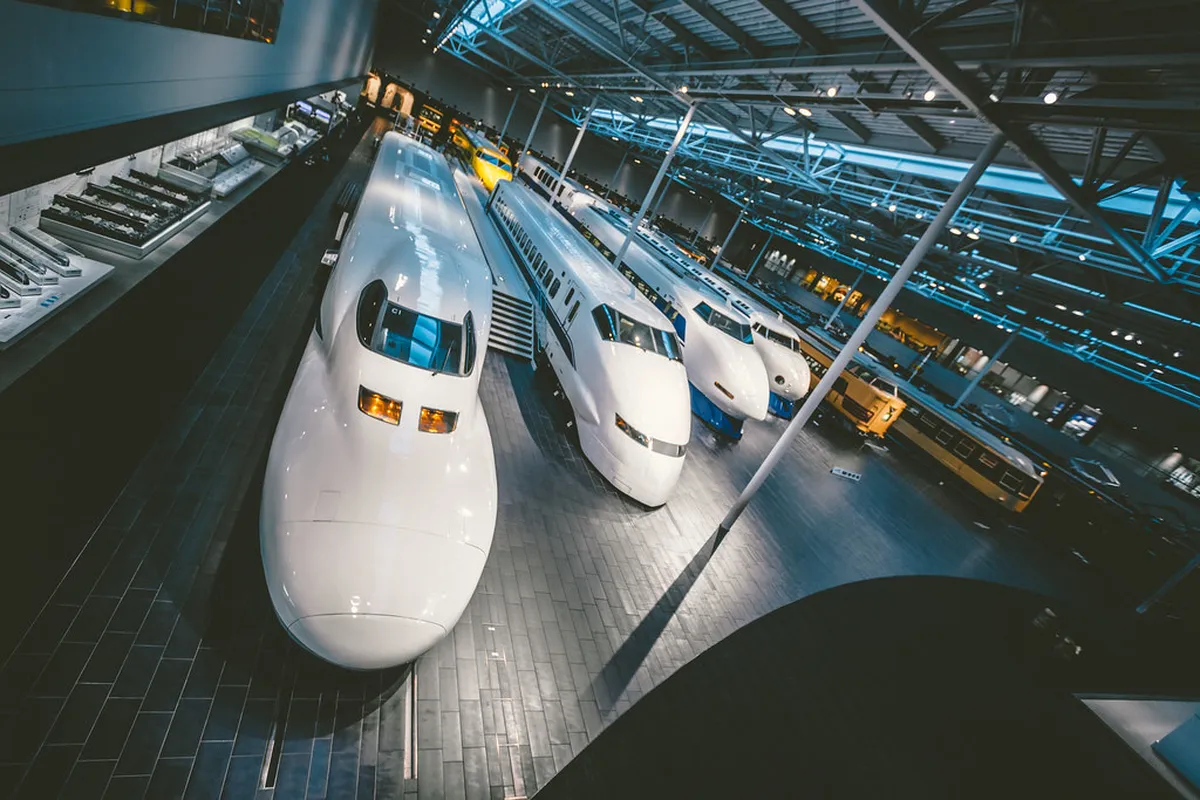
Table of Contents
The Ultimate Nagoya Winter Travel Guide 2026 for Every Visitor
Nagoya is a vibrant city that shines during the colder months. Our Nagoya Winter Travel Guide 2026 helps you plan an unforgettable trip to central Japan. You will discover bright light displays and taste delicious local food during your stay. This guide covers the best sightseeing spots and essential packing tips for your winter vacation.
The city offers a unique mix of modern technology and ancient history. Exploring Nagoya in winter allows you to see the city without massive summer crowds. You can enjoy crisp air and sunny days while walking through historic districts. Prepare to dive into our detailed Nagoya winter weather guide to stay comfortable during your journey.
Nagoya Winter Weather and Packing Basics
For official information, visit Nagoya travel info.
You can find the latest updates on Nagoya travel info.
Winter in Nagoya is generally cold and dry with plenty of sunshine. Average daytime temperatures usually range from 5°C to 10°C (41°F to 50°F). Nighttime temperatures often drop near freezing, especially during January and February 2026. You should prepare for a chilly wind known locally as the Ibuki-oroshi.This sharp wind blows from the mountains and makes the air feel much colder. You will need a windproof coat to stay warm while walking outside. Layering your clothes is the most effective way to manage the varying temperatures. Wear thermal undershirts and thick sweaters beneath your winter coat for the best protection.
Snow is not very common in the city center of Nagoya. You might see a light dusting of snow once or twice a year. However, the surrounding mountains often receive heavy snowfall during the peak winter months. This creates a beautiful backdrop for your city photos without blocking your travel plans.
Don't forget to pack comfortable walking shoes with good grip for your sightseeing. You should also carry a pair of gloves and a warm scarf. Most indoor areas like shops and trains are heavily heated during the winter. Using layers allows you to adjust quickly when moving between indoor and outdoor locations.
Stunning Winter Illuminations in Nagoya
Nagoya hosts some of the most spectacular light displays in all of Japan. The city transforms into a glowing wonderland as soon as the sun sets. You can find massive events and smaller district displays throughout the winter season. These events usually begin in late autumn and last until early spring 2026.
The most famous display is found at Nabana no Sato, just outside the city. It features millions of LED lights and famous light tunnels that stretch for hundreds of meters. You should check the Nabana no Sato winter illumination dates 2026 before you arrive. Entry tickets generally cost around 2,500 yen per person during this special event.
Back in the city center, the Sakae district offers a romantic atmosphere for evening walks. The Hisaya Odori Park area is lined with trees covered in sparkling white lights. You can view the illuminated Nagoya TV Tower while enjoying the festive atmosphere. Most of these city center displays are free for the public to enjoy.
Nagoya Station also features a impressive light display known as the Meieki Illumination. Large installations are set up outside the twin towers to welcome commuters and tourists. Most light shows run from 5:00 PM until 11:00 PM every night. These displays provide perfect opportunities for holiday photos with your family and friends.
If you enjoy photography, bring a tripod to capture the best night shots. The reflections of the lights on modern buildings create stunning visual effects. Try to visit these spots on weekdays to avoid the large weekend crowds. These light festivals are a highlight of any Nagoya Winter Travel Guide 2026 itinerary.
Winter Sightseeing at Nagoya Castle
Nagoya Castle remains a must-visit destination during the cold winter months. The historic structures look majestic against the clear, blue winter skies of central Japan. You can explore the vast grounds and learn about the powerful Tokugawa family history. The castle is open daily from 9:00 AM to 4:30 PM for visitors.
The Hommaru Palace is a highlight of the castle grounds after its recent reconstruction. It features stunning gold-leaf sliding doors and intricate wood carvings inside the rooms. Walking through the palace provides a warm escape from the outdoor winter chill. Our Nagoya Castle winter sightseeing guide offers more details on the restoration project.
Entry fees for adults are usually 500 yen, making it an affordable excursion. You can take beautiful photos of the golden dolphins on the roof from the garden. The barren winter trees offer clear views of the main keep that are blocked in summer. This season is perfect for history buffs who prefer a quieter and more peaceful experience.
The castle grounds also host special winter events, including traditional New Year ceremonies. You might see staff dressed as samurai performing martial arts displays for the crowds. Warm snacks like roasted sweet potatoes are often sold at stalls near the entrance. These treats are local favorites that help keep you energized while you explore.
Enjoying Indoor Attractions and Museums
⭐ Recommendation: Don't miss out on amazing Nagoya tours - book now!
When the winter wind gets too strong, Nagoya offers world-class indoor attractions. The Nagoya City Science Museum is home to one of the largest planetariums globally. You can watch incredible shows about the stars in a massive silver dome. This museum is a perfect choice for families traveling with children in 2026.
Automobile fans should visit the Toyota Commemorative Museum of Industry and Technology. This site teaches you about the history of one of the world's largest car makers. The museum is housed inside a heritage building that stays warm and comfortable. These indoor Nagoya winter attractions provide hours of entertainment regardless of the weather.
Another great indoor option is the SCMaglev and Railway Park located near the port. You can see real high-speed trains and learn how the maglev system works. The museum features interactive simulators that allow you to drive a Japanese train. Most indoor museums in Nagoya are closed on Mondays, so plan your week carefully.
If you enjoy shopping, explore the incredible underground malls beneath Nagoya Station and Sakae. These vast networks allow you to travel between districts without stepping into the cold. You can find hundreds of shops, cafes, and restaurants tucked away from the winter air. These tunnels are well-lit and easy to navigate using the clear maps provided.
Traditional Nagoya Winter Comfort Food
Nagoya is famous for its unique and hearty regional cuisine, often called Nagoya Meshi. During winter, you must try the local specialty known as Miso Nikomi Udon. This dish features thick wheat noodles simmered in a rich, dark miso broth. It is served steaming hot in a ceramic pot to keep you warm.
Red miso, or hatcho miso, is the secret ingredient in many hot Nagoya winter dishes. You should also look for Miso Katsu, which is a fried pork cutlet with miso sauce. This savory and salty flavor profile is perfect for building energy during a busy travel day. Discover more winter foods to eat in Nagoya at local izakayas.
Hitsumabushi is another legendary dish consisting of grilled eel over rice. You can enjoy this meal in three different ways according to local tradition. Pouring hot dashi broth over the last portion makes it a soothing winter treat. Many famous eel restaurants are located near Nagoya Station for easy access.
For dessert, try some warm 'uiron' or seasonal sweets made from chestnuts. Street food stalls also sell grilled 'gohei mochi' during the colder festival months. These snacks are typically glazed with a sweet miso paste and toasted over charcoal. Eating like a local is a key part of our Nagoya Winter Travel Guide 2026.
Winter Festivals and Cultural Events
Winter is a time of celebration and tradition in the city of Nagoya. The most significant event is the Hatsumode, or the first shrine visit of the year. Thousands of people gather at Atsuta Shrine during the first week of January. This shrine is one of the most sacred sites in all of Japan.
You can witness traditional rituals and buy lucky charms for the upcoming year 2026. The atmosphere is filled with the smell of incense and the sound of ringing bells. Check the Nagoya winter festival calendar for specific ceremony times. These cultural experiences offer a deep look into Japanese spiritual life during the winter.
Another unique event is the Kounomiya Hadaka Matsuri, or the Naked Festival. This takes place just outside Nagoya in the city of Inazawa during February. Thousands of men wearing only loincloths gather to touch a 'lucky man' for good fortune. It is a wild and energetic display that defies the freezing winter temperatures.
In late February, you can also enjoy the early plum blossoms in local parks. Togokusan Fruits Park is a popular spot to see these colorful flowers blooming. This event signals the approaching end of winter and the start of the spring season. These festivals provide a memorable end to any winter journey through central Japan.
Frequently Asked Questions
Does it snow often in Nagoya during the winter?
Snow is relatively rare in the central city area of Nagoya. You might see a light dusting of snow a couple of times per year. However, the surrounding mountains usually have plenty of snow for winter sports. Most travelers will experience dry and sunny weather during their visit in 2026.
What is the best way to get around Nagoya in winter?
The Nagoya subway system is the most efficient way to travel during the cold months. It is warm, reliable, and connects all major sightseeing spots like Sakae and Nagoya Castle. You should get a Manaca or IC card for easy boarding on all trains. Our Nagoya winter transport guide 2026 has more details on routes.
Are attractions in Nagoya open on New Year's Day?
Many museums and shops close from December 29th to January 3rd for the holidays. However, major shrines and some large shopping malls like Aesop remain open to the public. You should check the specific hours for any attraction you plan to visit. Restaurants in major hotels usually stay open to serve travelers during this time.
Is Nagoya cheaper to visit in winter than Kyoto or Tokyo?
Yes, Nagoya generally offers better value for accommodation and dining than larger tourist hubs. You can find high-quality hotels for lower prices during the off-peak winter season. Many local attractions are also affordable or even free to the public. This makes Nagoya an excellent choice for budget-conscious travelers in 2026.
Nagoya is a fantastic destination for anyone looking for a unique winter experience in Japan. From the glowing lights of Nabana no Sato to the history of Nagoya Castle, there is much to see. You can stay warm with delicious miso-based dishes and explore the city's vast underground malls. We hope this Nagoya Winter Travel Guide 2026 helps you have a safe and wonderful trip. Start planning your winter adventure today and enjoy everything this amazing city has to offer!
Key Takeaways
- Pack windproof clothing to protect against the chilly Ibuki-oroshi mountain winds.
- Visit Nabana no Sato for world-class winter illuminations between October and May.
- Warm up with local Miso Nikomi Udon at a traditional restaurant near Sakae.
- Use the extensive underground shopping malls to travel between districts while staying warm.