
Nagoya Castle Winter Sightseeing Guide
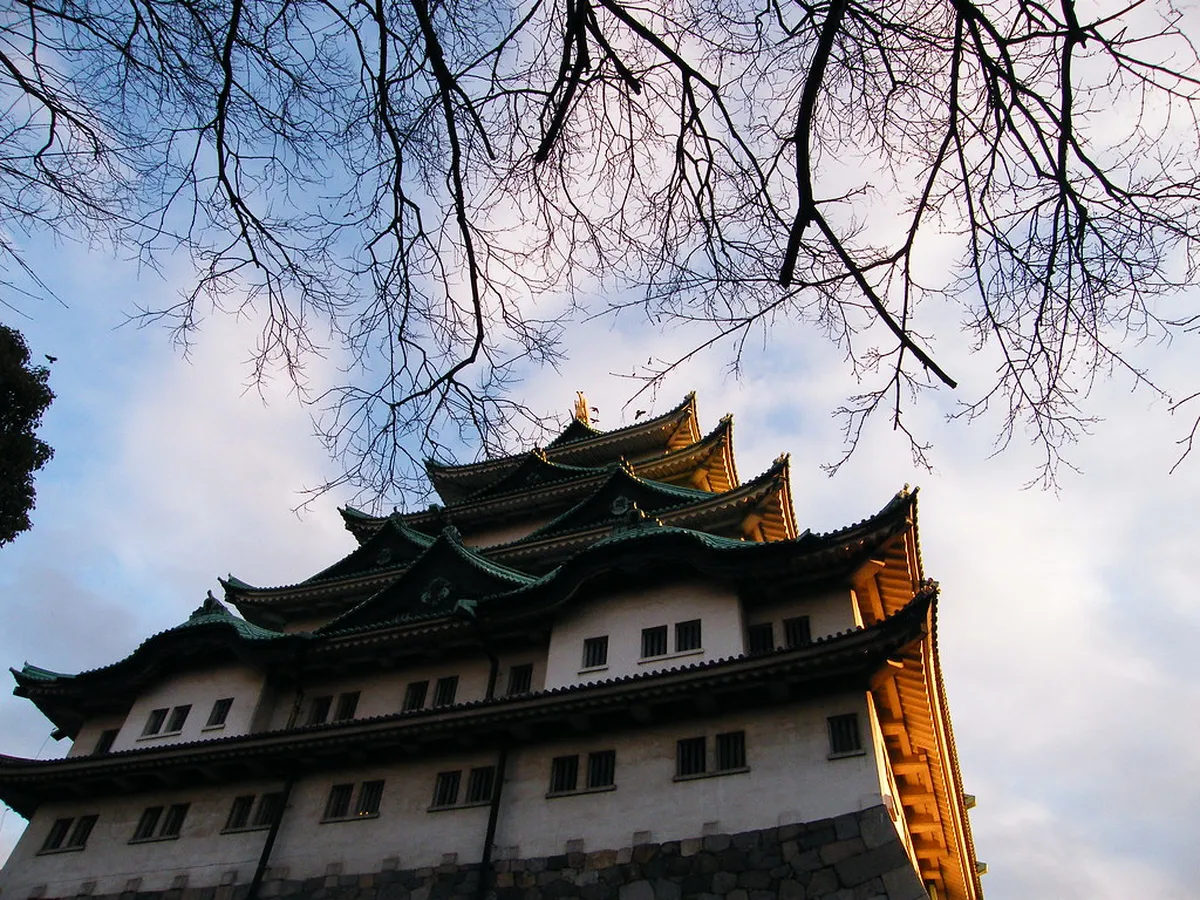
Table of Contents
Master Your Nagoya Castle Winter Sightseeing Guide Trip
Nagoya Castle stands as a symbol of samurai power in central Japan. This historic site offers a unique charm during the colder months. Our Nagoya Castle winter sightseeing guide helps you plan your 2026 trip perfectly. Experience the beauty of traditional architecture under a blanket of white snow.
Winter in Nagoya provides a serene backdrop for exploring this massive fortress. The crowds are typically smaller than in the blooming spring season. You can walk through the tall gates without feeling rushed by other tourists. It is the best time to see the castle's strong lines against the winter sky.
Before you go, it is wise to check a general Nagoya winter travel guide for 2026 for broader city tips. This specific castle guide focuses on the grounds and seasonal activities. We cover everything from historic details to practical transport advice. Get ready for an unforgettable winter journey in Aichi Prefecture.
History of Japan’s Golden Castle
For current hours, prices, and announcements, start with Nagoya travel info.
For the most up-to-date details, check Nagoya travel info before you go.
Nagoya Castle dates back to the early Edo period. Shogun Tokugawa Ieyasu ordered its construction in 1610. It served as a protective base for the Owari branch of his family. The massive castle walls show the power of the ruling class.The castle is famous for the golden shachihoko statues on the roof. These mythical creatures have the head of a tiger and the body of a fish. They were meant to protect the building from fire long ago. During winter, these golden figures glow brightly in the low sun.
Most of the original buildings were destroyed during World War II. However, the keep was rebuilt in 1959 using modern materials. The reconstruction effort focused on keeping the visual style of the original structure. Tourists today can admire the blend of history and modern preservation methods.
Walking around the deep moats reveals the defensive power of the era. You can see the huge stones used for the foundation walls. Some stones feature markings from the various samurai lords who donated them. These details tell a story of unity and strength from ancient times.
Nagoya Castle Winter Sightseeing Guide Highlights
Exploring the grounds during winter is a peaceful experience. The pine trees look stark and beautiful against the gray stone walls. You might see light snow falling on the traditional garden paths. This scenery creates a very traditional Japanese atmosphere that visitors love.
The main castle tower is currently closed for safety renovations. However, the exterior remains a stunning focal point for all visitors. You can walk right up to the base of the massive tower. Looking up at the white walls is a highlight of any visit.
Check the opening hours and entry fees before you start your walk. The grounds are usually open from 9:00 AM until 4:30 PM. Tickets cost 500 yen for adults which is a great value. Senior citizens and children often get a discount at the gate.
The castle grounds also host small food stalls during the winter. You can buy hot green tea or warm rice cakes to stay cozy. These snacks are perfect for a short break during your exploration. Sitting on a wooden bench with a warm drink is very relaxing.
Exploring the Rebuilt Hommaru Palace
The Hommaru Palace is a masterpiece of wooden architecture. High-quality cedar and cypress wood compose the entire building. Skilled artists painted the gold leaf screens inside the rooms. These golden screens shine brightly even on dark winter days.
Visiting the Hommaru Palace during the winter is a top recommendation. Since it is an indoor attraction, you can escape the cold wind. You must remove your shoes before entering to protect the delicate floors. Many rooms feature heaters to keep guests comfortable while they walk through.
The artwork inside represents the peak of the Kano school of painting. Tigers, leopards, and flowering plants decorate the walls of different rooms. These paintings showed the wealth and status of the Tokugawa family. The detail in each panel is truly impressive and worth seeing.
Cameras are allowed inside but you cannot use a flash. The low light preserves the ancient pigments on the screens. Expert craftsmen used traditional tools to rebuild this palace recently. It took many years to complete this amazing architectural project for the public.
Best Winter Photo Spots at the Castle
🎯 Insider Tip: Discover the best Nagoya experiences with Viator Tours!
Capturing photos of the castle requires some planning. The golden shachihoko statues look stunning against a clear blue sky. Morning light provides the best shadows on the stone walls. Snow covers the pine trees and creates a serene atmosphere.
Try capturing beautiful shots in the snow near the main gate. The red and white contrast is a classic look for travel photos. Use a wide-angle lens to include the entire tower and the moat. This perspective shows the grand scale of the feudal architecture.
Another great spot is the Northwest Corner Tower. This original building survived the fires of the last century. It looks very authentic and traditional in your camera's frame. The surrounding moat often reflects the castle walls on calm winter mornings.
Walk around the outer path for views across the water. The trees provide a natural frame for the main castle tower. In late February, you might even see some early plum blossoms. These small flowers add a touch of pink to your winter photos.
Getting to Nagoya Castle Station
Reaching the castle is very easy using the public transport system. Take the Meijo Subway Line from the city center. You should get off at the Nagoya-jo Station directly. Follow terminal signs for the castle exits once you arrive.
The walk from the station to the gate is very short. It takes about five minutes on flat, paved paths. This makes the castle accessible for tourists of all ages. You will see the East Gate first as you approach the park.
If you prefer the bus, use the Meguru tourist loop bus. It stops right in front of the castle main entrance. This bus is convenient if you plan to see other city sites. Always bring a subway map to help navigate the different lines.
Travel Tip: Buy a daily subway pass to save money on fares. This pass allows unlimited rides for 24 hours in Nagoya. It often includes small discounts for entry at the castle gates. This is a smart way to explore the city efficiently.
Frequently Asked Questions
Does it snow at Nagoya Castle in the winter?
Nagoya receives occasional snowfall during January and February. The snow usually does not stay on the ground for long. However, even a light dusting makes the castle look magical. Consult a Nagoya winter weather guide for the latest 2026 predictions.
Are there any winter festivals at Nagoya Castle?
The castle grounds host a special New Year celebration in early January. You can see traditional lion dances and hear local music. Food stalls serve hearty soups and grilled treats at this time. It is a wonderful way to experience local Japanese culture.
How long should I spend at Nagoya Castle in winter?
Most visitors stay for about two to three hours. This leaves enough time to walk the grounds and see the palace. You might spend more time if you stop for tea. Plan for a shorter visit if the weather is extremely cold.
Our Nagoya Castle winter sightseeing guide highlights the beauty of this historic site. From the golden dolphins to the painted palace screens, there is much to see. Winter provides a quiet and peaceful environment for every traveler in 2026. Pack your warm clothes and prepare for a wonderful day of discovery.
Key Takeaways
🌟 Local Expert Tip: Get the most out of your Nagoya visit with guided tours!
- Visit the Hommaru Palace to see restored golden screens.
- Pay the 500 yen entry fee at the East or Main gate.
- Travel via the Meijo Subway Line to Nagoya-jo Station.
- Arrive early in the morning for the best photography light.