How to Navigate Nikko: A Winter Transportation Guide
Planning your snowy escape requires a solid Nikko winter transportation guide to help you navigate the mountainous region. Most travelers arrive from Tokyo via efficient express trains that run several times throughout the busy day. This comprehensive guide covers everything you need to know for a successful 2026 winter journey through Nikko.
Getting to Nikko by Train from Tokyo
For official information, visit Nikkō travel info.
For current hours, prices, and announcements, start with Nikkō travel info.
The Tobu Nikko Line provides the fastest and most efficient way to travel from central Tokyo to Nikko. You should catch the modern Spacia X train from Asakusa Station for a comfortable and scenic ride. These trains offer large windows which are perfect for viewing the beautiful snow-capped mountains during your journey. Be sure to check the Tobu Nikko Line winter schedule for the most accurate 2026 timing details.JR East also operates several convenient trains that connect Tokyo Station to the Nikko area via Utsunomiya. You will first take the Shinkansen to Utsunomiya before transferring to the local JR Nikko Line train. This route is particularly beneficial for travelers who already possess a valid Japan Rail pass for their trip. You can learn more about using the JR Tokyo Wide Pass to save money on this specific route.
Limited express tickets usually cost around 2,500 yen and should be booked online well in advance of travel. Winter weekends are very popular so securing your seat early ensures a stress-free start to your holiday. The total travel time from Tokyo to Nikko is approximately two hours depending on the train service. You will arrive at either the Tobu Nikko or JR Nikko stations located near the city center.
Each train station offers heated waiting rooms and coin lockers for your heavy luggage and winter gear. Friendly staff members are available to help you find the correct platform for your next local connection. Many signs are written in English to help international visitors navigate the station buildings without any confusion. Make sure to have your digital or physical ticket ready for the electronic gates at the entrance.
Navigating the City Using Local Winter Buses
Local buses are absolutely essential for reaching the famous mountain shrines and natural attractions throughout the Nikko region. These buses depart frequently from both major train stations and follow very reliable schedules during the winter. You can use your Suica or Pasmo IC cards to pay for fares on all local bus routes. This makes your travel seamless and removes the need to carry exact change for every single trip.
During the winter months, all buses are equipped with specialized snow tires to ensure passenger safety on icy. They follow strict time tables even when heavy snow falls across the mountainous parts of the city. You can easily reach the Toshogu Shrine complex or the historic Tamozawa Villa using the main loop bus. Consider taking the local bus to reach the higher elevations and scenic lake viewpoints.
Expect slightly longer travel times when the buses climb the famous Irohazaka Winding Road during snowy weather conditions. The sharp turns require very careful driving and buses may slow down to maintain safety for all passengers. Always allow extra time in your itinerary for mountain connections if you plan to visit the waterfalls. The scenery along the winding road is spectacular and offers many great photo opportunities from your window.
Bus stops are clearly marked in English and Japanese to help you identify the correct place to wait. Digital displays inside the buses show the name of the next stop and the total fare due. This helpful feature allows international travelers to navigate the entire bus system with total confidence and ease. Remember to enter through the middle door and exit through the front door when you arrive.
Maximizing Value with Regional Travel Passes
Buying a regional travel pass can save you a significant amount of money during your Nikko winter adventure. The Nikko All Area Pass is the most comprehensive option for travelers staying for two or more days. It covers your round-trip train fare from Tokyo and offers unlimited bus rides within the entire Nikko area. You can find more information about using Nikko passes in winter to maximize your daily sightseeing budget.
You can purchase these valuable passes at the Tobu Tourist Information Center located inside the Asakusa Station building. The staff members speak several languages and can provide you with maps and current winter bus schedules. They will also explain how to activate your pass for the specific dates of your planned 2026 visit. Having a physical pass makes it very easy to board buses without worrying about individual ticket prices.
The Nikko World Heritage Area Pass is a cheaper alternative for those who only want to see shrines. This pass is perfect for a quick day trip but does not cover buses going to the lake. Choose the pass that best fits your specific itinerary and the locations you wish to explore in depth. Many passes also include small discounts at local souvenir shops and selected restaurants throughout the main town.
Digital versions of these passes are becoming more common and can be stored directly on your mobile phone. This convenience allows you to skip the lines at the ticket counter and start your journey much faster. Simply show your digital QR code to the station staff or bus driver when you board the vehicle. This modern system is a great way to keep your travel documents organized during your winter trip.
Reaching Remote Mountain Festivals and Springs
🌟 Local Expert Tip: Get the most out of your Tokyo visit with guided tours!
Yunishigawa Onsen is a hidden gem located deep in the mountains and is famous for its winter festivals. Reaching this remote area requires taking a specific shuttle bus that departs from the Kinugawa-Onsen train station. These buses operate more frequently during the festival season to accommodate the many visitors who come for the lights. You should research the shuttle buses for festivals to ensure you do not miss the evening events.
The journey to the remote onsen villages takes about one hour through some of the deepest snow in Japan. You will see beautiful frozen rivers and traditional thatched-roof houses along the scenic route into the mountains. The village becomes a magical wonderland at night when hundreds of small snow huts are lit with candles. This experience is a highlight for many travelers who visit Nikko during the coldest months of the year.
Check the return times for the last evening shuttles very carefully to avoid being stranded in the mountains. Taxis are available but they are extremely expensive for such a long distance back to the main city. Most festival shuttle services require you to book your seat in advance through your hotel or online portal. Planning your evening transportation logistics early will allow you to relax and enjoy the festive atmosphere fully.
Many luxury ryokans in the area provide free private shuttle services for their guests from the nearest station. You should contact your accommodation directly to arrange a pickup time before you arrive at the train station. This service is often included in the price of your room and provides a very comfortable travel experience. It is the best way to reach your hotel without carrying heavy bags through the deep snow.
Essential Safety Tips for Snowy Winter Travel
Driving in the Nikko mountains during the winter requires a high level of experience with icy road conditions. If you choose to rent a car, ensure it has high-quality snow tires and four-wheel drive capability. Snow and ice can make the steep winding roads very dangerous for drivers who are not used to mountains. You should read our guide on driving in Nikko during winter for more detailed safety advice.
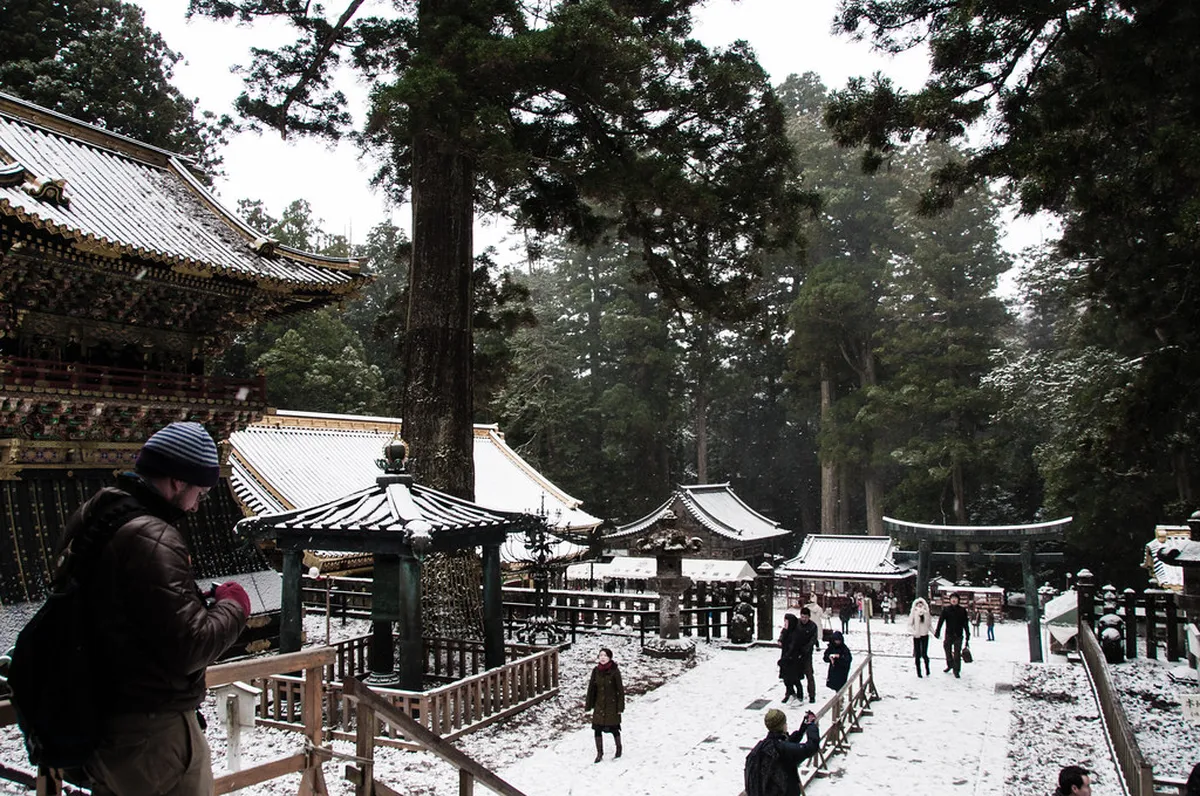
Walking around the temple areas and town streets also requires careful attention to the very slippery ground surfaces. Many stone paths become extremely icy after a fresh snowfall or when temperatures drop low during the night. You should wear sturdy boots with excellent grip to help you stay upright while exploring the historic sites. Adding small metal spikes to your shoes can provide the extra traction needed for walking on frozen paths.
Local convenience stores sell inexpensive slip-on ice grips that fit over almost any type of standard outdoor footwear. These small devices are very effective and can prevent dangerous falls on the hidden patches of black ice. Always take small steps and keep your hands out of your pockets to maintain your balance while walking. Be extra cautious when crossing traditional stone bridges as they tend to freeze much faster than the roads.
Public transportation remains the safest and most reliable way to explore Nikko during the peak of the winter. Professional drivers are experts at navigating the mountain roads and keeping passengers safe in all types of weather. Using the bus network allows you to enjoy the stunning winter views without the stress of winter driving. This approach is highly recommended for all international visitors who want a relaxing and safe holiday experience.
Frequently Asked Questions
🎯 Insider Tip: Discover the best Tokyo experiences with Viator Tours!
What is the best way to travel from Tokyo to Nikko in winter?
The Tobu Limited Express trains from Asakusa Station are the best choice for winter travel. They provide a direct and comfortable route that takes about two hours to reach the city. These trains are reliable during snow and offer great views of the changing winter landscape along the way.
Do I need to buy a transportation pass for Nikko?
Yes, buying a pass like the Nikko All Area Pass is highly recommended for most winter visitors. It covers both your train fare and unlimited local bus rides, which saves a lot of money. The pass also offers discounts at various local shops and attractions throughout the mountainous region.
Are the buses in Nikko safe to use during heavy snow?
Local buses in Nikko are very safe because they use specialized snow tires and have experienced professional drivers. They follow strict safety protocols and continue to operate even during significant snowfalls throughout the winter season. Public buses are much safer than renting a car if you lack mountain driving experience.
Following this Nikko winter transportation guide ensures you can explore the region safely and efficiently during 2026. Use the express trains and local buses to reach all the major shrines and snowy mountain viewpoints. Book your passes early to enjoy the best value for your winter holiday in Japan. We hope you have a magical and safe trip exploring the beautiful snowy landscapes of Nikko.