
Best Winter Boots for Rovaniemi Snowy Conditions 2026
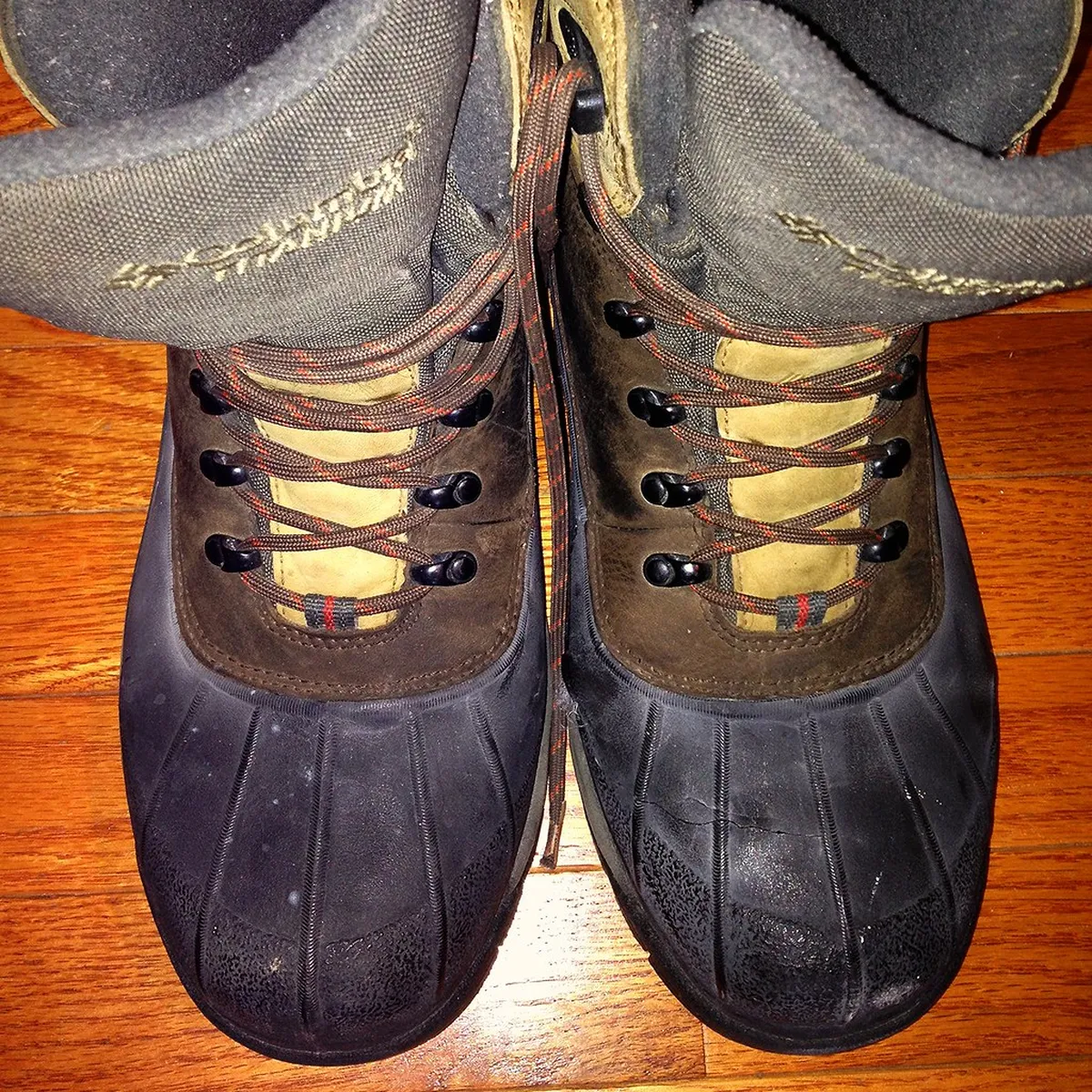
Table of Contents
Best Winter Boots for Rovaniemi Snowy Conditions Guide 2026
Rovaniemi is a magical winter destination located in the heart of Finnish Lapland within the Arctic Circle. The snowy streets of the city require specific footwear to keep you comfortable during your holiday activities. Finding the best winter boots for Rovaniemi snowy conditions guide 2026 is vital for a great trip. You should learn what to wear in Rovaniemi minus thirty degrees weather before you arrive here.
The extreme temperatures in northern Finland can drop significantly during the dark and snowy winter months of January. Proper footwear prevents frostbite and ensures that you can enjoy outdoor adventures like husky sledding and snowshoeing. Most travelers underestimate how cold the ground becomes when standing still for the elusive northern lights displays. Selecting the right gear will make your vacation much more enjoyable and safe for your whole family.
Best Winter Boots for Rovaniemi Snowy Conditions Guide 2026
To plan your trip, review Visit Rovaniemi.
For the most up-to-date details, check Visit Finland - Rovaniemi before you go.
Thermal ratings are the most important factor when choosing your boots for a trip to northern Finland. You need footwear rated for at least minus thirty degrees Celsius to stay comfortable in the deep snow. High-quality synthetic insulation or removable felt liners offer the best protection against the extreme cold temperatures. Check the manufacturer specifications to ensure the materials can withstand the harsh Arctic climate during your visit.Traditional leather boots often lack the specialized insulation required for standing on frozen ground for many hours. You should look for boots that feature a multi-layer lining system to trap heat near your skin. Many modern boots use advanced materials like Thinsulate to provide maximum warmth without adding too much extra weight. These technical fabrics are essential for keeping your feet cozy during long waits for the northern lights.
The height of the boot also plays a major role in keeping your feet warm and dry. We recommend boots that reach at least mid-calf to prevent deep snow from entering through the top opening. Taller boots provide better support and extra warmth for your lower legs during long walks in the woods. Ensure the top of the boot can be tightened with laces or a drawstring for maximum protection.
Remember that warmth is not just about the boots but also about how you wear your thermal layers. Proper circulation is necessary to keep your toes from freezing when the temperature drops below zero degrees. Avoid wearing too many pairs of socks that might squeeze your feet and restrict the flow of blood. Always test your new boots with the exact socks you plan to use during your winter holiday.
Waterproofing and Moisture Control Features
Rovaniemi experiences deep snow that can quickly melt when you enter warm indoor spaces like local city cafes. Waterproof membranes like Gore-Tex are essential for keeping your feet dry during your long outdoor winter activities. Look for boots with a high rubber rand to prevent slush from soaking into the soft upper materials. Breathable fabrics allow sweat to escape which prevents your feet from becoming cold due to internal moisture.
Many travelers forget that damp feet will freeze much faster than dry feet even in very expensive boots. You should prioritize boots that offer a completely waterproof construction to handle both dry snow and wet slush. Treated leather can work well if it is maintained properly with specialized wax or waterproof spray products. However, rubber bottoms are often superior for the varied conditions you will encounter throughout the Rovaniemi region.
The interior lining of your boots should also be moisture-wicking to keep your skin dry during physical movements. Wool is an excellent natural material that provides warmth even if it happens to get a little bit damp. Avoid cotton socks at all costs because they absorb moisture and will make your feet feel like ice. Invest in high-quality merino wool socks to complement the waterproofing features of your chosen Arctic winter boots.
During the spring months of March and April, the snow begins to melt and creates very large puddles. Having waterproof boots during this transition period is just as important as having them in the mid-winter cold. You will likely spend time walking through deep drifts near the famous and beautiful Santa Claus Village. Reliable waterproofing ensures that your socks remain dry no matter how deep the snow gets during the day.
Traction and Safety on Icy Surfaces
Walking on frozen pavements in Rovaniemi requires soles with exceptional grip and very deep lug patterns for safety. Soft rubber compounds perform better in freezing temperatures because they remain flexible and provide much better surface traction. You might consider boots with built-in metal studs if you plan on walking on very slick ice sheets. Proper tread design helps you maintain balance while exploring the beautiful trails around the arctic wilderness areas.
The ice in the city center can be hidden under a thin layer of fresh and fluffy snow. This makes every step a potential hazard if your footwear does not have a reliable and slip-resistant sole. Look for brands that specialize in winter tires as they often use similar technology for their boot outsoles. Vibram Arctic Grip is one example of a high-performance material designed specifically for wet and icy surfaces.
If your favorite boots lack enough grip, you can purchase removable ice cleats or spikes at local stores. These simple devices stretch over your boots and provide instant traction on the most treacherous of frozen paths. Many locals use these regularly when walking their dogs or commuting to work during the darkest winter weeks. They are affordable and small enough to fit in your jacket pocket when you go inside buildings.
Sturdy ankle support is another safety feature that you should look for in a high-quality winter hiking boot. Walking on uneven frozen ground puts a lot of stress on your joints and can lead to painful injuries. A stiff boot structure helps protect your ankles from twisting while you navigate the snowy and icy terrain. Ensure the lacing system allows for a secure and snug fit around your entire foot and ankle.
Sizing Tips for Layering Thermal Socks
💡 Pro Tip: Book your Rovaniemi adventures in advance through Viator for the best deals!
Buying boots that are too tight will restrict blood flow and make your feet feel much colder very quickly. We recommend choosing a size larger than your normal shoes to accommodate thick wool layering socks for warmth. This extra space creates a warm pocket of air which acts as an additional layer of thermal insulation. Ensure you can still wiggle your toes freely while wearing your full Rovaniemi winter packing list essentials 2026.
When you try on boots, always bring the thickest socks you own to get an accurate feel for fit. You should have enough room to fit one finger behind your heel when your toes touch the front. If the boot feels snug with thin socks, it will definitely be too small for the Arctic cold. Remember that your feet might swell slightly after a long day of walking through the deep snowy trails.
The layering system for your feet is just as important as the layers you wear on your body. Start with a thin liner sock made of synthetic material to wick away sweat from your sensitive skin. Add a thick merino wool sock over the liner to provide the main bulk of your thermal protection. This combination works perfectly with a slightly oversized boot to keep your feet cozy in extreme Finnish weather.
Testing your boots before you leave home is the best way to avoid painful blisters during your dream holiday. Wear them around the house with your full sock setup to identify any potential pressure points or rubbing. You want your footwear to be broken in and comfortable before you start walking several kilometers every day. Proper sizing is the foundation of a successful and comfortable winter trip to the beautiful city of Rovaniemi.
Recommended Boot Brands for Winter 2026
Sorel and Baffin are legendary brands that produce footwear specifically designed for the world's coldest and harshest inhabited regions. The Sorel Caribou model features a classic design with a removable felt inner that is very easy to dry. Baffin Impact boots offer some of the highest temperature ratings available for extreme Arctic expeditions and mountain adventures. These brands have been tested by professionals in the most demanding conditions found on our cold planet.
- Sorel: Famous for their durable rubber bottoms and stylish leather uppers with warm liners.
- Baffin: Specialists in extreme cold technology with multi-layer inner boot systems for maximum heat.
- Kamik: A great Canadian brand that offers affordable and very warm options for children and adults.
- Salomon: Excellent for those who want a more athletic fit for winter hiking and active movement.
Finnish brands like Kuoma are also very popular among locals because they are extremely lightweight and very warm. These boots are often machine washable and have a simple design that is easy to put on quickly. While they look less technical than expedition boots, they are perfect for casual walks around the Rovaniemi city center. Many Finnish children wear Kuoma boots throughout the entire winter season because of their reliable and proven warmth.
Expect to pay between one hundred and three hundred euros for a high-quality pair of Arctic winter boots. While this might seem expensive, it is a vital investment for your safety and comfort in the extreme cold. A good pair of boots will last for many years and can be used for other winter trips. Quality materials and construction are worth the extra cost when the temperature hits minus forty degrees Celsius.
Boot Care and Maintenance in Lapland
Road salt and moisture can damage your expensive winter boots if you do not clean them regularly after use. Always remove the inner liners at night to allow them to dry completely near a warm indoor radiator. Use a specialized waterproof spray before your trip to add an extra layer of protection to the exterior. Inspect the soles for wear and tear to ensure you have the best possible grip for walks.
If you do not want to buy new boots, consider where to rent winter clothes in Rovaniemi city 2026. Rental shops offer high-quality Arctic gear that is perfectly suited for the local environment and deep snow drifts. This is a great option for travelers who live in warm climates and do not need winter gear. Renting also saves a lot of space in your luggage for souvenirs and local Finnish crafts.
Never place your boots directly on a hot heater as the extreme heat can crack the rubber or leather. Instead, use a boot dryer or place them in a warm room with plenty of natural air circulation. If your boots get soaked with slush, wipe them down with a damp cloth to remove any salt. Proper maintenance ensures that the materials remain flexible and continue to provide the best protection against the elements.
Storing your boots correctly after your holiday will help them last until your next exciting winter adventure in 2026. Clean them thoroughly and ensure they are completely dry before placing them in a cool and dry storage area. Stuffing them with newspaper can help maintain their shape and absorb any remaining moisture from the inner lining. Following these simple steps will protect your investment and keep your feet warm for many years to come.
Frequently Asked Questions
How warm should my boots be for Rovaniemi?
You should look for boots rated for minus thirty degrees Celsius for the best protection in Rovaniemi. This ensures your feet stay warm during long periods of standing still in the snow and ice. Always check the official temperature rating from the manufacturer before you make a final purchase for your trip.
Can I use normal hiking boots in Finland?
Normal hiking boots are often too thin and lack the necessary insulation for the extreme Finnish winter cold. They are designed for movement and might not keep you warm when you are standing still for long periods. It is much better to invest in specialized Arctic boots with thick thermal liners for your safety.
Should I buy boots one size larger?
It is wise to buy boots one size larger to fit thick thermal socks and maintain healthy blood circulation. Tight boots will make your feet feel cold very quickly because they trap the blood flow to your toes. The extra space also creates a layer of warm air that provides additional insulation against the freezing ground.
Choosing the right footwear is the most important part of planning your winter trip to the Arctic Circle. The best winter boots for Rovaniemi snowy conditions guide 2026 highlights the need for insulation, waterproofing, and grip. By following these expert tips, you can enjoy the beauty of Lapland without worrying about cold or wet feet. Make sure to finalize your gear soon and enjoy your magical holiday in the home of Santa Claus.
Key Takeaways
- Select boots rated for at least minus thirty degrees Celsius for Arctic warmth.
- Choose a size larger to accommodate thick wool socks and maintain circulation.
- Prioritize waterproof materials and soles with deep lugs for safety on ice.
- Remove and dry boot liners every night to ensure they stay warm.
Related reads: polarcityguide.com, rovaniemi winter travel guide 2026, layering clothing tips for rovaniemi winter outdoor activities.