
Northern Lights Photography Settings for Heimaey
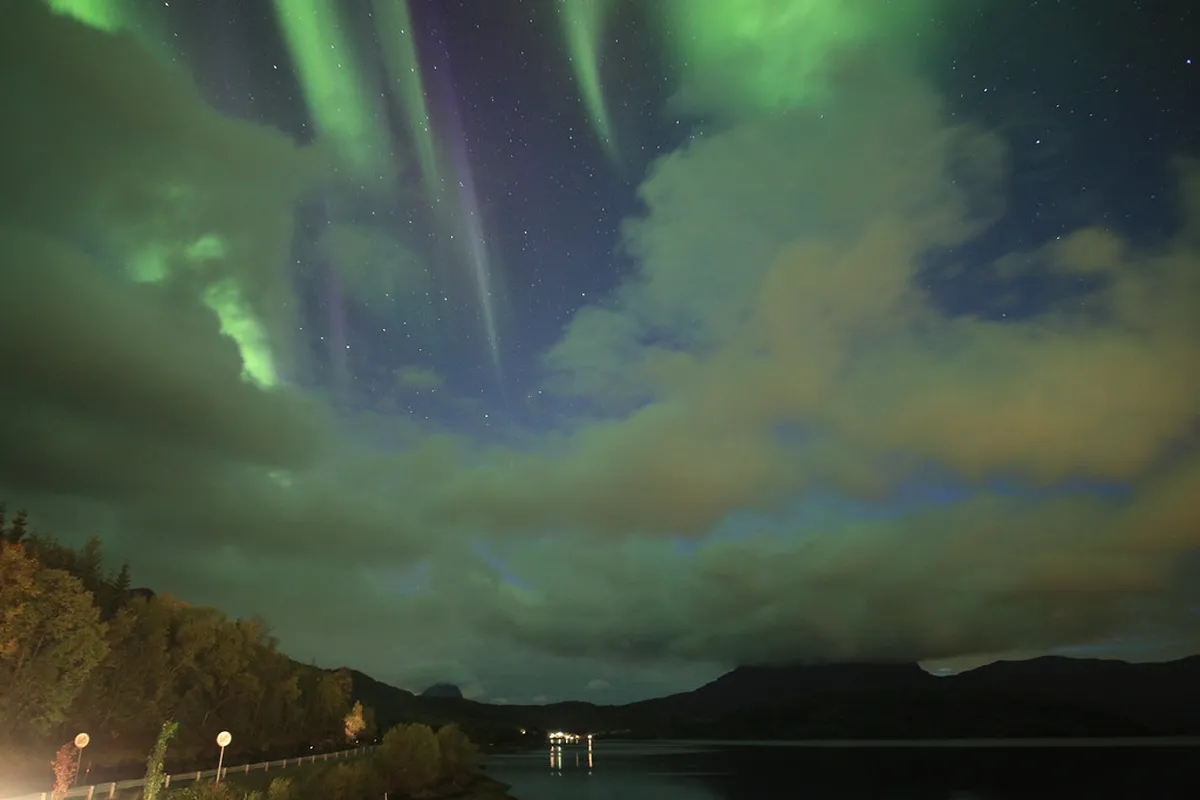
Table of Contents
Camera Settings for Photographing Northern Lights in Heimaey
Learning the right camera settings for photographing Northern Lights in Heimaey is essential for every winter traveler in 2026. The unique volcanic landscapes of the Westman Islands provide a stunning backdrop for your professional night sky photography. You must prepare your gear carefully before heading out into the dark Icelandic nights to find the lights. This guide helps you navigate the technical challenges of capturing the aurora borealis during your next cold visit. Check our Heimaey winter travel guide 2026 for more practical local tips and advice.
Seeing the green lights dance over the North Atlantic Ocean is a truly breathtaking experience for any photographer. Capturing that beauty requires more than just a good camera and a bit of luck in the dark. You need to understand how light interacts with your sensor during long exposures in the middle of night. Follow these expert tips to ensure your photos look sharp and vibrant against the dark volcanic soil backdrop.
Essential Gear for Heimaey Night Photography
To plan your trip, review Lonely Planet Heimaey Guide.
You can find the latest updates on Surtsey UNESCO World Heritage Centre.
Using a sturdy tripod is the most important factor when shooting long exposures in the windy Westman Islands. The coastal gusts in Iceland can easily ruin a sharp photo if your equipment is not properly secured. Choose a heavy tripod or hang your camera bag from the center column to add more stability tonight. This simple step prevents camera shake during the long shutter speeds required for high-quality northern lights captures.A wide-angle lens with an aperture of f/2.8 or lower allows more light to reach your camera sensor. Lenses with a focal length between 14mm and 24mm are ideal for capturing the vast Icelandic night sky. These wide lenses help you include the dramatic volcanic peaks and the celestial lights in one single frame. Make sure to remove any UV filters from your lens to avoid unwanted reflections or strange glass artifacts.
Bring several extra batteries and keep them inside your warm jacket pocket until you need to use them. The freezing temperatures in Heimaey will drain your power much faster than you would experience at home normally. Keeping batteries warm ensures they provide enough power for several hours of shooting in the cold island air. You should also bring a headlamp with a red light mode to preserve your natural night vision easily.
Remote shutter releases or using the built-in timer function will help you avoid touching the camera during exposure. Even a small touch can create blurriness when the shutter is open for ten seconds or even longer. Many modern cameras offer smartphone apps that allow you to trigger the shutter from a warm distance away. These tools are very helpful when the wind picks up along the rocky coastline of the Westman Islands.
Manual Camera Settings for Heimaey Auroras
Switch your camera to manual mode to gain full control over the light entering the sensor each second. Automatic settings often fail in the dark because the camera cannot find a focus point or proper light. You must manually adjust the aperture, shutter speed, and ISO to balance the exposure for the night sky. Start with your aperture set to the lowest possible number your lens allows for the best results.
Setting your ISO between 1600 and 3200 helps the camera detect faint colors without creating too much noise. Higher ISO values make the sensor more sensitive to light but can introduce grain into your final dark images. Test different levels to see how your specific camera body handles noise at these high sensitivity settings tonight. Most modern mirrorless cameras can produce clean images even at ISO 3200 or 6400 in very dark conditions.
Your shutter speed should range from five to fifteen seconds depending on how fast the northern lights are moving. If the aurora is dancing quickly across the sky, use a shorter shutter speed to capture the sharp shapes. Use a longer exposure time if the lights are faint and moving slowly through the stars above you. Observe the sky for a few minutes to determine the speed of the solar particles before clicking.
Always shoot your photos in RAW format to preserve the maximum amount of data for post-processing later on. RAW files allow you to adjust the white balance and recover details from the shadows without losing any quality. This flexibility is vital when dealing with the complex colors and high contrast of the bright northern lights. You will appreciate the extra data when you sit down to edit your 2026 Icelandic travel photos.
Focusing and Composition in the Dark
Focusing your lens in total darkness is one of the biggest challenges for photographers visiting the Westman Islands. Switch your lens to manual focus and set it to the infinity symbol to start your night session. Use the live view screen to zoom in on a bright star and adjust until it looks sharp. This technique ensures that both the stars and the distant horizon remain in perfect focus for your shots.
Composition is key to creating a memorable image that stands out from typical northern lights photos on social media. Use the dramatic sea stacks or the famous Elephant Rock as a foreground element to provide a sense scale. Including local landmarks helps viewers understand where the photo was taken within the beautiful landscape of Heimaey island. Check the best Northern Lights spots Heimaey to find the most iconic locations for your planned compositions.
The rule of thirds can help you balance the sky and the ground within your wide-angle camera frame. Place the horizon on the bottom third to give more space for the dancing green lights above the sea. Alternatively, place the horizon on the top third if you want to highlight the reflection in the ocean water. Experiment with different angles and heights to find a unique perspective on the famous volcanic terrain of Iceland.
Always double-check your focus every few minutes to ensure the lens has not moved during your long photography session. Changes in temperature can cause the lens glass to shift slightly, which might result in soft or blurry images. Take a test shot and zoom in on the screen to confirm that the stars still look sharp. Staying diligent with your focus will save you from disappointment when you view your photos on a computer.
Dealing with Heimaey Coastal Weather
💡 Pro Tip: Book your Reykjavik adventures in advance through Viator for the best deals!
The coastal weather in Heimaey can be unpredictable and harsh during the peak northern lights season in early 2026. Moisture from the ocean can fog up your lens glass quickly when the temperature drops near the water. Use a lens heater or a simple chemical hand warmer to keep the glass clear throughout the long night. Wiping the lens with a microfiber cloth frequently will also help maintain the clarity of your night sky images.
Wind is a constant factor in the Westman Islands and can make steady long exposures very difficult to achieve. Position your body or a large rock as a windbreak to shield your tripod from the strongest sea gusts. Lowering the tripod legs and keeping the center column down will also reduce the risk of any unwanted movement. Stability is your best friend when trying to capture the delicate patterns of the aurora borealis over Iceland.
Dress in several layers of wool and waterproof clothing to stay warm while waiting for the lights to appear. You might stand in the cold for several hours before the solar activity reaches its peak for the night. Proper footwear is also essential for navigating the slippery volcanic rocks and icy trails safely in the dark hours. Your comfort is just as important as your camera settings for a successful and enjoyable photography trip here.
Protect your camera from salt spray if you are shooting near the harbor or the rocky southern cliffs of Heimaey. Salt can damage the electronics and the lens coating if it is not cleaned off properly after your session. Use a rain cover or a simple plastic bag to keep the salt and moisture away from your gear. A quick wipe with a damp cloth back at your hotel will keep your equipment in top condition.
Advanced White Balance and ISO Tips
Setting your white balance manually will help you achieve consistent colors across all of your night sky photographs tonight. A setting between 3500K and 4500K usually results in a natural-looking blue sky and vibrant green northern lights. Avoid using auto white balance because the camera may change the colors between frames as the aurora intensity shifts. Consistency makes it much easier to edit your photos as a cohesive series after you return from Iceland.
High ISO noise reduction should be turned off in your camera menu to prevent the loss of fine details. This feature often smooths out the image, which can make the stars look like small blobs of white light. It is better to handle noise reduction during post-processing where you have more control over the final image look. Your camera will also process images faster without this extra step enabled during your cold night shooting sessions.
Long exposure noise reduction is another setting that you should consider turning off to save valuable time between shots. This feature takes a second blank exposure of the same length to identify and remove hot pixels from images. While it improves quality, it doubles the time you must wait before taking the next photo of the lights. In a fast-moving aurora display, every second counts when you want to capture the most impressive light shapes.
Histogram monitoring is the best way to ensure your exposure is correct without relying on the bright LCD screen. The screen often looks much brighter in the dark than the actual image file will appear on a computer. Check that the graph is not touching the left or right edges to avoid losing data in shadows. A well-balanced histogram indicates that you have captured a wide range of tones for your 2026 travel portfolio.
Capturing the Aurora Over Volcanic Peaks
Heimaey offers unique foregrounds like the Eldfell volcano that add depth and context to your northern lights images. Positioning the red volcanic slopes in the lower corner creates a striking contrast with the green lights above. Use a small flashlight to light-paint the rocks briefly during a long exposure to reveal their texture and color. This technique adds a professional touch to your landscape photography and highlights the island's unique geological history clearly.
Reflections in the harbor water can double the impact of a strong aurora display over the town of Heimaey. Look for calm water near the docks to capture the symmetrical beauty of the lights dancing in the sky. The colorful fishing boats also provide an interesting middle ground that tells a story about the local island life. These urban elements can be just as compelling as the wild natural landscapes found further inland on Heimaey.
Patience is the most important skill for any photographer hoping to capture the perfect shot of the northern lights. The lights may appear for only a few minutes or dance for several hours across the dark Icelandic sky. Stay in one location and refine your composition instead of chasing the lights all over the small island. The best photos often come to those who wait for the perfect moment of high solar activity tonight.
Review your images on the large screen back at your accommodation to learn from your successes and your mistakes. Notice which settings worked best for the different intensities of light you encountered during your cold night out. Adjust your plan for the next night based on these observations to improve your skills throughout your 2026 trip. Continuous learning is the hallmark of a great photographer exploring the challenging conditions of the beautiful North Atlantic.
Frequently Asked Questions
What is the best time of night to photograph the aurora in Heimaey?
The best time is usually between 10 PM and 2 AM when the sky is the darkest tonight. You should check the Westman Islands aurora forecast before heading out to plan your evening session. Solar activity varies every night, so being prepared to stay out late will increase your chances of success.
Can I use my smartphone to take pictures of the Northern Lights?
Modern smartphones with dedicated night modes can capture the lights, but a professional camera offers much better results. Use a tripod and a long exposure app if you decide to use your phone for night photography. The larger sensor of a DSLR or mirrorless camera will always produce cleaner and more detailed images.
How do I keep my camera from freezing in the Icelandic winter?
Keep your camera in a sealed bag before bringing it back into a warm room to prevent condensation. This allows the equipment to warm up slowly and keeps moisture from forming inside the lens or body. Avoid changing lenses outside in the wind to keep the sensor clean and free from any flying salt.
Which lens is best for shooting the Northern Lights in the Westman Islands?
A wide-angle prime lens with an aperture of f/1.4 or f/1.8 is the gold standard for aurora photography. These lenses let in a massive amount of light and allow you to use lower ISO settings tonight. Zoom lenses like a 16-35mm f/2.8 are also very popular for their versatility in framing different compositions.
Mastering your camera settings for photographing Northern Lights in Heimaey will ensure you bring home incredible memories of your 2026 trip. Remember to focus on manual control, use a sturdy tripod, and stay warm during the long Icelandic nights. Experiment with different compositions and be patient as the lights dance across the sky above the volcanic peaks. We hope this guide helps you capture the magic of the Westman Islands during your next winter adventure. Start planning your photography route today and get ready for an unforgettable experience under the arctic stars.
Key Takeaways
💡 Pro Tip: Book your Reykjavik adventures in advance through Viator for the best deals!
- Use a wide-angle lens with an aperture of f/2.8 or lower for the best results.
- Set your ISO between 1600 and 3200 to capture faint lights without excessive noise.
- Always shoot in RAW format to allow for professional editing and color correction later.
Related reads: polarcityguide.com, where to see aurora borealis in heimaey town 2026, guided winter night tours for northern lights heimaey 2026.