
Climbing Eldfell Volcano Trail During the Winter Season
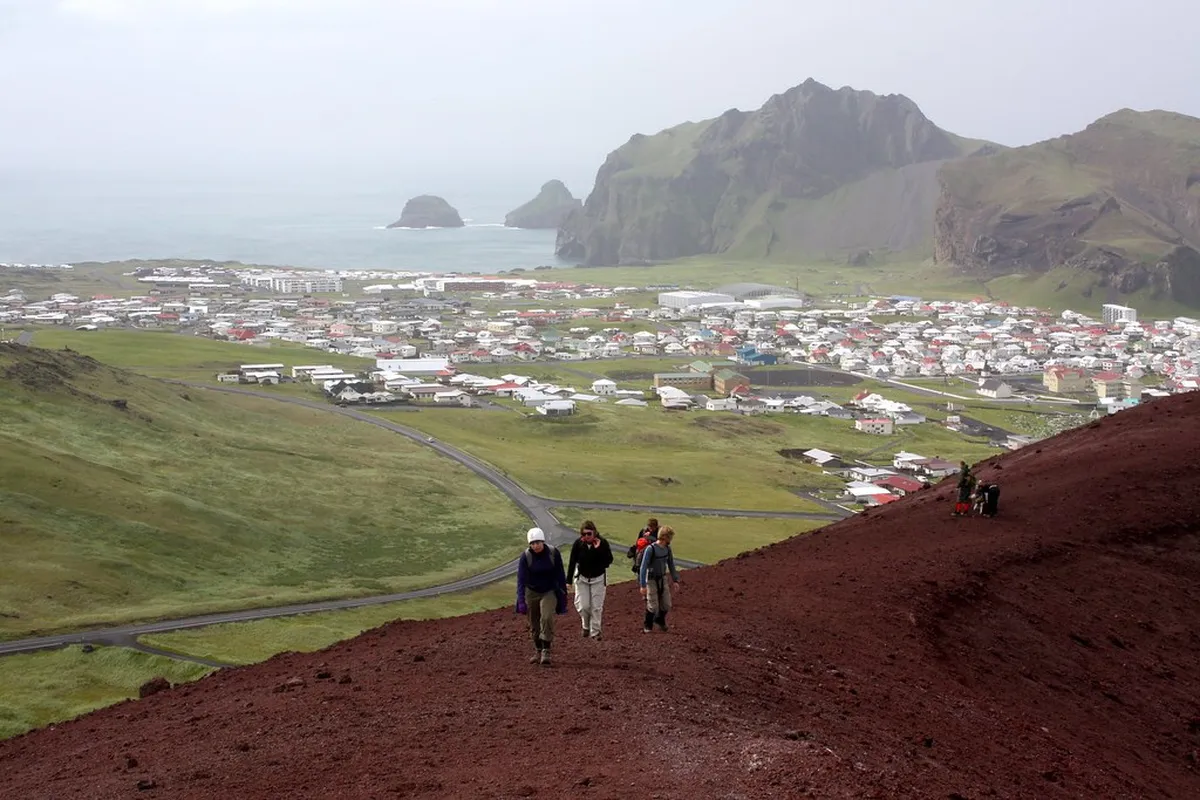
Table of Contents
Guide to Climbing Eldfell Volcano Trail in the Winter
Climbing Eldfell volcano trail during the winter season offers a truly magical experience in Iceland. This young volcano formed during a dramatic eruption in 1973 on Heimaey island. The contrast of dark red lava rock against pure white snow is breathtaking. Visitors in 2026 can enjoy stunning views of the Westman Islands from the summit.
The hike provides a unique perspective on the power of Icelandic nature. You will feel the warmth still radiating from the volcanic ground in some spots. This guide covers everything you need for a safe and rewarding winter climb. Prepare yourself for a memorable journey through one of the most famous volcanic landscapes.
The History of Eldfell Volcano
For the most up-to-date details, check Lonely Planet Heimaey Guide before you go.
To plan your trip, review Surtsey UNESCO World Heritage Centre.
Eldfell is a relatively young volcano that erupted suddenly on January 23, 1973. This massive event forced the immediate evacuation of all residents on Heimaey island. Lava flows threatened to close the harbor, which is the town's main lifeline. Heroic efforts to cool the lava with seawater eventually saved the fishing port.Today, the volcano stands as a silent monument to the island's resilience and strength. The eruption added significant landmass to the eastern side of the island. You can see the distinct boundary where the new lava met the older ground. Walking these slopes helps you understand the scale of this geological event.
The summit of Eldfell reaches approximately 200 meters above the surrounding sea level. It offers a panoramic view of the town and the vast Atlantic Ocean. You can also see the neighboring volcano, Helgafell, which erupted thousands of years ago. Both peaks dominate the skyline of Heimaey and attract hikers throughout the year.
The volcanic rocks here are rich in iron and display vibrant red colors. During the winter, these colors pop vividly against the surrounding snowy landscape. Many travelers find the quiet atmosphere of the winter season to be very peaceful. It is a perfect time for reflection while exploring this historic Icelandic site.
Planning Winter Hiking Trails in Heimaey
When exploring winter hiking trails in Heimaey, proper planning is your first priority. The daylight hours in Iceland are quite short during the winter months. You should aim to start your hike during the late morning hours. This timing ensures you have enough light to navigate the trail safely.
Always check the local weather forecast before you head out to the volcano. Icelandic winds can become very strong and gusty on the exposed mountain slopes. Snow can drift quickly, which might obscure the path for inexperienced winter hikers. It is wise to tell someone your hiking plans before leaving town.
The trail to the top of Eldfell is generally considered a moderate hike. Most people can complete the round trip in about one to two hours. However, snow and ice can make the ascent take longer than expected. Give yourself extra time to enjoy the scenery and rest when needed.
The trailhead is located near the town cemetery on the eastern edge. You will find a clear parking area where the path begins its ascent. Look for the yellow markers that guide you along the main volcanic trail. These markers remain visible even when a light layer of snow covers the ground.
Trail Conditions and Route Details
The path starts with a gentle slope through the Eldfellshraun lava field. You will walk over loose volcanic gravel that can be slippery in winter. The trail becomes steeper as you approach the final climb to the rim. Take slow and steady steps to maintain your balance on the icy sections.
The ground temperature near the summit can still be quite warm to the touch. This geothermal heat often melts the snow in specific patches along the volcanic rim. Steam can sometimes be seen rising from the red rocks on colder winter days. It is a strange and beautiful sight to witness during your climb.
Once you reach the top, you can walk around the entire volcanic crater. The rim provides 360-degree views of the entire Westman Islands archipelago. You will see the harbor where the lava flow stopped in 1973. The white houses of the town look like toys from this high vantage point.
Be very careful near the edges of the crater during the winter season. Gusts of wind can be unpredictable when you are standing on the high ridge. Stay on the established paths to protect the fragile volcanic minerals and moss. Following the trail also ensures you avoid any hidden cracks in the lava.
Essential Gear for the Winter Climb
🌟 Local Expert Tip: Get the most out of your Reykjavik visit with guided tours!
Wearing the right clothing is essential for a successful winter hike in Heimaey. You must use a layering system to manage your body temperature effectively. Start with a moisture-wicking base layer to keep your skin dry and warm. Add a fleece or wool sweater for insulation against the cold air.
A waterproof and windproof outer shell is mandatory for protection from the elements. Icelandic weather can change from sunshine to snow in just a few minutes. Make sure to wear sturdy hiking boots with good traction for the gravel. Consider using essential winter hiking gear like crampons for extra grip on ice.
Don't forget to protect your extremities from the biting cold winter winds. A warm hat, insulated gloves, and a neck gaiter are all necessary items. Wool socks will keep your feet warm even if they happen to get damp. Pack a small backpack with water and high-energy snacks for the journey.
Carrying a fully charged mobile phone is a vital safety precaution for hikers. You might also want to bring a headlamp if you hike late. The sun sets early in Iceland, and the trail can get dark quickly. Being well-prepared allows you to focus on the beauty of the volcano.
Safety Tips for Volcano Hiking
⭐ Recommendation: Don't miss out on amazing Reykjavik tours - book now!
Safety should always be your main concern when hiking in the Icelandic winter. Never attempt the climb during a heavy snowstorm or high-wind warning. The visibility can drop to zero, making it very easy to lose your way. Use a GPS app to track your location on the mountain slopes.
The volcanic rocks can be very sharp and abrasive if you fall down. Take your time during the descent, as this is when most accidents happen. Use trekking poles to provide extra stability on the steeper sections of the path. They help take the pressure off your knees during the downhill walk.
Always stay on the marked trails to avoid damaging the delicate environment. The volcanic moss takes decades to grow back if it is stepped on. Staying on the path also keeps you away from unstable ground near the rim. Respect the power of the volcano and the beauty of the landscape.
If you feel unsure about the conditions, consider booking a professional guide. Local experts know the terrain well and can ensure a safe hiking experience. They often share fascinating stories about the 1973 eruption during the walk. Group tours are a great way to meet other travelers in Heimaey.
Scenic Views and Photography Tips
The summit of Eldfell provides some of the best photo opportunities in Iceland. You can capture the contrast between the red volcano and the blue ocean. The snow adds a soft texture to the rugged lava fields below you. Early morning light creates long shadows that highlight the textures of the crater.
- Photograph the town of Heimaey against the backdrop of the harbor.
- Capture the steam rising from the warm volcanic vents in the snow.
- Look south toward the island of Surtsey on a clear winter day.
- Use a wide-angle lens to capture the scale of the crater.
Winter sunsets in Heimaey can be incredibly colorful and last for a long time. The sky often turns shades of pink and orange over the North Atlantic. These colors reflect beautifully off the snowy slopes of the Eldfell volcano. It is a dream location for landscape photographers visiting Iceland in 2026.
Keep your camera batteries warm by storing them close to your body. Cold temperatures can drain battery life much faster than you might expect. Bring a microfiber cloth to wipe moisture off your lens during snowy weather. Patience is key to getting the perfect shot of this iconic peak.
Frequently Asked Questions
Is climbing Eldfell safe during the winter season?
Climbing Eldfell is generally safe if you have the right equipment and experience. You must check the weather and wear traction aids like crampons on ice. For more safety tips, check our Heimaey winter travel guide for 2026. Avoid hiking during high winds or heavy snow for the best safety.
How long does it take to hike Eldfell in winter?
The hike usually takes between 60 and 90 minutes for a round trip. Snow conditions can make the walk slower than it is during the summer. Plan for about two hours to include time for photos at the summit. The trail is approximately 2 kilometers long in total distance.
Do I need a guide to climb the volcano in winter?
A guide is not required, but they are recommended for those unfamiliar with snow. The trail is well-marked with yellow stakes that are easy to follow. Local guides provide excellent context about the 1973 eruption and the island's history. They can also provide extra safety gear if you need it.
What should I do if the weather turns bad during the hike?
If the weather changes, you should turn back immediately and head to town. Visibility can disappear quickly during an Icelandic snowstorm on the mountain. Follow the trail markers back down to the parking area near the cemetery. Always prioritize your personal safety over reaching the summit of the volcano.
Climbing Eldfell volcano trail during the winter season is an unforgettable Icelandic adventure. The combination of history, geology, and stunning views makes it a top activity in Heimaey. By preparing with the right gear and checking the weather, you can enjoy this peak safely. We hope this guide helps you plan your winter journey to the Westman Islands in 2026.
Key Takeaways
- Check weather and wind speeds before starting your winter ascent.
- Wear sturdy boots and use crampons for traction on icy lava.
- Follow the yellow trail markers to stay on the safe path.
- Allow at least two hours for a comfortable round-trip hike.
- Carry a charged phone and inform someone of your hiking plans.
Related reads: polarcityguide.com, safe winter walking paths around the heimaey coastline, hiking to the puffin lookout at storhofi winter.