
Road conditions from Reykjavik to Ísafjörður in winter 2026
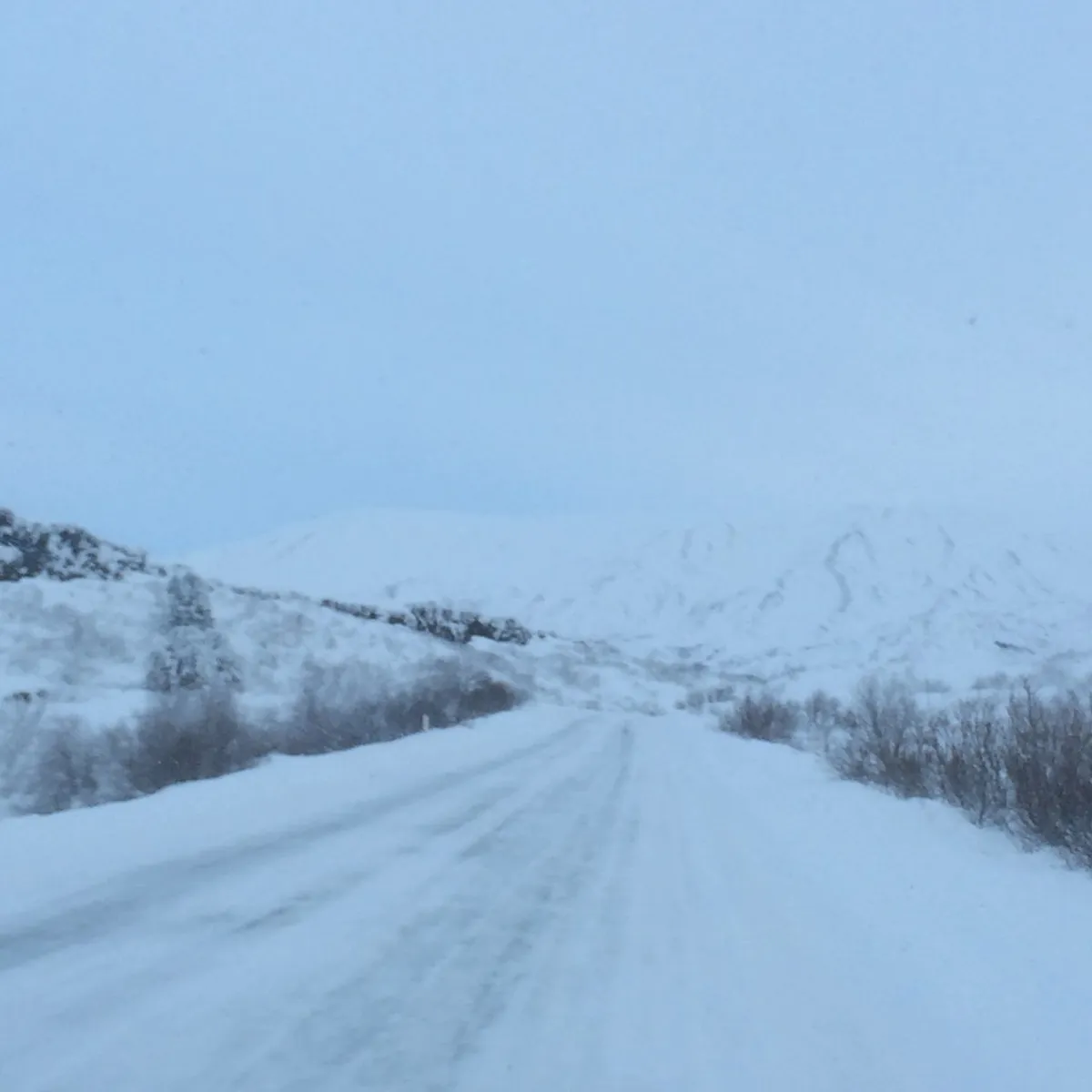
Table of Contents
Driving from Reykjavik to Ísafjörður: Winter 2026 Road Guide
Driving through Iceland in the cold months requires careful planning and constant vigilance. You must check the road conditions from Reykjavik to Ísafjörður in winter 2026 before starting your engine. This long journey covers approximately 450 kilometers across some of the most remote terrain in Europe. The weather can change from clear skies to a heavy blizzard within a few minutes.
The route to the Westfjords is famous for its steep mountain passes and narrow coastal roads. Travelers must prepare for icy surfaces and strong winds that can impact vehicle stability. Safety should always be your top priority when navigating these challenging northern paths. Our guide provides the essential details needed for a successful trip to the beautiful town of Ísafjörður.
Understanding the Primary Winter Routes
There are two main paths you can take to reach the Westfjords from the capital city. Most drivers prefer Route 1 to Route 60 or Route 61 during the winter season. Route 61 via Hólmavík is generally better maintained when snow starts to fall heavily. This northern path avoids some of the steeper inclines found on the southern mountain passes.
The drive usually takes about six to eight hours under normal winter conditions in 2026. However, heavy snow or ice can easily double your travel time on these winding roads. You should always allow for extra hours to ensure you reach your destination before darkness. Daylight is very limited in the Westfjords during the peak of the winter months.
Road 60 is another option but it features more unpaved sections and very steep hills. This route is often more susceptible to closures when the wind speed increases significantly. Many local experts recommend sticking to Route 61 for a more reliable driving experience. Check the official road maps daily to see which path is currently open for travel.
Always carry a fully charged mobile phone to stay updated on the latest route changes. You may encounter sections of the road that are restricted to large 4x4 vehicles only. Understanding the road conditions from Reykjavik to Ísafjörður in winter 2026 is vital for your safety. Local gas stations often provide the best updates on the current state of the roads ahead.
Navigating Challenging Mountain Passes
The journey includes several high mountain passes that present significant challenges during the cold winter months. Steingrímsfjarðarheiði is one of the most difficult stretches you will encounter on this long northern route. Snow drifts and low visibility often make this section impassable for small cars. Professional snowplows work frequently here to keep the connection between the fjords open.
Another critical point is the Þröskuldar pass which connects the southern fjords to the northern coast. Strong winds can push vehicles toward the edge of the road during heavy winter snow storms. You should always check the wind speed before attempting to cross these elevated mountain regions. Gusts exceeding 20 meters per second can make driving extremely dangerous for high-profile vehicles.
Road maintenance crews work hard to clear snow from these vital mountain passes throughout the day. However, they often stop operations during the night or when extreme weather makes work dangerous. Planning your departure for the early morning hours provides the best chance for cleared roads. Avoid driving over these passes late at night when visibility is at its lowest point.
Carry an emergency kit containing warm blankets and extra food in case you get stuck. Always inform someone of your travel plans before you leave the capital city for the Westfjords. Safety must remain your primary concern when evaluating the road conditions from Reykjavik to Ísafjörður in winter 2026. Preparedness can save lives when the Arctic weather turns unexpectedly harsh.
Essential Vehicle Requirements for 2026
You should never attempt this drive in a standard two-wheel drive vehicle during the winter season. We highly recommend renting a 4x4 vehicle for any trip to Ísafjörður. These cars provide the necessary traction and clearance needed to navigate deep snow and icy patches. Ensure your rental car is equipped with high-quality studded winter tires for maximum safety.
Check the tread depth of your tires before you depart from the rental agency in Reykjavik. Studded tires are essential for maintaining control on the black ice that often forms on coastal roads. The rental cost for a suitable SUV typically ranges from 15,000 to 25,000 ISK per day. This investment is necessary to handle the road conditions from Reykjavik to Ísafjörður in winter 2026.
Fill your gas tank completely before leaving the town of Borgarnes or Hólmavík. Gas stations become very scarce once you enter the deep fjords of the northwest region. Cold weather can reduce your fuel efficiency significantly, especially when driving through thick snow. It is a good practice to never let your fuel level drop below half a tank.
- Choose a vehicle with high ground clearance.
- Verify that the car has a functional heating system.
- Ensure a snow shovel is included in the trunk.
- Test the headlights and fog lights before starting your trip.
Monitoring Tunnels and Road Closures
💡 Pro Tip: Book your Reykjavik adventures in advance through Viator for the best deals!
The Westfjords region relies on several tunnels to keep the roads open during the harsh winter. However, extreme weather can still lead to Westfjords tunnel closures in specific conditions. Snow blockages at the entrance of these tunnels can occur during heavy blizzards or avalanches. Monitoring the official status of these passages is a daily requirement for all winter travelers.
The Vestfjarðagöng tunnel is a critical link that connects Ísafjörður to the surrounding fishing villages. It is one of the longest tunnels in Iceland and features a unique three-way junction inside. Be aware that maintenance work might cause temporary delays during the early morning hours in 2026. Signs at the entrance will display the current conditions and any necessary warnings for drivers.
Official websites like road.is provide live maps showing which sections are currently colored green, yellow, or red. Red indicates that the road is completely closed to all traffic due to danger. Never ignore these signs, as rescue services may not be able to reach you in a storm. Respecting the road conditions from Reykjavik to Ísafjörður in winter 2026 ensures a safe arrival.
Wind sensors are placed at various intervals along the route to provide real-time data for travelers. Pay close attention to the numerical displays near the mountain passes and fjord entrances. If the numbers are flashing, it means the wind is reaching a dangerous level for driving. It is better to wait in a nearby town until the weather settles down.
Safe Driving Practices for Winter
Maintaining a slow and steady speed is the best way to stay safe on icy roads. Avoid sudden braking or sharp steering movements which can cause your vehicle to skid uncontrollably. Following these Ísafjörður winter driving safety tips will help you stay on the pavement. Keep a large distance between your car and the vehicle traveling in front of you.
Visibility can drop to near zero during a sudden whiteout while you are crossing a fjord. If you cannot see the road markers, slow down or stop at a safe location. The yellow poles along the side of the road are designed to guide you through snow. Always keep these markers in sight to ensure you stay on the designated path.
The road conditions from Reykjavik to Ísafjörður in winter 2026 require a calm and patient mindset. Do not feel pressured to drive at the speed limit if the surface feels slippery. Many local drivers are experienced in these conditions and will pass you when it is safe. Use your turn signals early to communicate your intentions to other drivers on the road.
Always check the local weather forecast before you leave your accommodation each morning. The Vedur.is website offers detailed wind and precipitation maps for the entire Westfjords area. If a weather warning is issued, it is best to postpone your travel plans for a day. Safety must always come before your schedule when traveling in the Arctic north.
Frequently Asked Questions
Is it safe to drive to Ísafjörður in the winter?
Driving to Ísafjörður is safe if you have a 4x4 and check conditions. You must be comfortable driving on ice and through heavy snow. Always follow the official weather warnings and road closure notices carefully. Taking these precautions ensures a much safer journey through the mountains.
How long is the drive from Reykjavik to Ísafjörður in snow?
The drive usually takes between seven and ten hours when snow is present. You should plan for frequent stops and slower speeds on the mountain passes. Factors like wind and visibility will greatly impact your total travel time. Never rush this trip during the dark winter months of 2026.
What should I do if I get stuck in a snowbank?
Stay inside your vehicle and call the national emergency number at 112 immediately. Keep the engine running sparingly to stay warm while ensuring the exhaust pipe is clear. Do not attempt to walk for help during a winter storm. Wait for professional rescue teams to arrive at your exact location.
Are roads to the Westfjords plowed on Sundays?
Yes, main routes like Road 61 are plowed daily, including on the weekends. Maintenance usually begins around 7:00 AM and continues until the early evening hours. Service may be limited during extreme storms when it is too dangerous for crews. Always check the live road map for the latest updates.
Traveling to the Westfjords is a rewarding experience but requires significant preparation and respect for nature. By monitoring the road conditions from Reykjavik to Ísafjörður in winter 2026, you can enjoy a safe trip. Remember to rent a capable 4x4 and always check the weather before you depart. Stay safe and enjoy the stunning winter landscapes of Iceland as you head north. For more help, consult our full guide on winter travel safety.
Key Takeaways
- Always use a 4x4 vehicle with studded tires for this route.
- Check road.is and vedur.is multiple times throughout your travel day.
- Avoid driving over mountain passes during the dark night hours.
Related reads: polarcityguide.com, isafjorur winter travel guide 2026, how to drive in isafjorur during winter storms.