
Beppu Winter Weather Packing Tips: 2026 Guide
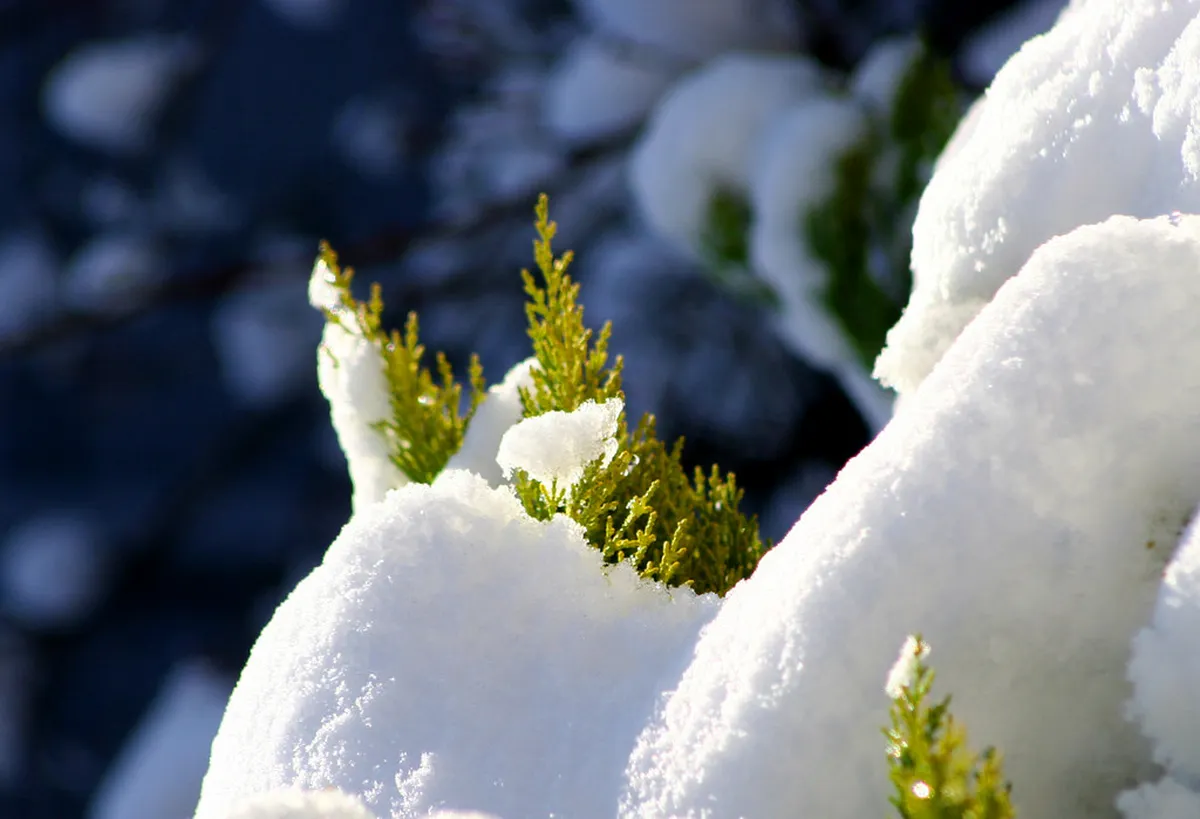
Table of Contents
Expert Beppu Winter Weather Packing Tips for 2026
Planning a trip to Japan's famous hot spring capital requires careful thought. These Beppu winter weather packing tips will help you stay warm and comfortable. You will encounter misty streets and chilly coastal winds in early 2026. Proper preparation ensures you enjoy the thermal wonders without feeling the frost.
Beppu offers a unique climate during the colder months from December to February. The city sits between the sea and high mountains. This location creates a mix of humid steam and biting cold air. Our Beppu winter travel guide 2026 provides the perfect foundation for your seasonal visit. You need layers that handle both the outdoors and the heat of the baths.
Understanding Beppu Winter Temperatures
For official information, visit Beppu City Tourism Association.
To plan your trip, review Beppu Jigoku Association.
The winter climate in Beppu is cold but usually manageable for most travelers. Daytime temperatures in January 2026 will likely range from 5°C to 10°C (41°F to 50°F). Nighttime can see the mercury drop toward the freezing point of 0°C (32°F). High humidity from the nearby ocean makes the air feel sharper than the numbers suggest.Wind is a significant factor to consider when packing your suitcase. Occasional gusts from the sea can lower the perceived temperature significantly. You should check the Beppu average temperatures in January 2026 before you depart. Knowing these averages helps you select the right thickness for your thermal base layers.
Snow is relatively rare in the downtown Beppu area during the winter. However, you will see white peaks on the surrounding mountains. High-altitude spots like Mount Tsurumi often experience heavy snowfall and ice. If you plan to visit these heights, you must pack much heavier gear than for the city.
Rain is also a possibility during the Japanese winter season in Kyushu. You might encounter light drizzles or overcast days that feel quite damp. A waterproof outer shell is vital for keeping your dry layers protected. Always monitor local weather reports for sudden shifts in coastal wind patterns.
Layering Strategies for Hot Springs
Effective layering is the secret to a successful winter trip to Beppu. You will constantly move between the cold outdoors and very hot thermal baths. Most visitors find it useful to use a three-layer system for daily activities. This allows you to adjust your temperature quickly as you enter indoor facilities.
Start with a high-quality moisture-wicking base layer against your skin. Synthetic fabrics or Merino wool are excellent choices for staying dry and warm. These materials help manage sweat if you get too warm inside a bath house. You can find more details on layering clothes for Beppu winter onsen in our specialized guide.
Your middle layer should provide insulation by trapping heat near your body. A fleece jacket or a thin down vest works perfectly for this purpose. These items are lightweight and easy to carry in a small daypack. You will appreciate having an extra layer when sitting by the cold seaside.
The top layer must protect you from the wind and light precipitation. Look for a coat that reaches at least mid-thigh for better heat retention. Many travelers prefer a versatile parka with a removable hood for different weather conditions. Ensure your coat is easy to put on and take off frequently.
Essential Footwear for Hilly Streets
Beppu is a city of hills, especially in the historic Kannawa district. The streets can become slippery due to condensation from the many steam vents. You need shoes with excellent traction to navigate these damp slopes safely. Avoid wearing smooth-soled fashion boots or thin canvas sneakers during your 2026 winter visit.
Insulated boots are the best choice for walking through the city in January. Look for footwear that offers waterproofing to keep your feet dry in the slush. Consider purchasing a pair of walking shoes for icy Beppu streets before your arrival. Your feet will stay warm even when standing on cold stone paths.
Warm socks are just as important as the shoes themselves. Thick wool socks will help prevent blisters during long days of exploring the Hells. Pack at least three or four pairs of high-quality hiking socks for a week-long stay. Dry feet are essential for maintaining your overall body temperature in cold weather.
Keep in mind that you will remove your shoes often at traditional inns. Choose footwear that is easy to slip on and off without much hassle. Avoid boots with complex lacing systems if you plan to visit many hot springs. This small convenience will save you a lot of time and frustration.
Accessories and Personal Care Items
💡 Pro Tip: Book your Beppu adventures in advance through Viator for the best deals!
Small accessories can make a huge difference in your comfort levels. A scarf is essential for protecting your neck from the cold sea breeze. Gloves should be windproof and compatible with your smartphone touchscreen for photography. You will find that heat escapes quickly from your head, so pack a beanie.
Japanese heat packs, known as Kairo, are lifesaving items for winter travelers. You can buy these at any local convenience store for about 100 yen each. Stick them inside your pockets or onto your base layer for hours of warmth. They are particularly useful when waiting for buses or watching outdoor fireworks.
Don't forget to pack skincare products to combat the dry winter air. The combination of hot water and cold wind can dry out your skin fast. Bring a high-quality moisturizer and lip balm to use after every bath. Many local shops sell specialized onsen-based creams if you run out during your trip.
A small, quick-dry towel is another vital item for your Beppu daypack. Many public baths charge a small fee for towel rentals. Having your own saves money and ensures you are always prepared for a soak. These towels fold down small and won't add much weight to your luggage.
Packing for Mountain Excursions
Are you planning to take the ropeway up to Mount Tsurumi? The temperature at the summit is much lower than in the city center. You will need heavy-duty winter gear for this specific part of your itinerary. Check out these Mount Tsurumi winter ropeway tips for more advice. Temperatures at the top can easily stay below freezing all day.
Bring a heavy down jacket specifically for your mountain excursion day. Wind speeds at the summit can be quite high, creating a severe wind chill. You should also pack thermal leggings to wear under your trousers for extra warmth. These extra items are necessary if you want to enjoy the rime ice.
Hand warmers and a thermos of hot tea are excellent additions to your bag. The summit has a small station, but the viewing decks are fully exposed. You will want to stay outside to capture the stunning views of Beppu Bay. Spending 30 minutes in the wind requires serious protection for your face and ears.
Sunglasses are also helpful when there is snow on the ground at the peak. The reflection of the sun can be quite bright and tiring for your eyes. Ensure your footwear has deep treads for walking on the potentially icy observation paths. Proper gear makes the mountain experience a highlight of your 2026 vacation.
Frequently Asked Questions
Does it snow often in Beppu during the winter?
Snow is rare in the lower city areas of Beppu. You might see light flurries once or twice a month in January. However, the surrounding mountains often have snow throughout the entire winter season. Most snow on the ground melts quickly in the city due to the thermal heat.
What is the best coat for Beppu winter weather?
A mid-weight down parka with a windproof exterior is the best choice. It provides excellent insulation while remaining light enough for city walking. Make sure it is water-resistant to handle the coastal humidity and light rain. A hood is a great bonus for windy evenings by the bay.
Should I bring a swimsuit to Beppu hot springs?
Most traditional hot springs in Beppu require you to bathe fully nude. You generally do not need a swimsuit for regular onsen visits. However, some mixed-gender theme parks or sand baths may require modest clothing. Check the specific rules of the baths you plan to visit before packing.
Which month is the coldest in Beppu, Japan?
January is typically the coldest month in Beppu with the lowest temperatures. February follows closely with similar cold temperatures and higher chances of wind. December is usually slightly milder but still requires full winter clothing and layers. Plan for temperatures near freezing if you visit in mid-January 2026.
Visiting Beppu in 2026 will be an unforgettable experience if you pack correctly. Focus on windproof layers and comfortable footwear to navigate the misty streets. These Beppu winter weather packing tips help you prepare for every thermal adventure. Enjoy the warmth of the hot springs while the winter air remains crisp outside.
Key Takeaways
- Pack a windproof outer layer to block the sharp coastal breezes.
- Use a three-layer system for easy transitions between baths and outdoors.
- Choose waterproof shoes with high traction for damp, steep city streets.
- Carry a small quick-dry towel for spontaneous hot spring visits.
Related reads: polarcityguide.com.