
Taking Photos of Beppu Steam Vents: 2026 Guide
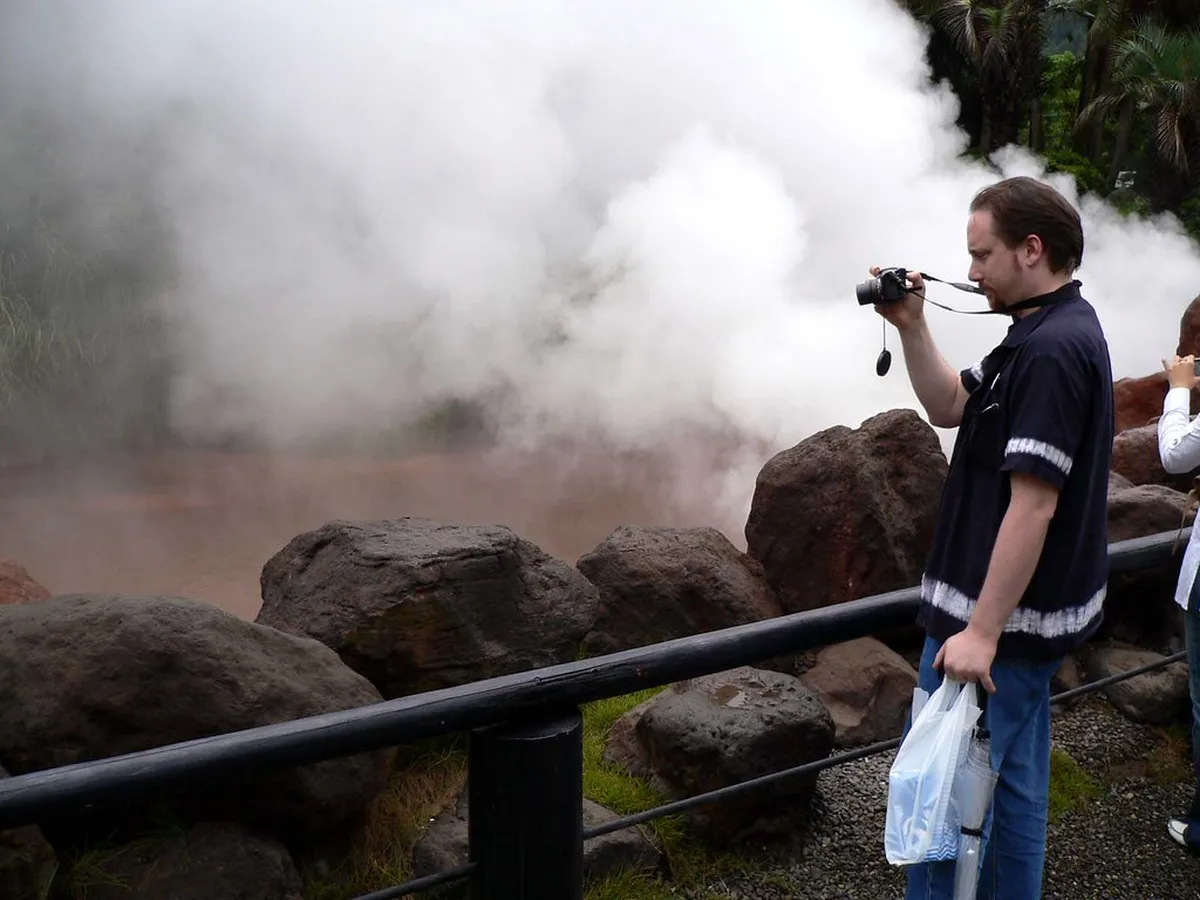
Table of Contents
Essential Tips for Taking Photos of Beppu Steam Vents
Beppu is a Japanese city famous for its hundreds of rising hot spring steam vents. Taking photos of Beppu steam vents requires patience and the right environmental conditions to succeed during 2026. This guide explores the best techniques for capturing these iconic white plumes in the cool winter air. You will learn how to master the unique challenges of shooting in a high-humidity volcanic area.
Winter provides the most dramatic visual results for photographers visiting this special region of Oita Prefecture. The cold mountain breeze makes the volcanic steam appear much thicker and more defined in every shot. You will find that these white clouds create a stunning contrast against the dark, forested hillsides. Planning your photography excursion carefully ensures you capture the most breathtaking views of this misty landscape.
Essential Camera Gear for Steam Vents
For current hours, prices, and announcements, start with Beppu travel info.
For practical details and last-minute changes, use Beppu travel info.
You must prepare the right equipment before you head out into the humid streets of Beppu. A weather-sealed camera body is highly recommended to protect your sensitive electronics from constant thermal moisture. You will also need several high-quality microfiber cloths to keep your front lens element perfectly dry. Check our detailed camera gear for Beppu weather for more specific equipment recommendations this season.A sturdy travel tripod is another essential tool for capturing the motion of rising volcanic steam. Using a tripod allows you to experiment with longer exposures for a soft, dreamy visual effect. You should also bring a selection of neutral density filters to control light levels during the day. These filters help you maintain slower shutter speeds even when the afternoon sun is quite bright.
Batteries tend to drain much faster in the chilly winter temperatures of the Oita mountain ranges. Always carry at least two spare batteries tucked inside your warm jacket pockets to keep them functional. Cold glass often fogs up immediately when you move between the warm indoors and the chilly outdoors. Allow your camera gear to acclimate to the environment for twenty minutes before you start shooting.
Wide-angle lenses are perfect for capturing the massive scale of the steam rising across the entire city. You should also consider a telephoto lens to isolate specific steam plumes against interesting architectural details. Zooming in allows you to focus on the textures and patterns formed by the swirling hot vapor. Having both lens types in your bag will give you the most creative flexibility during your trip.
Protective rain covers for your camera bag are useful because the steam often turns into light drizzle. The minerals found in the hot spring water can be quite corrosive to metal equipment surfaces. Always wipe down your camera and tripod legs with a damp cloth after a long photography session. Keeping your gear clean ensures it remains in top condition for the duration of your 2026 travels.
Prime Vantage Points for Steam Vents
The Yukemuri Observatory offers the most famous panoramic view of the steaming Kannawa district in northern Beppu. You can see dozens of vents releasing thick white clouds from this elevated wooden observation platform. Visit during the winter sunset photography tips session to capture the city glowing in soft golden light. The observatory remains free to the public and offers plenty of space for setting up your tripod.
Miyuki-zaka slope is another fantastic location for capturing street-level steam vents and traditional Japanese architecture. Steam frequently rises directly from the roadside gutters and residential drains along this historic walking path. You can frame your shots with colorful local shop signs or traditional wooden bathhouse structures nearby. Be careful of passing cars as many of these narrow streets remain active for local traffic.
Head up to the Myoban district to find a more rugged and natural photography setting for your shoot. This area features traditional thatched-roof huts used for producing medicinal bath salts from the natural hot springs. The combination of ancient architecture and thick volcanic steam creates a timeless atmosphere for your portfolio shots. You will find that the air here smells strongly of sulfur due to the high mineral content.
The Beppu Ropeway provides a unique aerial perspective of the steam vents from high above the city. As you ascend Mount Tsurumi, you will see the thermal activity scattered across the vast urban landscape below. The contrast between the misty city and the calm Beppu Bay creates a very powerful visual composition. Early morning rides often offer the clearest air for spotting vents located far out in the distance.
For a unique perspective, try exploring the small alleys located behind the famous Hells of Beppu attractions. Many lesser-known vents are hidden in the residential areas where locals use the steam for daily cooking. These spots provide a more intimate look at how the community lives alongside this active volcanic power. Always respect local privacy and avoid pointing your camera directly into private windows while exploring these streets.
Best Timing and Lighting Conditions
Early morning is undoubtedly the best time for taking photos of Beppu steam vents during the winter. The significant temperature difference between the hot steam and cold air creates the most visible white plumes. You should aim to be at your chosen location at least thirty minutes before the sun rises. This timing allows you to capture the soft blue hour light that complements the white vapor.
Golden hour provides a magical glow that turns the white steam into beautiful shades of orange and pink. Positioning yourself with the sun behind the steam creates a dramatic backlighting effect that highlights individual droplets. This technique makes the steam appear to glow from within and adds a sense of depth to your images. Look for gaps between buildings where the low winter sun can shine through the rising mist.
Overcast days are surprisingly good for photography because the soft light reduces harsh shadows across the city. The flat lighting allows you to capture more detail in both the bright steam and dark buildings. You will not have to worry about blown-out highlights when the sun is hidden behind a thick cloud layer. This consistency makes it much easier to edit your photos later for a clean and professional look.
Rainy weather in 2026 can actually enhance the atmosphere of your Beppu photography by adding reflections on the streets. Wet pavement acts like a mirror for the city lights and the glowing steam vents during the evening. You can use these reflections to create symmetrical compositions that lead the eye through your final photograph. Just ensure you have adequate waterproof protection for yourself and your valuable camera equipment during the rain.
Nightfall brings a completely different character to the steam vents as they move through the artificial city lights. Some vents near the major hot springs are specifically illuminated with colorful spotlights during the peak winter season. These bright lights create a surreal and futuristic appearance that is perfect for artistic long exposure photography. Make sure to check the local illumination schedule as these lights are usually turned off by midnight.
Mastering Your Camera Settings
🎯 Insider Tip: Discover the best Beppu experiences with Viator Tours!
Your choice of shutter speed will determine how the steam appears in your final high-resolution images. Use a fast shutter speed of 1/500 second or higher to freeze the chaotic movement of the vapor. This highlights the intricate textures and swirling patterns of the steam as it escapes into the cold air. Fast settings are ideal when you want to show the raw power of the volcanic activity.
Slow shutter speeds of several seconds will turn the steam into a smooth and ethereal mist. This technique works best when you are using a tripod to keep the rest of the scene sharp. The contrast between the solid buildings and the flowing silk-like steam creates a very peaceful visual mood. Experiment with different exposure times to find the perfect level of blur for your specific creative vision.
Setting your white balance manually is crucial when shooting in environments with mixed lighting and heavy vapor. The camera often gets confused by the large amount of white steam and makes the image look blue. Try using the cloudy or shade preset to bring back some warmth to the stone and wood details. Alternatively, you can shoot in RAW format to easily adjust the temperature during your post-processing workflow.
Keep your aperture around f/8 or f/11 to ensure the entire landscape remains in sharp focus. This middle range provides the best balance between lens sharpness and a deep field of view for cityscapes. If you want to blur the background, open your aperture to f/2.8 to focus on one vent. This helps separate the subject from the busy urban environment found in many parts of the city.
Watch your histogram carefully to avoid losing details in the brightest parts of the white steam plumes. It is very easy to overexpose these areas when the sun is shining directly on the moving vapor. You may need to use exposure compensation to darken the image slightly for a more balanced result. Darkening the exposure helps preserve the delicate highlights and textures within the most intense parts of the steam.
Dealing with Moisture and Condensation
High humidity levels in Beppu can quickly cause your lens to fog up during a long shoot. Avoid breathing directly on the camera glass while you are looking through the viewfinder to compose your shot. You can also use a lens hood to provide a small physical buffer against the drifting steam. Keeping a dry cloth in your hand allows you to wipe away droplets between every few frames.
Condensation often forms inside the lens if you move too quickly from cold streets into warm taxis. Place your camera inside a sealed plastic bag before you enter a warm building or local bus. The moisture will form on the outside of the bag rather than on your expensive glass elements. Leave the camera in the bag until it reaches the same temperature as the indoor environment.
Be aware that the steam in Beppu contains minerals that can leave a thin residue on your lens. You should never use your shirt or a rough paper towel to clean the delicate front glass element. Use a specialized lens cleaning solution and a fresh microfiber cloth to remove these stubborn mineral spots safely. Regular cleaning prevents the buildup of salt and sulfur which could eventually damage the lens coating.
Using a high-quality UV filter or clear protector filter can save your lens from direct exposure to moisture. It is much cheaper to replace a damaged filter than it is to repair a professional lens. The filter also makes it easier to wipe away water droplets without worrying about scratching the main glass. This extra layer of protection is highly recommended for anyone shooting near the active thermal vents.
Store your gear in a bag with several packs of silica gel to absorb any leftover moisture. When you return to your hotel, take the camera out of the bag to let it air out. These simple steps help prevent the growth of mold or fungus inside your lenses over the long term. Proper care ensures your equipment stays ready for your next adventure in the beautiful mountains of Japan.
Night Photography and Illumination
⭐ Recommendation: Don't miss out on amazing Beppu tours - book now!
Photographing the steam at night requires a different strategic approach compared to daytime shooting sessions. You will need to find areas where the city lights provide enough illumination for your camera sensor. The street lamps in Kannawa create orange pools of light that reflect beautifully off the rising white vapor. Explore several Beppu night photography spots to find the best angles for these unique compositions.
Use a remote shutter release or your camera's self-timer to prevent any camera shake during long exposures. Even the small vibration from pressing the shutter button can ruin the sharpness of a night shot. Aim for exposures between five and fifteen seconds to capture enough light from the surrounding street lamps. This exposure length will also give the steam a very ghosts-like and mystical appearance in your photos.
Increasing your ISO setting might be necessary if you want to capture the steam without a tripod. Modern cameras can handle higher ISO levels like 1600 or 3200 while still maintaining good image quality. Use a lens with a wide maximum aperture like f/1.8 to gather as much light as possible. This setup allows you to take handheld shots while you walk through the atmospheric city streets at night.
Look for the colorful light displays at the Umi Jigoku or Oniishibozu Jigoku hot spring attractions. These locations often use blue or red floodlights to create a dramatic effect for evening visitors in 2026. The colored lights dancing through the thick steam provide some of the most unique photos in Beppu. Check the closing times for these parks as most will stop entry by five or six in the evening.
Night photography in Beppu is best enjoyed during the middle of the week when there are fewer crowds. You will have more space to set up your tripod without blocking the path for other tourists. Wear warm thermal clothing and gloves that allow you to operate your camera buttons with precision. Staying comfortable allows you to focus on your creativity rather than the freezing winter air temperature.
Frequently Asked Questions
Where is the best place to take steam photos in Beppu?
The Yukemuri Observatory is the top choice for panoramic city views. You can see the steam rising from the entire Kannawa district. For street-level shots, walk along the Miyuki-Zaka slope. This area has many vents right next to traditional Japanese buildings.
What is the best time of year for steam photography?
Winter is the best season because the cold air makes steam very thick. You will see much more vapor in January and February than in summer. Early morning is the best time of day for these shots. The temperature difference creates the most dramatic white plumes for your camera.
How do I prevent my camera lens from fogging up in Beppu?
Keep your camera cool by leaving it in your bag when you go indoors. Use a lens hood to shield the glass from drifting steam. Carry several microfiber cloths to wipe away water droplets quickly. Let your gear acclimate to the outside temperature before you start taking photos.
Taking photos of Beppu steam vents is a rewarding challenge for any photographer visiting Japan in 2026. By following these tips on gear, timing, and settings, you can capture the true magic of this steaming city. Remember to pack plenty of lens cloths and stay warm during your early morning winter shoots. You will leave with incredible images that showcase the unique volcanic power of this famous hot spring destination.
Key Takeaways
- Visit the Yukemuri Observatory for the best panoramic views of the steaming city.
- Shoot during the cold winter mornings to ensure the steam looks thick and dramatic.
- Use a tripod and slow shutter speeds to create a soft, ethereal look for the vapor.
- Protect your gear from moisture and condensation by using sealed bags and cleaning cloths.
Related reads: polarcityguide.com, beppu winter travel guide 2026, beppu winter photography guide 2026.