
Usuki Stone Buddhas Winter Day Tour Guide
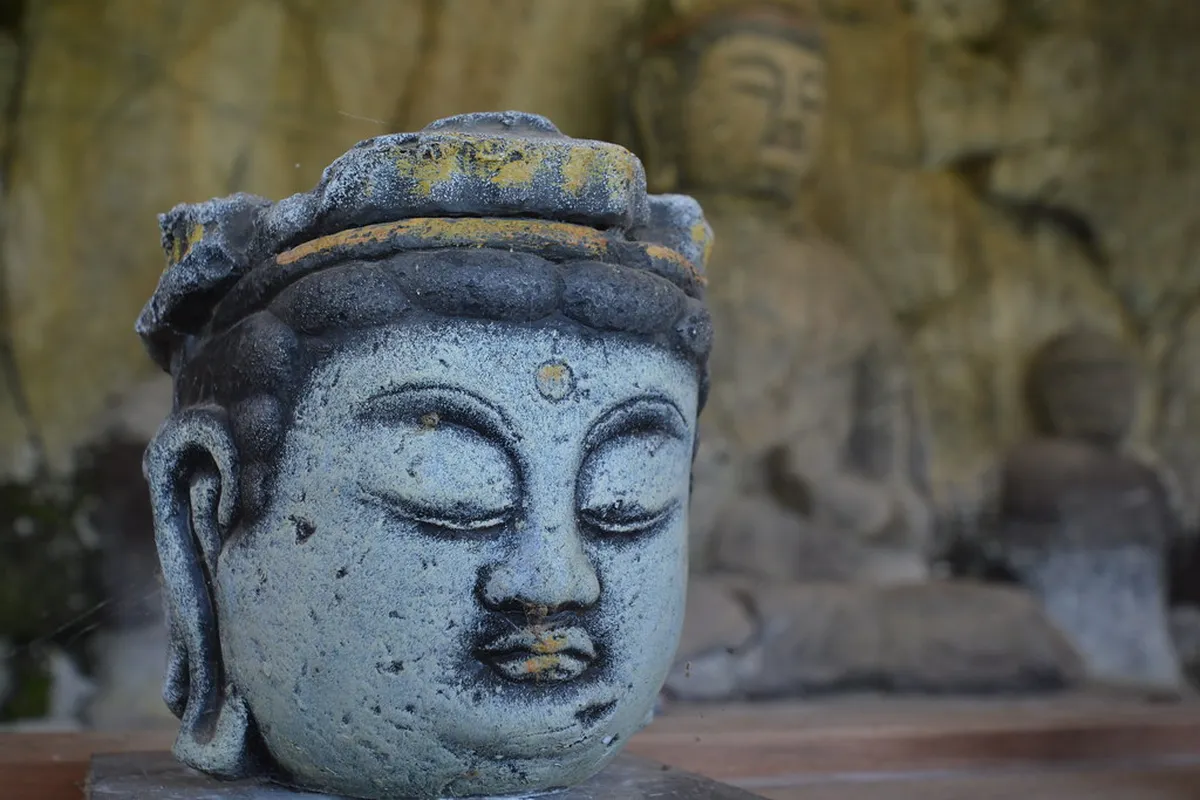
Table of Contents
Your Usuki Stone Buddhas Winter Day Tour From Beppu
Travelers visiting Beppu in 2026 will find many wonderful excursions to enjoy during the chilly winter season. One of the most unique experiences is taking a Usuki Stone Buddhas winter day tour from the city.
This itinerary helps you navigate the journey while highlighting the most important historical features and cultural sites. You should consult our Beppu winter travel guide 2026 to help prepare for the coastal weather conditions. The winter air makes these ancient stone carvings look even more mystical against the quiet Japanese countryside.
Usuki offers a peaceful escape from the busy steaming streets of the famous Beppu onsen districts during peak season. You will encounter sixty spectacular statues that date back to the late Heian and Kamakura periods of Japan. These carvings are now recognized as National Treasures because of their artistic quality and historical significance to the region.
Morning Travel From Beppu to Usuki
For official information, visit Beppu travel info.
For the most up-to-date details, check Beppu travel info before you go.
Starting your journey early ensures you have enough daylight to appreciate the delicate details of the ancient stone figures. The most efficient way to travel involves taking the JR Sonic Limited Express train from central Beppu Station. This comfortable train ride takes approximately forty-five minutes to reach the station in the heart of Usuki city.A round-trip ticket will cost about 3,000 yen depending on your choice of reserved or non-reserved seating options. Many travelers choose this destination as one of their primary day trips from Beppu winter excursions because of its convenience. Once you arrive at Usuki Station, you can catch a local bus that departs for the statues regularly.
The bus ride to the stone Buddhas takes twenty minutes and costs approximately 310 yen for a single trip. Winter schedules in 2026 generally follow similar timing to the previous years with hourly departures for tourist convenience. Make sure to check the return bus times before you enter the park to avoid long waits later.
Walking from the city center is possible but not recommended during the cold winter months for most visiting tourists. Taxis are available at Usuki Station for those who prefer more direct and private transport to the historical site. A typical taxi ride will cost around 2,500 yen each way but saves significant time for your schedule.
The Magic of the Usuki Stone Buddhas
The stone Buddhas are divided into four distinct groups known as Furuzono, Sannosan, Hoki I, and Hoki II. Each group features unique artistic styles that represent different eras of Japanese Buddhist sculpture and religious devotion. The Furuzono group is particularly famous for the Dainichi Nyorai, which is widely considered the most beautiful statue.
Walking between these groups involves following a well-maintained path that winds through a beautiful and serene forest landscape. During your Usuki Stone Buddhas winter day tour, the lack of foliage allows for clearer views of the carvings. The cool winter shadows create deep contrasts that emphasize the intricate facial expressions carved into the hard tuff rock.
Admission to the park costs 540 yen for adults and provides access to all four main carving gallery areas. These statues were carved into the soft volcanic rock that resulted from ancient eruptions of nearby Mount Aso. Information plaques in English provide essential historical context for visitors who wish to learn about early Japanese Buddhism.
The atmosphere in winter is especially quiet because fewer tour groups visit the site during the colder months. You can spend more time reflecting on the craftsmanship without the noise of large crowds interrupting your peaceful experience. Take photographs of the statues framed by the bare branches for a minimalist and traditional aesthetic in your images.
Lunch and Local Usuki Specialties
After exploring the stone Buddhas, you should return to the city center to try some local culinary delights. Usuki is famous for its high-quality fugu or pufferfish which is a seasonal winter specialty across Oita Prefecture. Many restaurants near the historic district serve affordable lunch sets featuring this delicate and carefully prepared seafood dish.
If you prefer a simpler meal, look for establishments serving Usuki's famous ginger-flavored snacks and hot vegetable soups. Ginger has been a major product of this region for centuries and helps warm your body on cold days. Look for the local specialty called kiresho which consists of deep-fried fish cakes served with spicy seasonal dipping sauces.
Usuki also boasts several traditional soy sauce breweries that have operated in some buildings since the Edo period began. You can visit these breweries to taste authentic seasonings and buy unique food souvenirs for your friends and family. A bowl of hot ramen or udon using locally produced soy sauce provides the perfect midday winter comfort.
Most restaurants in the castle town area open for lunch between 11:30 AM and 2:00 PM throughout the season. Prices for lunch usually range from 1,200 to 2,500 yen depending on the variety of dishes you select. English menus are becoming more common in 2026 but carrying a translation app remains very helpful for tourists.
Exploring the Usuki Castle Town District
💡 Pro Tip: Book your Beppu adventures in advance through Viator for the best deals!
The historical district of Usuki features many preserved samurai residences and traditional stone-paved streets that feel like old Japan. This area is known as Nioza Historical Road and offers a glimpse into the life of the ancient ruling class. Walking through these alleys provides many photo opportunities with white-walled homes and dark wooden gates lining the narrow paths.
Some samurai houses are open to the public for a small entrance fee of around 200 yen per person. Inside, you can see traditional tatami rooms, ancestral altars, and small manicured gardens that remain green even in winter. These sites illustrate the wealth and power of the Usuki domain during the peak of the feudal era.
The Ryugenji Temple is another must-see site located within the historical district of this charming coastal castle town center. It features a rare three-storied wooden pagoda which is one of the few remaining examples of its kind. The architecture is especially striking when the sun sets early during the winter afternoons and highlights the wooden textures.
Visit the ruins of Usuki Castle which sit on a hilltop overlooking the surrounding city and the distant sea. Although most of the castle is gone, the impressive stone walls and gates still stand in their original positions. The park offers a panoramic view that is beautiful during the clear and crisp winter air of early 2026.
Planning Your Winter Visit Logistics
Winter temperatures in Usuki typically range between 3 and 10 degrees Celsius during the bright and sunny daylight hours. You should wear thermal layers and a windproof jacket because the coastal breeze can feel very cold and sharp. Comfortable walking shoes are essential because the paths around the stone Buddhas and the castle town are often uneven.
The stone Buddha site remains open from 6:00 AM until 6:00 PM during the winter months of the year. Most shops and smaller museums in the castle town close by 5:00 PM so plan your time accordingly. It is wise to carry cash because small local shops and bus drivers often do not accept credit cards.
If you have extra time, consider visiting the local museum to see artifacts related to the early Portuguese explorers. Usuki was one of the first ports in Japan to welcome European traders and Christian missionaries in the sixteenth century. This unique history gives the town a different cultural flavor compared to other traditional cities in central Kyushu.
Keep a reusable warm beverage bottle with you to stay hydrated and warm while you explore the outdoor historical sites. Many vending machines in the area serve hot canned coffee and tea for a quick and cheap warming treat. Proper preparation ensures your Usuki Stone Buddhas winter day tour remains comfortable from the morning until the evening.
Frequently Asked Questions
Is the Usuki Stone Buddhas site accessible in the snow?
Heavy snow is rare in coastal Oita but can happen occasionally during the months of January and February. The paths are cleared quickly by staff to ensure visitor safety throughout the winter season. You should wear boots with good grip if the ground appears frost-covered or wet after a cold night.
How long does a full day tour from Beppu take?
A complete trip usually takes about seven to eight hours including transportation and a relaxed lunch break in town. Most visitors leave Beppu at 9:00 AM and return by 5:00 PM for dinner and relaxation. This schedule allows plenty of time for both the Buddha site and the historic samurai district exploration.
Are there guided tours available at the stone Buddhas?
Local volunteer guides are often available at the entrance of the Usuki Stone Buddhas park during the day. While some speak limited English, they are very helpful for pointing out specific artistic details of the ancient carvings. You can also rent audio guides that provide detailed historical narratives in several different languages during your visit.
Taking a Usuki Stone Buddhas winter day tour is a highlight for any traveler exploring the Oita region in 2026. This itinerary combines ancient spiritual art with the classic charm of a Japanese castle town during the quiet season. After your journey, you can soak in one of the best Beppu onsen for winter to rest your tired legs. Start planning your Kyushu winter adventure today to experience these magnificent National Treasures for yourself.
Key Takeaways
- Wear warm thermal layers to combat the cold coastal winds of Usuki.
- Use the JR Sonic Express for the fastest travel from Beppu Station.
- Combine the Buddha visit with a walk through the Nioza Historical Road.
- Try the local ginger tea or fugu for a traditional winter taste.
- Carry enough cash for bus fares and small admission fees at sites.
Related reads: polarcityguide.com, beppu to yufuin winter day trip, visiting african safari beppu in winter.