
Winter Wildlife Spotting on Miyajima Island Japan Guide
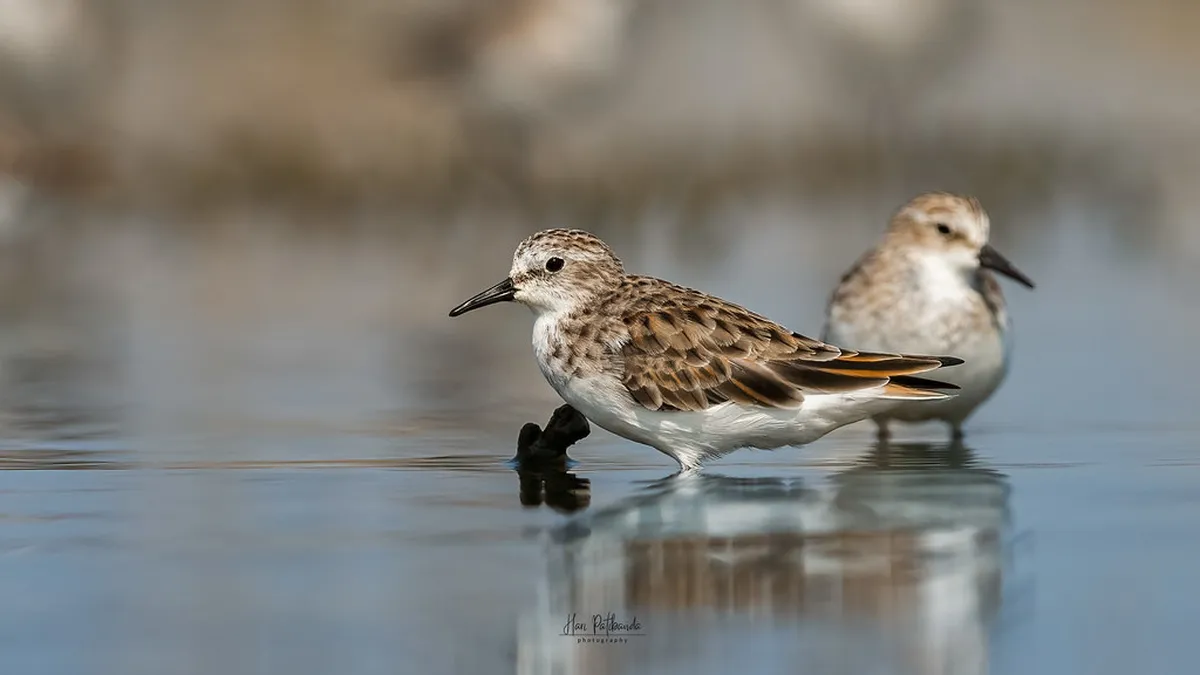
Table of Contents
Top Tips for Winter Wildlife Spotting on Miyajima Island Japan
Miyajima island looks beautiful during the cold winter months of 2026. This island is famous for its nature and wild animals. You can see many unique creatures while exploring the mountain trails. Many travelers enjoy winter wildlife spotting on Miyajima island Japan every year.
Nature lovers flock to this destination for a deep connection with local fauna. The winter season offers a quiet atmosphere for watching wild animals closely. You will find that the animals are very active in the morning. This guide helps you prepare for your next Miyajima island winter day trip adventure.
Winter brings a special charm to the wildlife habitats on the island. The thick coats of the local deer look beautiful against the snow. Coastal birds migrate to the island shores during the colder months. You should carry a good camera to capture these special moments. We provide practical tips to make your wildlife spotting trip successful.
Encountering the Wild Sika Deer
The Sika deer are the most famous residents of Miyajima island. You will see these gentle creatures as soon as you exit the ferry. They are considered sacred messengers in the local Shinto religion. During winter, they grow thick brown fur to stay warm in the cold. Look for them near the Itsukushima Shrine during high tide.
These animals are wild even though they seem very comfortable around humans. You should not pet them or try to feed them your snacks. Feeding wild deer can make them sick or change their natural behavior. Keep a respectful distance while you take your photos for social media. The deer are most active near the temple areas in the morning.
You can find fewer crowds near the Momijidani Park area during the winter. This park is a great spot to see deer resting under the trees. The snowy backdrop creates a magical scene for your wildlife photography efforts. Many deer gather here to escape the harsh winds of the coast. Watch their behavior from afar to see how they interact naturally.
The deer often move toward the woods when the sun starts to set. They find shelter under the large cedar trees on the mountain slopes. You can hear their soft calls echo through the quiet winter air. It is a peaceful experience that most summer tourists never get to see. Please be careful with your belongings as deer like to nibble paper.
Miyajima has about 500 wild deer living across its various mountain ranges. They play a vital role in the local ecosystem by grazing on plants. Visiting in 2026 allows you to see them in their natural habitat. Always follow the local rules to help protect these beautiful island residents. Your cooperation ensures that future visitors can enjoy the wildlife too.
Birdwatching Near Mount Misen
Mount Misen is the highest peak on the island and offers great viewing. You can see various mountain birds while hiking Mount Misen during the winter season. Various species of hawks and eagles soar high above the jagged rocky peaks. Bring binoculars to see the small forest birds hiding in the trees. The crisp winter air provides excellent visibility for long-distance birdwatching.
You might spot the vibrant blue feathers of the local kingfishers near streams. Woodpeckers are also common and can be heard drumming on old trees. These birds are looking for insects hidden deep within the winter bark. The trail near the ropeway station is a popular spot for bird lovers. Look for movements in the bushes to find smaller sparrow species.
Ospreys are often seen diving into the sea from the mountain slopes. They hunt for fish in the clear waters surrounding the island coast. You can see their impressive nests perched on high rocky outcrops. These large birds of prey are a highlight for many nature photographers. January and February are the best months for seeing these active hunters.
The quiet trails allow you to hear the birds more easily in winter. Listen for the distinct calls of the Japanese bush warbler in the woods. These birds are shy but very active during the early morning hours. Wearing neutral colors like olive or brown helps you blend into nature. This technique makes it easier to witness natural bird behaviors closely.
Prepare for your hike by checking the hiking Mount Misen during the winter season guide. The trails can be slippery if there is ice or fresh snow. Wear sturdy boots with good grip for the steep mountain paths. Carry a warm thermos of tea to stay hydrated and warm. Birdwatching is a slow activity that requires patience and warm clothing.
Marine Life and Coastal Bird Sightings
The coastline of Miyajima offers a different variety of winter wildlife. You can see many migratory water birds in the shallow bay areas. Gulls and cormorants gather near the famous giant orange torii gate. These birds wait for the tide to turn to find small fish. The low winter sun creates beautiful light on the water surface.
Visit the areas near the ferry port to see ducks swimming together. Many species come from northern regions to spend winter in Hiroshima bay. You will see their colorful feathers reflecting in the blue sea water. The rocky areas at the edge of the island are perfect for spotting. Crabs and small fish can be seen during the low tide hours.
Walking along the western shore provides a peaceful birdwatching experience today. Fewer tourists walk this far from the main village and shrine areas. You might see herons standing perfectly still in the shallow coastal waters. They are masters of patience while they wait for their next meal. This area is great for capturing serene nature photos of the island.
The ferry ride itself is a good time for spotting sea birds. Watch the water carefully for ripples that might indicate jumping fish nearby. You might see large sea eagles flying between the mainland and Miyajima. These impressive birds have a wide wingspan that is easy to spot. Keep your camera ready as the ferry approaches the island pier.
Coastal wildlife is very sensitive to human presence and loud noises. Walk slowly and avoid sudden movements along the beach or stone walls. This approach allows you to get closer to the shore birds naturally. Respecting the marine environment is essential for a sustainable visit to Japan. The winter sea is cold but full of life for observant travelers.
Planning Your Winter Wildlife Tour
💡 Pro Tip: Book your Hiroshima adventures in advance through Viator for the best deals!
Timing is everything when you plan for winter wildlife spotting on the island. Most animals are most active during the first few hours of daylight. Try to arrive on the first ferry from the mainland at 8:00 AM. The village is quiet and the deer are beginning their morning roam. You will have the best light for your nature photography then.
Check the weather forecast using the Hiroshima winter travel guide 2026 before you leave. Winter temperatures usually range from 2 to 10 degrees Celsius (35-50°F). Clear days are better for spotting birds in the high mountain trees. Snow adds a beautiful layer to the landscape but can hide mammals. Dress in layers so you can adjust as you hike uphill.
The ferry costs about 200 yen for a one-way adult ticket in 2026. You can use your JR Pass if you choose the JR ferry. Pack some high-energy snacks and water for your long wildlife walks. Most shops on the island open after 9:00 or 10:00 AM daily. Being prepared ensures you do not have to stop your search early.
Use a map to identify the best trails for wildlife and nature. The Daisho-in course is excellent for seeing forest birds and mountain deer. It takes about 1.5 to 2 hours to reach the summit. You will pass through dense forests where many animals find their winter shelter. The views of the Inland Sea are an extra bonus here.
Staying overnight on the island offers the best wildlife spotting opportunities. You can see the deer in the moonlight near the beach areas. The island becomes very peaceful after the last ferry leaves the pier. You might hear the owls hooting in the dark forests of Misen. This experience is perfect for dedicated nature enthusiasts and photographers alike.
Wildlife Photography Tips for Winter
🌟 Local Expert Tip: Get the most out of your Hiroshima visit with guided tours!
Taking photos of wildlife in winter requires some specific technical camera settings. The white snow can trick your camera into making photos look dark. You should adjust your exposure compensation to a positive value for snow. This makes the white snow look bright and the animals look clear. Use a fast shutter speed to freeze the movement of birds.
A telephoto lens is the best tool for safe and ethical wildlife photography. It allows you to take close-up shots without bothering the wild animals. Try to focus on the eyes of the deer for a powerful image. The thick winter fur provides great texture for detailed nature shots today. Be patient and wait for the animal to look your way.
Cold weather can drain your camera batteries much faster than in summer. Keep an extra battery in your pocket to keep it warm and fresh. Most modern mirrorless cameras will work fine in the Japanese winter cold. Condensation can form on your lens when you enter a warm building. Use a plastic bag to protect your gear from moisture changes.
Low-angle shots can make your wildlife photos look much more professional and engaging. Try to get down to the eye level of the Sika deer. This perspective creates a stronger connection between the viewer and the wild subject. Be careful not to sit on ice or wet mud while positioning. Your comfort is important for staying out in the cold for long.
Respect the local environment by staying on the marked trails at all times. Do not chase animals to get a better photo for your blog. Ethical photography means putting the welfare of the animal before your shot. If an animal looks stressed, you should move away slowly and quietly. Good photos come from observing the wild animals in their natural state.
Frequently Asked Questions
Where is the best place for winter wildlife spotting on Miyajima island Japan?
The best spots include the Momijidani Park and the trails of Mount Misen. You can see Sika deer in the village and park areas. Bird lovers should head to the higher mountain trails for eagles. The coastline near the shrine is best for watching various sea birds.
Can I feed the deer on Miyajima island during the winter?
No, you should never feed the wild deer on the island at any time. Feeding them human food or paper can cause serious health issues for them. It is important to keep wildlife wild to ensure their long-term survival. Enjoy watching them from a distance and take many photos instead.
What kind of birds can I see in Miyajima during January and February?
You can see black-eared Kites, ospreys, and various types of sea gulls in winter. The mountain forests are home to woodpeckers, bush warblers, and small migratory songbirds. The winter season is perfect for birdwatching because the leaves have fallen. This makes it much easier to spot nest and bird movements.
Is it safe to hike for wildlife on Miyajima in the winter?
Hiking is generally safe if you wear the correct gear and stay on trails. Check the current weather for any snow or ice warnings on the mountain. Mount Misen trails can be steep and slippery after a cold winter night. Always carry a phone and tell someone your planned hiking route.
Winter wildlife spotting on Miyajima island Japan is a rewarding experience for any traveler. You can enjoy the peaceful nature and see the iconic Sika deer in snow. The mountain birds and coastal life add variety to your nature exploration trip. Remember to follow ethical wildlife rules and respect the local island environment. Use our tips to have a safe and memorable 2026 winter journey.
Plan your visit early to avoid the midday tourist crowds in the main village. Bring your best camera and a warm jacket for the mountain wind. We hope you enjoy the natural beauty of Hiroshima and its wild island. Experience the magic of Japanese wildlife during the quietest season of the year. Your adventure into the wild side of Miyajima starts today.
Key Takeaways
- Arrive early in the morning to catch the most active wildlife behavior.
- Do not feed the deer to protect their health and natural habits.
- Use a telephoto lens to capture photos without disturbing the animals.
- Wear warm layers and sturdy shoes for hiking the mountain trails.
- Check the tide times to see coastal birds near the shrine.
Related reads: polarcityguide.com, miyajima ferry schedule during winter months 2026, itsukushima shrine tide times winter visiting guide.