
10 Best Kamakura Winter Foods You Must Try in 2026
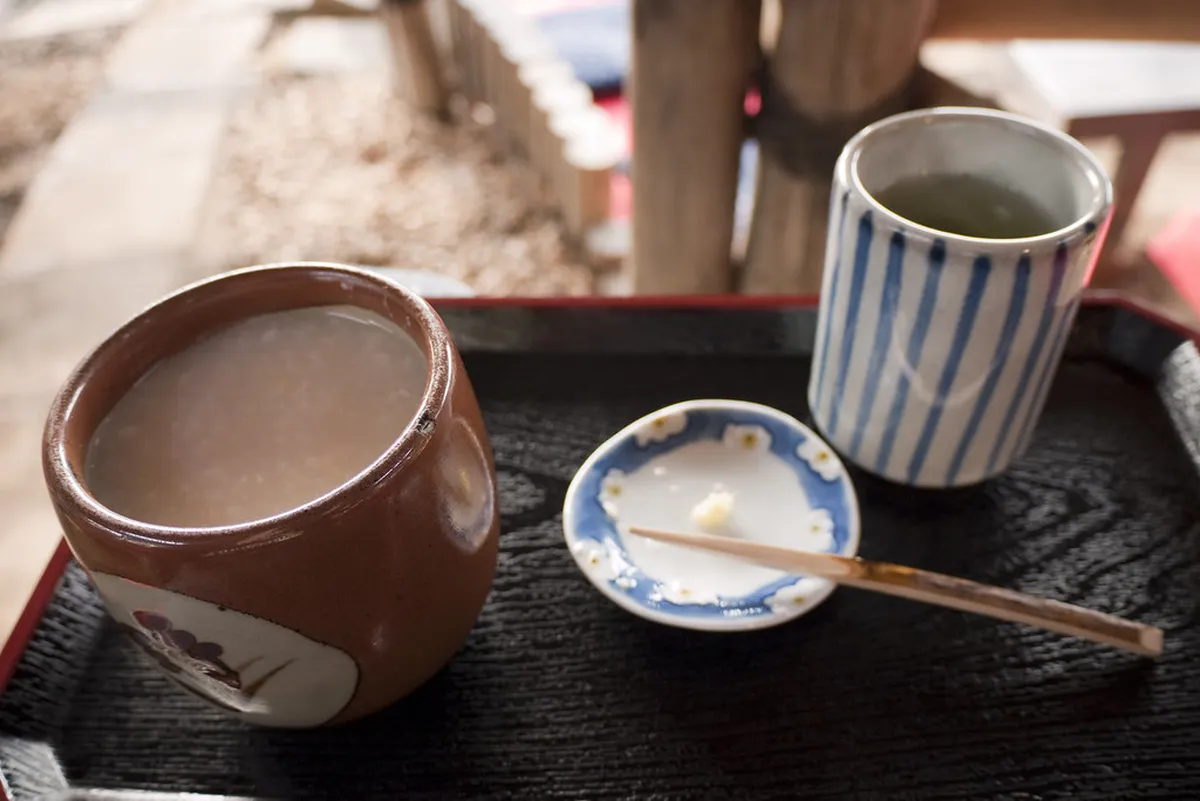
Table of Contents
Discover the Best Kamakura Winter Foods for a Cozy Trip
Kamakura offers a unique culinary adventure during the colder months of 2026. This seaside city transforms into a quiet winter wonderland. You can enjoy the fresh ocean air while tasting warm delicacies. The Best Kamakura winter foods help you stay cozy between temple visits.
The local food scene focuses on seasonal ingredients and traditional warmth. You will find many small shops serving steaming bowls and hot snacks. These dishes reflect the rich cultural history of the Kanagawa region. Prepare to explore hidden alleys and busy streets for the best meals.
Visiting Kamakura in winter is also much less crowded than summer. You can find seats at popular restaurants with shorter wait times. This makes it the perfect season for a deep food tour. Let us look at the top dishes you must experience here.
Warm Shirasu Specialty Bowls
For official information, visit Lonely Planet Kamakura Guide.
For official information, visit UNESCO World Heritage Centre - Kamakura.
Kamakura is famous for shirasu, which are tiny whitebait fish. Most tourists eat them raw during the sunny summer months. However, winter calls for the warm and fluffy steamed version. This cooking method brings out a sweet and delicate sea flavor.The steamed shirasu sits on a large bowl of hot white rice. Chefs often add freshly grated ginger and chopped green onions on top. The heat from the rice makes the fish aroma very inviting. It is a light yet incredibly satisfying winter lunch choice.
You can find many places where to eat hot shirasu bowls in Kamakura near the station. These restaurants often provide a side of hot miso soup. This combination helps balance the saltiness of the fresh fish perfectly. Expect to pay between 1,200 and 1,800 yen for a set.
Most shops open around 11:00 AM for the lunch rush. It is best to arrive early to secure a comfortable window seat. You can watch the winter clouds while enjoying your hot meal. The quality of the fish remains excellent throughout February and March.
Hot Street Food on Komachi-dori Street
Komachi-dori is the most popular shopping street in the entire city. It is the best place to find quick and hot winter snacks. The air here smells like grilled dough and sweet roasted vegetables. You can walk and eat while exploring the many boutique shops.
One must-try snack is the famous Kamakura croquette. These deep-fried delights come with various fillings like beef or purple potato. The crispy outer shell protects a steaming and soft interior. They typically cost only 250 to 400 yen each at local stalls.
You should also follow our street food guide for Komachi-dori street in winter for more tips. Try the grilled dango brushed with warm sea bream or soy glaze. These chewy rice dumplings are a staple of Japanese winter street food. They provide a quick energy boost during your chilly walking tour.
- Kamakura Beef Croquettes: Hot, crispy, and savory snacks.
- Grilled Dango: Sweet or salty skewers served warm.
- Hot Fish Cakes: Steamed seafood treats on a stick.
- Steam Buns: Soft bread filled with warm meat or vegetables.
Most stalls operate from 10:00 AM until 6:00 PM daily. Bring small change like 100-yen coins for easier and faster transactions. Remember to eat your snacks near the stall to keep the street clean. This area is very lively during the winter weekends in 2026.
Traditional Teahouses and Warm Red Bean Soup
Winter is the ideal time to visit a quiet Japanese teahouse. Many of these historical buildings are located near the Great Buddha. They offer a peaceful escape from the cold winter wind outside. You can sit on tatami mats and enjoy the garden views.
Zenzai is an essential winter dessert that you will truly love. It is a sweet soup made from simmered red azuki beans. The soup is served hot with toasted mochi rice cakes inside. Each bite of the chewy mochi provides warmth and comfort.
You can check the best traditional teahouses for hot matcha in Kamakura for your visit. High-quality matcha is whisked until it becomes frothy and bright green. The bitter tea balances the sweetness of the red bean dessert beautifully. This pairing is a classic Japanese winter cultural experience.
A typical tea set costs between 800 and 1,500 yen per person. Most teahouses operate from 10:00 AM until about 4:30 PM in winter. They offer a slow pace that fits the quiet winter season. Use this time to reflect on your 2026 travel adventures.
Top Ramen and Steaming Vegetable Soups
💡 Pro Tip: Book your Kamakura adventures in advance through Viator for the best deals!
Ramen is a universally loved comfort food for the cold winter months. Kamakura has several shops that specialize in unique local broth styles. Some use seafood bases while others prefer a rich soy sauce flavor. A hot bowl of noodles is the ultimate way to warm up.
You should visit the top-rated ramen shops for winter in Kamakura for the best noodles. Look for shops that offer seasonal toppings like winter leeks. The thick noodles and fatty pork slices will keep you full all day. Most bowls range from 900 to 1,300 yen in price.
Kencho-ji Temple is the birthplace of a special soup called kenchin-jiru. This is a hearty vegetable soup made with radish, carrot, and tofu. It contains no meat but is incredibly savory and very warming. Local restaurants near the temple still serve this traditional monastic recipe.
The soup is often seasoned with soy sauce and toasted sesame oil. It represents the simple and healthy lifestyle of the local monks. Eating this soup connects you to the deep spiritual roots of Kamakura. It is especially delicious when the winter frost is on the ground.
Hearty Winter Hot Pot and Seasonal Vegetables
Dinner in Kamakura during winter should always involve a hot pot. This dining style is called Nabe and is meant for sharing. You cook fresh meat and vegetables in a simmering pot on your table. It creates a cozy and social atmosphere for your traveling group.
Many cozy restaurants serving winter hot pot in Kamakura use local produce. Kamakura vegetables, known as Kamakura Yasai, are famous for their high quality. During winter, you will find sweet carrots, daikon radish, and leafy greens. These items are picked fresh from local farms every morning.
You can choose from different broth types like miso or spicy kimchi. Some restaurants even offer shabu-shabu with thin slices of local pork. This meal takes about one hour to enjoy at a slow pace. It is a great way to end a day of sightseeing.
Prices for hot pot sets usually start at 2,500 yen per person. Many places require a reservation for dinner groups during the holidays. The steam from the pot will quickly defrost your cold hands. It is the signature social meal for the winter season.
Frequently Asked Questions
What are the most famous Kamakura winter foods for tourists?
The most famous foods are steamed shirasu bowls and Kenchin-jiru vegetable soup. You should also try hot croquettes on Komachi-dori street. These dishes are warm, local, and very filling for winter diners.
Are restaurants in Kamakura expensive during the winter season?
Dining costs in Kamakura are generally moderate for most travelers. Street snacks cost under 500 yen while lunch sets are 1,500 yen. Dinner hot pots are the most expensive but provide great value. You can find many affordable options near the main train station.
Is it necessary to book restaurants in Kamakura during winter 2026?
Lunch spots rarely require bookings unless you are a large group. However, dinner reservations are highly recommended for hot pot or kaiseki restaurants. Winter weekends can still be busy with local visitors from Tokyo. Booking ahead ensures you stay warm and avoid long outdoor waits.
Kamakura is a food lover's paradise even in the chill of winter. From steamed fish to hot matcha, every meal offers a unique comfort. Plan your 2026 trip to include these warming and delicious local specialties. You will find that the cold weather only enhances the flavors of Japan. Enjoy your cozy winter food tour through this beautiful coastal city today!
Key Takeaways
- Try steamed shirasu instead of raw for a warm winter lunch.
- Visit Komachi-dori for affordable and hot street snacks like beef croquettes.
- Warm up in a traditional teahouse with hot matcha and red bean soup.
- Taste the historical Kenchin-jiru vegetable soup near Kencho-ji Temple.