
Hasedera Temple Special Night Entry for Winter Lights
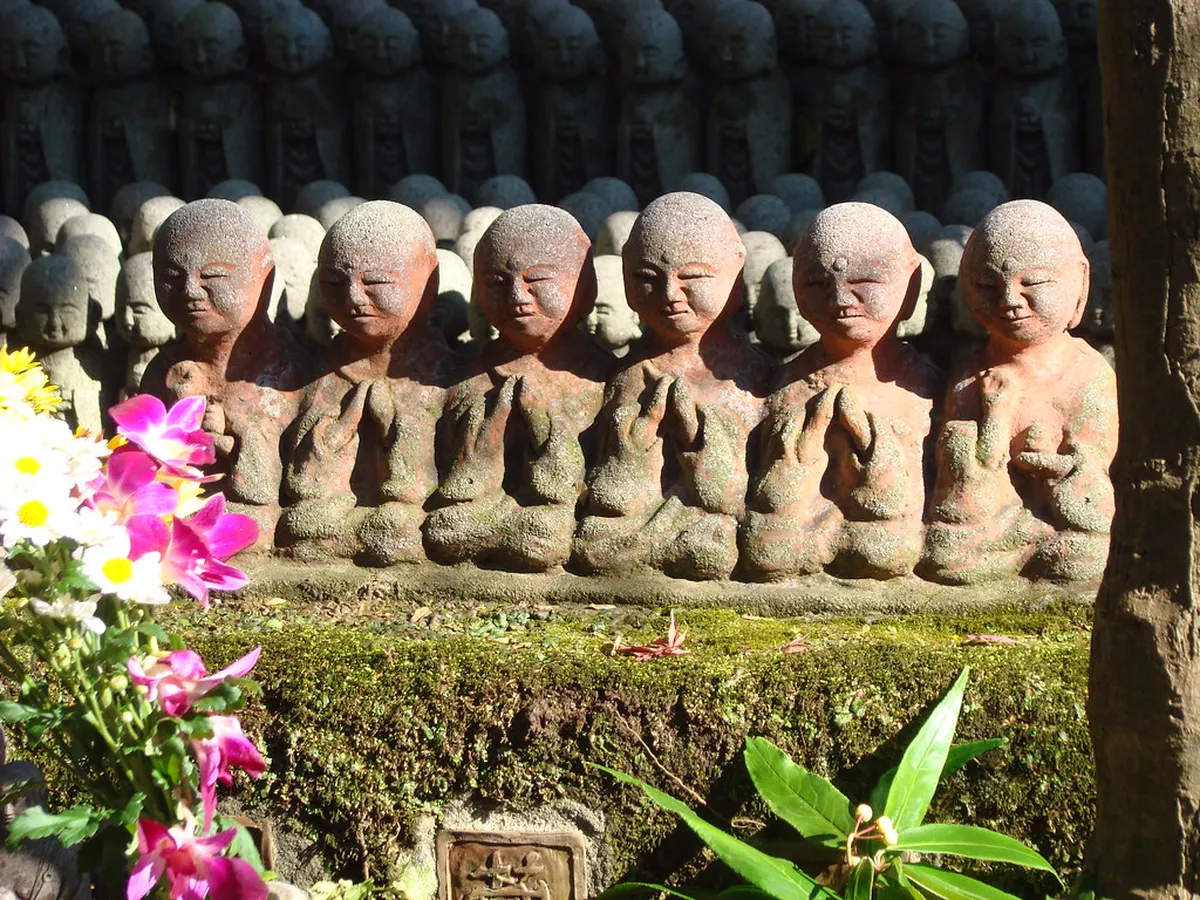
Table of Contents
Guide to Hasedera Temple Special Night Entry for Winter Lights
Experience the Hasedera temple special night entry for winter lights this coming season in Kamakura. This historic temple transforms into a glowing wonderland during the cold winter months of 2026. Guests stroll through gardens lit by thousands of soft, colorful lanterns and bright LED displays. It is a top choice among Kamakura winter illumination spots for visitors recently.
The temple sits on a hill overlooking the peaceful Sagami Bay. During the special night entry, the famous hydrangea paths glow with seasonal colors. The atmosphere is quiet and respectful despite the many camera-wielding tourists nearby. Planning your visit requires checking specific dates as the event only runs briefly. Modern travelers enjoy this blend of ancient Buddhist architecture and modern lighting technology.
Dates for Hasedera Temple Special Night Entry for Winter Lights
You can find the latest updates on Kamakura City Official Website.
You can find the latest updates on Japan National Tourism Organization.
The special night entry typically occurs from late November through early December each year. For 2026, the event usually begins at 4:30 PM daily after regular hours end. The last entry for visitors is strictly set at 7:30 PM most evenings. The temple gates finally close to all guests at 8:00 PM precisely.Consult our detailed Kamakura winter travel guide 2026 for exact opening announcements. Weekend evenings often draw the largest crowds of local residents and international tourists. Weekdays offer a much quieter experience for those seeking peace and better photos. The weather in Kamakura during these weeks stays chilly but usually remain very dry.
Sunset in Kamakura occurs early during the winter months of November and December. Arriving just before 5:00 PM allows you to see the lights slowly brighten. You can watch the sky turn deep blue behind the illuminated temple roofs. This timing provides the best balance for seeing the garden details clearly. Bring a heavy coat because the hilltop wind can feel quite sharp.
Please note that the temple may cancel evening events due to heavy rain. Check the official Hasedera website on the day of your planned visit for updates. Most displays remain active even during light misting or very light snow showers. The misty air actually enhances the glow of the lanterns across the ponds. Always carry a small umbrella just in case the coastal weather shifts.
Booking Tickets and Entry Costs for 2026
Entry fees for the special night event are separate from daytime temple admission tickets. Adults can expect to pay approximately 400 to 600 yen for evening access. Children under twelve typically enjoy a reduced rate of 200 yen per person. These prices remain very affordable compared to other major light shows in Japan. Always carry Japanese Yen because small ticket booths may not accept credit cards.
You do not usually need to book tickets far in advance for this event. Most visitors purchase their entry passes directly at the main gate upon arrival. However, arriving early helps you avoid long queues at the ticket vending machines. The staff is very efficient at moving large groups through the temple gates. Follow the marked signs to the evening entry queue to save time.
The ticket includes access to the main temple grounds and the famous viewing platform. Some specific museum buildings inside the complex may stay closed during evening hours. The main Kannon-do hall usually remains open for quiet prayer and respectful viewing. Your ticket fee helps maintain the beautiful gardens and historic wooden structures throughout the year. Keep your ticket stub as you might need it for re-entry.
Consider using an IC card like Suica or Pasmo if the machines allow it. Digital payment options are slowly becoming more common at major Kamakura tourist sites. Confirm your payment method with the staff before joining the main ticket line. Group discounts are rarely offered for these special seasonal evening events. Budget around 1,000 yen per person to cover entry and small snacks.
Best Viewing Locations Within Hasedera Grounds
The viewing platform offers the most spectacular sight of the entire illumination event. From here, you can see the glowing temple rooftops against the dark ocean waves. The lights of Kamakura city sparkle in the distance below the temple hill. It is the perfect spot for capturing wide-angle shots of the winter night. Expect crowds at this specific location during the peak sunset hour.
The lower garden pond provides beautiful reflections of the surrounding trees and lanterns. Maples and ginkgo trees are often lit from below to highlight their vibrant colors. Walking around the pond allows you to see the lights from many different angles. The water remains still, creating a mirror effect for your evening photography. This area feels more intimate and quiet than the higher platforms.
Follow the winding stairs up to the Kannon-do hall for a majestic view. The massive golden Kannon statue looks particularly impressive under the soft evening spotlights. This area is sacred, so please maintain a respectful silence while exploring the hall. The incense smoke creates a mystical atmosphere when caught in the beams of light. Many people stop here to offer a short prayer for the new year.
Do not miss the small Jizo statues tucked away in the shadows of the garden. Many of these stone figures wear small red hats and bibs for the winter. Low-level lighting makes them appear friendly and protective in the dark garden corners. They provide excellent subjects for close-up photography if you have a steady hand. These hidden details make Hasedera one of the most charming spots in Japan.
Travel Directions and Local Transport Tips
🌟 Local Expert Tip: Get the most out of your Kamakura visit with guided tours!
Reaching Hasedera is simple if you use the charming Enoden electric railway line. Board the train at Kamakura Station and ride for approximately five minutes. Get off at Hase Station, which is only three stops away from the terminal. From Hase Station, the walk to the temple takes about five minutes. Clear signs in English and Japanese guide you through the local neighborhood.
Walking from the Kamakura Great Buddha site to Hasedera is also very easy. The two famous locations are only a ten-minute stroll away from each other. Visiting the Buddha in the afternoon before heading to the temple lights is wise. This allows you to maximize your time in the Hase district before dinner. Many small shops along the route stay open late during the illumination.
Traffic in Kamakura can become very congested during popular winter weekend events. Avoid taking taxis or local buses if you are traveling from Kamakura Station. The Enoden train is more reliable and much faster during peak tourist hours. Purchase a day pass if you plan to visit other nearby illumination spots. This saves you from buying individual tickets for every single short journey.
If you are coming from Tokyo, take the JR Yokosuka Line directly to Kamakura. The total journey time from Tokyo Station is roughly one hour and twenty minutes. Transfer to the Enoden line immediately upon arrival at the JR Kamakura station. This route is the most efficient way to reach the temple for an evening trip. Ensure you check the last train times for your return journey to Tokyo.
Essential Gear and Photography Advice
Capturing the beauty of the lights requires some basic knowledge of low-light settings. Use a wide aperture to let in as much natural light as possible. Tripods are often restricted in narrow temple paths due to the heavy evening crowds. Check out these photography tips for winter events to improve your shots. Keep your camera strap around your neck to prevent accidental drops on stone stairs.
Winter temperatures in Kamakura drop quickly once the sun goes down by 5:00 PM. Wear thermal base layers and a windproof jacket to stay warm while walking. Comfortable walking shoes are essential because the temple grounds have many steep stone steps. Some paths can be slippery if there is dew or light frost. Heat packs known as kairo are sold at local convenience stores for extra warmth.
The high contrast between bright lights and dark shadows can trick your camera sensors. Try using exposure compensation to keep the shadows dark and the lights crisp. Avoid using your camera flash as it ruins the soft ambiance of the lanterns. Modern smartphones often have excellent night modes that work well for these displays. Steady your arms against a railing to get sharper images without a bulky tripod.
Bring a spare battery for your digital camera or a portable phone charger. Cold weather causes batteries to drain much faster than they do in the summer. Keep your spare batteries inside a warm pocket close to your body heat. This ensures they are ready to use when your primary power source runs low. You will want plenty of juice to document every glowing corner of Hasedera.
Frequently Asked Questions
💡 Pro Tip: Book your Kamakura adventures in advance through Viator for the best deals!
Is the Hasedera night entry open every day in winter?
No, the special night entry only runs for a specific two-week period. It usually starts in late November and ends by early December each year. Always verify the current 2026 dates on the official Hasedera temple website. The event may be cancelled during periods of very heavy rain or snow.
Can I use my daytime ticket for the evening illumination?
Usually, you cannot use a daytime admission ticket for the special evening entry. The temple clears all guests out briefly before the night event begins at 4:30 PM. You must purchase a separate evening ticket at the gate for night access. This helps the staff manage the specific crowds for the light show.
Are tripods allowed for photography during the night entry?
Tripods are generally discouraged or banned on the narrow paths during busy weekend nights. Using a tripod can block other visitors and create safety hazards on the stairs. It is best to bring a camera with good image stabilization for handheld shots. Always follow the instructions of the temple staff regarding camera equipment use.
How long does it take to see the Hasedera winter lights?
Most visitors spend between sixty and ninety minutes exploring the illuminated temple grounds. This gives you enough time to see the gardens and the main viewing platform. If you enjoy photography, you might want to allow for two full hours. The steep stairs mean you should walk slowly and carefully in the dark.
The Hasedera temple special night entry for winter lights is a must-see event in 2026. It offers a rare chance to see ancient Japanese architecture in a new light. Plan your trip for a weekday to enjoy the most peaceful experience possible. Wear warm clothing and prepare your camera for a truly magical evening in Kamakura.
Key Takeaways
- Arrive around 4:30 PM to catch the best transition from sunset to night.
- Brings at least 1,000 yen in cash for tickets and small local snacks.
- Use the Enoden line to Hase Station for the fastest travel route.
- Dress in layers and use heat packs to stay warm in the sea breeze.
Related reads: polarcityguide.com, best winter light displays at enoshima sea candle, where to see christmas lights in kamakura city.