
Kamakura Winter Transportation Tips for 2026 Trips
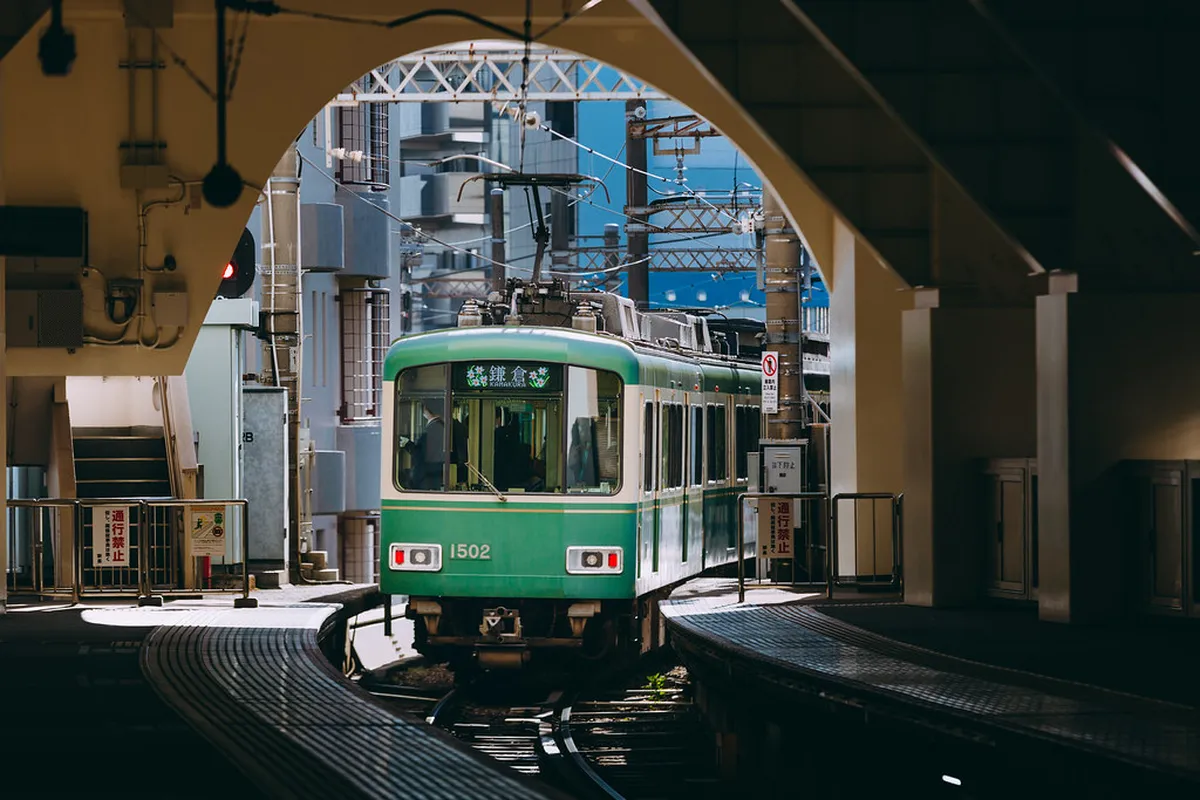
Table of Contents
Essential Kamakura Winter Transportation Tips for Travelers
Visiting Kamakura during the winter months of 2026 provides a truly serene and magical Japanese coastal experience. You must understand several Kamakura winter transportation tips to navigate the city effectively during the cold season. This guide covers everything from historic train lines to efficient local bus routes for your winter adventure.
Planning your transport in advance will save you valuable time and keep you warm between the temples. You can easily reach this coastal gem from Tokyo using a variety of reliable and affordable train services. Let us explore the best ways to move around this historic city while staying comfortable in the crisp winter air.
Efficient Ways to Reach Kamakura from Tokyo
To plan your trip, review Kamakura official info.
You can find the latest updates on Early Morning.
Starting your journey from Tokyo to Kamakura is very simple if you choose the most direct train routes. The JR Yokosuka Line offers a frequent and fast connection from Tokyo Station to Kamakura in about one hour. A one-way ticket costs approximately 950 yen for an adult traveler during the winter season of 2026.You may also consider taking the Shonan-Shinjuku Line from Shinjuku or Shibuya stations for a very convenient transit. This route typically takes about 60 minutes and provides a comfortable ride through the scenic outskirts of Tokyo. Always check the digital train boards at the station to ensure you board the correct southbound rapid train.
Another great option involves the Odakyu Railway which departs from Shinjuku Station and connects through Fujisawa station. This route often takes slightly longer but can be cheaper if you purchase a special excursion ticket pass. These trains are usually less crowded during the early weekday mornings in the chilly winter months.
Traveling by train allows you to see the changing landscape as you move toward the beautiful Sagami Bay coast. Make sure to keep your tickets handy as you exit the gates at the main Kamakura JR station. Most travelers find that the JR lines are the most reliable method for visiting during the cold season.
Mastering the Historic Enoden Railway Line
The Enoden Railway is a charming green train and an iconic symbol of the entire coastal Kamakura region. This historic line connects Kamakura Station with Hase and the popular Enoshima island area through very scenic coastal tracks. You will enjoy spectacular views of the Pacific Ocean and the majestic Mount Fuji on clear winter days.
If you plan several stops, you should learn how to use the Enoden pass in winter for maximum savings. The Noriorikun day pass costs 800 yen and allows for unlimited rides throughout the entire railway network. This pass is especially valuable when visiting multiple temples like Hase-dera and the famous Great Buddha statue.
The Enoden trains are heated beautifully during the winter to keep passengers warm as they travel between sites. You will notice that the train carriages are smaller and offer a cozy, nostalgic atmosphere for every traveler. Be aware that the stations can feel quite windy because they are located very close to the ocean.
During the 2026 winter season, these trains typically run every twelve minutes during the peak daylight hours. Try to grab a seat at the very front or back of the train for the best photographs. The Enoden provides a unique perspective of the local neighborhoods and narrow streets of this ancient capital.
Navigating Local Buses and Using IC Cards
Buses are often the most practical way to reach the secluded mountainside temples located far from train stations. Large bus terminals are situated conveniently at both the East and West exits of the main Kamakura Station. You can take the Keikyu or Enoden buses to reach sites like Hokokuji or the Zuisenji temple area.
We highly recommend using IC cards for transport around Kamakura city to avoid fumbling with small coins. Cards like Suica or Pasmo work seamlessly on all local buses and also on Every train line available. Simply tap your card on the reader when entering and exiting to pay the correct fare automatically.
Most bus rides within the central city area cost a flat rate of approximately 210 yen for adults. The buses are very punctual and follow a strict schedule that is posted clearly at every bus stop. Digital displays inside the buses provide stop names in English for the convenience of international 2026 tourists.
Taking the bus allows you to rest your legs after walking through the extensive temple grounds and gardens. The modern bus fleet is well-heated and provides a safe refuge from the biting winter winds near the hills. Remember to check the time of the last bus when visiting temples located in the deeper valleys.
Walking Trails Versus Taking Local Taxis
⭐ Recommendation: Don't miss out on amazing Kamakura tours - book now!
Kamakura is a very walkable city, but you must decide between walking versus taking taxis in Kamakura winter weather carefully. Walking allows you to discover hidden cafes and small shrines tucked away in the narrow residential alleyways. However, the winter wind coming off the ocean can make long walks feel much colder than expected.
Taxis are readily available at the station entrance and near the most popular tourist attractions throughout the day. A short taxi ride usually starts at a base fare of around 500 to 700 yen in 2026. This is an excellent option for groups of three or four people who want to stay warm.
If you choose to walk, ensure you wear sturdy shoes and dress in several warm, breathable layers. The walking paths between the major shrines are well-marked but can sometimes be slippery if frost is present. Many visitors enjoy the brisk walk from the station to the Tsurugaoka Hachimangu Shrine along Komachi-dori.
Taxis can take complex routes that buses cannot navigate, which might save you a significant amount of travel time. Most local taxi drivers are very professional and may even offer short tips about the local history. Using a taxi is often the best choice for travelers with limited mobility or heavy winter luggage.
Cycling Tours and Rental Bike Safety
Many tourists consider renting a bicycle in Kamakura during winter months to explore the coastline at their own pace. Several rental shops are located within a two-minute walk from the East exit of Kamakura Station. A standard city bike usually costs about 1,600 yen for a full day of independent coastal exploration.
Cycling provides the freedom to visit smaller seaside villages like Koshigoe that are often missed by casual train travelers. You should wear gloves and a warm hat because the wind chill is significant when riding near the water. The coastal road offers flat paths that are generally easy to navigate for most levels of cyclists.
Always park your rented bicycle in the designated parking zones located near the entrances of the major temples. Most temples prohibit cycling inside the sacred grounds to ensure the safety and peace of all religious visitors. Be careful of domestic traffic on the narrow historic streets while you are enjoying your winter cycling tour.
Electric-assist bicycles are also available for a slightly higher daily rate of about 2,500 yen in 2026. These are perfect for tackling the various small hills that lead up to the scenic mountain hiking trails. Ensure your bike has working lights for the shorter winter days when the sun sets much earlier.
Best Strategies for Avoiding Winter Crowds
Developing a plan for avoiding winter crowds on Kamakura public transportation will make your trip much more enjoyable. Arriving at Kamakura Station before 9:00 AM allows you to see the most famous sites before groups arrive. The Enoden line is notoriously busy during the middle of the day, especially on weekends and public holidays.
Try to visit the inland mountain temples during the early afternoon when most people are gathered near the beach. The winter light is spectacular for photography between 2:00 PM and 4:00 PM throughout the city of Kamakura. Mid-week visits are typically much quieter than trips planned for Saturdays or Sundays in the winter season.
You should be aware that the New Year period from January 1st to 3rd is exceptionally crowded here. Millions of people visit the shrines during this time, making public transport very slow and difficult to navigate. If you enjoy peace and quiet, avoid these specific dates for your 2026 winter transportation planning.
Using the local bus system instead of the popular Enoden can often help you bypass the largest tourist throngs. Many buses run parallel routes to the train tracks but are used mostly by the local Japanese residents. Staying late into the evening also allows you to enjoy the illuminated streets after the day-trippers return.
Frequently Asked Questions
Which train pass is best for Kamakura winter travel?
The Enoden Noriorikun pass remains the best value for visitors staying within the central coastal area of Kamakura. If you are coming from Tokyo, consider the JR Kamakura-Enoshima Pass for a comprehensive transport solution. These passes help you save money while providing total flexibility for your 2026 winter day trip.
Are buses in Kamakura frequent during the winter?
Yes, the bus service remains very frequent and reliable throughout the entire winter season in Kamakura. Most major routes operate every 10 to 20 minutes from the main station terminals during the daylight hours. Always check the digital schedules to see if there are any specific winter holiday service adjustments.
Can I use my smartphone to pay for transport?
You can use mobile IC cards like Apple Pay Suica or mobile Pasmo on your smartphone for all transport. This is the fastest way to pay for trains and buses throughout the city during your winter visit. Ensure your device is charged and the mobile wallet is active before you board any public vehicle.
Mastering these Kamakura winter transportation tips will ensure your 2026 trip is smooth and very memorable. Whether you choose the nostalgic Enoden train or a convenient local taxi, navigating this historic city is simple. Take your time to enjoy the crisp ocean air and the stunning winter views of this ancient capital.
Key Takeaways
💡 Pro Tip: Book your Kamakura adventures in advance through Viator for the best deals!
- Buy an IC card like Suica for seamless payments on all Kamakura buses and trains.
- Use the Enoden day pass for 800 yen to save money when visiting coastal shrines.
- Arrival before 9:00 AM is the best way to avoid heavy crowds on public transport.
Related reads: polarcityguide.com.