
Visiting Tsurugaoka Hachimangu for New Year Prayers
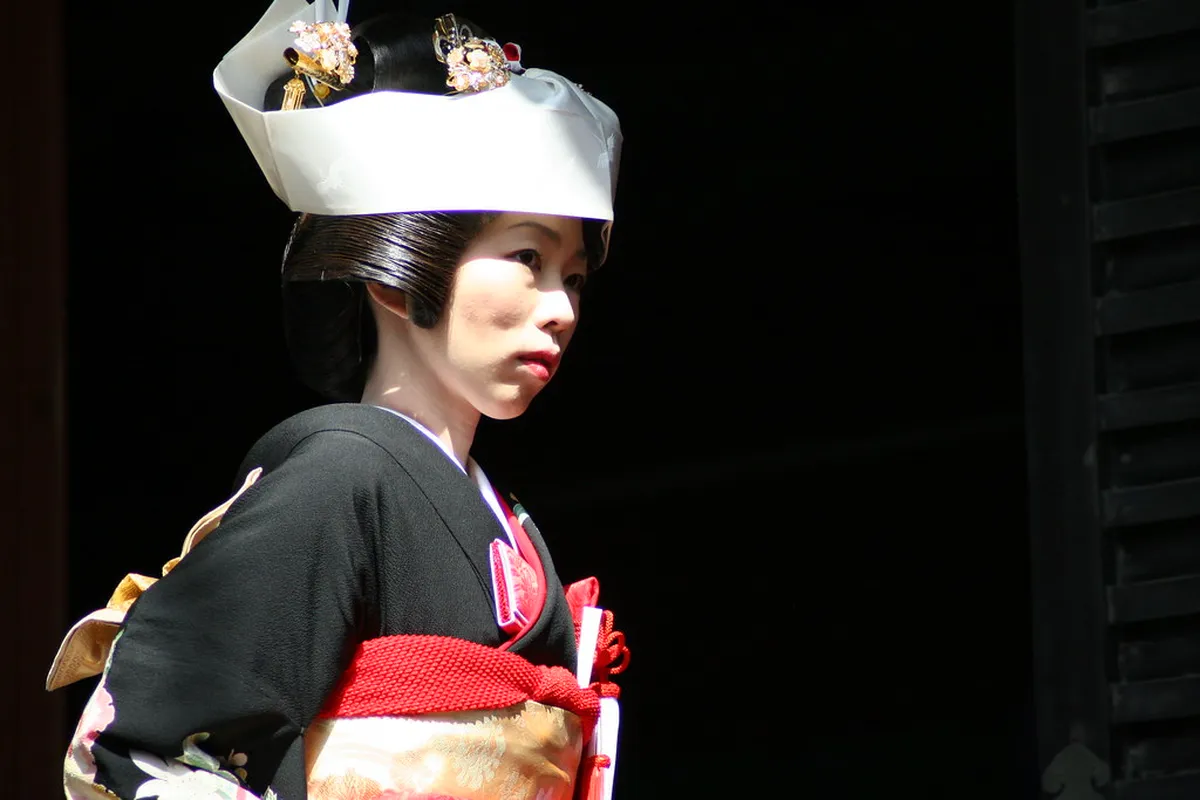
Table of Contents
Guide to Visiting Tsurugaoka Hachimangu for New Year Prayers
Visiting Tsurugaoka Hachimangu for New Year prayers is a sacred Japanese tradition. Thousands of people travel to Kamakura every January for this event. This ritual is known as Hatsumode in the local language. It marks the first shrine visit of the calendar year.
The shrine stands as the spiritual heart of the city. It offers a powerful atmosphere for making New Year wishes. You will experience deep cultural roots and historical beauty here. Many visitors include this stop in their broader Kamakura winter activities guide plans.
Early January 2026 is an ideal time for your visit. The weather stays cool but usually remains dry and bright. You can join locals in praying for health and prosperity. This guide provides everything you need for a successful visit.
The Significance of Hatsumode in 2026
Hatsumode is the most important spiritual event in Japan. People visit shrines to thank the deities for the past year. They also ask for protection and luck in the coming year. Tsurugaoka Hachimangu is one of the most popular sites for this.
The shrine honors the tutelary god of the Minamoto clan. This history gives the site a grand and noble feeling. In 2026, the shrine expects millions of visitors over three days. You will see people wearing traditional colorful kimonos during their visit.
The energy at the shrine is vibrant and very welcoming. Large white lanterns illuminate the paths leading to the main hall. Scented incense smoke fills the air near the purification fountain. Participating in these rituals connects you to centuries of Japanese history.
You can observe many beautiful decorations around the sacred grounds. Large pine and bamboo displays stand at the main entrance. These traditional kadomatsu welcome the spirits of the new year. Seeing them adds to the festive and holy atmosphere of Kamakura.
Best Times for Your New Year Prayer
Timing is a critical factor for a pleasant visit. The shrine stays open for 24 hours starting January first. Many people arrive at midnight to be the very first visitors. These hours are the busiest and most crowded of the year.
Wait times can exceed two hours during the peak times. For a calmer experience, visit on January second or third. Early mornings between 6:00 AM and 8:00 AM are usually quieter. You will find shorter lines for prayers and charm purchases.
Check the Kamakura winter travel guide 2026 for updated train schedules. Trains often run through the night on New Year's Eve. This allows you to arrive in Kamakura long before dawn breaks. Public transport remains the best way to reach the shrine area.
The late afternoon also offers a unique and beautiful perspective. As the sun sets, the lanterns glow against the sky. The temperature drops quickly once the daylight begins to fade. Be sure to dress in warm layers for late-day visits.
How to Perform the New Year Prayer Ritual
Start by walking up the long Dankazura approach path. This stone walkway leads the way from the station area. Enter through the massive vermillion torii gate at the entrance. Walk on the sides of the path to show respect.
Stop at the chozuya fountain before you reach the stairs. Use the wooden ladle to wash your hands carefully. Rinse your mouth but do not touch the ladle directly. This physical cleaning prepares your spirit for the holy prayer.
Climb the grand stone stairs to reach the senior shrine. Approach the offering box and toss a small coin inside. Most people use a five-yen coin for good luck. Bow twice deeply to show your respect to the deity.
Clap your hands twice to announce your presence to the gods. Keep your hands together and offer a silent personal prayer. Finish the ritual with one final deep bow before leaving. This respectful etiquette is appreciated by all local shrine visitors.
Observe others if you feel unsure about the specific steps. The process is simple but carries a lot of meaning. Everyone follows the same rhythm during these busy New Year days. It creates a powerful sense of community and shared hope.
Omikuji Fortunes and Traditional Good Luck Charms
🌟 Local Expert Tip: Get the most out of your Kamakura visit with guided tours!
Many visitors choose to buy an omikuji after their prayer. These are small paper slips that tell your annual fortune. You pay about 100 to 200 yen for one slip. They range from great luck to some bad luck news.
If you receive a bad fortune, do not worry. Tie the paper to the designated metal racks nearby. This act leaves the bad luck at the shrine grounds. If you get good luck, keep the paper with you.
You can also purchase a hamaya or sacred wooden arrow. These arrows are meant to ward off evil spirits. They cost roughly 1,000 to 2,000 yen depending on size. Many families keep them in their homes throughout the year.
Look for ema boards near the secondary shrine buildings. You can write your specific wishes on these wooden plaques. Hang them on the collective racks for the gods to see. Reading other people's wishes reveals common hopes for world peace.
Practical Tips for Your Winter Visit
Kamakura can be quite cold during the first week of January. Wear thermal clothing and bring portable heat packs for hands. Standing in line for a long time requires warm footwear. Thick socks and insulated boots are highly recommended for comfort.
Carry enough cash in yen for offerings and local snacks. Small shops and food stalls often do not take cards. Most omikuji and charms are cash-only transactions within the shrine. Having coins ready will make your experience much smoother and faster.
Use the restroom before you join the main entrance lines. Facilities at the shrine can have very long wait times. Public restrooms near Kamakura Station are a good last stop. This preparation prevents discomfort while you wait for your prayer turn.
Keep your personal belongings secure in the thick holiday crowds. Pickpockets are rare in Japan but crowds attract many people. Use a crossbody bag and keep it in front. This ensures you can focus entirely on the spiritual experience.
Nearby Attractions After Your Prayer
💡 Pro Tip: Book your Kamakura adventures in advance through Viator for the best deals!
After your prayer, enjoy the seasonal food at local stalls. You can find grilled mochi and warm amazake nearby. Amazake is a traditional sweet rice drink served hot. It helps you warm up after a cold morning visit.
Walk down Komachi-dori street for some unique winter shopping opportunities. This street is famous for its boutiques and craft shops. You might find limited edition New Year snacks and souvenirs. It is a great place to find local Kamakura gifts.
Consider visiting the best places to see winter peonies in Kamakura nearby. These flowers are protected by straw capes against the frost. They offer a beautiful and calm contrast to the shrine. The peony garden provides a quiet escape from the crowds.
The walk back to the station takes about ten minutes. You can enjoy the festive storefronts along the main road. Many restaurants offer special New Year menus during this period. Try a bowl of hot soba noodles for lunch.
Frequently Asked Questions
What should I wear for New Year prayers in Kamakura?
Wear warm, layered clothing and comfortable walking shoes for January. Temperatures often stay between 5°C and 10°C during the day. Many locals wear traditional kimonos, but casual winter attire is perfect. Bring gloves and a scarf for the long outdoor lines.
How much money should I bring for the shrine visit?
Bring around 5,000 yen in cash for various small expenses. You will need coins for offerings and 1,000 yen for charms. Food stalls typically charge between 500 and 1,000 yen per item. Most shrine facilities do not accept credit or debit cards.
Is Tsurugaoka Hachimangu open all night on New Year's Eve?
Yes, the shrine is open 24 hours from December 31st. It remains open through the night into the first of January. This allows visitors to pray at the very start of the year. Expect the largest crowds between 11:00 PM and 3:00 AM.
Can non-Japanese visitors participate in New Year prayers?
Everyone is welcome to participate in the Hatsumode traditions and prayers. The shrine is open to people of all backgrounds and faiths. Simply follow the local etiquette regarding bowing and hand clapping rituals. Most signs around the complex include English for international travelers.
Visiting Tsurugaoka Hachimangu for New Year prayers is a memorable life experience. It offers a rare window into the spiritual heart of Japan. Plan your trip early to ensure a smooth and joyful visit. May your 2026 be filled with great luck and health.
Key Takeaways
- Arrive early in the morning on January 2nd or 3rd to avoid peak crowds.
- Follow the bow-bow-clap-clap-bow ritual for a traditional and respectful prayer.
- Carry cash for fortune slips, wooden charms, and street food during your visit.
Related reads: polarcityguide.com, watching winter sunset at enoshima island beach.