
Best Tea Houses in Higashi Chaya Kanazawa 2026
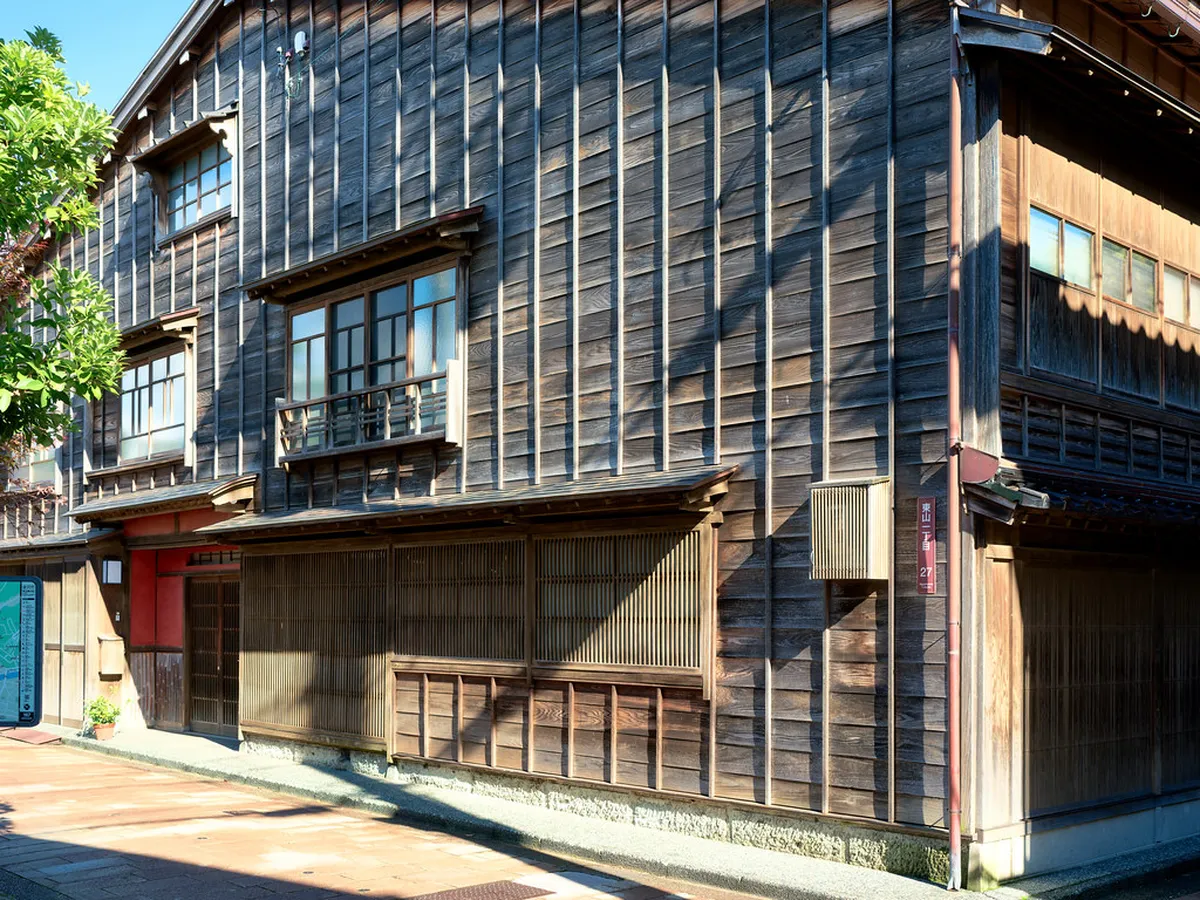
Table of Contents
Top Best Tea Houses in Higashi Chaya Kanazawa for Winter
Finding the best tea houses in Higashi Chaya Kanazawa is a winter highlight. The district feels magical when light snow covers the narrow streets. You can warm up with a bowl of hot matcha tea inside. These historic buildings offer a cozy escape from the cold Kanazawa air.
This district dates back to the Edo period starting in 1820. It was a place for high-class entertainment and music. Today, the wooden buildings house beautiful shops and traditional tea rooms. Exploring these sites is essential for any Higashi Chaya District winter walk in 2026.
You will enjoy the contrast of bitter tea and sweet treats. Local artisans make fresh wagashi sweets that change with the seasons. Each shop has a unique history and a different atmosphere. You can sit on soft tatami mats while looking at small gardens. The hospitality here makes every visitor feel like a special guest.
Walking through Kanazawa in winter requires frequent breaks to stay warm. The tea houses provide the perfect rest stops between your sightseeing goals. Most locations open around 9:00 AM and close before dinner time. Planning your route ensures you find the most historic spots available. Let us look at the top tea houses for your trip.
Shima Tea House: A Step Into Kanazawa History
To plan your trip, review Kanazawa City Official.
For the most up-to-date details, check Visit Kanazawa before you go.
Shima is a preserved tea house and a National Important Cultural Property. It serves as a living museum for curious visitors today. You can see how geishas performed for high-class guests long ago. The dark wood and sliding doors create a very peaceful atmosphere.The tea room at the back overlooks a small stone garden. In winter, the garden might have a delicate dusting of white snow. You can order a matcha set for approximately 700 to 800 yen. The staff serves the tea with a seasonal sugar sweet. The bitter green tea pairs perfectly with the sugary bean paste.
Visit the second floor to see the instruments used during performances. You will find shamisen and drums displayed in the historic rooms. Visitors must remove their shoes before entering the wooden building. Remember to wear warm socks because the old floors can feel cold. These rooms show the luxury of Kanazawa during the 19th century.
The interior lighting is soft and warm during the darker winter days. It creates a nostalgic feeling that transports you back in time. You can sit quietly and listen to the sound of boiling water. This experience is very different from a modern coffee shop. It is a slow and thoughtful way to enjoy your morning.
Photography is allowed in certain areas of this historic tea house. Please respect the rules regarding camera flashes and tripods inside. The building is usually open from 9:00 AM until 6:00 PM daily. Admission to the museum part costs about 500 yen per adult. Combining the museum tour with tea is a great value.
Kaikaro Tea House: Elegance and Geisha Tradition
Kaikaro is the largest and most prestigious tea house in the district. It features a stunning red staircase that catches your eye immediately. The building is over 200 years old and very well maintained. It still functions as an active geisha house during the evenings. Visitors can explore the luxurious rooms during the daylight hours.
The tea sets here are slightly more expensive but very high quality. You can try matcha dusted with genuine gold leaf flakes. This sparkly tea represents the famous local craft of Kanazawa city. Many people use photography tips for Higashi Chaya in snow to capture this tea. The gold shines brightly against the green tea color.
There is even a tea room decorated entirely with gold leaf. This room highlights the wealth and artistry of the local region. Kanazawa produces most of the gold leaf used in all of Japan. Seeing this room is a highlight for many international travelers in 2026. It feels like stepping into a gilded fairy tale world.
Kaikaro offers various sweets like kuzukiri which are clear starch noodles. These are served cold but refreshing after a long walk outside. You can also find warm seasonal desserts during the winter months. The service is polite and follows strict traditional Japanese rules. It is an excellent place to practice your polite manners.
The shop inside sells high-end souvenirs and gold leaf beauty products. You can buy unique gifts for friends and family back home. Entrance fees for the house are usually around 750 yen per person. Tea sets are sold separately from the tour admission price. This tea house is a must-visit for lovers of luxury.
Hakuichi: Best Tea Houses in Higashi Chaya Kanazawa for Gold
Hakuichi is world-famous for its gold leaf ice cream cones. Many tourists gather here even during the cold winter months. They want to try the shimmering gold foil on creamy soft-serve. However, Hakuichi also offers excellent hot tea options for chilly days. This shop blends modern retail with traditional tea culture perfectly.
The interior of the shop is bright and filled with gold crafts. You can watch artisans applying gold leaf to various small objects. The tea room section provides a quiet place to relax and sit. It is one of the best tea houses in Higashi Chaya Kanazawa for groups. The seating is comfortable and easy to access from the street.
Try the gold leaf coffee if you want a change from matcha. It provides a warm boost of energy for your winter exploration. The coffee comes with a small piece of gold-infused chocolate. These treats are very popular on social media and look amazing. You will love the festive feeling of eating and drinking gold.
The building itself was formerly a traditional public bathhouse long ago. You can see architectural details that hint at its past use. This history adds a layer of depth to your shopping experience. Modern screens display information about the local gold leaf industry today. It is an educational and delicious stop on your itinerary.
Prices for gold leaf treats start around 900 to 1,000 yen each. Gold leaf ice cream is their most iconic and popular item. They also sell beautiful boxes of tea as gifts for travelers. The shop is located near the main entrance of the district. This makes it a very convenient first stop for visitors.
Tea House Kurage: Modern Comfort in Old Japan
🌟 Local Expert Tip: Get the most out of your Kanazawa visit with guided tours!
Tea House Kurage offers a more contemporary take on the tea experience. The name translates to jellyfish but the vibe is very warm. It features large windows that look out onto the historic street. You can watch people walking by in their winter coats and kimonos. It is a fantastic spot for people-watching while staying warm.
The menu includes specialty teas from different regions across Japan. You can choose from roasted hojicha or fragrant jasmine tea blends. They also serve creative desserts that modernize traditional Japanese ingredients. The strawberry matcha cakes are common during the winter season in 2026. Every plate is decorated with great care and artistic flair.
The atmosphere inside Kurage is relaxed and very cozy for couples. You do not always need to sit on the floor here. They have western-style chairs and tables for guests who prefer them. This makes it a great choice for travelers with tired legs. The wooden interior feels very natural and helps you unwind quickly.
Service is friendly and they often provide English menus for tourists. This helps you understand the different types of tea available. The prices are reasonable and match the quality of the food. Expect to pay about 1,200 yen for a full tea set. It is a peaceful sanctuary away from the main crowds.
This tea house is tucked away on a slightly quieter side street. It offers a more private feeling than the large museum houses. You can spend an hour reading a book or planning routes. It is a hidden gem that many tourists forget to visit. Make sure to search for its blue sign in the district.
Saryo Kazumi: Seasonal Flavors and Quiet Vibes
Saryo Kazumi is a small tea house known for its wagashi. The owner creates artisanal sweets that change every single month. These sweets reflect the current weather and the blooming winter flowers. You might see a plum blossom design in late February. The attention to detail in these edible artworks is incredible.
The tea served here is whisked to create a thick foam. This traditional style of preparation makes the matcha taste very creamy. You can taste the high quality of the green tea powder. The cups used are handmade pottery from local Kanazawa workshops. Holding the warm ceramic bowl feels wonderful on a freezing day.
This shop is perfect for those who want a quiet experience. It does not allow large groups to maintain the calm environment. You will find mostly local people enjoying their afternoon tea here. The soft sound of the bamboo whisk is very soothing. It is the best place to find your inner peace.
Ordering is simple because they focus on a few key sets. Most visitors choose the standard matcha and seasonal sweet combination. The price is usually around 900 yen for the entire set. They also offer a delicious cold brew tea for warmer spirits. The quality remains consistent throughout the entire year of 2026.
The shop is located near the Kazuemachi Chaya district as well. You can walk across the bridge after you finish your tea. This allows you to see two historic areas in one afternoon. Saryo Kazumi provides a truly authentic look at Japanese hospitality. It is a memory you will cherish after your trip.
Practical Tips for a Cozy Kanazawa Winter Trip
Visiting tea houses requires some preparation to ensure you stay comfortable. Always check our Kanazawa winter travel guide 2026 for weather updates. The streets can be slippery when the snow begins to melt. Wear boots with good grip to avoid falling on the ice. Staying safe is the first step to an enjoyable walk.
Most traditional tea houses will ask you to remove your shoes. This is a sign of respect for the historic wooden floors. You should wear clean socks that are thick and very warm. Many places provide slippers but some areas are tatami mats only. Thick wool socks are your best friend during a Kanazawa winter.
Keep your voice low when you are inside these historic buildings. Many people visit these houses to enjoy the silence and peacefulness. It is common to bow slightly when you receive your tea bowl. Turn the bowl twice before you take your first small sip. These small gestures show your appreciation for the local culture.
Check the opening hours on social media or local maps before going. Some houses close for private events or geisha practices in winter. Most locations do not take reservations for regular tea service during the day. Arriving early in the morning helps you avoid the busiest tourist times. Mid-week visits are usually much quieter than the crowded weekend days.
Budget about 1,000 to 2,000 yen per person for each tea stop. Higher prices usually include a tour of the historic building itself. Buying a combined ticket can save you some money on your visit. Many shops now accept credit cards but carrying cash is safer. Small coins are helpful for paying entrance fees at the machines.
Frequently Asked Questions
What is the best time to visit tea houses in Higashi Chaya?
The best time to visit is between 10:00 AM and 11:30 AM. Most tour groups arrive in the early afternoon after lunch. Visiting in the morning offers a much quieter and calmer atmosphere. You will have better choices for seating near the garden windows.
Do I need to make a reservation for matcha tea?
You do not need a reservation for standard tea service in most houses. Walk-in customers are welcome throughout the day during standard business hours. If you want a private geisha performance, you must book ahead. These special events are usually held in the evenings for groups.
Are photos allowed inside the traditional tea houses?
Photography rules vary between the different tea houses in the district. Most allow photos of your tea and the garden from your seat. However, some museum areas strictly forbid cameras to protect the old wood. Always look for signs or ask the staff before taking pictures. Please do not take photos of people without asking permission.
Can I find vegan or gluten-free sweets in Higashi Chaya?
Many traditional wagashi sweets are naturally vegan and gluten-free for visitors. They are often made from rice flour, sugar, and sweetened bean paste. However, some seasonal treats may contain eggs or wheat for texture. Always ask the staff about ingredients if you have a specific allergy. They will do their best to help you choose safely.
Visiting the best tea houses in Higashi Chaya Kanazawa is a wonderful experience. You can enjoy the history, the art, and the delicious seasonal flavors. These quiet moments of warmth make your winter trip very memorable and special. We hope you enjoy every sip of your matcha during 2026. Start planning your journey by reading our other Kanazawa guides today!
Key Takeaways
🌟 Local Expert Tip: Get the most out of your Kanazawa visit with guided tours!
- Wear warm, clean socks for shoe-free zones.
- Budget 1,000 to 2,000 yen for a full set.
- Visit in the morning to avoid the crowds.
- Try the gold leaf tea for a unique treat.
- Respect the silence of the historic tea rooms.
Related reads: polarcityguide.com, winter evening walk in higashi chaya district, geisha performances in kanazawa during winter.