
Kanazawa Castle Park Indoor Exhibits Guide 2026
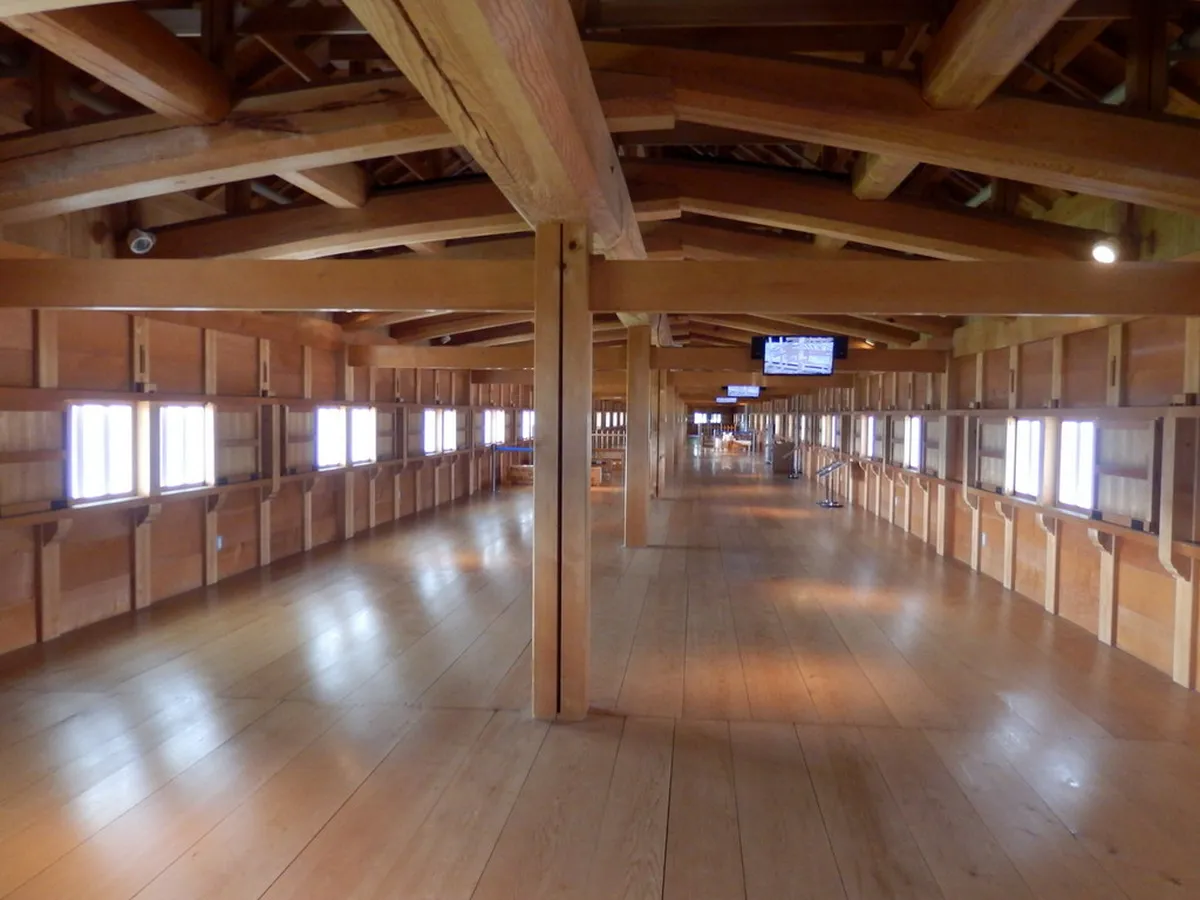
Table of Contents
Exploring the Kanazawa Castle Park Indoor Exhibits Guide
Kanazawa Castle Park stands as a symbol of samurai history in Japan. It offers a majestic escape for travelers during the snowy season. This guide explores the fascinating indoor exhibits found within the castle grounds. You can enjoy rich history while staying warm in the winter air.
Visiting the castle allows you to see traditional Japanese timber construction. These massive wooden structures were rebuilt using ancient techniques. You will find several long storehouses and tall turrets to explore today. The park provides an excellent mix of outdoor beauty and indoor warmth.
This Kanazawa Castle Park indoor exhibits guide highlights the best spots. We cover the main turrets, gates, and the massive Gojukken Nagaya storehouse. You will learn about protective walls and hidden defensive features. Detailed historical models help you visualize the castle's former glory easily.
Exploring the Gojukken Nagaya Storehouse
For practical details and last-minute changes, use Kanazawa travel info.
For official information, visit Kanazawa travel info.
The Gojukken Nagaya is the largest rebuilt wooden structure in Japan. It served as a functional storehouse for the Maeda clan. This long building stretches across the central part of the castle. Visitors can walk the entire length of this impressive wooden hall.The interior showcases massive beams and intricate joinery without metal nails. You will see how carpenters used traditional methods for restoration. Large scale models illustrate the complex joints used in the timber. It is one of the best indoor activities in Kanazawa winter for guests.
Information boards explain the defensive roles of the storehouse walls. Stone-dropping windows allowed defenders to protect the walls from below. You can peer through these openings to see the castle grounds. The thick walls provide natural insulation against the cold winter winds.
Walking through the corridors gives you a sense of samurai scale. The scent of fresh wood fills the air during your tour. Each floor offers a different perspective on the castle's architecture. Take your time to enjoy the quiet atmosphere of the hall.
The Towering Hishi Yagura Turret
Hishi Yagura stands as a distinctive diamond-shaped turret in the park. This unique shape allowed for better views of the castle perimeter. It rises three stories high at the corner of the Nagaya. The architectural complexity of this tower is truly amazing to see.
You can climb the steep wooden stairs to the upper levels. These stairs reflect the authentic style of original Japanese castle towers. From the windows, you get a panoramic view of Kenrokuen Garden. The frost on the roofs creates a beautiful scene in 2026.
Exhibits inside the Hishi Yagura focus on strategic military defense. You will find displays about samurai weaponry and castle surveillance. Small models show how soldiers moved through the towers during battle. It provides a deep look into the life of a samurai.
The turret interior is spacious and well-lit by natural winter sun. Wooden floors are polished and smooth for visitors walking in socks. Most indoor areas require you to remove your outdoor shoes. Plastic bags are provided at the entrance for your footwear.
Hashizume-mon Gatehouse Multimedia Displays
The Hashizume-mon Gatehouse serves as a critical entry point to the inner palace. This structure was recently restored with extreme attention to historical detail. It features multimedia displays that explain the reconstruction process in 2026. You will see videos of master carpenters at work here.
Interactive touch screens allow you to explore different castle phases. You can rotate 3D models of the structural joints on screen. These digital tools make learning about history fun for all ages. It is a perfect spot for families visiting Kanazawa Castle.
Large diagrams on the walls show the castle's original floor plans. You can compare the modern park layout with historical maps. These exhibits provide context for the ruins found throughout the park. The gatehouse also offers a sheltered view of the moat.
The second floor of the gatehouse offers a cozy educational space. You will find benches where you can rest while watching documentaries. Learn about the fire that destroyed the castle in the past. It explains why the current reconstructions are so culturally significant.
Architectural Secrets and Construction Methods
⭐ Recommendation: Don't miss out on amazing Kanazawa tours - book now!
The castle reconstruction avoids the use of modern concrete or steel. Craftsmen used white lead tiles for the roofs of most buildings. These tiles are lighter than clay and resisted heavy snow loads. You can see cross-sections of these tiles in the exhibits.
Walls are made of traditional plaster over woven bamboo lattices. This method allows the building to breathe in high humidity. Exhibits show the layers of mud and straw used for insulation. It is a masterclass in ancient Japanese engineering and design.
Foundations use massive stones selected for their durability and size. You will see examples of the different stone-stacking techniques used. Some stones were carved with personal marks by the original workers. Look for these tiny symbols on the display stones inside.
The indoor exhibits explain the ecological benefits of timber construction. Wood was sourced from local forests to maintain historical accuracy. These structures are designed to last for several centuries to come. It showcases Kanazawa's commitment to preserving its high cultural heritage.
Essential Visitor Tips for Winter 2026
Winters in Kanazawa are famous for heavy snow and cold winds. You should check the Kanazawa winter weather and packing guides before arriving. The castle interiors are not fully heated to preserve the wood. Wear warm socks because you must walk without shoes inside.
The entry fee for the historical buildings is 310 yen. Children and seniors can enjoy discounted rates for their castle visit. The park itself is free to enter for all guests. Most indoor exhibits are open from 9:00 AM to 4:30 PM.
Photography is allowed in most indoor areas of the castle. Use a camera with good low-light performance for the best shots. Avoid using bulky tripods as they may damage the wooden floors. Respect the quiet atmosphere of the historical exhibit halls at all times.
Plan to spend at least two hours inside the main buildings. This allows you to read the detailed English descriptions provided. Restrooms and vending machines are located near the main entrance gates. The castle gift shop offers unique souvenirs and warm drinks.
Frequently Asked Questions
⭐ Recommendation: Don't miss out on amazing Kanazawa tours - book now!
Is insurance needed for visiting Kanazawa Castle in winter?
Standard travel insurance is recommended for all international trips to Japan. The castle paths can become quite slippery during winter snowfall in 2026. Review a Kanazawa winter travel guide 2026 for safety tips. Most castle facilities are very safe for careful visitors.
Are the indoor castle exhibits wheelchair accessible?
Most reconstructed buildings offer elevators for guests with limited mobility. The Gojukken Nagaya is accessible on the main entry level today. Some very steep turret stairs may not be accessible for everyone. Staff members are always available to assist with your needs.
Do I need to book tickets for the indoor exhibits?
You do not need to book tickets in advance. You can purchase your entry pass at the ticket windows. Credit cards and mobile payments are accepted at the main gate. Arrive early in the morning to avoid the largest crowds.
What is the best way to get to the park?
The Kanazawa Loop Bus stops frequently at the castle park gates. It is a short 15-minute ride from the main station. Taxis are also plentiful and efficient during the winter months. Walking is possible but may be difficult in heavy snow.
Kanazawa Castle Park provides a deep dive into Japanese samurai history. The indoor exhibits offer a warm sanctuary during the cold winter. You will leave with a greater appreciation for traditional wooden architecture. Experience the magic of the castle during your 2026 Japan journey.
Key Takeaways
- Visit the Gojukken Nagaya for the best indoor historical views.
- Remember to wear thick, warm socks as shoes are prohibited.
- Budget 310 yen for entry to the main reconstructed buildings.
- Check the multimedia gatehouse display for modern architectural insights.
Related reads: polarcityguide.com, visiting 21st century museum kanazawa winter.