
Shirakawa-go Snow Forecast for Kanazawa Visitors 2026
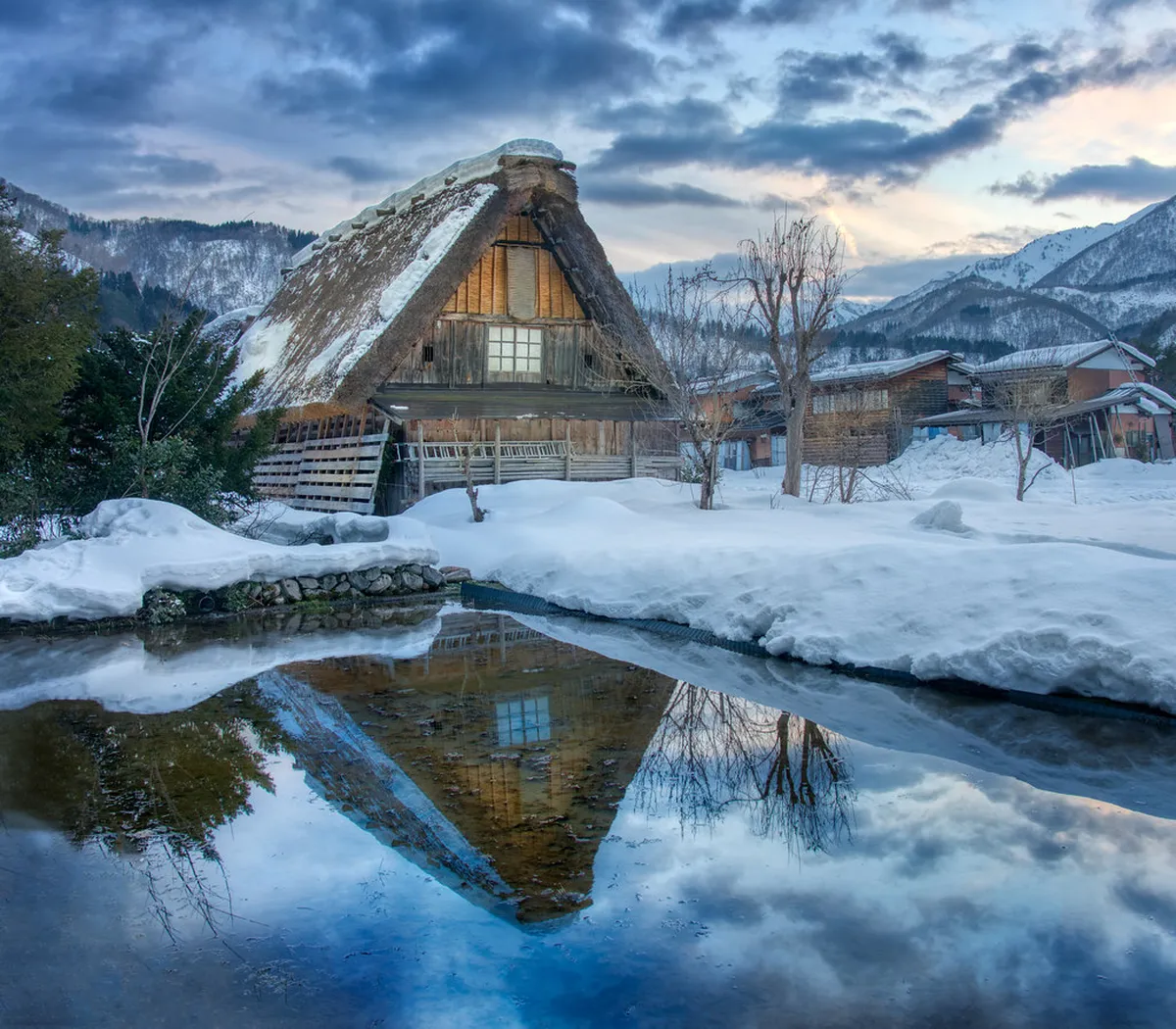
Table of Contents
Shirakawa-go Snow Forecast for Kanazawa Visitors Guide
Shirakawa-go looks like a magical winter fairy tale under thick snow. Many tourists start their journey from nearby Kanazawa station to see it. Checking the Shirakawa-go snow forecast for Kanazawa visitors helps you plan safely. You can ensure your journey is smooth and beautiful in early 2026.
Snow creates a stunning backdrop for the famous thatched-roof houses. These traditional homes are called gassho-zukuri huts by the local people. Heavy snowfall often begins in late December and continues through February. A well-planned Kanazawa to Shirakawa-go winter trip requires looking at weather charts. You must prepare for cold temperatures and deep white drifts.
Peak Snow Months in Shirakawa-go
To plan your trip, review Kanazawa travel info.
Late January usually brings the heaviest snow to this mountain region. This period offers the best chances for seeing fully covered roofs. February is also a fantastic time for deep snow enthusiasts. The village looks its best when the ground is pure white.Total snowfall can reach over ten meters during a typical winter. This volume makes Shirakawa-go one of the snowiest places in Japan. Visitors should expect snow squalls at any time during the day. Clear blue skies often follow heavy morning snow showers.
Early winter visitors in December might see lighter dustings of snow. While beautiful, the roofs may not be fully covered yet. Planning your trip for late winter ensures a high snow probability. Always check the long-range forecast before booking your 2026 travel tickets.
The snow usually begins to melt slowly during the month of March. You can still see snow on the mountains during this time. However, the village paths may become slushy and wet for walking. Aim for the peak months to get the best winter photos.
Checking the Shirakawa-go Snow Forecast for Kanazawa Visitors
Modern weather apps provide very accurate data for the Gifu mountain range. Look specifically for forecasts targeting the Ono District near the village. The Shirakawa-go snow forecast for Kanazawa visitors changes quickly during the winter. We recommend checking the weather at least two days before departure.
Pay close attention to wind speeds and visibility reports in the forecast. High winds can lead to bus delays on the mountain highways. If the forecast mentions a blizzard, consider changing your travel dates. Safety is the most important factor when traveling through deep snow.
Automated weather stations provide hourly updates on current snowfall depth. You can find these details on the official Japan Meteorological Agency website. Watching the trends helps you decide which clothes to pack each day. Knowing the humidity levels also helps you prepare for the cold.
Local Kanazawa news stations often broadcast mountain weather reports every morning. You can ask your hotel concierge for the latest local updates. They frequently receive alerts about road closures or heavy snow warnings. Staying informed ensures a stress-free visit to the historic village.
Transportation Impacts During Heavy Snow
Buses are the main way to travel between these two locations. The travel time between Kanazawa and Shirakawa-go is usually 75 minutes. However, heavy snow can extend this journey by thirty or forty minutes. Drivers move carefully when the mountain roads are icy or white.
Road crews work throughout the night to clear the main highways. They use specialized snowplows to keep the bus routes open safely. Despite their hard work, sudden storms can cause temporary road closures. Always leave extra time in your schedule for travel delays.
Bus companies like Nohi Bus are experts at driving in winter conditions. They rarely cancel services unless the weather becomes truly extreme or dangerous. You should still confirm your bus status on their official website. Knowing the current road conditions helps you manage your daily expectations.
Winter tires are mandatory for any private vehicles driving into the mountains. If you rent a car, ensure it has the correct equipment. Most tourists find that taking the bus is much easier and safer. Sit back and enjoy the winter scenery from a warm seat.
Winter Safety and Walking in the Village
🌟 Local Expert Tip: Get the most out of your Kanazawa visit with guided tours!
Walking through the village requires extra caution during the snow season. The paths can become quite slippery as the day goes on. Village workers try to clear the main frozen walking trails regularly. However, ice can hide under fresh layers of soft white powder.
We recommend wearing boots with strong grip or metal ice cleats. You can buy cheap slip-on cleats at shops in Kanazawa Station. These tools prevent falls on the steep hills and flat paths. Walking sticks can also provide extra stability in the deep snow.
The observation deck offers the most famous view of the snowy village. Getting there involves a steep hike or a short shuttle bus ride. The shuttle bus is the safest option during a heavy snowstorm. It keeps you warm while climbing up the slippery mountain road.
Avoid walking directly under the eaves of the old traditional houses. Large chunks of snow can fall from the steep thatched roofs. Locals often place warning signs near areas where snow might slide off. Stay in the center of the paths to stay safe.
What to Pack for a Snowy Day Trip
Layering your clothing is the best way to handle mountain weather. Start with a moisture-wicking base layer to stay dry and warm. Add a thick fleece or wool sweater for essential body insulation. Detailed guides on Kanazawa winter weather and packing offer great advice for visitors.
A waterproof outer jacket is mandatory for any Shirakawa-go winter visit. The snow can be wet and might soak through normal coats. Make sure your trousers are also water-resistant or treated with spray. Dry clothes are essential for staying comfortable in the freezing air.
Do not forget to pack warm gloves and a thick hat. A scarf helps protect your neck and face from biting winds. Your extremities will feel the cold first when walking outside for hours. Pack extra socks in case your first pair becomes slightly damp.
Small heat packs called kairo are very popular in Japan during winter. You can buy them at any convenience store in Kanazawa city. Place them inside your coat pockets or even your snowy boots. They provide hours of gentle warmth while you explore the village.
Photography Tips for Snowy Landscapes
Fresh snow creates a very bright background for all your photos. Your camera might underexpose the image because of the white light. Increase your exposure compensation to keep the snow looking pure white. This trick makes the traditional houses look sharp and clear.
Keep your camera batteries warm inside your inner coat pockets. Cold temperatures drain battery life much faster than usual in mountains. Carry a spare battery to ensure you do not miss shots. Protecting your gear from falling snow is also very important.
The blue hour just before sunrise offers a magical photography mood. The village lights begin to glow against the deep blue snow. This time of day is perfect for capturing the peaceful atmosphere. Tripods are useful for taking clear photos in lower light conditions.
Early morning is the best time for photos of untouched snow. Most tour groups arrive after ten in the morning each day. Arriving early allows you to photograph paths with no footprints. Enjoy the silence of the snowy village before the crowds arrive.
Frequently Asked Questions
Is Shirakawa-go accessible from Kanazawa if it is snowing heavily?
Yes, the buses usually run even during heavy snowfall in 2026. The highways are well-maintained by professional snow clearing teams every night. However, you should expect slower travel times during severe winter storms. Check the bus company website for real-time updates before your journey.
What is the best month to see deep snow in Shirakawa-go?
January and February are the best months for seeing deep snow. These months offer the most consistent winter weather and fully covered roofs. You will see the iconic fairy tale scenery that makes the village famous. Late December can also be snowy but is less predictable every year.
Do I need special shoes for walking in Shirakawa-go in winter?
Waterproof boots with good traction are highly recommended for all visitors. The village paths are often covered in ice or deep slushy snow. You can buy detachable ice grips at Kanazawa Station for extra safety. These small tools help prevent accidents on the slippery village walkways.
How cold does it get in Shirakawa-go in January?
Temperatures often stay between -5°C and 2°C during the winter months. The wind in the mountains can make it feel much colder. You should dress in several warm layers to stay comfortable outdoors. Using heat packs will help you stay warm during long walks.
Following the Shirakawa-go snow forecast for Kanazawa visitors ensures a wonderful trip. This village is a must-see destination during the cold Japanese winter months. Prepare properly for the 2026 season by checking reports and packing warm gear. You will create amazing memories in this UNESCO World Heritage site.
Key Takeaways
- Check snowfall depth forecasts 48 hours before your departure from Kanazawa.
- Wear waterproof layers and ice cleats to stay warm and safe.
- Allow extra travel time for buses during the heavy snow months.
Related reads: polarcityguide.com, kanazawa winter travel guide 2026, booking bus from kanazawa to shirakawa go.