
What to See in Shirakawa-go in Winter
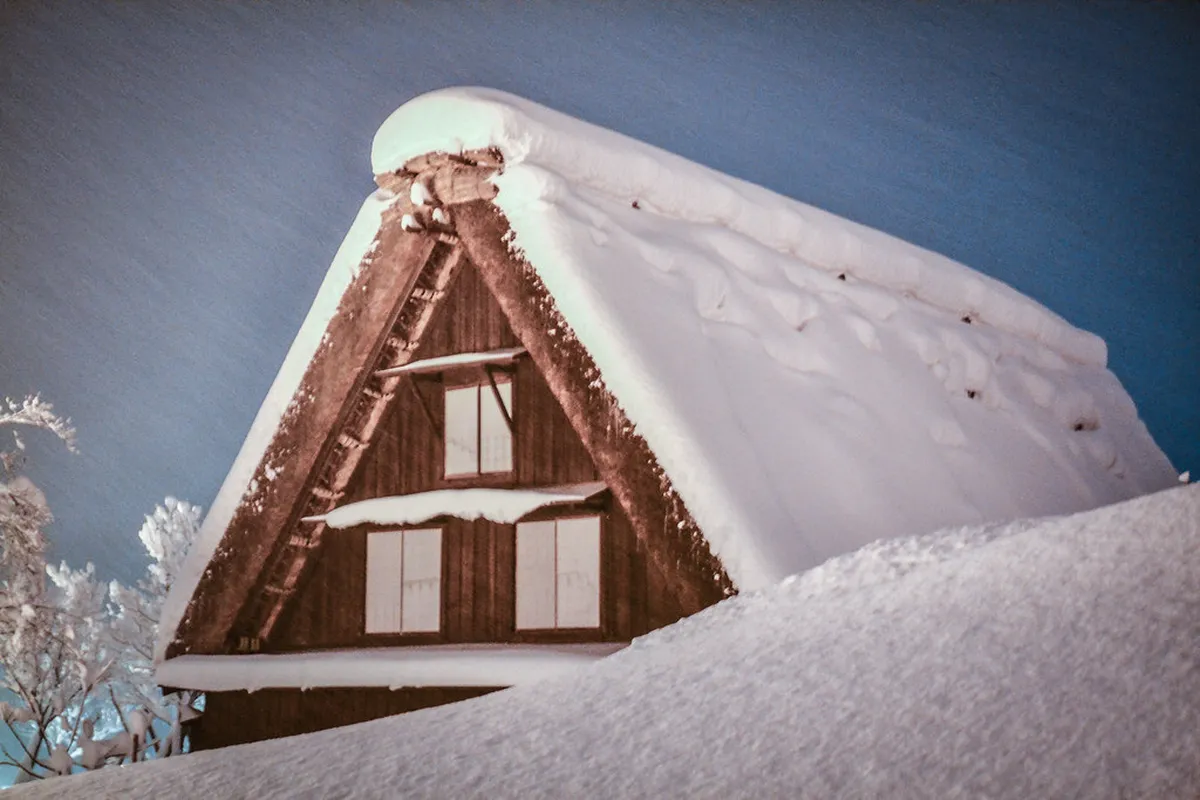
Table of Contents
Top Things to See in Shirakawa-go During Winter 2026
Winter in Shirakawa-go offers a magical escape for every international traveler. This historic village becomes a snowy wonderland during the cold winter months. You can find many amazing things to see in Shirakawa-go in winter. Most visitors begin their journey with a Kanazawa to Shirakawa-go winter trip for easy access.
The village is famous for its unique and traditional farmhouse structures. These houses have very steep thatched roofs designed to withstand heavy snow. They look like hands held together in a quiet prayer pose. Heavy snow covers the roofs like thick white icing in January. This creates the perfect atmosphere for your 2026 winter holiday photos.
Planning your visit requires some basic knowledge of local transportation and timing. The weather in this region can be quite unpredictable during February. Temperatures often drop well below freezing as evening approaches the valley. Proper preparation will ensure you enjoy every moment of your snowy adventure. Let us explore the best sights in this UNESCO World Heritage village.
Enjoy Stunning Views from Ogimachi Observatory
For current hours, prices, and announcements, start with Kanazawa travel info.
For the most up-to-date details, check Kanazawa travel info before you go.
The Ogimachi Castle Site Observatory offers what is likely the most famous winter view in Japan. You can look down on the whole village from this impressive high vantage point. The trail to the top usually remains open during most of the cold winter season. Walking up takes about twenty minutes on a very snowy but mostly cleared path.Professional photographers usually flock to this famous spot for the perfect winter shot. The panoramic view reveals the entire historical village covered in deep white snow. You can easily see the orange lights glowing inside the traditional homes. This view is especially breathtaking during the blue hour just after the sunset. Shuttle buses also run regularly from the village center for a small fee.
A shuttle bus ticket currently costs about 200 yen for a one-way trip. The bus operates every twenty minutes during the peak daytime hours. You should arrive early to avoid the longest queues during the busy weekends. Standing at the top allows you to appreciate the scale of the valley. The surrounding mountains create a dramatic backdrop for the historic gassho-style houses below.
Make sure to wear sturdy boots with good grip for the walkway. The path can become very slippery when the snow turns into ice. Many tourists find that walking sticks provide extra stability on the steeper sections. The view from the top is free to enjoy throughout the day. It remains the most iconic thing to see in Shirakawa-go in winter.
Step Inside Historic Gassho-Style Farmhouses
The Wada House is the largest and most famous farmhouse in the village. It serves as a living museum that showcases traditional lifestyle and history. You can explore multiple floors to see the massive wooden beam structures. The interior features ancient tools used for silk production and local farming. Entrance fees are usually around 400 yen for adults in 2026.
The Kanda House is another excellent example of traditional Japanese mountain architecture. This house took over ten years to build during the Edo period. You can climb to the upper floors to see how the roof is built. Looking out the windows provides a unique perspective of the snowy streets. Guests can enjoy a cup of warm tea by the central fireplace.
Stepping inside these homes provides immediate relief from the freezing outdoor air. The thick thatched roofs provide excellent insulation against the harsh winter wind. You will see how families lived together in these massive timber buildings. Most houses require visitors to remove their shoes at the main entrance. We recommend wearing thick wool socks to keep your feet warm indoors.
Many farmhouses still function as private homes for the local village residents. Please respect the private areas that are clearly marked for the families. You can learn about the community spirit required to maintain these heavy roofs. Neighbors often work together to replace the thatch every few decades. This tradition keeps the history of Shirakawa-go alive for future generations.
Marvel at the 2026 Winter Light-Up Events
The winter light-up events are the most sought-after experiences in the region. These events only happen on specific Sunday evenings during January and February. The village glows with warm golden lights against the cold blue snow. You must make a reservation months in advance to attend these events. Many travelers book winter light-up events from Kanazawa to secure their spots.
The reservation system for the light-up is very strict for all visitors. Only a limited number of people can enter the village at night. You can apply for a parking spot or a bus tour ticket. Most independent travelers find that organized tours are the easiest option. These tours often include transportation and dinner at a local village restaurant.
Walking through the village at night feels like entering a silent dreamland. The snow reflects the soft light and creates a beautiful glowing effect. You will see the shadows of the massive houses against the mountains. The atmosphere is very peaceful despite the number of people visiting. Be sure to bring extra batteries for your camera in the cold.
The light-up usually begins around 5:30 PM and ends by 7:30 PM. Most tour buses depart shortly after the lights turn off for safety. You will need very warm clothing for standing outside in the snow. Temperatures drop significantly once the sun goes down behind the steep mountains. This event is truly the highlight of any winter trip to Japan.
Visit the Myozenji Temple and Museum Site
🌟 Local Expert Tip: Get the most out of your Kanazawa visit with guided tours!
Myozenji Temple is unique because it features a thatched roof bell tower. This is the only temple of its kind in the entire village. The main hall and the priest's residence are also open to visitors. You can see beautiful paintings and cultural artifacts inside the temple building. It offers a very spiritual experience amidst the heavy winter snow.
The temple museum explains the religious history of the local mountain people. Ancient wood carvings decorate the interior of the historic temple halls. You can hear the soft sound of snow falling on the roof. The silence inside the temple creates a very meditative and calm environment. It is a great place to reflect on your winter travels.
A small entrance fee helps maintain the temple for the local community. The staff are very friendly and often provide brochures in English. You can see how Buddhism integrated with the daily lives of farmers. The wooden architecture has survived many harsh winters over the last centuries. Photography is allowed in most areas except near the sacred altars.
The temple grounds look particularly beautiful when covered in deep white drifts. You can see the bell tower gate framed by frozen pine trees. It is located just a short walk from the main village road. Most people spend about thirty minutes exploring the temple and museum. It remains a must-see location for cultural enthusiasts visiting the valley.
Taste Local Winter Flavors and Hot Treats
Eating local food is an essential part of the Shirakawa-go experience. You should definitely try the famous Hida beef skewers sold at street stalls. This premium beef is known for its tender texture and rich flavor. The skewers are grilled over charcoal and served hot to hungry travelers. They cost about 500 to 1,000 yen depending on the size.
Goyome-mochi is a popular local grilled rice cake topped with miso. The sweet and salty walnut sauce provides a very satisfying winter snack. You will find many small shops selling these along the main street. Each shop has its own secret recipe for the delicious miso glaze. It is the perfect street food to eat while walking around.
Warm up with a bowl of hot zenzai inside a cozy cafe. Zenzai is a sweet red bean soup served with toasted mochi. It is a traditional Japanese dessert that local people love in winter. Many cafes offer views of the snowy village through their large windows. You can relax and watch the snowflakes fall while sipping hot tea.
Local restaurants serve hearty sets featuring mountain vegetables and river fish. Some places offer a traditional charcoal hearth for cooking your own meal. These dining experiences provide a deep connection to the regional food culture. Be sure to try the local sake if you enjoy adult beverages. Most lunch spots close by 4:00 PM during the winter season.
Drinking hot amazake is another wonderful way to stay warm in the snow. This sweet fermented rice drink is non-alcoholic and very nutritious for you. You can buy it in paper cups from vendors near the bridge. It tastes like a warm hug on a very cold afternoon. Many travelers find this to be their favorite winter treat in Japan.
Frequently Asked Questions
How do I travel from Kanazawa to Shirakawa-go in winter?
You can take a highway bus directly from the Kanazawa Station platform. The journey typically takes about 85 minutes through the beautiful snowy mountains. We recommend booking your bus tickets online well in advance. Buses run frequently but they often sell out during the peak season.
Is it possible to see the village in just one day?
Yes, many people visit Shirakawa-go as a day trip from Kanazawa. You can see the main sights in about four to five hours. This includes the viewpoint, a farmhouse, and a quick lunch. Arriving on an early bus gives you the most time to explore. Keep an eye on the return bus schedules to avoid missing it.
What should I wear for a winter visit to the village?
Thermal layers are essential for staying warm in the sub-zero temperatures. You should wear waterproof boots with excellent traction for walking on ice. A warm hat, gloves, and a scarf will protect you from winds. Disposable heat packs called kairo are also very helpful for your hands. Many local shops sell these if you forget to bring them.
Shirakawa-go is a truly unique destination that captures the heart of every winter traveler. From the iconic viewpoints to the cozy farmhouses, there is so much to see. Planning your trip for 2026 will provide memories that last a lifetime. Do not forget to book your transportation early to ensure a smooth journey. We hope you enjoy the magic of this snowy Japanese village very soon.
Key Takeaways
💡 Pro Tip: Book your Kanazawa adventures in advance through Viator for the best deals!
- Book your bus tickets from Kanazawa at least one month in advance.
- Visit the Ogimachi Observatory early in the day for the best photos.
- Wear waterproof footwear with ice grips to navigate the slippery paths safely.
- Bring enough cash as some small shops do not accept credit cards.
Related reads: polarcityguide.com, kanazawa winter travel guide 2026, travel time between kanazawa and shirakawa go.