
Yukitsuri Tree Protection at Kenrokuen Garden Guide
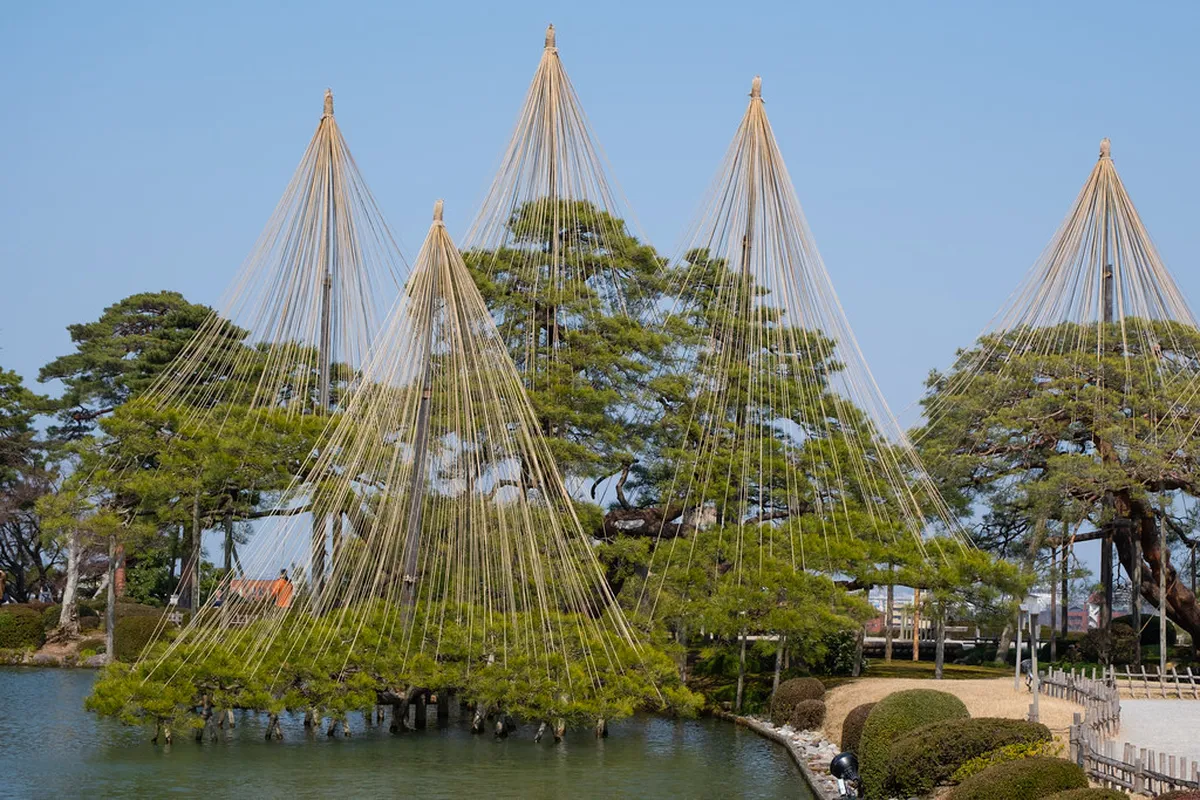
Table of Contents
Guide to Yukitsuri Tree Protection at Kenrokuen Garden 2026
Kenrokuen Garden is a world-famous landscape in Kanazawa, Japan. It is known as one of the three most beautiful gardens across the country. Every winter, a traditional ritual called Yukitsuri takes place here. This practice draws thousands of visitors to the garden each year.
Yukitsuri tree protection at Kenrokuen Garden is both functional and artistic. It prevents heavy, wet snow from breaking the delicate branches of ancient trees. The ropes create beautiful geometric patterns against the winter sky. You should plan a visit to see these structures in 2026.
Kanazawa experiences significant snowfall during the colder months of the year. The local pine trees are very valuable and require special care. Workers spend weeks preparing the garden for the harsh winter conditions. This guide explains why these rope structures are so important for preservation.
What is Yukitsuri Tree Protection?
Yukitsuri translates literally to "snow hanging" in the Japanese language. It involves supporting tree branches with strong ropes tied to bamboo poles. This technique is essential for the famous pine trees in Kanazawa. The ropes take the weight of heavy, wet snow off the limbs.
Without this protection, many old trees would suffer severe damage. Kanazawa snow is particularly heavy because of the high moisture content. One single night of snowfall could snap a hundred-year-old branch. Yukitsuri ensures these historical treasures survive for future generations to enjoy.
The process creates a striking cone shape around each protected tree. These shapes have become a symbol of winter in the Hokuriku region. People travel from all over the world to photograph these unique rope displays. It is a perfect blend of human ingenuity and natural beauty.
Gardeners begin installing the ropes in early November every single year. They work meticulously to ensure every branch receives enough support. The process is a quiet and respectful ritual that signals winter's arrival. Seeing the workers at height is a fascinating experience for tourists.
The Craftsmanship of Kenrokuen Ropes
Installing Yukitsuri tree protection at Kenrokuen Garden requires incredible skill and patience. Expert gardeners climb high into the trees using only traditional methods. They do not use heavy machinery or modern lifts for this work. They rely on their hands and deep knowledge of tree anatomy.
The central pillar is a long, sturdy bamboo pole placed near the trunk. Workers then attach dozens of ropes to the top of this pole. Each rope is carefully tied to a specific branch below. This creates a tension system that balances the external weight of snow.
They use a specific type of rope made from rice straw. This material is strong enough to withstand freezing temperatures and moisture. It also looks natural against the bark of the pine trees. The aesthetic appearance is just as important as the functional support.
There are different styles of Yukitsuri used throughout the garden grounds. The most grand style is used for the largest and oldest pines. Smaller shrubs might receive a simpler tripod structure for their winter protection. Every plant in the garden gets the specific care it needs.
The Iconic Karasaki Pine Protection
The Karasaki Pine is the most famous tree within Kenrokuen Garden's borders. It was grown from a seed brought from Lake Biwa long ago. This tree has a massive reach and very long, horizontal branches. It is the first tree to receive protection every November.
Because of its size, the Karasaki Pine requires five separate bamboo poles. Hundreds of ropes extend from these poles like a giant spider web. It is the most impressive example of Yukitsuri in all of Japan. You can find it standing proudly near the Kasumigaike Pond.
The reflection of the ropes in the water is a sight to behold. This view is especially popular during the early morning hours in winter. The still water acts like a mirror for the intricate rope patterns. It is a favorite spot for professional landscape photographers.
In 2026, the Karasaki Pine will remain the centerpiece of winter tours. Visitors often spend long periods just admiring the complexity of its ropes. It serves as a testament to the garden's long history of preservation. Make sure to see this pine during your Kanazawa visit.
Kenrokuen Garden Winter Light Up 2026
🌟 Local Expert Tip: Get the most out of your Kanazawa visit with guided tours!
The experience changes completely when the sun goes down in Kanazawa. The garden hosts special night periods known as the winter light up. During these events, powerful floodlights illuminate the trees and their rope structures. The golden ropes glow brilliantly against the dark night sky.
You can find more details in the Kanazawa winter travel guide 2026 for trip planning. Walking through the garden at night feels like stepping into a dream. The light catches the falling snowflakes and the wet surfaces of the pond. It is a very romantic atmosphere for couples and families.
The light up events usually occur in late January and February. You should check the Kenrokuen garden winter illumination dates 2026 before you travel. These events are free to enter during the designated evening hours. This makes it an affordable way to see the garden's beauty.
Crowds can be quite large during the opening nights of the illumination. Try to visit on a weekday to avoid the biggest groups. Dress warmly because the temperature drops quickly after sunset in Kanazawa. The paths can also become slippery if there is fresh ice.
Photography Tips for the Rope Gazing
💡 Pro Tip: Book your Kanazawa adventures in advance through Viator for the best deals!
Capturing Yukitsuri tree protection at Kenrokuen Garden requires a few specific photography techniques. Use a wide-angle lens to fit the entire tree into your frame. The vertical lines of the ropes look best when shot from a low angle. This emphasizes the height and scale of the bamboo poles.
For the best lighting, visit during the "blue hour" just after sunset. The sky remains dark blue while the garden lights turn on. This creates a beautiful contrast between the warm lights and the cool sky. You will likely need a tripod for these long exposure shots.
Consider looking at the best spots for Kenrokuen winter photography to save time. Focus on the details of the knots and the texture of the ropes. Close-up shots can be just as powerful as wide landscape photos. Winter provides a unique color palette of whites, grays, and golds.
If it is snowing, use a faster shutter speed to freeze the flakes. This adds a sense of motion and weather to your images. Be careful with your equipment in the wet Kanazawa climate. Always carry a small cloth to wipe moisture off your camera lens.
Practical Information for Your 2026 Visit
💡 Pro Tip: Book your Kanazawa adventures in advance through Viator for the best deals!
Kenrokuen Garden is located in the center of Kanazawa city. It is easily reachable by the Kanazawa Loop Bus from the station. The garden opens at 7:00 AM during the autumn and winter months. Early arrival is best to see the garden in peace.
The standard admission fee is 320 yen for adults in 2026. Children under 18 and seniors over 65 can enter for 100 yen. During the night light up events, admission is typically free of charge. Verify these prices at the gate upon your arrival.
Plan to spend at least two hours walking through the main areas. There are several tea houses where you can rest and stay warm. Drinking hot matcha while looking at the snow is a peak experience. Do not forget to wear sturdy boots with good grip.
Most paths are well-maintained, but some stone steps can be tricky. Carry a small umbrella even if the sky seems clear. Kanazawa weather changes very quickly during the winter season. Local shops near the garden gates sell warm snacks like steamed buns.
Frequently Asked Questions
When is the best time to see Yukitsuri in Kanazawa?
The ropes are usually installed in early November each year. They remain on the trees until early March. The most beautiful time is during January when snow is likely. This creates the classic winter look seen in travel brochures.
Is it free to see the winter light up at Kenrokuen?
Yes, the evening illumination events are generally free for all visitors. The garden clears out the daytime guests before reopening for the light up. Check the official schedule for specific 2026 times and dates. This is a great way to save money on tickets.
How long does it take to install the ropes?
It takes about one month to complete the entire garden. The work begins with the Karasaki Pine on November 1st. Many teams of gardeners work simultaneously to finish before the first big snow. Watching the installation is a popular activity for early November tourists.
What should I wear for a winter visit to Kenrokuen?
You must wear layers and a heavy waterproof coat. Kanazawa is famous for its wet and cold winter climate. Wear waterproof shoes or boots with non-slip soles for the paths. Gloves and a hat are essential if you stay for the light up.
Yukitsuri tree protection at Kenrokuen Garden is a must-see winter spectacle. It showcases the deep respect Japan has for nature and tradition. Whether you visit by day or night, the ropes offer a unique beauty. Plan your journey to Kanazawa in 2026 to see these masterpieces in person.
Key Takeaways
- Yukitsuri protects trees from heavy, wet snow using rice straw ropes and bamboo poles.
- The 2026 winter illumination events offer free evening entry to see the trees lit up.
- Visit the Karasaki Pine to see the most complex and famous rope structure in Japan.
- Wear waterproof clothing and non-slip boots to navigate the snowy garden paths safely.
Related reads: polarcityguide.com, kenrokuen garden winter light up, buying tickets for kenrokuen winter light up.