
7 Best Winter Foods in Kumamoto to Try in 2026
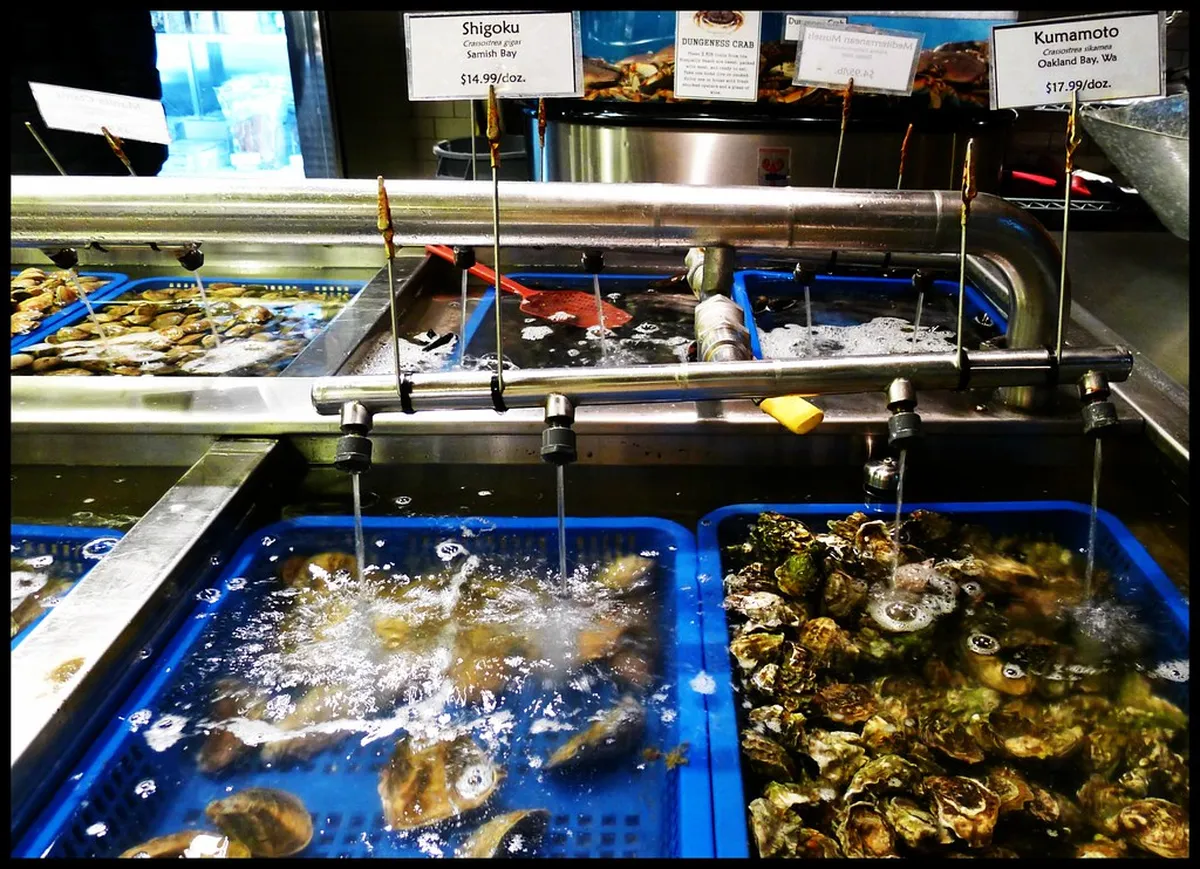
Table of Contents
Guide to the Best Winter Foods in Kumamoto for 2026
Kumamoto becomes a cozy culinary paradise when the cold winds blow in 2026. The city offers unique flavors that warm the soul during the chilly months. You will find hearty soups and seasonal specialties on every corner. Exploring the best winter foods in Kumamoto is an essential part of any trip.
Local chefs use fresh ingredients from the sea and the surrounding mountains. This region is famous for its bold tastes and traditional Japanese cooking styles. You can enjoy steaming bowls of noodles or sizzling grilled meats. This guide will help you find the most delicious winter treats in town. For more planning tips, check out our Kumamoto winter travel guide 2026.
Savoring Local Horse Meat (Basashi)
For the most up-to-date details, check Kumamoto City Tourism Guide before you go.
For practical details and last-minute changes, use Lonely Planet Kumamoto.
Horse meat is the most famous culinary specialty in Kumamoto Prefecture. Locals call it Sakura Niku because of its beautiful pink color. While eaten year-round, it is especially popular during the winter season. The high protein and low fat content make it a healthy choice. You will find many best horse meat restaurants in Kumamoto near the castle area.In winter, many diners prefer the hot pot version called Sakura Nabe. Thinly sliced horse meat is simmered with vegetables in a sweet soy broth. This cooking method highlights the tender texture of the premium meat. It provides a warm and comforting meal on a cold winter night. You can expect to pay between 3,000 and 5,000 yen for a set.
Basashi sashimi is also a must-try for any adventurous traveler visiting in 2026. Different cuts offer various textures ranging from lean to marbled fat. It is usually served with ginger, garlic, and sweet soy sauce. The garlic adds a spicy kick that helps warm the body. Try visiting Sugisaku in the city center for an authentic experience.
If you prefer grilled food, look for grilled horse meat skewers. These are common at local izakayas throughout the Shimotori and Kamitori shopping arcades. The smoky flavor perfectly complements a glass of local shochu. Most skewers cost around 300 to 500 yen each. This dish is a true winter staple for Kumamoto locals.
Hearty Kumamoto Ramen with Roasted Garlic
Kumamoto Ramen is the ultimate comfort food for a cold winter afternoon. This style of ramen uses a rich pork bone and chicken broth. The secret ingredient is mayu, which is blackened roasted garlic oil. This oil gives the soup a deep and earthy aroma. You can find the best Kumamoto ramen for winter at famous shops like Kokutei.
The noodles are usually medium-thick and hold the flavorful broth very well. Standard toppings include tender pork belly slices and crunchy wood ear mushrooms. Green onions and a soft-boiled egg complete this satisfying winter dish. Most bowls are priced reasonably between 800 and 1,200 yen. It is a filling meal that keeps you energized for sightseeing.
Many ramen shops offer seasonal toppings during the winter months of 2026. You might find corn, extra garlic, or even spicy minced meat. Locals love to add extra garlic chips for a more intense flavor. This addition is believed to help boost the immune system. Drinking the hot soup provides immediate relief from the outdoor chill.
Most ramen restaurants stay open late into the night for diners. They are conveniently located near major transport hubs and central hotels. The atmosphere is usually lively, warm, and very welcoming to international tourists. Be prepared to wait in line at popular spots like Komurasaki. The wait is always worth it for that first hot bite.
Warm Up with Dagojiru Soup
Dagojiru is a traditional dumpling soup that defines Kumamoto home cooking. This rustic dish features hand-pulled wheat dumplings in a savory broth. The broth is usually made with miso or a soy sauce base. It is packed with seasonal vegetables like carrots, radishes, and burdock root. This soup is one of the best winter foods in Kumamoto for families.
The thick dumplings are very chewy and satisfying to eat in 2026. Each restaurant has its own secret recipe for the broth and dumplings. Some versions include pork or chicken for extra richness and flavor. It is a very affordable meal, often costing under 1,000 yen. You can find it at many local roadside stations and traditional teahouses.
Winter is the peak season for the root vegetables used in Dagojiru. These vegetables are at their sweetest after the first frost of the year. The steam rising from the bowl warms your face and hands instantly. It is especially popular in the Aso region near the volcano. Many hikers eat this soup to recover after a long day outside.
Dagojiru represents the humble and welcoming spirit of the Kumamoto people. It is a slow-cooked meal that tastes like a warm hug. Most servings are quite large and can be a full lunch. Look for small, family-run eateries to get the most authentic taste. It is a healthy way to experience Kumamoto’s agricultural heritage.
Ikinari Dango and Local Snacks
🌟 Local Expert Tip: Get the most out of your Kumamoto visit with guided tours!
No winter trip is complete without trying some warm must-try winter snacks in Kumamoto. Ikinari Dango is the most famous sweet treat in the entire prefecture. It consists of a thick slice of yellow sweet potato. A layer of red bean paste is placed on top of it. Both are wrapped in a thin, salty dough and steamed together.
The contrast between the sweet potato and the salty dough is delicious. They are best enjoyed while still steaming hot from the street vendor. In 2026, you can find them near the entrance of Kumamoto Castle. They usually cost about 150 to 200 yen per piece. This snack provides a quick burst of energy and warmth.
Another popular winter treat is Karashi Renkon, or mustard-filled lotus root. The lotus root is stuffed with a mixture of miso and hot mustard. It is then coated in a yellow flour batter and deep-fried. The spice clears your sinuses and warms you up from the inside. It is traditionally sliced thin and served as a savory side dish.
You can purchase these snacks at local markets or department store basements. Tsuruya Department Store has a great selection of fresh local foods. These snacks make excellent souvenirs if you can keep them cold. However, eating them fresh on the street is the best experience. The combination of sweet and spicy treats defines the local food culture.
Fresh Amakusa Seafood and Oysters
The coastal waters of Amakusa provide incredible seasonal seafood during the winter. Cold water temperatures make the fish oilier and much more flavorful in 2026. Winter yellowtail, known as Buri, is a highly prized delicacy during this time. You can find seasonal winter seafood markets in Kumamoto offering fresh catches daily. Many city restaurants fly this seafood in every morning.
Shabu-shabu with thin slices of Buri is a popular winter dining choice. You briefly dip the fish into boiling kelp broth before eating. This lightly cooks the outside while keeping the center soft and buttery. It is often served with a citrusy ponzu dipping sauce. A full seafood set might cost around 2,500 to 4,000 yen.
Oysters are another winter highlight in the Kumamoto and Amakusa regions. You can visit temporary oyster huts that open along the coast in winter. These huts allow you to grill fresh oysters over hot charcoal yourselves. The smell of the sea and grilled shells is truly wonderful. It is a fun and social way to enjoy a winter meal.
Look for Kuruma Ebi, or tiger prawns, which are also excellent in winter. They can be enjoyed as tempura or served fresh as high-quality sashimi. The sweetness of the prawns is enhanced by the cold winter waters. Many high-end sushi shops in Kumamoto city feature these seasonal specialties. Dining on fresh seafood is a luxury that fits any winter itinerary.
Aka-ushi Beef from Mount Aso
🎯 Insider Tip: Discover the best Kumamoto experiences with Viator Tours!
Aka-ushi, or Japanese Red Cattle, is a premium beef from the Aso region. These cattle graze on the lush grasslands of the world’s largest caldera. The meat is famous for being lean yet incredibly tender and flavorful. In winter, a thick steak of Aka-ushi is the perfect hearty dinner. It offers a rich taste without being overly greasy or heavy.
Many restaurants serve this beef as a rice bowl called Aka-ushi Don. The steak is sliced thin and served over warm, local Kumamoto rice. It is often topped with a soft-cooked egg and savory steak sauce. A typical bowl costs between 2,000 and 3,500 yen in most shops. This dish has become an iconic food experience for tourists in 2026.
For a winter treat, try Aka-ushi beef stew in a cozy mountain cafe. The slow-simmered meat melts in your mouth and warms the whole body. The rich gravy is made with local vegetables and red wine. It is the perfect meal after a day of exploring cold volcanic landscapes. You will find many great spots near the Aso train station.
Local butchers also sell processed Aka-ushi products like sausages and jerky. These make for great snacks during your winter travels through the prefecture. The quality of the grass-fed beef is evident in every single bite. It is a sustainable and delicious choice for meat lovers visiting Kumamoto. Supporting local farmers is also a great part of the experience.
Frequently Asked Questions
💡 Pro Tip: Book your Kumamoto adventures in advance through Viator for the best deals!
What is the single must-eat winter dish in Kumamoto?
The must-eat winter dish is definitely Kumamoto Ramen with roasted garlic oil. It is very affordable and provides instant warmth during cold 2026 days. You can find it easily at many shops throughout the city. Most visitors find the rich garlic flavor to be completely unforgettable.
Where can I find the best winter food markets in Kumamoto?
The best food markets are located in the Shimotori and Kamitori shopping arcades. These covered streets keep you dry and warm while you explore local stalls. You can find everything from sweet potato snacks to fresh winter seafood. They are located in the heart of Kumamoto city near the tram lines.
Are Kumamoto winter foods expensive for tourists?
Kumamoto offers a wide range of prices for every budget level. Street snacks like Ikinari Dango cost less than 200 yen per piece. A hearty bowl of ramen or Dagojiru usually costs under 1,200 yen. High-end meals like horse meat or Aso beef can cost up to 5,000 yen.
Is horse meat safe to eat during the winter months?
Yes, horse meat is very safe and strictly regulated in Kumamoto. It is chilled properly to ensure the highest quality for all customers. Eating it as a hot pot dish is a very popular winter tradition. Many locals believe it helps keep the body healthy during the cold season.
Kumamoto offers a diverse and delicious range of local flavors for winter 2026. From rich ramen to sweet potato snacks, there is something for everyone. These traditional dishes provide warmth and comfort during your seasonal journey. Be sure to explore the local markets and try as many specialties as possible. I hope this look at the best winter foods in Kumamoto helps your trip planning.
Key Takeaways
- Try Kumamoto Ramen with roasted garlic oil for ultimate winter warmth.
- Visit the Amakusa coast or local markets for fresh seasonal winter yellowtail.
- Sample Ikinari Dango as a hot and affordable street snack near the castle.
- Book a table for Sakura Nabe to enjoy horse meat in a cozy hot pot style.
- Head to the Aso region for premium Aka-ushi beef rice bowls and stews.
Related reads: polarcityguide.com, best kumamoto winter festivals.