
Ultimate Kumamoto Winter Onsen Guide for 2026
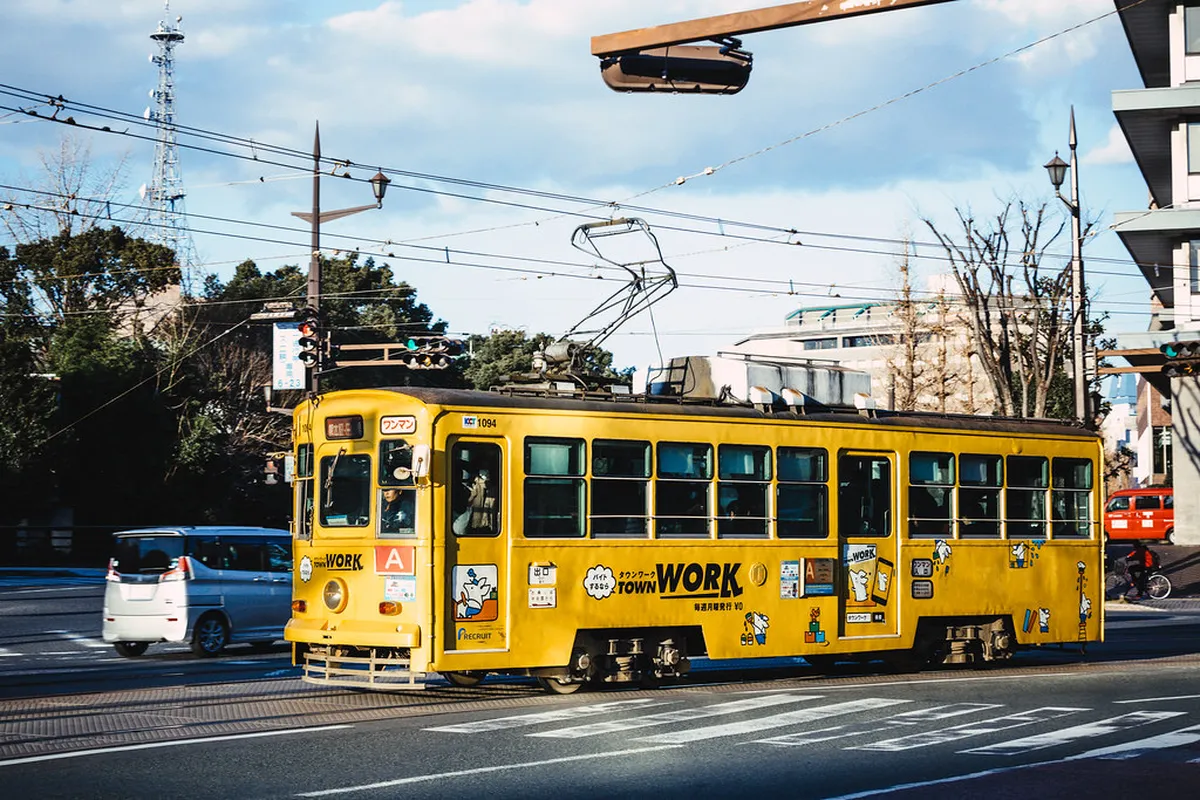
Table of Contents
Best Kumamoto Winter Onsen Guide: Relax in Steaming Springs
Experience the ultimate relaxation with this 2026 Kumamoto winter onsen guide for your next Japanese holiday. Kumamoto Prefecture offers some of the most famous hot spring resorts in the entire country. You can enjoy steaming outdoor baths while watching snow fall over the beautiful volcanic landscapes. These geothermal waters provide deep warmth during the cold winter months of January and February.
Many travelers visit Kumamoto specifically to enjoy the high-quality mineral waters found in the mountain regions. The area is famous for its diverse water types and traditional Japanese inn experiences. You will find everything from rustic village baths to modern luxury spa facilities in the city. This guide will help you choose the best locations for your relaxing winter getaway.
Kurokawa Onsen: A Winter Wonderland
For official information, visit Kumamoto travel info.
You can find the latest updates on Kumamoto travel info.
Kurokawa Onsen remains a top pick for winter travelers visiting Kumamoto in early 2026. This charming village sits deep within the snowy mountains of the northern Kumamoto Prefecture region. You will find rustic wooden buildings and steaming rivers throughout this historic hot spring town. The combination of cold air and hot water creates a truly relaxing seasonal experience.Walking through the snowy streets in a traditional yukata is a highlight for many visitors. Visit the outdoor baths to see the famous lanterns lighting up the local river banks. These bamboo lanterns create a magical atmosphere during the cold winter nights from December to April. Most visitors find the scenery perfect for taking memorable travel photos in the evening.
You can buy a wooden pass called a tegata for three different bath entries. This pass allows you to sample various hot springs at many different local inns. Most individual baths cost around 600 to 800 yen for a single day visit. Using the pass is a great way to explore the unique architecture of the village.
Learn more about this area with our Kurokawa Onsen winter day trip guide for your next mountain visit. This village offers a timeless atmosphere that feels like a step back into ancient Japan. It is the perfect escape from the busy city life found in Tokyo or Osaka. Many people choose to stay overnight to enjoy the full quiet experience.
Snow often covers the traditional thatched roofs during late January and early February seasons. This creates a stunning scenery that is perfect for any professional or amateur photography lovers. Be sure to wear warm socks under your wooden sandals if walking between different baths. The village paths can become quite slippery when the temperatures drop below freezing at night.
Mount Aso's Healing Volcanic Waters
The Mount Aso region provides some of the most powerful mineral waters in all of Japan. These springs are heated by one of the largest active volcanoes in the entire world. Many outdoor baths offer panoramic views of the snowy mountain peaks and the massive caldera rim. Soaking in these waters while looking at the volcano is a truly unique experience.
Staying in the Aso area allows you to enjoy very unique chemical profiles in the water. The high sulfur content in these volcanic waters helps to soothe various skin conditions naturally. You will also find iron-rich rusty waters in certain local spots throughout the mountain valley. These minerals are known to improve blood circulation and help with joint pain relief.
Be sure to check the current state of the volcano before you begin your travel. Some areas might close if volcanic activity levels change suddenly for the safety of visitors. Local authorities provide daily updates on mountain conditions for the safety of all international tourists. Safety is always a priority when visiting such a powerful and active natural site.
Explore the healing benefits of Kumamoto volcanic waters during your next relaxing winter holiday. These natural minerals provide a deep warmth that lasts for many hours after your bath. It is an ideal way to recover after a long day of mountain hiking. Your body will feel refreshed and ready for more winter adventures the next day.
Many onsens in Aso are located near hiking trails and scenic viewpoints for easy access. You can watch the steam rise from the crater directly from your outdoor bathtub. These locations offer a raw connection to the amazing power of nature in Kumamoto. Visiting during the winter ensures the crowds are smaller than in the peak summer months.
Luxury Ryokan and Private Bathing
For a premium experience, consider booking a stay at a high-end luxury ryokan this winter. Many elite accommodations offer private open-air baths attached directly to your guest room. This allows you to soak while watching the falling snow in complete and total privacy. It is an excellent choice for couples or families seeking a quiet retreat.
These high-end inns provide exceptional multi-course meals known as kaiseki for your evening dinner. These traditional meals often feature local Kumamoto beef and fresh seasonal mountain vegetables. Expect to pay between 30,000 and 60,000 yen per night for these premium experiences. The cost includes your room, two full meals, and unlimited access to all baths.
Most luxury inns require reservations several months in advance for the busy winter season. Weekends are particularly popular for domestic travelers seeking a relaxing break away from work. Check our list of luxury ryokan with private winter baths for our top professional recommendations. Booking early ensures you get the best room with the most beautiful mountain view.
You will receive high-quality personal service and enjoy beautiful traditional Japanese architecture during your stay. The staff often speak English and can help you with local travel tips and transport. These stays provide the ultimate comfort during the cold January winds blowing through the valley. It is an investment in your well-being and a highlight of any trip.
Many ryokans also feature large public baths with stunning designs made from cypress or stone. You can enjoy the contrast of the cold air against the hot natural spring water. Soft lighting and steam create a dream-like atmosphere that is perfect for complete relaxation. Each inn has a unique history and style to share with its guests.
Kumamoto Onsen Etiquette for Visitors
🌟 Local Expert Tip: Get the most out of your Kumamoto visit with guided tours!
Entering a Japanese hot spring requires following specific cultural rules for the comfort of everyone. You must wash your body thoroughly before entering any communal bath to keep it clean. Most facilities provide soap, shampoo, and small wooden stools for your personal washing needs. Take your time to rinse off all soap before stepping into the water.
Keep your hair tied up and completely out of the hot spring water at all times. Do not put your personal towel inside the actual hot spring bath while you soak. You can rest your small towel on top of your head for cooling benefits. This is a common sight in Japanese onsens and helps prevent overheating your body.
Many traditional sites still have strict rules regarding tattoos on visitors entering the public baths. Some modern places now offer waterproof stickers to cover small pieces of body art for guests. Review the Kumamoto hot spring etiquette for foreigners to avoid any possible confusion or social mistakes. Understanding these rules will make your visit much more comfortable and enjoyable.
Always stay hydrated before and after your bath to avoid any dizziness or dehydration. Drink plenty of fresh water or cold milk from the vending machines in the halls. Most onsens have comfortable lounge areas where you can rest after your relaxing soak. It is important to listen to your body and not stay too long.
Speaking loudly is generally discouraged to maintain the peaceful atmosphere of the hot spring environment. Most Japanese visitors view the onsen as a place for quiet reflection and soft conversation. Respect the privacy of others and avoid bringing any cameras into the bathing areas. Following these simple steps ensures a harmonious experience for every person at the spring.
City Onsen and Convenient Public Baths
You do not have to leave the city center to find great natural water. Kumamoto City has several excellent public baths known as sento and many hotel onsens. These locations are very convenient for travelers who are on a tight holiday schedule. You can easily reach these spots using the local tram or bus network.
Some city hotels feature rooftop baths with amazing views of the local historical castle site. You can see the castle while relaxing in the steaming natural minerals at night. These baths are especially beautiful during the clear winter evenings when the stars are out. It is a great way to end a day of sightseeing and shopping.
Prices in the city are often much lower than at the famous mountain resorts. You might spend only 500 to 1,000 yen for a pleasant day visit at most places. Many locals use these baths daily for social reasons and for their health benefits. It is a wonderful way to see the daily life of people in Kumamoto.
Check out our private onsen rentals in Kumamoto city for more secluded and personal options. These are perfect for families or travelers who feel shy in public bathing areas. They offer a great balance of modern comfort and local city convenience. You can book them by the hour at many specialized facilities.
Many city onsens also offer sauna facilities and massage services for an extra fee. These additions can help you relax even further during your busy 2026 winter trip. Look for the tall chimneys that often mark the location of traditional public bathhouses. They are a staple of Japanese urban culture and very welcoming to tourists.
Best Time and Planning for Winter Baths
Knowing the local weather helps you pack the right clothes for your hot spring trip. Temperatures in Kumamoto usually range from 2°C to 10°C during the day in January. The mountain areas like Aso and Kurokawa are much colder and often see snow. Be prepared for freezing nights when you stay in the higher elevations.
Layers are absolutely essential for moving between hot baths and the cold outside air. Bring a warm coat but choose clothes that are easy to remove and put on. Slip-on shoes are also very helpful when visiting traditional ryokan and local temples. Traditional Japanese inns will provide you with a light robe called a yukata.
Public transport can be slightly slower if heavy snow hits the highlands of Kumamoto. Consider renting a car with winter tires for more travel flexibility in the mountains. Be very careful on icy paths when driving through the massive Aso caldera area. Checking the weather forecast daily will help you stay safe on the roads.
Visit Kumamoto in February to experience the transition toward early spring in the gardens. You might see the first plum blossoms while the air is still very crisp. The contrast between cold air and hot water is most enjoyable during this peak time. Planning your itinerary around the coldest days will make the onsen feel even better.
Always carry some cash as many smaller bathhouses do not accept credit cards for entry. Small coins are useful for the lockers and the hair dryers in the locker rooms. Most places provide basic amenities like towels for a small additional rental fee. Having a small bag for your wet items is also a very practical idea.
Frequently Asked Questions
Can I visit Kumamoto onsens if I have tattoos?
Many traditional onsens in Kumamoto still have strict rules against tattoos in public baths. You should check the policy of each facility before you decide to visit. Some places allow you to cover small tattoos with waterproof bandages or stickers. Private onsen rentals are the best option if you have many large tattoos.
What is the best month for a winter onsen trip?
January and February are the best months for a winter hot spring experience in Kumamoto. These months are the coldest and offer the best chance of seeing snow. The contrast between the cold air and hot water is most refreshing during this time. You will also see beautiful winter illuminations in many resort towns.
How much does it cost to visit a hot spring?
A day trip to a public onsen usually costs between 500 and 1,500 yen. Luxury ryokan stays with meals can cost 30,000 yen or more per person. Many towns offer discount passes for multiple baths which can save you money. Rental towels and lockers may cost a few hundred yen extra at some locations.
Exploring the mountains and cities with this Kumamoto winter onsen guide will make your 2026 trip unforgettable. The healing waters and peaceful atmosphere provide a perfect escape from reality. Whether you choose a luxury ryokan or a local public bath, you will find warmth and hospitality. Start planning your relaxing Japanese winter getaway today to secure the best accommodations. For more travel tips, check our full Kumamoto winter travel guide 2026 online.
Key Takeaways
- Kurokawa Onsen offers a magical winter atmosphere with traditional lanterns and snowy streets.
- Mount Aso provides mineral-rich volcanic waters that offer exceptional healing benefits for your body.
- Follow local etiquette by washing thoroughly before entering any communal hot spring bath.
- Consider booking a private onsen or luxury ryokan for a more intimate and secluded experience.
- Carry cash for entry fees and lockers at traditional bathhouses in rural mountain areas.
Related reads: polarcityguide.com, best kumamoto winter festivals.