
Essential Kumamoto Winter Transportation Tips
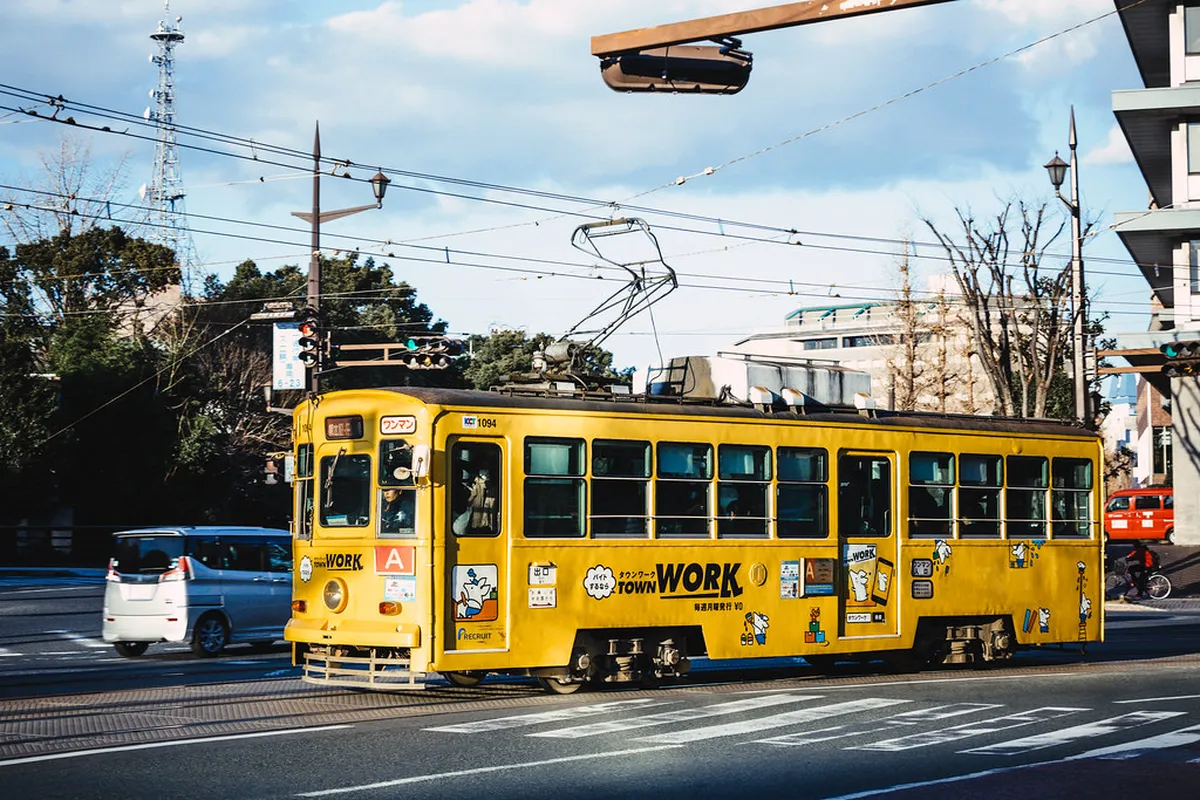
Table of Contents
Top Kumamoto Winter Transportation Tips for 2026 Travel
Traveling to Kumamoto in winter 2026 offers a unique and magical experience for visitors. This guide provides essential Kumamoto winter transportation tips to help you navigate with ease. You will discover many reliable ways to explore this historic city during the colder months.
The city's infrastructure remains very efficient even when temperatures drop significantly in January. Public transport options include nostalgic trams, modern buses, and high-speed trains. Navigating the city center is straightforward for international tourists using digital tools. You can enjoy the scenic beauty of Kumamoto without worrying about travel logistics.
Proper planning ensures you reach every destination comfortably and on schedule. Understanding the local transport network saves you both time and money. This article covers everything from tram routes to mountain driving safety during winter weather in Kumamoto. Let us explore the best ways to get around the region.
Efficient Kumamoto Winter Transportation Tips for Trams
To plan your trip, review Kumamoto travel info.
For practical details and last-minute changes, use Kumamoto travel info.
The Kumamoto City Tram is the most iconic way to see the sights. These colorful streetcars run frequently through the heart of the downtown area. They connect the main JR Kumamoto Station to Kumamoto Castle and Suizenji Garden. You will find two main lines, known as Line A and Line B.Riding the tram is very affordable for travelers on a budget. A single flat-fare ride costs 170 yen for adults in 2026. Children can ride the tram for a reduced price of 90 yen. You should board from the middle door and exit from the front door. For more details, see our Kumamoto tram system guide for tourists today.
Frequent travelers should consider buying a one-day tram pass. This pass costs 500 yen and allows for unlimited rides all day. You can purchase these passes directly from the tram driver or at hotels. The pass also offers small discounts at various local tourist attractions. It is a smart choice for a full day of sightseeing.
In winter, the trams are well-heated and provide a cozy escape from the wind. Large windows offer great views of the city streets as you travel. Most tram stops have digital displays showing the next arrival time. Staff at major stops often speak basic English to assist international visitors. Trams run from early morning until late in the evening every day.
Passengers must pay the fare when they exit the vehicle. You can use exact change or tap a compatible IC card on the reader. The fare machines can exchange 1,000 yen notes for smaller coins. Always keep your ticket or pass ready to show the driver. This ensures a smooth exit and keeps the schedule on track.
Renting a Car for Winter Mountain Trips
Renting a car is ideal for exploring the outskirts of Kumamoto. Areas like Mount Aso and Kurokawa Onsen are best reached by private vehicle. You can pick up cars at the airport or near the train station. Many major rental brands operate throughout the city in 2026.
Driving in the mountains requires extra caution during the winter months. Road surfaces toward Mount Aso can become icy or covered in snow. You must specifically request studless winter tires when you book your car. These tires provide the necessary grip for safe mountain navigation. Learn more about renting a car in Kumamoto winter before you arrive.
Daily rental costs for a small car average around 7,000 to 9,000 yen. This price usually includes basic insurance but excludes fuel and highway tolls. Most rental cars in Japan feature English-language GPS navigation systems. You will need an International Driving Permit to legally drive in Kumamoto. Always carry your physical passport and driver's license together.
Check the weather report before heading into high-altitude areas. Some mountain roads may close temporarily during heavy snowstorms for safety. Fuel stations are plentiful in the city but sparse in rural areas. It is wise to keep your tank at least half full. Driving at night in the mountains is not recommended for tourists.
Parking in the city center is generally available but costs money. Expect to pay between 200 and 400 yen per hour in downtown lots. Many hotels offer overnight parking for a flat daily fee. Look for blue "P" signs to find authorized parking zones nearby. Small automated lots are common and easy to use with cash.
Using the Shinkansen and Local Rail Lines
The Shinkansen is the fastest way to reach Kumamoto from other cities. Trains from Fukuoka arrive at Kumamoto Station in just 40 minutes. The JR Kyushu Shinkansen is famous for its elegant and comfortable interiors. These high-speed trains operate reliably throughout the winter season in 2026.
Travelers can use a JR Pass for significant savings on these journeys. You should reserve your seat in advance during busy holiday periods. Local trains also connect Kumamoto to nearby towns like Misumi and Aso. These smaller trains offer a slower pace and scenic countryside views. Read our shinkansen to Kumamoto winter travel tips for more advice.
Kumamoto Station serves as the major transit hub for the entire prefecture. It features many shops and restaurants inside the modern station building. Large coin lockers are available for storing heavy winter luggage safely. You can find the tourist information center on the ground floor. Staff there can provide updated maps and transit schedules in English.
Local trains usually run every 20 to 30 minutes during the day. Platforms are clearly marked in both Japanese and English for easy navigation. Be sure to check the train type before you board. Some services are local and stop at every small station. Others are rapid services that skip several smaller stops.
Waiting areas on train platforms are often enclosed and heated. This makes waiting for your train much more comfortable in January. Digital boards show the departure time and destination for every service. Listen for the charming melodies that play when trains arrive at the station. These local sounds add to the unique atmosphere of Japanese rail travel.
Navigating Buses and Airport Limousines
🎯 Insider Tip: Discover the best Kumamoto experiences with Viator Tours!
Buses offer extensive coverage beyond the tram and train networks. The Kumamoto Sakuramachi Terminal is one of the largest in Japan. From here, you can catch buses to almost any destination. This central hub is modern, indoors, and very easy to navigate.
The Airport Limousine Bus is the best link to the city. It runs between Aso Kumamoto Airport and the city center frequently. The journey takes about 50 to 60 minutes depending on traffic. A one-way ticket costs approximately 1,000 yen for an adult passenger. This service is much cheaper than taking a private taxi.
City buses use a distance-based fare system for most residential routes. You take a small numbered ticket when you enter from the rear. When you exit, check the display at the front for your fare. Drop the ticket and the exact change into the fare box. Most buses now accept major IC cards for convenience.
Look for buses decorated with the famous mascot, Kumamon the bear. These friendly buses are popular with tourists and locals alike. Many buses provide free Wi-Fi for passengers to use during their trip. This is helpful for checking maps or local restaurant reviews on the go. Driving staff are professional and adhere strictly to posted schedules.
Night buses are available for long-distance travel to Osaka or Tokyo. These buses feature reclining seats and sometimes even privacy curtains. They are a good way to save on a night's hotel cost. Book these tickets online or at the terminal ticket counter. Most long-distance buses depart from the Sakuramachi Terminal in the evening.
Using IC Cards and Mobile Map Apps
Digital tools make Kumamoto winter transportation tips even more effective. You should purchase a rechargeable IC card immediately upon arrival in Japan. Popular cards like Suica or Pasmo work perfectly on Kumamoto's public transport. These cards eliminate the need to carry pocketfuls of heavy coins. Read about how to use Kumamoto IC cards for detailed instructions.
Local card readers are located at the entrances of most vehicles. You simply tap the card when you get on and off. The system automatically calculates the correct fare for your specific journey. You can refill your card balance at any train station machine. Many convenience stores also allow you to add funds to your card.
Mobile applications like Google Maps are incredibly accurate for Kumamoto transit. They provide real-time data on bus and tram arrival times. Apps show the exact exit number you should use at stations. They also estimate the total fare for your planned trip. This helps you manage your travel budget more effectively in 2026.
Always keep a portable power bank in your day bag during winter. Cold weather can drain your smartphone battery much faster than usual. Having a working phone is essential for navigation and translation apps. Many public areas in Kumamoto offer clear signage in multiple languages. Feel confident as you explore this beautiful Japanese city this winter.
Walking is also a great option for the compact downtown core. Many streets are covered arcades that protect you from the winter rain. These shopping arcades link major transport stops to popular dining districts. You can walk from Sakuramachi to the castle area in ten minutes. Wear comfortable shoes with good grip for the best experience.
Frequently Asked Questions
Can I use the Japan Rail Pass on the Kumamoto City Tram?
No, the Japan Rail Pass is not valid on the tram. The city tram is operated by the municipal government, not JR. You must pay with cash or a rechargeable IC card. A one-day pass is available for 500 yen at many locations. This pass is separate from your JR Pass for trains.
Are winter tires necessary for driving within Kumamoto City?
Winter tires are usually not required for driving inside the city limits. Snow rarely accumulates on the main urban roads and melts quickly. However, you definitely need them for trips to Mount Aso. Rental companies provide these tires upon request for a small fee. Safety should always be your top priority during winter travel.
How do I get from Kumamoto Station to Kumamoto Castle in winter?
The easiest way is to take the Kumamoto City Tram from the station. Board Line A and get off at the Kumamotojo-mae stop. The trip takes about 15 minutes and costs 170 yen. From the stop, it is a short walk to the castle. The tram runs frequently throughout the day and evening.
What is the cheapest way to travel from the airport to downtown?
The Airport Limousine Bus is the most cost-effective transportation option. It costs about 1,000 yen and takes you directly to the center. Taxis cover the same route but are much more expensive. The bus is comfortable and has plenty of space for winter luggage. You can buy tickets at the arrival terminal vending machines.
Navigating Kumamoto in winter 2026 is both simple and enjoyable for all visitors. By following these Kumamoto winter transportation tips, you will travel like a local. Trams, buses, and trains provide reliable service throughout the colder months. Start planning your winter adventure to Kumamoto today for an unforgettable experience. Safe travels and enjoy the beautiful scenery of Kyushu!
Key Takeaways
- Use the Kumamoto City Tram for affordable travel at 170 yen per ride.
- Book studless tires for rental cars if you plan to visit Mount Aso.
- Purchase a rechargeable IC card like Suica for easy tap-and-go payments.
- Take the Airport Limousine Bus for a cost-effective ride into the city.
- Keep a portable battery for your phone to ensure navigation works in the cold.
Related reads: polarcityguide.com, kumamoto winter travel guide 2026.