
Golden Hour Photography in Kyoto Winter Guide
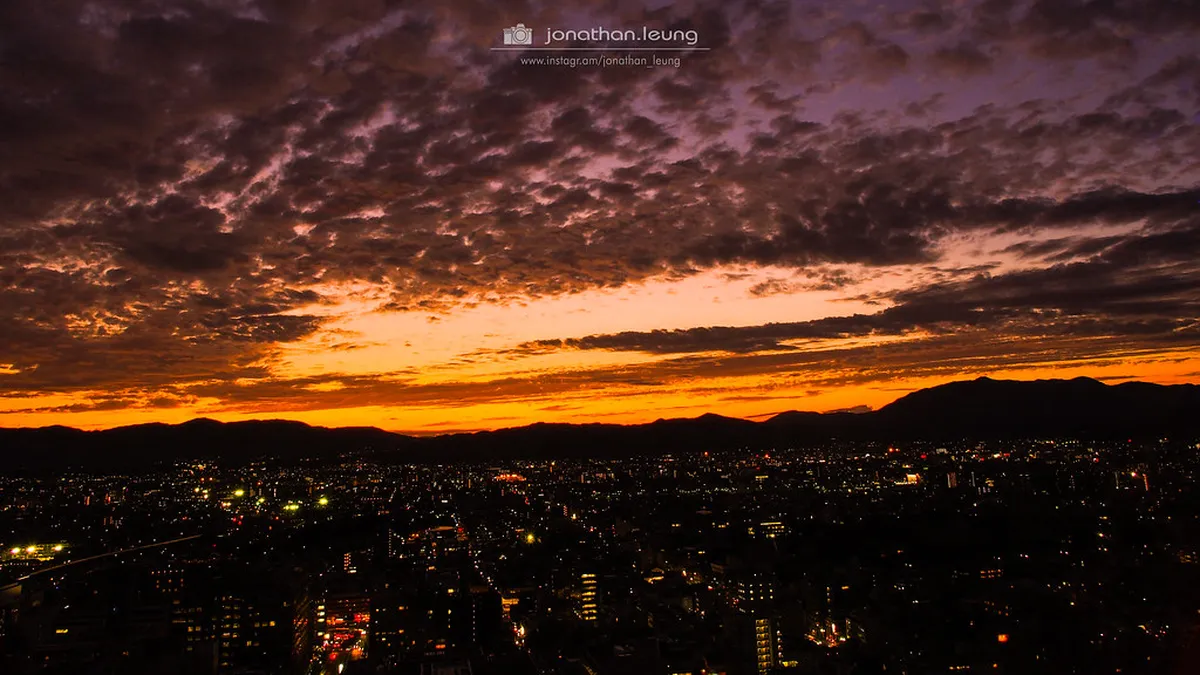
Table of Contents
Master Golden Hour Photography in Kyoto Winter
Kyoto is a dream destination for photographers during the winter season. The city transforms under a soft, golden glow every late afternoon. This golden hour photography in Kyoto winter guide covers everything you need. Prepare to capture the ancient capital in its most beautiful light.
Winter days in 2026 bring clear skies and crisp air. The low sun provides a unique warmth to the wooden temple structures. You can find stunning contrasts between the shadows and the light. Start with these essential Kyoto winter photography tips to prepare for your journey.
The light fades quickly during the shorter days of the Japanese winter. Planning your shoot location is vital for a successful photography session. You want to be in position well before the sun starts to dip. This guide ensures you never miss a perfect photo opportunity in Kyoto.
Understanding Winter Light in Kyoto
You can find the latest updates on Kyoto travel info.
For practical details and last-minute changes, use Kyoto travel info.
The winter sun in Kyoto hangs low in the sky all day. This low angle creates long shadows and soft, warm light for your photos. Golden hour starts earlier during the cold months of January and February. You should expect the best light to appear around 3:30 PM.Sunset usually occurs around 4:45 PM during the peak of winter. This gives you about one hour of prime shooting time each day. The light is much softer than the harsh rays of the summer months. You can capture deep oranges and soft pinks across the city skyline.
Clear winter skies allow the light to travel without much interference. This results in very sharp details and rich colors in your images. The atmosphere feels clean and helps your lens capture the finest textures. Ancient wood and stone paths look incredible under this specific lighting.
Watch the weather forecast for clear or partly cloudy days for best results. A few clouds can catch the light and add drama to your sky. Avoid completely overcast days as they will mute the golden tones. Tracking the sun position helps you find the best angles for temples.
Top Locations for Golden Hour Photography
The Kamo River is a perfect spot for open sky photography. Located in central Kyoto, this river offers wide views of the mountains. The water reflects the golden sky beautifully during the late afternoon. It is a free location accessible at any time of day.
Arashiyama Bamboo Grove provides a unique challenge for winter light seekers. The sun filters through the tall stalks in thin, glowing beams. Head to the Katsura River nearby for wide sunset shots over the Togetsukyo Bridge. The mountains in the background often turn a deep purple hue.
Kiyomizu-dera stands on a hillside at 1-294 Kiyomizu, Higashiyama Ward. This temple offers a panoramic view of the entire city during sunset. The wooden stage catches the golden light and glows a bright orange color. Entrance costs 400 JPY and the grounds stay open until 6 PM.
Fushimi Inari Shrine is famous for its thousands of bright orange torii gates. During golden hour, the light hits the gates at a low angle. This creates a rhythmic pattern of light and shadow along the mountain trails. The shrine is located at 68 Fukakusa Yabunouchicho and is free.
Check our guide on best camera settings for Kyoto snow scenes for more technical help. These settings work wonders when the golden light hits the white snow. You will capture a magical sparkle that only happens in winter. Make sure to arrive early to find the best composition.
Golden Hour Photography in Kyoto Winter Guide: Gear
Using a tripod is essential for sharp photos during the late afternoon. As the sun sets, your shutter speed will naturally begin to slow down. A sturdy tripod prevents camera shake when capturing the dimming city lights. Look for lightweight travel tripods that are easy to carry around.
Keep extra batteries close to your body to keep them warm. Cold weather drains battery power much faster than a warm environment. You do not want your camera to die during the peak light. Learn about protecting camera gear from Kyoto cold winter to avoid equipment failure.
A wide-angle lens is great for capturing vast temple grounds and landscapes. Use a prime lens with a wide aperture for portraits in golden light. The f/1.8 or f/2.8 settings create a beautiful blur in the background. This helps your subject stand out against the historic Kyoto architecture.
Lens hoods are useful even when the sun is low in the sky. They help prevent unwanted lens flare from direct sunlight hitting the glass. However, some photographers use flare artistically during the golden hour sessions. Experiment with both styles to see which look you prefer most.
Technical Settings for Winter Sunsets
💡 Pro Tip: Book your Kyoto adventures in advance through Viator for the best deals!
Set your white balance to the 'Cloudy' or 'Shade' preset manually. This will enhance the warm tones already present in the golden hour light. Shooting in RAW format gives you the most control during post-processing. You can adjust the warmth later if the camera gets it wrong.
Keep your ISO as low as possible to maintain high image quality. An ISO of 100 or 200 is ideal for the early golden hour. As it gets darker, you may need to increase it slightly. Modern cameras handle higher ISO settings very well without adding too much noise.
Use exposure compensation if the scene has a lot of bright snow. The camera might try to underexpose the scene to compensate for the white. Adding +0.7 or +1.0 exposure can keep the snow looking bright and clean. Always check your histogram to ensure you are not losing detail.
Focus on the details of the temples to tell a deeper story. Capture the frost on the stone lanterns or the texture of roof tiles. These small elements look stunning when backlit by the setting winter sun. Take multiple shots at different exposures to create a perfect HDR image.
Composition Tips for Historic Kyoto
🎯 Insider Tip: Discover the best Kyoto experiences with Viator Tours!
Look for leading lines in the narrow streets of the Gion district. The traditional wooden buildings create perfect frames for your golden hour shots. Wait for a person in a kimono to walk into your frame. This adds a sense of scale and culture to your photograph.
Use the long shadows of the winter sun to create depth. Shadows can lead the eye toward the main subject of your photo. Position yourself so the sun is to your side for maximum texture. This side-lighting highlights the age and beauty of the ancient structures.
Silhouettes are a powerful way to use the bright golden hour sky. Place a temple pagoda between your camera and the setting sun. Expose for the bright sky to turn the building into a dark shape. This creates a dramatic and iconic image of the Kyoto skyline.
Reflections offer another layer of interest to your winter photography compositions. Look for puddles after a light rain or melting snow on paths. The golden sky reflected in the water adds symmetry to your work. This technique works exceptionally well near the ponds of Zen gardens.
Frequently Asked Questions
What time is golden hour in Kyoto during winter?
Golden hour usually begins around 3:45 PM during the winter months. It lasts until the sun sets completely around 4:45 PM. You should arrive at your location by 3:00 PM to prepare. This ensures you have time to find the best possible angles.
Are tripods allowed in Kyoto temples for photography?
Many major temples in Kyoto actually ban the use of tripods. This rule helps protect the ancient wooden floors and prevents crowding. Always check the signs at the entrance of each temple or shrine. Use a monopod or high ISO settings if tripods are not permitted.
Does it often snow in Kyoto during the winter?
Kyoto receives light snowfall several times throughout the winter months of 2026. The snow usually does not stay on the ground for very long. Early morning is the best time to find fresh snow on temples. Combine snow with golden hour for the most incredible photography results.
What should I wear for winter photography in Kyoto?
Dress in warm layers because you will be standing still for long periods. Thermal underwear and windproof jackets are essential for staying comfortable outdoors. Wear gloves that allow you to operate your camera buttons easily. Heat packs called 'kairo' are sold in local convenience stores for extra warmth.
Capturing the golden hour in Kyoto during winter is a rewarding experience. The unique light of 2026 provides endless opportunities for stunning travel photography. Follow this golden hour photography in Kyoto winter guide for the best results. Remember to respect local rules while exploring the beautiful historic sites. Start planning your winter photography trip to Japan today for memories that last forever.
Key Takeaways
- Arrive at your location by 3:00 PM for the best light.
- Use a tripod where allowed to handle lower light levels.
- Keep your batteries warm to prevent them from dying quickly.
- Visit Kiyomizu-dera for the best sunset views over the city.
- Shoot in RAW format to capture all the golden details.
Related reads: polarcityguide.com, kyoto winter travel guide 2026, night photography tips for kyoto winter illuminations.