
Kyoto New Year Shrine Visit Traditions 2026
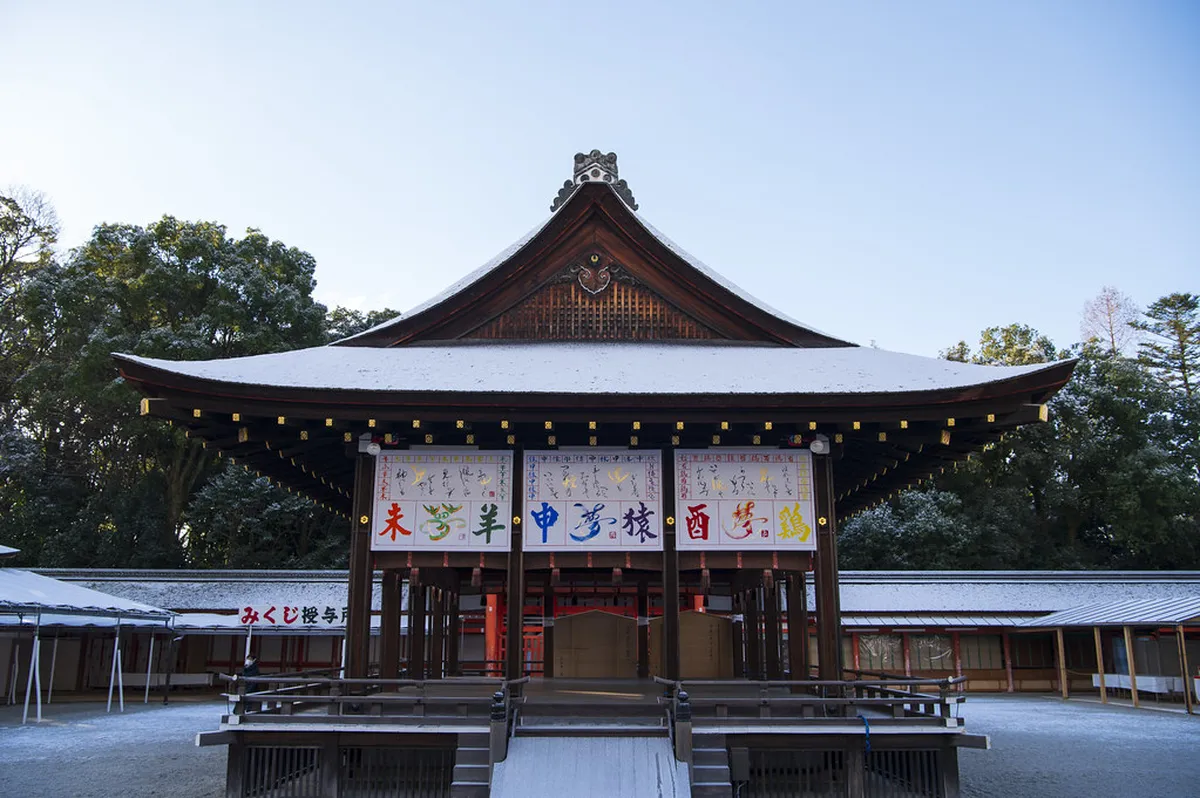
Table of Contents
Kyoto New Year Shrine Visit Traditions and Customs
Kyoto serves as the spiritual heart of Japan during the beautiful and cold winter months. Locals call the first shrine visit of the year Hatsumode to welcome the future together. You can experience Kyoto New Year shrine visit traditions and customs throughout the historic city streets. Most residents visit a sacred shrine during the first three days of January for luck.
Visiting a shrine in 2026 offers a unique chance to see ancient Japanese culture firsthand. You will see people wearing traditional kimono while walking through the scenic temple grounds daily. The atmosphere feels both solemn and exciting as the new year officially begins for everyone. This guide helps you navigate the best spots for a meaningful and memorable holiday experience.
Guide to Kyoto New Year Shrine Visit Traditions and Customs
For current hours, prices, and announcements, start with Kyoto travel info.
You can find the latest updates on Kyoto travel info.
Understanding the spiritual meaning of Hatsumode is the first step for any visitor to Japan. This tradition involves visiting a shrine or temple to pray for safety and good health. Most people aim to visit within the first three days of the new calendar year. You will find that Kyoto residents take these rituals very seriously for their family's future.The act of praying at a shrine involves specific steps that show respect to the spirits. Visitors usually throw a small coin into a wooden box before ringing a large bell. You should bow twice, clap your hands twice, and then bow one final time afterward. These simple physical actions help focus your mind on your goals for the upcoming new year.
Many shrines in Kyoto host small markets where you can buy traditional food and warm drinks. You should try a cup of hot amazake which is a sweet fermented rice drink. This beverage keeps you warm while you wait in the long lines for your turn. The combination of steam and incense creates a magical feeling in the crisp winter air.
People also use this time to return their old lucky charms from the previous calendar year. Shrines provide designated areas where these items are collected and burned in a ritual fire. This process symbolizes letting go of the past to make room for new blessings today. It is a beautiful way to start 2026 with a clean and fresh spiritual slate.
Best Shrines for Your Kyoto New Year Visit
Yasaka Shrine remains one of the most popular locations for experiencing traditional New Year festival nights. The shrine is located in the Gion district and features hundreds of glowing lanterns every evening. You can see many locals performing rituals at Yasaka Shrine during winter for good fortune. The vibrant colors and bustling crowds make it a highlight for any winter trip.
Fushimi Inari Shrine is another essential stop for those seeking a truly iconic Japanese holiday experience. The thousands of red torii gates look stunning against the winter sky during the early morning. Most visitors climb the mountain path to pray at the various smaller altars along the way. Be prepared for very large crowds if you visit during the first day of January.
Heian Jingu Shrine offers a spacious courtyard that accommodates the thousands of visitors who arrive annually. The large red gate provides a perfect backdrop for your holiday photos during the festive season. You will find many stalls selling traditional crafts and seasonal snacks throughout the vast shrine grounds. It is a great place to experience a grand scale celebration with local Kyoto residents.
Shimogamo Shrine provides a more peaceful atmosphere for those who want to avoid the largest city crowds. This ancient forest setting feels secluded and spiritual even during the busy New Year holiday period. You can observe traditional archery events if you time your visit according to the local schedule. The natural beauty of the surrounding trees adds a layer of calm to your prayers.
Common Customs and Etiquette for Visitors
You must follow proper etiquette to show respect while visiting these sacred Japanese cultural sites. Begin by cleaning your hands and mouth at the stone water basin near the entrance. Use the wooden ladle to pour water over each hand without touching the ladle directly. This purification ritual prepares your spirit for entering the presence of the shrine's resident deity.
Silence is generally expected when you are standing within the main prayer areas of the shrine. You should keep your voice low and avoid using your mobile phone during the formal rituals. Many people wait for over an hour to reach the front of the prayer hall. Patience is a key part of the experience during the busy first week of January.
You can refer to a Kyoto winter travel guide for more tips on navigating the city. Wearing warm layers is essential because most of the waiting happens outdoors in the cold. A heavy coat, gloves, and a scarf will make your shrine visit much more comfortable. Most locals also use heat packs called kairo to stay warm while standing in lines.
Photography is often allowed in the outer areas but may be restricted inside the main halls. Always look for signs that indicate whether you can take pictures of the sacred altars. Asking for permission before photographing people in traditional dress is always a polite and appreciated gesture. Respecting the privacy of those praying ensures a positive experience for every visitor in Kyoto.
Finding Luck with Omikuji and Charms
🌟 Local Expert Tip: Get the most out of your Kyoto visit with guided tours!
Buying an omikuji paper fortune is a highlight of any Kyoto New Year shrine visit tradition. You pay a small fee and shake a wooden box to receive a numbered stick. The number corresponds to a paper that tells you your luck for the coming year. Fortunes can range from great blessing to small curse depending on your current spiritual path.
If you receive a bad fortune, you should tie the paper to a designated branch. This action leaves the bad luck behind so it does not follow you home today. Most shrines have special wires or trees specifically for this purpose near the main prayer hall. Tying the paper carefully with one hand is considered a sign of great skill.
You may also purchase various lucky charms known as omamori to protect you throughout the year 2026. These colorful silk pouches contain prayers for specific things like health, wealth, or safe travel. People often hang these charms on their bags or keep them inside their daily wallets. They serve as a constant reminder of the spiritual goals you set during your visit.
Another popular item is the hamaya which is a symbolic wooden arrow used to ward off evil. Families often buy these arrows to display in their homes during the first month of January. You will see many people carrying these long arrows as they walk through the city streets. These items are important parts of the winter festivals in Kyoto celebration.
Planning Your New Year Trip to Kyoto
Transportation during the New Year period requires some extra planning due to the massive local crowds. Buses and trains often run on a special holiday schedule during the first week of January. You should check the latest timetables before leaving your hotel to ensure a smooth travel day. Walking between nearby shrines is often faster than waiting for a crowded public bus or taxi.
Many smaller shops and restaurants close for several days during the traditional New Year holiday break. You should check the opening hours of specific places you want to visit in advance online. Larger department stores usually reopen on the second day of January for their famous lucky bag sales. Planning your meals ahead of time will prevent you from searching for open restaurants in Kyoto.
Accommodation prices tend to rise significantly during the peak travel dates surrounding the start of January. You should book your hotel several months in advance to secure a reasonable nightly room rate. Staying near the main Kyoto Station area provides easy access to various train lines and buses. This location makes it much simpler to reach multiple shrines across the city in one day.
The weather in Kyoto during January is typically very cold with occasional light dustings of snow. Temperatures often hover around five degrees Celsius during the day and drop much lower at night. You will enjoy the crisp air if you are dressed properly for the winter outdoor activities. The beauty of the shrines is enhanced by the quiet and cold atmosphere of the season.
Frequently Asked Questions
What is the best time to visit shrines in Kyoto for New Year?
The best time to visit for a quieter experience is early in the morning. Most crowds arrive after 10 AM and stay until late in the afternoon each day. Visiting late at night on January first offers a unique and festive atmosphere for travelers. You will see the most traditional activities during the first three days of the month.
What should I wear to a Kyoto shrine in January?
You should wear several warm layers including a thermal base layer and a heavy winter coat. Comfortable walking shoes are essential because you will spend many hours standing on cold stone floors. Many visitors choose to wear traditional kimono to participate fully in the local cultural customs. Do not forget a hat and gloves to protect yourself from the freezing wind.
Are Kyoto shrines crowded during the first week of January?
Yes, the most famous shrines like Fushimi Inari and Yasaka will be extremely crowded then. You should expect to wait in long lines for both praying and buying lucky charms. If you prefer a quiet experience, consider visiting smaller local shrines in the residential neighborhoods. These smaller spots still offer a beautiful and authentic New Year spiritual experience for everyone.
Can I buy lucky charms at Kyoto shrines in 2026?
You can definitely buy lucky charms at almost every shrine throughout the entire city in 2026. Most shrines set up extra stalls to handle the high demand for omamori and omikuji fortunes. These items make excellent souvenirs and meaningful gifts for your friends and family back home. Be sure to bring small cash denominations for faster transactions at the busy stalls.
Kyoto New Year shrine visit traditions and customs offer a profound way to start your 2026 journey. By following local etiquette and visiting historic sites, you gain a deeper appreciation for Japanese culture. Remember to dress warmly and plan your transportation to avoid the heaviest holiday crowds this winter. May your visit to these sacred shrines bring you much peace and happiness throughout the year.
Key Takeaways
- Visit shrines between January 1st and 3rd for the traditional Hatsumode experience.
- Follow the bow-clap-bow ritual to show proper respect during your shrine prayers.
- Purchase an omikuji fortune and tie it to a branch if the luck is bad.
- Dress in warm layers and use heat packs to stay comfortable in the cold.
- Try traditional amazake from shrine stalls to stay warm while waiting in line.
Related reads: polarcityguide.com, setsubun festival events in kyoto temples 2026, shimogamo shrine winter archery events schedule 2026.