
Kyoto Plum Blossom Festivals in February 2026
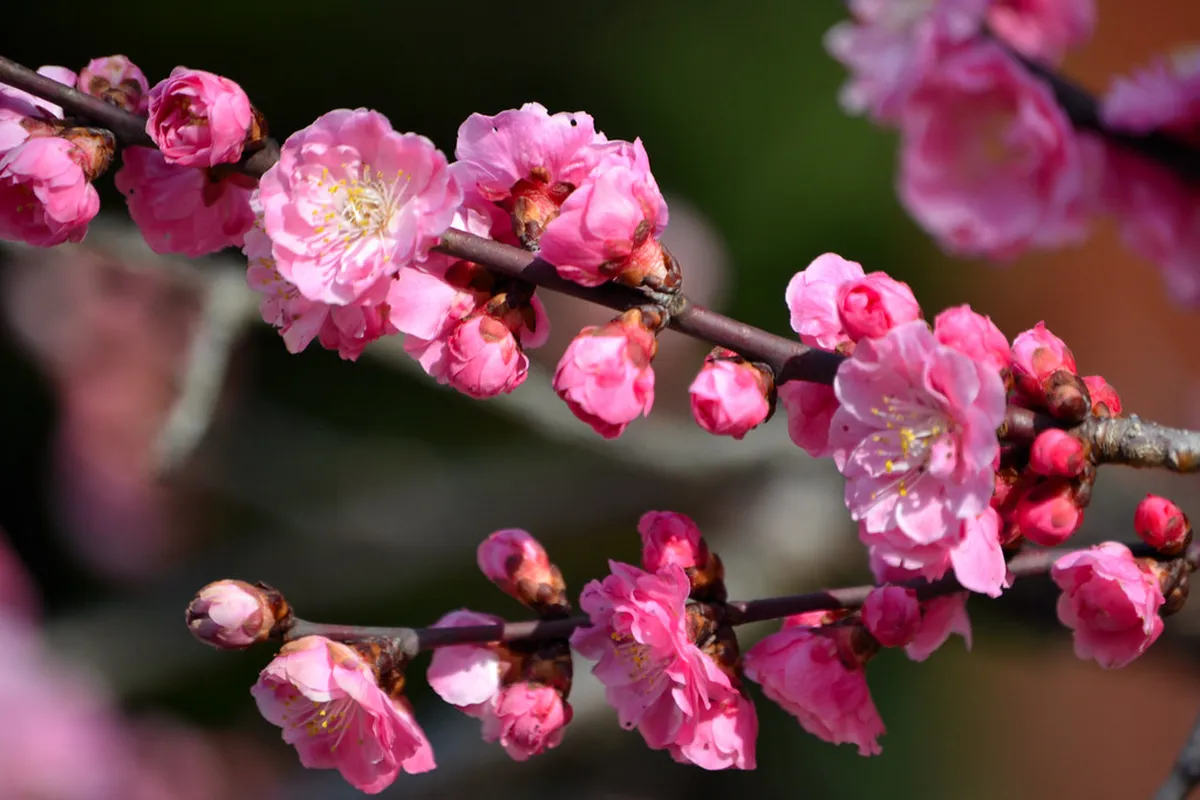
Table of Contents
Top Kyoto Plum Blossom Festivals in February 2026 Guide
Kyoto awakens with vibrant colors during the annual Kyoto plum blossom festivals in February 2026. These delicate flowers represent the very first signs of spring throughout the historic imperial capital. You will find thousands of trees blooming in shades of white, pink, and deep red. Many travelers consider this season one of the most peaceful times to explore the city.
The plum blossom, or ume, holds deep cultural significance for the people of Japan. These blossoms are often overshadowed by the later cherry blossoms but offer a unique charm. You can enjoy the sweet fragrance and stunning sights without the massive spring tourist crowds. This guide will help you navigate the best events and locations for your upcoming trip.
Kitano Tenmangu Baikasai Festival 2026
You can find the latest updates on Kyoto travel info.
For official information, visit Kyoto travel info.
Kitano Tenmangu Shrine hosts the most famous of the Kyoto plum blossom festivals in February 2026. This grand event occurs every year on February 25th to honor the scholar Sugawara no Michizane. The shrine grounds feature over 2,000 plum trees that create a sea of vibrant blossoms. Visitors often describe the atmosphere as both spiritual and incredibly beautiful during the peak bloom.A highlights of this festival is the open-air tea ceremony held under the blooming trees. Elegant geiko and maiko from the nearby Kamishichiken district serve matcha and sweets to guests. This tradition has been a part of the shrine's history for many hundreds of years. You should expect to pay around 2,000 yen for a ticket to this exclusive experience.
The shrine also hosts a large outdoor market on the same day as the festival. Hundreds of vendors sell antique goods, traditional crafts, and delicious local street food to visitors. Exploring the market is an excellent way to see many different winter festivals in Kyoto. Arrive early in the morning to enjoy the blossoms before the largest crowds arrive.
Entry to the main shrine grounds is free, but the plum grove requires a separate fee. The grove usually costs 1,000 yen and includes a small snack for you to enjoy. Take your time walking through the winding paths to see the different plum varieties. The combination of historical architecture and floral beauty provides endless opportunities for stunning photography.
Jonangu Shrine Weeping Plum Blossoms
Jonangu Shrine is widely known for its spectacular display of weeping plum trees in late February. The shrine garden features 150 weeping plums that cascade toward the moss-covered ground. These trees create a curtain of pink and white blossoms that look like a floral waterfall. It is arguably the most photogenic spot in the city during the winter months.
The garden design incorporates streams and ancient stones to complement the beauty of the trees. You will see fallen petals floating on the water, creating a very serene and artistic scene. This location is slightly away from the city center, making it a quieter escape for travelers. The entrance fee for the beautiful garden is approximately 800 yen for adults.
Many people visit Jonangu specifically to see the fallen camellia flowers among the plum trees. The bright red camellias on the green moss under pink blossoms provide a striking color contrast. This natural phenomenon usually occurs during the last week of February and early March. Be sure to bring a high-quality camera to capture these intricate details of nature.
Getting to the shrine is easy via the Karasuma Subway Line or a short bus ride. Most visitors spend at least ninety minutes wandering through the various sections of the shrine. There are small shops nearby where you can purchase plum-themed souvenirs and local seasonal treats. It remains a must-see destination for anyone visiting Kyoto during the plum season.
Nijo Castle Plum Grove Experience
Nijo Castle offers a unique historical backdrop for viewing plum blossoms within the ancient city walls. The plum grove is located in the southwest corner of this massive UNESCO World Heritage site. It contains approximately 130 trees, including several rare species that bloom at different times. Walking through the grove feels like stepping back into the era of the powerful shoguns.
The castle grounds are expansive, so you should allow plenty of time for your walking tour. Entrance to the castle costs 800 yen, with an extra fee for the Ninomaru Palace. The plum grove provides a quiet space away from the busier palace buildings and stone gardens. You can enjoy the sight of blossoms against the dark wood of the historic gates.
Different varieties of plum trees ensure that blossoms are visible throughout the entire month of February. Some trees feature white blossoms with a light scent, while others have dark, dramatic pink petals. The grove is particularly beautiful when the afternoon sun hits the flowers at a low angle. It is a perfect spot for a relaxing walk after exploring the castle interior.
Information boards throughout the garden explain the different types of trees and their specific flowering patterns. This educational aspect makes the visit even more rewarding for nature lovers and history buffs alike. You can easily combine this visit with other nearby attractions in the central Kyoto area. The castle is conveniently located right next to the Nijojo-mae Subway Station for easy access.
Zuishin-in Temple Plum Blossom Beauty
⭐ Recommendation: Don't miss out on amazing Kyoto tours - book now!
Zuishin-in Temple is a hidden gem located in the Yamashina district of eastern Kyoto. This temple is famous for its connection to Ono no Komachi, a legendary poet. The plum garden here is known as the Ono Plum Garden and features vivid pink blossoms. These trees are famous for their deep hue, often referred to as Hanezu-colored plums.
The temple atmosphere is much more intimate than the larger shrines found in the city center. You can explore the garden for a modest entry fee of about 500 yen per person. The pink blossoms typically reach their peak beauty during the final week of February each year. It is a wonderful place to experience traditional Japanese aesthetics in a very quiet setting.
A special dance performance called the Hanezu Odori takes place late in the plum season. Young girls dressed in traditional pink robes perform dances that celebrate the arrival of the spring. While the main performance is in late March, the early blossoms are the primary February attraction. You will find many locals visiting this temple to pay their respects and enjoy nature.
The temple buildings themselves house beautiful fusuma paintings that are well worth your time to see. You can sit on the wooden verandas and look out over the plum garden in peace. This temple is a bit further from the main tourist trail but highly recommended for enthusiasts. It offers a truly authentic Kyoto experience during the chilly but beautiful winter season.
Tips for Your 2026 Kyoto Winter Trip
🎯 Insider Tip: Discover the best Kyoto experiences with Viator Tours!
Planning for the Kyoto plum blossom festivals in February 2026 requires some basic preparation for the weather. February is often the coldest month in Kyoto, with temperatures occasionally dropping near the freezing point. You should check the Kyoto winter weather guide to pack the correct layers. Warm clothing will make your outdoor flower viewing much more enjoyable throughout the day.
Most plum festivals do not require advance tickets for general entry to the shrine or temple grounds. However, special events like the Kitano Tenmangu tea ceremony often sell out very quickly in advance. You should look into booking tickets for Kyoto winter events 2026 as soon as they become available. Early planning ensures you do not miss out on these unique cultural opportunities.
Public transportation is the most efficient way to travel between the different plum blossom sites in Kyoto. The city's bus and subway networks are reliable and cover all the major festival locations mentioned. Consider purchasing a one-day pass to save money if you plan to visit multiple shrines. Most sites are open from 9:00 AM until about 4:30 PM during the winter months.
- Dress in layers: Wear a heavy coat, scarf, and gloves for early morning visits.
- Carry cash: Many smaller temples and food stalls only accept physical yen for payments.
- Check bloom reports: Use local websites to find which gardens are currently at peak bloom.
- Respect the trees: Never touch the branches or blossoms while you are taking your photos.
Frequently Asked Questions
🌟 Local Expert Tip: Get the most out of your Kyoto visit with guided tours!
When is the best time to see plum blossoms in Kyoto?
The best time usually falls between mid-February and early March for most locations in Kyoto. Peak bloom varies slightly each year depending on the temperature during the preceding winter months. Kitano Tenmangu is traditionally at its best around February 25th for the annual festival. Always check local flowering reports online before you begin your daily travel itinerary.
Are plum blossom festivals in Kyoto free to attend?
Many shrine grounds offer free entry to the public for general walking and basic viewing. However, specific plum groves and private temple gardens usually charge a small fee for entrance. These fees typically range from 500 to 1,000 yen per adult visitor. The money helps maintain the historic gardens and the health of the ancient plum trees.
How do plum blossoms differ from cherry blossoms?
Plum blossoms have a very strong, sweet fragrance that cherry blossoms generally lack in nature. The petals of plum blossoms are rounded, while cherry blossom petals have a small notch. Plum flowers grow directly from the branch, but cherry blossoms hang from long, thin green stalks. Plum trees also bloom much earlier in the year when the weather is still cold.
The Kyoto plum blossom festivals in February 2026 offer a magical experience for every winter traveler. You can enjoy the combination of historic architecture, sweet floral scents, and vibrant seasonal colors. From the grand ceremonies at Kitano Tenmangu to the quiet beauty of Zuishin-in, there is much to see. Plan your visit today to experience the quiet elegance of Kyoto's first signs of spring.
Key Takeaways
⭐ Recommendation: Don't miss out on amazing Kyoto tours - book now!
- Visit Kitano Tenmangu on February 25th for the famous Baikasai tea ceremony.
- Explore Jonangu Shrine for the most spectacular weeping plum blossoms in the city.
- Pack warm clothing and layers as Kyoto remains quite cold throughout February.
- Use public transportation passes to easily travel between different temple and shrine locations.
Related reads: polarcityguide.com, kyoto winter travel guide 2026, setsubun festival events in kyoto temples 2026.