
Kyoto City Center Public Bathhouses Guide
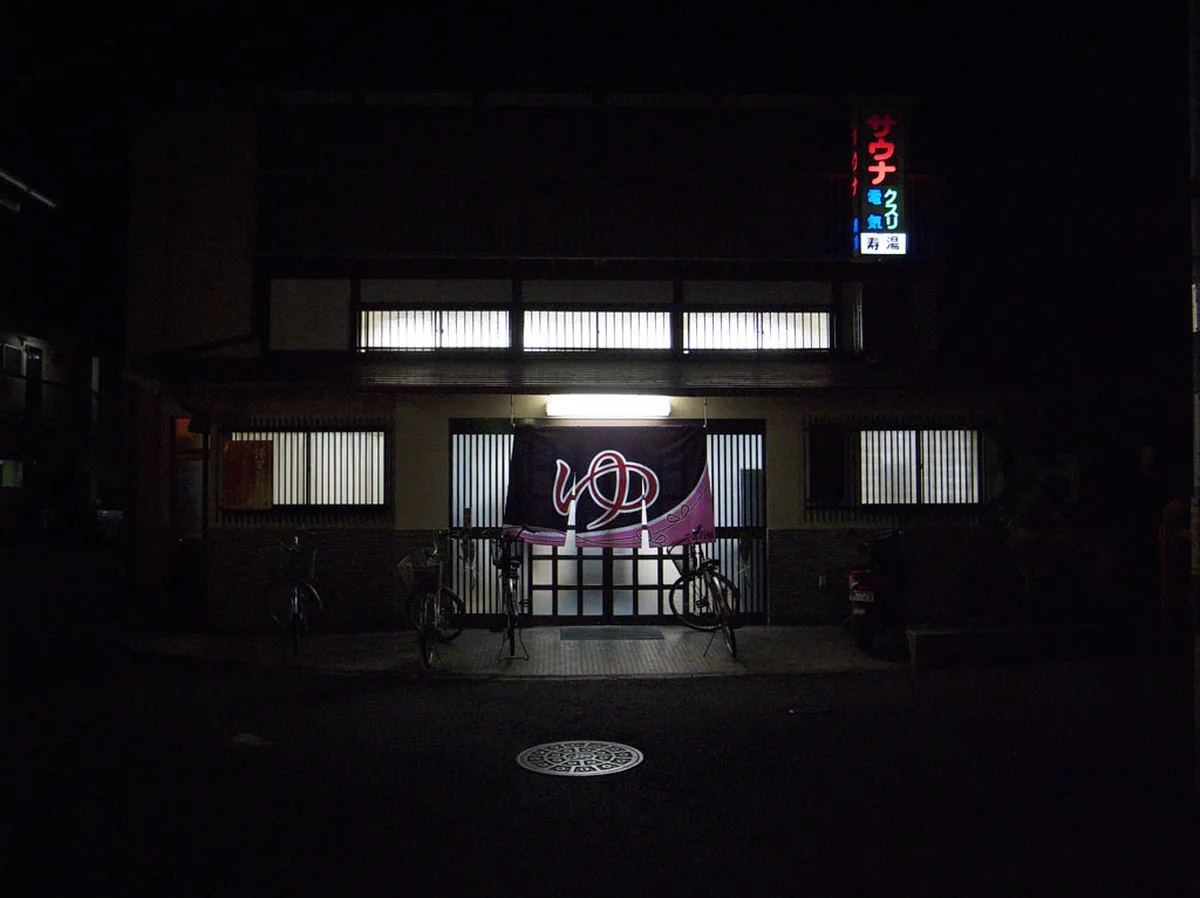
Table of Contents
Best Public Bathhouses in Kyoto City Center Guide
Kyoto is a beautiful city where ancient Japanese tradition meets modern and busy urban living today. You will find many hidden gems tucked away inside the small and quiet neighborhood streets here. These local places are perfect for relaxing your tired muscles after a long day of sightseeing. Our public bathhouses in Kyoto city center guide helps you find the best spots for soaking.
Many visitors look for a relaxing onsen near Kyoto city during their busy travels through Japan. While natural volcanic springs are quite rare in the center, sento provide a very similar experience. These communal public baths use heated tap water or mineral well water for all the residents. They offer a unique window into the social fabric and daily lives of people in Kyoto.
History of Traditional Kyoto Bathhouses
The city of Kyoto has maintained its historic bathhouse culture for hundreds of successful years now. Most residential homes did not have private baths until the middle of the twentieth century period. Neighborhood residents gathered at local sento to wash and socialize with friends every single evening. These spaces acted as communal living rooms for the entire neighborhood during those older times.
The city center still hosts many of these beautiful wooden structures for visitors to explore today. You can see architectural styles from the Taisho and Showa eras in many different neighborhoods. Many buildings feature intricate tile work and traditional curved gables on their historic wooden roofs. They represent a vanishing part of Japan’s architectural and social history in a modern world.
Many of these bathhouses have been run by the same families for several generations of owners. They take great pride in maintaining the boilers and keeping the facilities very clean for everyone. You can still see the original architectural details that make each sento unique and special today. Visiting these spots allows you to support small local businesses while enjoying a relaxing experience.
Funaoka Onsen: A Historic Cultural Gem
Funaoka Onsen is perhaps the most famous and historic bathhouse in the whole city of Kyoto. It was first established as a high-end restaurant and traditional inn in the year 1923. The building survived many wars and remains a stunning example of classic Japanese architectural design today. It became a registered tangible cultural property of Japan during the early years of this century.
The interior features incredible wood carvings that depict many famous historical scenes and ancient battles. You will find these impressive artworks on the high ceilings of the wooden changing rooms here. The bathhouse also offers the first electric bath ever installed in a Japanese facility long ago. Guests can enjoy several different outdoor pools that are surrounded by beautiful and traditional stone gardens.
The location is slightly north of the main city center but very easy to reach by bus. It is surrounded by several small cafes and traditional craft shops that are worth visiting later. Make sure to check the opening hours as they usually open in the mid-afternoon each day. You can find many helpful maps and guides to help you navigate this quiet neighborhood area.
Goko-yu: Modern Amenities and Saunas
Goko-yu is a favorite destination for those travelers who love high-quality and very hot saunas. This large facility is located very close to the central Gojo area in downtown Kyoto city. It offers two separate floors of bathing options for a very low and affordable entry price. Locals love this spot for its intense dry heat and the refreshing cold water plunge pools.
The second floor contains a specialized herbal sauna and a very popular hot salt steam room. You can soak in medicinal baths that use traditional Japanese root and herb blends for healing. These special baths are said to help with chronic muscle pain and overall skin health issues. The water is always kept at a very comfortable and consistent temperature for all the guests.
The facility also includes a small area where you can buy cold drinks after your bath. Drinking a bottle of cold fruit milk is a classic tradition after soaking in a sento. This spot is very popular with younger people who enjoy the modern and diverse sauna options. The staff is friendly and can help you understand the different types of baths available here.
Essential Public Bathhouses in Kyoto City Center Guide
🌟 Local Expert Tip: Get the most out of your Kyoto visit with guided tours!
Navigating these local spots is very easy when you use our public bathhouses in Kyoto city center guide. Most sento facilities follow a very similar layout and a strict set of internal house rules. You should always wash your entire body thoroughly before you enter the large communal pools there. This traditional practice keeps the shared water clean for every guest who visits the facility daily.
You will find small plastic stools and basins located near the individual shower taps for use. Please sit down while you rinse your body to avoid splashing other people who are nearby. Remember to keep your long hair tied up and completely out of the hot bath water. Following these simple steps shows great respect for the local culture and the other Japanese bathers.
Be sure to check onsen etiquette for first-time travelers Kyoto for more specific and helpful details. These rules ensure that everyone has a peaceful and hygienic experience during their bathhouse visit today. You will feel much more confident after learning all the basic Japanese bathing procedures and tips. Most locals are very friendly if they see you trying your best to follow the customs.
Most bathhouses have separate entrances for men and women which are clearly marked with colored curtains. The male side usually has a blue curtain while the female side has a bright red curtain. You will pay your entry fee at the front desk before entering the large changing areas. Make sure to remove your shoes and place them in the small lockers near the entrance.
Nishiki-yu: A Vintage Experience Near the Market
Nishiki-yu is located right near the world-famous Nishiki Market in the middle of central Kyoto city. This historic bathhouse has a very vintage atmosphere that takes you back in time many decades. The changing rooms feature old wooden lockers and traditional wicker baskets for holding your personal clothes. It is a popular spot for market workers to relax and chat after their long shifts.
The bathhouse uses a traditional wood-fired boiler system to heat all the communal bathing water daily. This older method creates a gentle heat that many bathers find much more relaxing and soothing. You can often hear the crackle of the fire from some parts of the old building. The simple tile designs offer a humble and very peaceful environment for everyone to enjoy today.
Inside the bathing area, you will see beautiful murals painted on the tiled walls for decoration. These paintings often depict Mount Fuji or other famous landscapes found throughout the country of Japan. They provide a sense of vastness and beauty while you soak in the warm and healing water. Many artists specialize in creating these unique murals for the public bathhouses across the entire city.
Hakusan-yu: Famous Natural Well Water
Hakusan-yu Rokujo is famous for its high-quality natural groundwater source that comes from deep underground. This bathhouse is situated just a short walk away from the main and busy Kyoto Station. It provides a massive outdoor bath area that feels like a beautiful and secret hidden garden. The water feels incredibly soft on your skin compared to the standard tap water found elsewhere.
Many modern travelers visit this location during their Kyoto winter travel guide 2026 trip for warmth. The steam rising from the hot tubs provides great warmth in the cold and snowy air. You can enjoy the fresh air while sitting in the deep stone baths during the evening. It is a perfect way to end a day of winter sightseeing around the historic city.
The changing area is spacious and provides plenty of room for your belongings and heavy winter coats. You can use the lockers which usually require a small coin that is returned after use. This facility is a great choice if you want a high-quality soak near the transport hub. Local residents often rank this bathhouse as one of the best for relaxation and water quality.
Frequently Asked Questions
How much does a public bath in Kyoto cost?
In 2026, most sento in Kyoto charge a standard fee of exactly four hundred and ninety yen. Children and infants usually pay a much lower and affordable rate for entry to the baths. This price is set by the local government to keep bathing affordable for all the citizens. You can pay this small fee directly at the front counter when you enter the building.
Are tattoos allowed in Kyoto public bathhouses?
Most traditional neighborhood sento in Kyoto are very welcoming to guests who have visible tattoos. Unlike the large modern theme parks, neighborhood baths usually do not have strict tattoo bans here. You can enjoy your soak without worrying about covering your skin in these local communal spaces. Always check the sign at the entrance to be completely sure about the specific house rules.
Do I need to bring my own towel and soap?
You should bring your own small towel and personal soap to a local Japanese sento facility. Most places also sell small kits or rent towels for a very small additional and fair fee. This makes it very convenient for travelers who are visiting the bathhouses on a whim today. Remember to dry your body before you step back into the wooden changing room area.
Kyoto is a wonderful place to explore the historic world of traditional Japanese public bathing culture. You will find that these local sento offer much more than just a simple hot wash. They provide a special space for quiet reflection and connection with the local Kyoto community members. Use our public bathhouses in Kyoto city center guide to find your perfect and relaxing soak.
Key Takeaways
⭐ Recommendation: Don't miss out on amazing Kyoto tours - book now!
- Visit Funaoka Onsen for a historic and culturally rich bathing experience in the city center.
- Bring your own towel and toiletries or be prepared to buy a small kit at reception.
- Respect local etiquette by washing your body thoroughly before entering any of the communal bathing pools.
Related reads: polarcityguide.com, best day trip onsen from kyoto station, kurama onsen winter outdoor bath visitor guide.