
Sake Brewery Tours in Fushimi Kyoto Winter Guide
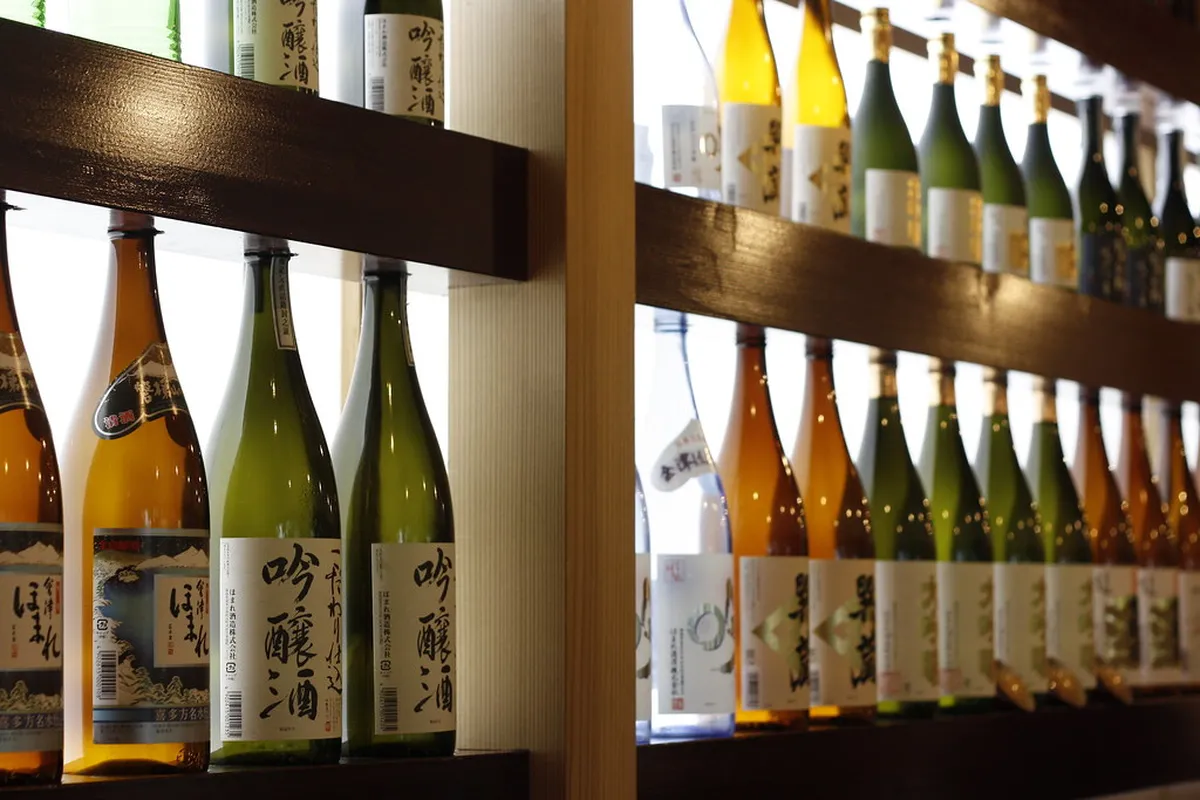
Table of Contents
Top Sake Brewery Tours in Fushimi Kyoto Winter 2026
Winter in Kyoto offers a very peaceful atmosphere for exploring the famous Fushimi sake district. Many visitors look for engaging indoor activities in Kyoto during the colder months. Fushimi is widely known for its exceptional spring water and ancient brewing traditions. You can enjoy authentic sake brewery tours in Fushimi Kyoto winter while staying very warm.
The Fushimi area contains many historic wooden buildings that house world-famous rice wine producers. These traditional structures provide a cozy escape from the chilly winter winds of the Kyoto basin. The brewing process is most active during winter to ensure the highest quality of the sake. This season provides a unique opportunity to taste the freshest seasonal batches available to the public.
The Rich History of Sake Production in Fushimi
Fushimi has been a center for high quality sake production for many hundreds of years. The district benefits from the pure underground spring water that flows from the nearby mountains. This soft water is the most important ingredient for creating the smooth taste of Fushimi sake. Local brewers have perfected their craft over many generations in these historic Fushimi neighborhood streets.
During the Edo period, Fushimi was a major transportation hub for goods traveling to Osaka. The river trade allowed sake brewers to distribute their products easily across the entire country. Today, the area maintains its traditional charm with many old warehouses still standing along the canals. You can see the classic white-walled buildings that define the unique architectural style of Fushimi.
Winter is historically the most important season for the master brewers who live in Fushimi. The cold air helps control the fermentation process and prevents any unwanted bacteria from growing. Modern technology now allows for year-round brewing, but the winter tradition remains very strong. Many small boutique breweries still follow the ancient rhythms of the traditional Japanese brewing calendar.
The culture of sake in Fushimi is deeply connected to the local shrines and spirits. Fushimi Inari Shrine is located very close to the main brewing district in southern Kyoto. Brewers often visit these sacred places to pray for a successful and safe brewing season. Understanding this spiritual connection adds a deeper level of meaning to your winter brewery tour experience.
Visiting Fushimi in 2026 allows you to see how history meets modern Japanese innovation. Most breweries now offer educational displays that explain the complex science behind the fermentation process. You will learn about the different types of rice used for making premium sake varieties. The combination of ancient wisdom and modern precision makes Fushimi a truly world-class destination.
Top Breweries for Sake Brewery Tours in Fushimi Kyoto Winter
Gekkeikan Okura Sake Museum is the most popular starting point for many first-time winter visitors. This museum offers a comprehensive look at the history of one of Japan's largest sake producers. You can view ancient brewing tools and watch informative videos about the labor-intensive production steps. The admission fee usually includes a tasting of three different types of premium local sake.
Kizakura Kappa Country is another fantastic location for those who enjoy a lively and fun atmosphere. This brewery features a museum dedicated to the mythical kappa creature which is their company mascot. You can enjoy a fresh glass of sake or even craft beer brewed on the premises. Their restaurant serves delicious hot meals that pair perfectly with their cold and warm sake selections.
Sake Bar En is a great choice for travelers who want to sample many brands. They offer flights of sake from various small breweries located within the Fushimi district itself. This allows you to compare different flavor profiles without walking to every single brewery building. The staff members are very knowledgeable and can provide detailed descriptions of each sake variety.
Matsui Shuzo is a smaller family-owned brewery that offers a very intimate and personal tasting experience. They are known for their commitment to using traditional methods and locally sourced Kyoto rice. The brewers are often available to answer questions about their specific techniques and unique recipes. It is a wonderful place to escape the winter cold and enjoy genuine Japanese hospitality.
- Gekkeikan Okura: Best for history and large-scale brewing insights.
- Kizakura Kappa: Best for a fun atmosphere and varied food options.
- Sake Bar En: Best for tasting multiple local brands in one spot.
- Matsui Shuzo: Best for a personal and traditional boutique brewery feel.
Essential Tips for Navigating the Fushimi Sake District
Getting to the Fushimi sake district is very easy when you travel from Kyoto Station. You can take the JR Nara Line to Momoyama Station in about fifteen short minutes. Alternatively, the Keihan Main Line stops at Fushimi-momoyama Station which is closer to the breweries. Please consult our Kyoto winter travel guide 2026 for more detailed transportation maps.
Most breweries in Fushimi are open from ten in the morning until four in the afternoon. It is best to arrive early in the day to avoid the larger tour groups. Some smaller breweries may require a reservation for a guided tour of the production facilities. However, most tasting rooms and museums allow for walk-in visitors during their regular business hours.
The cost of a sake tasting usually ranges between five hundred and two thousand yen. This price often includes a small souvenir cup or a detailed guide to the tasting. Many breweries also sell high-quality bottles that you can take home as a special gift. Make sure to check the shipping regulations if you plan to send sake to your home.
Walking through Fushimi in the winter requires warm clothing and very comfortable walking shoes. Most of the breweries are located within a short walking distance of each other in town. You will find many small shops selling traditional Japanese snacks along the main pedestrian streets. These snacks are specifically designed to complement the flavors of the freshly brewed local sake.
English language support varies between the different breweries located throughout the Fushimi sake district. Larger museums like Gekkeikan provide excellent English brochures and detailed signs for foreign visitors. Smaller breweries might have limited English, but the staff is usually very helpful and patient. Using a translation app on your phone can be very useful for understanding specific tasting notes.
Understanding Different Types of Sake During Your Tasting
⭐ Recommendation: Don't miss out on amazing Kyoto tours - book now!
Learning the basic sake categories will significantly improve your overall tasting experience in Fushimi this winter. Junmai sake is made using only rice, water, yeast, and a special mold called koji. This type of sake usually has a very rich and full-bodied flavor profile for drinkers. It is an excellent choice for pairing with hearty winter dishes like hot Japanese stews.
Honjozo sake includes a small amount of distilled alcohol to create a much lighter flavor profile. This addition helps to bring out the subtle floral and fruity aromas of the rice. Ginjo and Daiginjo are premium categories that require the rice to be polished very extensively. The more the rice is polished, the more refined and delicate the final sake becomes.
Winter is the only time you can try Shiburitake, which is freshly pressed and unpasteurized sake. This variety has a lively and zesty character that is not found in aged bottles. You should also look for Nigori sake, which is a cloudy and slightly sweet version. Many people enjoy the creamy texture that the remaining rice particles provide in this style.
Try to taste the sake at different temperatures to see how the flavor profile changes. Some sake varieties are best served chilled to highlight their crisp and clean finishing notes. Other types of sake are much better when served warm on a cold winter afternoon. The staff at the brewery will always recommend the best temperature for each specific bottle.
Drinking water between your sake samples is very important for keeping your palate completely fresh. Most breweries will provide a glass of their famous local spring water during the tasting. This water is exactly the same water used to brew the sake you are drinking. Comparing the water to the sake helps you understand the true essence of the region.
Best Food Pairings for Winter Sake in Kyoto
Kyoto cuisine is world-famous for its delicate flavors and focus on fresh seasonal ingredients. During the winter, you must try hot pot dishes known as nabe with your sake. The warmth of the soup perfectly complements the smooth and rich texture of Fushimi sake. Many local restaurants in the Fushimi area specialize in these comforting and traditional winter meals.
Oden is another popular winter food that you will find in many small Fushimi eateries. This dish consists of various ingredients simmered in a light and savory soy-based broth. Daikon radish and fish cakes are the most common items found in a typical oden pot. The savory umami of the broth pairs wonderfully with a glass of warm junmai sake.
Tsukemono, or Japanese pickles, are a staple of the Kyoto diet throughout the entire year. The salty and sour flavors of the pickles provide a great contrast to sweet sake. Many breweries offer a small plate of local pickles to enjoy during your tasting session. This simple pairing allows the complex flavors of the rice wine to truly shine.
For a more substantial meal, consider trying grilled eel or salted mackerel at a local restaurant. The fatty oils in these fish are cut perfectly by the acidity found in dry sake. You will find several highly-rated seafood restaurants within a short walk of the main breweries. Dining in Fushimi is an essential part of the complete brewery tour experience.
Do not forget to try some of the local sweets made with sake or sake lees. Sake lees are the remaining solids from the brewing process and are very nutritious. You can find delicious cakes, crackers, and even ice cream flavored with this unique ingredient. These treats make for excellent souvenirs to bring back to your friends and family.
Why Winter is the Best Season for Sake Lovers
💡 Pro Tip: Book your Kyoto adventures in advance through Viator for the best deals!
Winter is the true peak of the brewing season for almost every brewery in Fushimi. This is the only time of year when the air smells like fermenting rice. You can often see steam rising from the brewery roofs as they steam the rice. This atmospheric experience is only available to those who visit Kyoto during the cold months.
The lack of crowds in winter makes the tasting rooms much more peaceful and relaxing. You can spend more time talking with the staff and learning about the different bottles. This quiet environment is perfect for those who want to seriously study the craft of sake. You will feel a deeper connection to the local culture without the summer tourist rush.
Many breweries release limited-edition winter bottles that are only sold at their physical locations. These seasonal releases often feature beautiful winter-themed labels and very unique flavor profiles. Collecting these rare bottles is a favorite hobby for many dedicated sake enthusiasts in Japan. You might find a hidden gem that is never exported to your home country.
The scenic beauty of Fushimi is particularly striking when it is covered in a light snow. The dark wood of the traditional buildings contrasts beautifully with the white snow and grey sky. Walking along the quiet canals in the winter air is a very romantic experience. It is a side of Kyoto that many travelers unfortunately miss during the busy seasons.
Ending your day with a glass of warm sake is the ultimate winter comfort. The alcohol provides a gentle warmth that spreads through your body on a cold evening. This feeling of relaxation is the perfect way to conclude a day of sightseeing. Fushimi offers a unique blend of education, culture, and pure physical comfort during the winter.
Frequently Asked Questions
💡 Pro Tip: Book your Kyoto adventures in advance through Viator for the best deals!
What is the best way to get to Fushimi from central Kyoto?
The easiest way is taking the JR Nara Line from Kyoto Station to Momoyama Station. You can also use the Keihan Line to reach Fushimi-momoyama Station very quickly. Both options take less than twenty minutes and are very affordable for travelers. Check the Kyoto winter weather guide before you start your trip.
How much does a typical sake brewery tour cost in 2026?
Most museum entries and basic tasting sets cost between five hundred and one thousand yen. Premium tastings with multiple samples can cost up to two thousand yen per person. Some breweries offer free entry to their shops but charge for the tasting flights. It is very affordable compared to many other tourist activities in Kyoto.
Are sake brewery tours in Fushimi suitable for children?
Children can certainly visit the museums and historical buildings with their parents or guardians. However, the legal drinking age in Japan is twenty years old for all residents. Most breweries offer non-alcoholic drinks or snacks for younger visitors to enjoy. The educational displays are often quite interesting for children who enjoy history and science.
Do I need to make a reservation for a sake tasting?
Most tasting rooms and museums in Fushimi allow for walk-in visitors throughout the day. However, if you want a guided tour of the actual production area, reservations are often required. It is best to check the official website of the specific brewery before you arrive. Small boutique breweries may have limited space and prefer advance notice for groups.
What are the typical opening hours for breweries in Fushimi?
Most breweries and museums open at ten in the morning and close by four-thirty. Some tasting bars inside the breweries may stay open slightly later until early evening. It is important to note that many locations are closed on Mondays or Tuesdays. Always verify the specific hours for the breweries you plan to visit that day.
Planning sake brewery tours in Fushimi Kyoto winter is a highlights of any 2026 trip. The combination of history, culture, and delicious drinks creates a truly memorable Japanese experience. You will stay warm while learning about one of the most famous traditions in Japan. Make sure to explore other amazing parts of the city during your winter stay.
Key Takeaways
💡 Pro Tip: Book your Kyoto adventures in advance through Viator for the best deals!
- Winter is the peak brewing season for fresh sake.
- Fushimi is easily accessible by train from Kyoto Station.
- Most tastings are very affordable at under 2,000 yen.
- Museums like Gekkeikan offer great English educational materials.
- Warm sake pairs perfectly with seasonal Kyoto winter dishes.
Related reads: polarcityguide.com, best museums to visit in kyoto winter, traditional craft workshops in kyoto city guide.