
Winter Kaiseki Menus in Kyoto Restaurants 2026
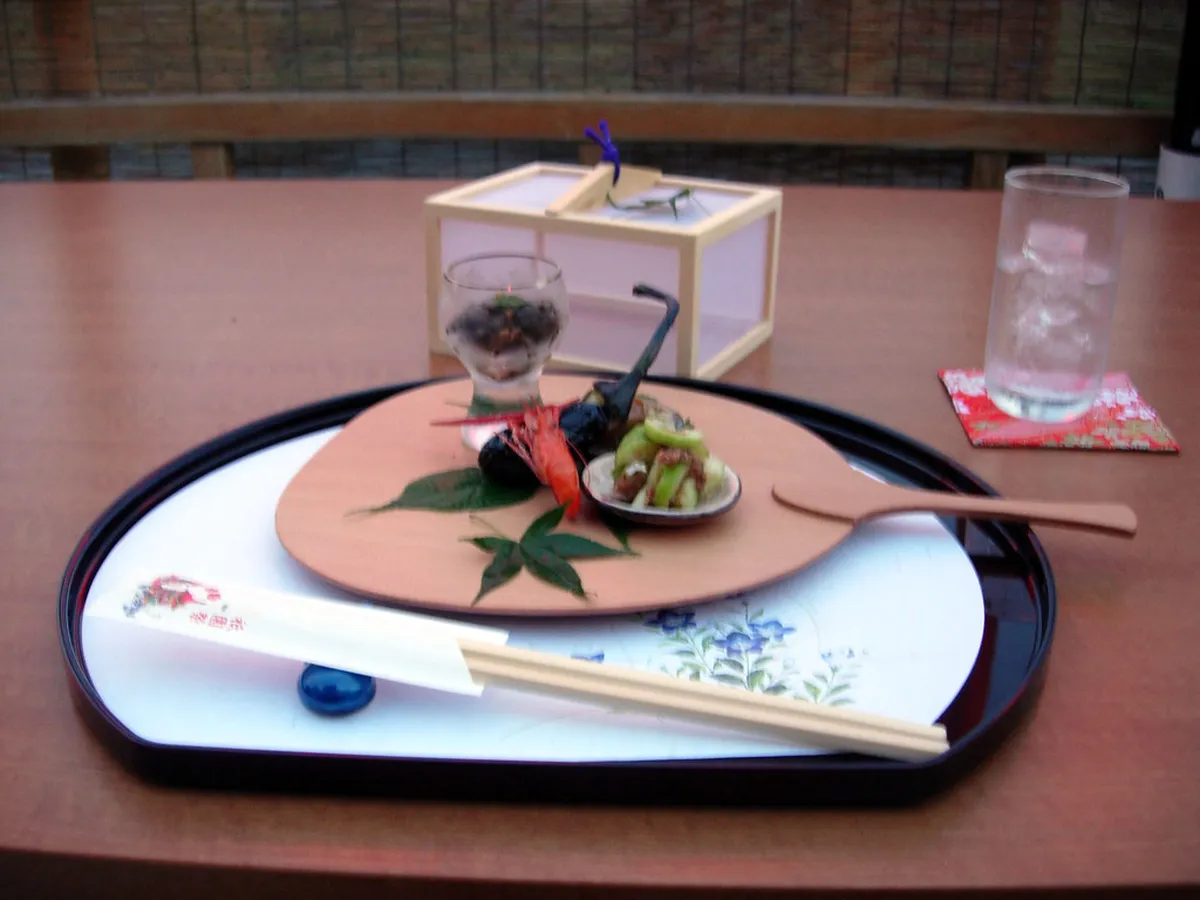
Table of Contents
Top Seasonal Winter Kaiseki Menus in Kyoto Restaurants
Kyoto transforms into a serene winter landscape during the colder months of 2026. Many visitors come specifically to enjoy seasonal winter kaiseki menus in Kyoto restaurants. These multi-course meals celebrate the freshest ingredients of the cold season.
Chefs focus on warming flavors and elegant presentation during the snowy months. This Kyoto winter food guide explores the deep art of traditional dining. You will learn about key ingredients and the best local dining spots.
Every dish reflects the unique connection between Kyoto and its seasonal environment. Prepare for a culinary journey through the historic streets of the ancient city. You will discover why winter is the most flavorful time to visit Japan.
Essential Winter Ingredients in Kyoto Kaiseki
Winter brings a unique selection of seafood and vegetables to Kyoto tables. Chefs prioritize ingredients that thrive in cold temperatures for their complexity. Snow crab, known locally as Matsuba-gani, often serves as a primary menu highlight. This prized crab provides a sweet and delicate flavor profile for diners.
Yellowtail fish, or Buri, is another staple found in many winter menus. It reaches its peak fat content during the coldest months of the year. Chefs serve it raw as sashimi or simmered in rich, savory broths. Each bite offers a buttery texture that melts on the tongue.
Vegetables like Shogoin turnip and Ebi-imo yam are also prominent winter features. These root vegetables absorb dashi broth perfectly when cooked very slowly. They provide a comforting warmth that balances the cold outdoor air. You will find these items in most high-end restaurant menus this year.
The Shogoin turnip is a large, round vegetable famous for its smooth texture. Chefs often carve these turnips into beautiful shapes that resemble falling snowflakes. This attention to detail is a hallmark of the Kyoto kaiseki tradition. It turns every meal into a visual masterpiece for the guest.
Wild game like duck or boar sometimes appears in rural Kyoto menus. These meats provide a hearty protein source during the freezing winter nights. They are often served in a hot pot style with local leeks. This combination offers a rustic contrast to more delicate seafood courses.
Best Restaurants for Winter Kaiseki Menus
Kikunoi is a legendary establishment offering world-class seasonal dining experiences in 2026. The head chef crafts menus that reflect the changing landscape of the city. You can expect innovative dishes using locally sourced Kyoto vegetables and seafood. Reservations are highly recommended several months in advance of your visit.
Gion Karyo provides a more accessible yet traditional kaiseki experience in Gion. This restaurant sits inside a beautifully renovated historic townhouse near the shrine. Their winter menu often features warm soups and grilled seasonal salt-water fish. Guests enjoy watching the chefs prepare dishes behind the wooden counter.
Hyotei offers a historic atmosphere near the famous Nanzen-ji temple area. This three-Michelin-starred restaurant has served guests for over four hundred years. Their winter specialties include delicate soft-boiled eggs and warm rice porridge. Dining here feels like stepping back into ancient Japanese history for a night.
Prices for these multi-course meals usually range from 15,000 to 40,000 yen. Lunch options are often more affordable for budget-conscious travelers visiting Kyoto. Ensure you mention any dietary restrictions when making your initial booking. These restaurants take great pride in customizing their seasonal offerings for guests.
Small boutique restaurants in the Pontocho alley also offer excellent winter menus. These hidden spots provide a cozy and intimate atmosphere for small groups. You can see the Kamo River through the windows as you dine. These locations are perfect for a romantic winter evening in Japan.
Understanding the Kaiseki Dining Experience
Kaiseki dining follows a specific sequence of varied and expert cooking techniques. The meal usually begins with a small appetizer course called Sakizuke. This dish sets the artistic tone for the entire seasonal dining experience. It highlights the primary theme of the cold winter season through flavor.
A soup course, or Wanmono, follows to warm the palate and body. In winter, these soups often feature thick textures to retain heat longer. Chefs use high-quality kelp and bonito flakes for the clear dashi base. This course emphasizes the importance of aroma and very subtle flavors.
The main courses include fresh sashimi, grilled items, and simmered specialties. Each plate is a work of art using seasonal Kyoto ceramics. You might find a small piece of hot charcoal under your fish. This detail keeps your food warm during the chilly winter evenings.
The meal concludes with steamed rice, miso soup, and a light dessert. Traditional sweets often incorporate seasonal fruits like persimmons or sweet citrus fruits. These desserts provide a refreshing end to a very complex meal. They leave the diner feeling satisfied but never overly full or heavy.
Chefs also focus on the temperature of the serving plates themselves. Warm dishes are served on pre-heated ceramics to prevent cooling too fast. Cold dishes use glass or stone to maintain their crisp temperature. This level of hospitality is known as Omotenashi in Japanese culture.
Pairing Warm Sake with Winter Kaiseki
💡 Pro Tip: Book your Kyoto adventures in advance through Viator for the best deals!
Warm sake, known as Atsukan, is the perfect companion for winter meals. It helps to elevate the savory flavors of grilled fish and vegetables. Many Kyoto restaurants offer a curated selection of local rice wines. Ask your server for a recommendation that suits your specific menu.
Temperature plays a vital role in how sake tastes and smells. Some varieties are best served at room temperature or slightly chilled. Others develop deeper earthy notes when heated to exactly 45 degrees Celsius. This temperature range is ideal for many hearty winter courses.
You can explore the best hot sake bars in Kyoto after your dinner. These specialty spots offer a wide variety of regional and local brews. Many bars feature rare labels that are hard to find elsewhere. Sake enhances the overall warmth and enjoyment of the winter evening.
Local Kyoto sake often has a soft and slightly sweet flavor profile. This style pairs perfectly with the delicate dashi used in kaiseki cooking. Some restaurants offer a sake flight to taste different heat levels. This experience helps you understand how temperature changes the drink's character.
Non-alcoholic pairings like toasted hojicha tea are also very popular choices. This roasted green tea provides a smoky flavor that complements grilled dishes. It is served steaming hot to keep guests warm throughout the meal. Many diners prefer this for a lighter and healthier beverage option.
Planning Your Visit During the Winter Season
Kyoto winters are cold and often damp during January and February. You should dress in layers to stay comfortable while traveling to restaurants. Most high-end dining rooms have traditional floor heating or quiet space heaters. Some establishments may provide small blankets for your lap during dinner.
Daylight hours are shorter during the winter months in modern Japan. Plan your dinner reservations early to enjoy the garden views before sunset. Many restaurants have beautiful private gardens that look stunning under light frost. These views add another layer of beauty to your dining experience.
Check the local weather forecast before heading out for your evening meal. Snow is possible but usually light within the main city center. You can find detailed info in this Kyoto winter weather guide for 2026. Proper preparation ensures a smooth and enjoyable evening in the city.
Walking through the Gion district at night is a magical winter activity. The lanterns glow against the dark wooden buildings of the historic streets. You might even spot a Geiko or Maiko rushing to an appointment. This atmosphere builds anticipation for the elegant meal that awaits you.
Remember that many smaller restaurants may only accept cash for payment. It is wise to carry enough yen for your meal and drinks. Most Michelin-starred locations will accept major credit cards for your convenience. Always confirm the payment methods when you make your initial reservation.
Frequently Asked Questions
How much does a winter kaiseki meal cost in Kyoto?
A full kaiseki meal typically costs between 15,000 and 40,000 yen per person. Lunch menus are often available for a lower price point. Drinks and taxes are usually added to the final bill at the end.
Is there a dress code for kaiseki restaurants in Kyoto?
Most high-end restaurants prefer smart casual or formal attire for guests. Avoid wearing casual shorts, flip-flops, or overly distressed clothing. Wearing clean socks is essential if you must remove your shoes.
Do I need to make reservations for winter kaiseki?
Yes, reservations are absolutely essential for most reputable kaiseki restaurants. Some popular spots book out months in advance during the peak winter season. Use a concierge or online booking service to secure your table.
Are there vegetarian options in winter kaiseki menus?
Standard kaiseki often includes fish, but many places offer a vegetarian version. This style is called Shojin Ryori and follows Buddhist dietary traditions. You must request these specific menus at least three days in advance.
Kyoto offers an unforgettable culinary experience during the cold winter season. The seasonal winter kaiseki menus in Kyoto restaurants showcase incredible Japanese craftsmanship. From fresh snow crab to warm sake, every detail celebrates the weather. Plan your 2026 trip early to enjoy these unique local flavors.
Key Takeaways
- Book reservations at least one month in advance for top restaurants.
- Look for seasonal highlights like snow crab and Shogoin turnips.
- Try warm sake to enhance the flavors of grilled winter dishes.
- Dress in layers and wear clean socks for traditional seating.
Related reads: polarcityguide.com, kyoto winter travel guide 2026, where to eat yudofu in kyoto winter.