
Visiting Ginkaku-ji Silver Pavilion in Winter Season
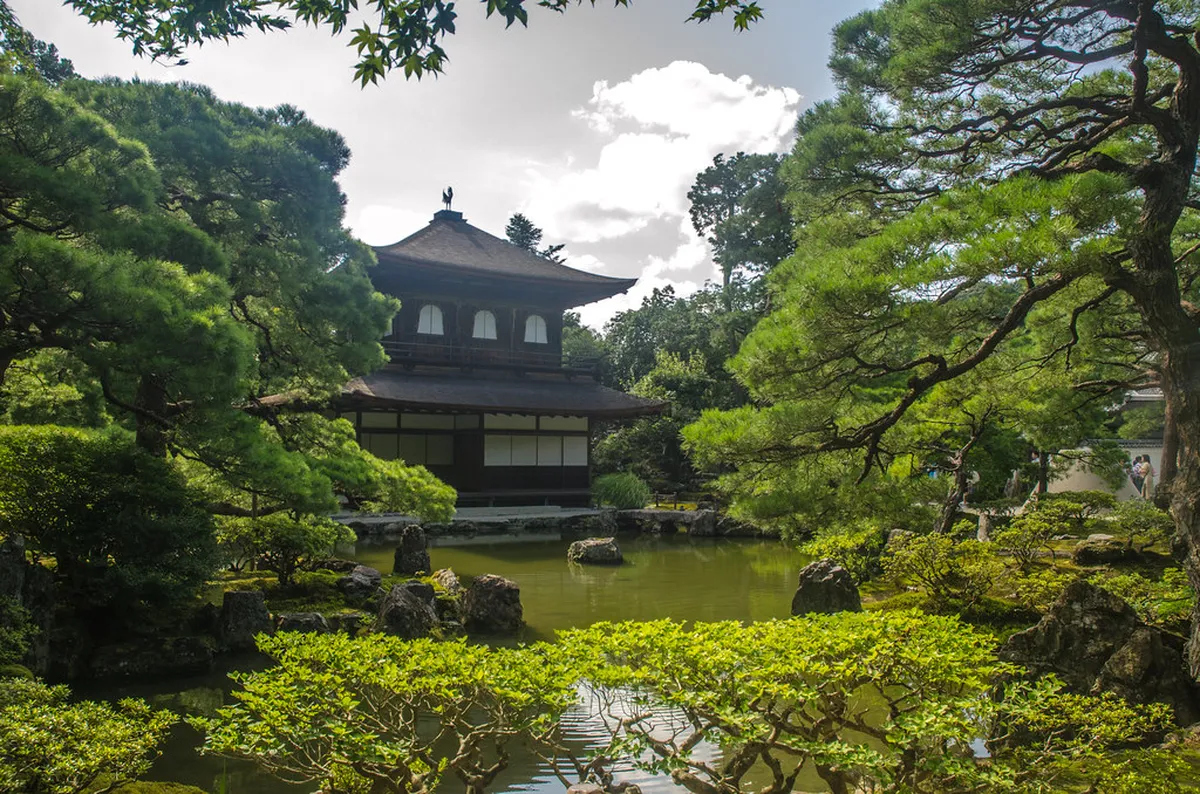
Table of Contents
A Complete Guide to Visiting Ginkaku-ji Silver Pavilion in Winter
Ginkaku-ji offers a serene escape during the colder months in Japan. Seeing Ginkaku-ji Silver Pavilion in winter season is a truly magical experience for any traveler. The garden becomes a white wonderland under a fresh blanket of Kyoto snow. It provides a peaceful atmosphere away from the bustling city center.
Why Visit Ginkaku-ji During Winter?
Winter transforms the temple into a monochromatic masterpiece. The dark wood of the Silver Pavilion contrasts beautifully with white snow. This creates a quiet beauty that represents the Japanese concept of wabi-sabi. It is one of the best snow spots in Kyoto for photographers.
Crowds are significantly smaller during the winter months compared to spring. You can enjoy the zen garden without the typical tourist rush. This allows for deep reflection and quiet appreciation of the scenery. The paths feel more intimate and personal in the cold air.
The moss garden retains its vibrant green color even under the snow. This striking visual contrast is unique to the winter season in Kyoto. It highlights the resilience of nature in the Higashiyama district. Most visitors miss this stunning sight during the busier travel seasons.
You will find the atmosphere much calmer than at the Golden Pavilion. While the Silver Pavilion was never actually covered in silver, its elegance remains unmatched. Winter highlights the architectural details that often get overlooked. It is a must-see destination for your 2026 winter itinerary.
Best Times for Snow at Ginkaku-ji
Snow in Kyoto city center is quite rare and often unpredictable. The best chance for snow usually occurs in January and February. You should monitor the Kyoto winter weather guide for daily updates. Timing your visit correctly is essential for seeing the pavilion in white.
Early morning visits offer the best chance to see undisturbed snow. The temple gates open at 9:00 AM during the winter months. Arriving right at opening allows you to capture pristine garden views. The snow often melts quickly once the sun rises higher.
Late afternoon light can also create a beautiful golden glow on the snow. The temple closes at 4:30 PM from December through February. This soft light emphasizes the textures of the Sea of Silver Sand. It is a perfect time for artistic photography during your stay.
Practical Tips for Your Winter Visit
Proper clothing is vital for enjoying the outdoor temple grounds. Temperatures often hover around freezing during January and February mornings. Wear thermal layers and thick socks to stay warm while walking. The stone paths can become quite slippery when covered in ice.
The entry fee for adults is 500 yen as of 2026. You should carry cash as many temples do not accept credit cards. Keep your entry ticket as a beautiful souvenir of your visit. It often features traditional artwork and calligraphy for your collection.
Accessing Ginkaku-ji is easy via the Kyoto city bus system. Take bus number 5, 17, or 100 from Kyoto Station. The ride takes approximately 40 minutes depending on traffic conditions. Walking the Philosopher's Path from the bus stop is very scenic in winter.
There is a small tea house located within the temple grounds. Warm up with a bowl of hot matcha and traditional sweets. This provides a welcome break from the cold winter wind. It offers a lovely view of the surrounding hills and garden.
Photography Tips for Snow Scenes
🌟 Local Expert Tip: Get the most out of your Kyoto visit with guided tours!
Use a polarizing filter to reduce glare from the white snow. Adjust your exposure settings to prevent the snow from looking grey. Bracketing your shots helps ensure you capture the perfect light levels. Check your battery levels often as cold weather drains them fast.
Focus on the contrast between the dark temple and the snow. The Sand Mound provides a great foreground element for your compositions. Look for high-angle shots from the hillside path above the temple. This reveals the full layout of the pavilion and gardens.
Respect the temple rules by not using tripods on the grounds. Handheld photography is allowed and encouraged throughout the designated walking paths. Be mindful of other visitors while setting up your shots. Capture the small details like snow resting on stone lanterns.
Frequently Asked Questions
Is Ginkaku-ji actually covered in silver?
No, the pavilion was never covered in silver leaf. The name reflects a planned design that was never completed. It stands as a symbol of refined, simple beauty instead. This makes it unique among the temples in the area.
How much time should I spend at Ginkaku-ji?
Most visitors spend about 45 to 60 minutes exploring the grounds. This includes walking the garden path and visiting the hillside viewpoint. Take your time to appreciate the zen atmosphere during the winter. It is a very relaxing experience for everyone.
Where can I see more snow in Kyoto?
You can visit other best places to see snow in Kyoto city nearby. Kinkaku-ji and Kiyomizu-dera are also stunning during a winter snowfall. Check local reports for the most current conditions before you travel. Winter travel requires some flexibility in your plans.
Ginkaku-ji remains a highlight of any winter trip to Kyoto in 2026. The Silver Pavilion offers a quiet beauty that resonates with many travelers. Planning your visit during the snowy months ensures a unique experience. Start planning your journey to this peaceful zen retreat today.
Key Takeaways
- Visit in January or February for the best snow chances.
- Arrive at 9:00 AM to see fresh, undisturbed snow.
- Wear thermal clothing to stay warm on the outdoor paths.
- Carry 500 yen in cash for the temple entry fee.
Related reads: polarcityguide.com.