
Matsumoto Castle Winter Photography Tips
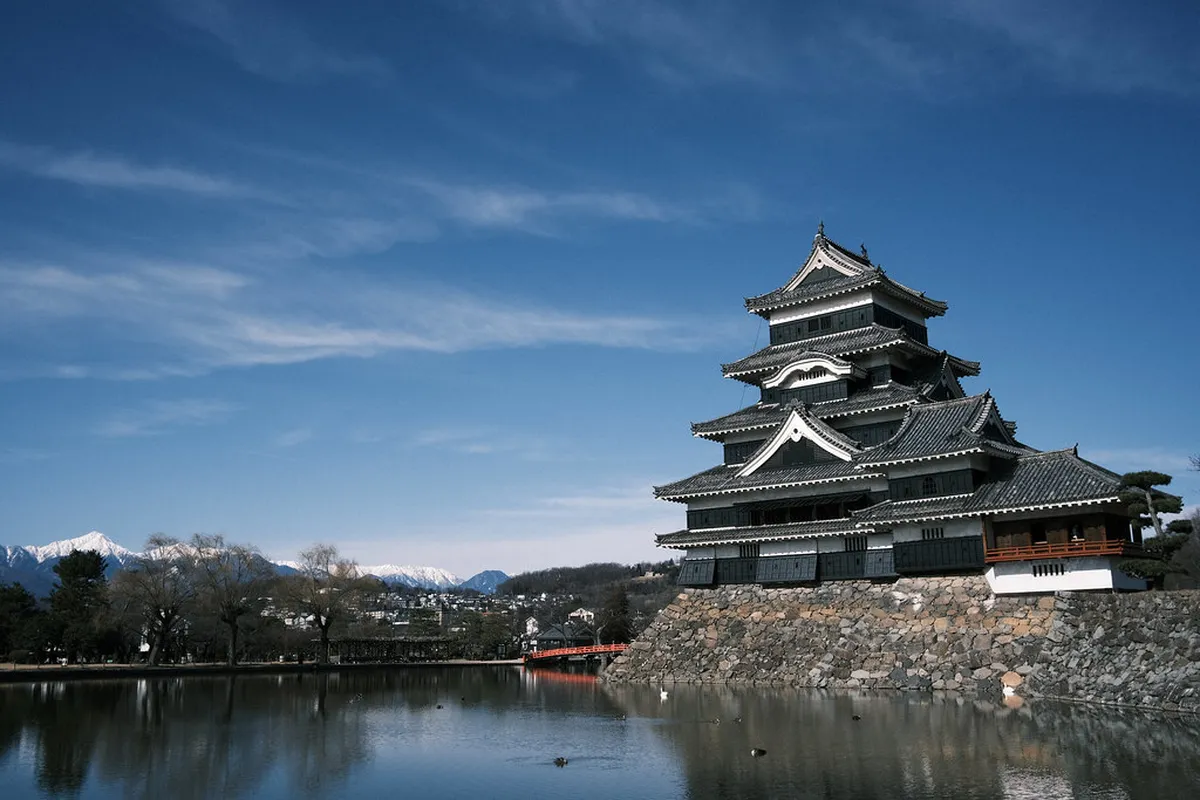
Table of Contents
Best Matsumoto Castle Winter Photography Tips for 2026
Matsumoto Castle is a masterpiece of Japanese architecture. Its black exterior earns it the nickname Crow Castle. This structure looks most dramatic during the cold winter months. Snow covers the tiered roofs and creates a stunning contrast. Photographers flock to this site for its unique aesthetic appeal. You can capture world-class images with the right preparation and timing.
Planning your trip to Nagano in 2026 requires specific knowledge. The weather in Matsumoto is often dry but very cold. Snowfall transforms the entire castle grounds into a white wonderland. Our Matsumoto Castle winter photography tips will help you succeed. You will learn about the best angles and camera settings. This guide ensures you leave with incredible memories and photos.
Timing and Weather for Perfect Snow Scenes
To plan your trip, review Matsumoto travel info.
To plan your trip, review Matsumoto Airport.
Timing is the most critical factor for winter photography here. Snow in Matsumoto often melts quickly from the castle roofs. You should check the local forecast for fresh snowfall overnight. Arriving at the castle at sunrise provides the best lighting conditions. The morning sun casts a warm glow on the black wood.Most photographers prefer visiting between late January and mid-February. This period offers the highest chance of heavy snow covering the ground. Clear blue skies often follow a winter storm in this region. This combination creates a striking backdrop for your architectural photos. You should consult our best time for Matsumoto snow photos guide for details.
Be aware that winter weather can change very rapidly in Matsumoto. Wind can ripple the moat water and ruin potential reflections. Early mornings typically offer the calmest conditions for your landscape shots. Monitor the humidity levels to predict when frost might appear. Frosty trees add a beautiful layer of texture to your images. Watching the local weather apps will help you pick the perfect day.
Entry into the inner castle grounds starts at 8:30 AM daily. However, the outer park area is accessible much earlier for photographers. You can set up your tripod before the crowds arrive. This allows for clean shots without tourists in your frame. Early light also minimizes harsh shadows on the complex castle structure. Planning for these early hours is essential for professional results.
Essential Camera Settings for Snowy Castles
Photographing snow requires specific adjustments to your digital camera settings. Camera meters often get confused by the bright white snow. They tend to underexpose the image to make it look grey. You must use exposure compensation to fix this common issue. Set your exposure to +1.0 or +2.0 for bright scenes. This ensures the snow looks white and crisp in your photos.
Shoot your images in RAW format for better post-processing control. This allows you to recover details in the highlights and shadows. The black walls of the castle absorb a lot of light. You need high dynamic range to capture all the textures. For more technical help, view our guide on camera settings for snowy Japanese castles online. Proper settings will make your images stand out instantly.
Keep your ISO as low as possible for maximum image quality. A setting of ISO 100 or 200 is ideal for tripod work. Use a narrow aperture like f/8 or f/11 for sharp focus. This range keeps the castle and the mountains in focus. If it is snowing, use a faster shutter speed. A speed of 1/500 can freeze falling flakes beautifully.
Check your white balance settings throughout the day as light changes. Snow often looks blue when the sky is clear and bright. You might need to use the 'cloudy' or 'shadow' preset. These presets add warmth back into your winter photographs. Always check your histogram to ensure you are not clipping highlights. Small adjustments in the field save time during the editing process.
Top Locations for Capturing Castle Reflections
The moat surrounding the castle provides incredible reflection photography opportunities. The red Uzumi Bridge is a favorite spot for many visitors. It offers a bright pop of color against the monochromatic castle. Capture the bridge and the main keep together for a classic shot. This location is best in the early morning or evening. You can find more vantage points for castle reflections in our specific map.
Walk to the northern side of the moat for different perspectives. This area is usually less crowded than the main entrance gates. You can frame the castle with pine trees and snow. The water is often stiller on this side of the park. Use a wide-angle lens to include the entire reflection. Low angles will make the reflection appear more prominent and dramatic.
The southwestern corner offers a great view of the inner keep. This spot works well for capturing the massive stone foundations. You can see the contrast between the stone and the water. Include the surrounding mountains if the sky is clear and bright. The Japanese Alps provide a majestic backdrop for the Crow Castle. These layers of depth create a very professional landscape image.
Experiment with different focal lengths while moving around the water. A telephoto lens can compress the distance between the elements. This makes the mountains look larger behind the castle towers. Move slowly to look for gaps in the tree branches. Natural framing can lead the viewer's eye toward the architecture. Take your time to explore every side of the moat.
Mastering Night Photography and Illuminations
🎯 Insider Tip: Discover the best Matsumoto experiences with Viator Tours!
Matsumoto Castle is beautifully lit every night during the winter. The illumination usually begins shortly after sunset during the season. This creates a magical atmosphere that differs from daylight photos. You will need a sturdy tripod for these long exposures. Night shots emphasize the contrast of the black and white walls. This is a top priority for any 2026 winter visit.
Check the winter illumination schedule for Matsumoto Castle before your arrival. Sometimes there are special light shows or colored displays. These events offer unique patterns on the castle walls for photos. Use a 2-second timer to avoid any camera shake during shots. This ensures your images remain sharp even in low light. Long exposures can also smooth out any ripples in the moat.
Set your camera to manual mode for the best night results. Start with an exposure time of around 5 to 10 seconds. Adjust based on how bright the floodlights appear on your screen. Keep your ISO low to avoid digital noise in dark areas. Dark areas include the night sky and the deep moat water. Clean images are easier to edit and look better printed.
Consider the 'blue hour' for the most atmospheric night photography. This is the period shortly after the sun disappears completely. The sky turns a deep indigo color during this brief time. It provides more color than the pitch-black sky of midnight. This color pairs perfectly with the warm artificial castle lights. Arriving early to set up is the key to success.
Essential Gear and Cold Weather Protection
🌟 Local Expert Tip: Get the most out of your Matsumoto visit with guided tours!
The winter temperatures in Matsumoto can drop well below freezing. Cold weather drains camera batteries much faster than warm weather. Carry at least two extra batteries in your inside pocket. Your body heat will help keep the batteries charged longer. Switch them out frequently if you notice the power dropping. Being prepared prevents you from missing the perfect light.
Protecting your hands is vital for staying comfortable while shooting photos. Use thin liner gloves that allow you to feel buttons. You can wear heavier mittens over them between your shots. Chemical hand warmers are also very useful for long winter days. Keep one in your pocket to warm your fingertips quickly. Consult our winter packing list for Matsumoto for more gear items.
Condensation can damage your camera lenses when moving indoors. Bring a large plastic bag to seal your camera gear. Put the camera in the bag before entering a building. Let the gear warm up slowly inside the sealed bag. This prevents moisture from forming on the internal glass elements. Keeping your gear dry is essential for its long-term health.
A sturdy tripod is necessary for sharp landscapes and night shots. Choose a tripod with foam leg covers for easier handling. Metal legs become extremely cold to the touch in winter. Make sure your tripod can handle occasional gusts of cold wind. Use a weighted bag to keep the setup stable on ice. Safety for your camera is always the first priority.
Composition Styling for Artistic Castle Photos
Look for creative ways to tell a story through composition. Minimalist shots of the black castle against white snow are powerful. Focus on the geometry of the roofs and the gables. Use a tripod to align your vertical lines perfectly straight. This emphasizes the strength and history of the wooden fortification. Simple compositions often yield the most professional and striking results.
Incorporate local elements like the traditional pine tree supports called Yukitsuri. These rope structures protect trees from heavy winter snow loads. They add a unique Japanese cultural touch to your images. Place them in the foreground to create local context and depth. For more ideas, see photography spots for Matsumoto Castle at night for inspiration. Different perspectives tell different parts of the castle's story.
Wait for local people in traditional clothing to walk through the park. A person in a kimono adds scale and interest. This makes the photo feel more alive and less like a postcard. Focus on the contrast between the person and the large walls. Keep your shutter speed ready for these candid human moments. Patience often leads to the most memorable photography of your trip.
Try capturing abstract details like the texture of the stone walls. The foundations are made of massive rocks that look great close up. Use a macro lens or a zoom for these details. Snow tucked into the crevices creates a beautiful pattern of lines. These shots work well as part of a photo series. They show the fine craftsmanship of the ancient Japanese builders.
Frequently Asked Questions
Is a tripod allowed at Matsumoto Castle and the park?
You can use a tripod in the public park areas. However, tripods are forbidden inside the actual castle keep building. Use a tripod outside for reflections and night shots. Always be respectful of other tourists and park visitors. Do not block the narrow paths with your gear bags.
What is the best month for snow photos in Matsumoto?
February is generally the best month for consistent snow photos. January also offers a high chance of beautiful winter scenery. December usually sees less snow but has festive holiday decorations. Always check the long-range weather forecast before booking your flight. Fresh snow provides the best photographic results for travelers.
Are drones allowed for photography around the castle?
Drone flight is strictly prohibited near Matsumoto Castle without special permits. Most historic sites in Japan have narrow no-fly zone rules. You should check the Japanese Civil Aeronautics Act for more details. Stick to ground-based photography to avoid heavy fines or trouble. The park is beautiful from many pedestrian walking paths.
Matsumoto Castle is a dream destination for any winter photographer in 2026. The combination of black wood and white snow is truly unique. By following these tips, you will capture professional and stunning images. Remember to dress warmly and protect your camera from the cold. Explore the moat and surrounding park for the best creative perspectives. Enjoy your journey to one of the most beautiful castles in Japan.
Key Takeaways
- Use exposure compensation of +1.0 or +2.0 for white snow.
- Visit in February for the highest chance of fresh snow.
- Arrive at sunrise to avoid crowds and get soft light.
- Carry extra camera batteries and keep them warm near your body.
- Use a tripod for night illumination shots and moat reflections.
Related reads: polarcityguide.com.