
Visiting Narai Juku from Matsumoto in Winter 2026
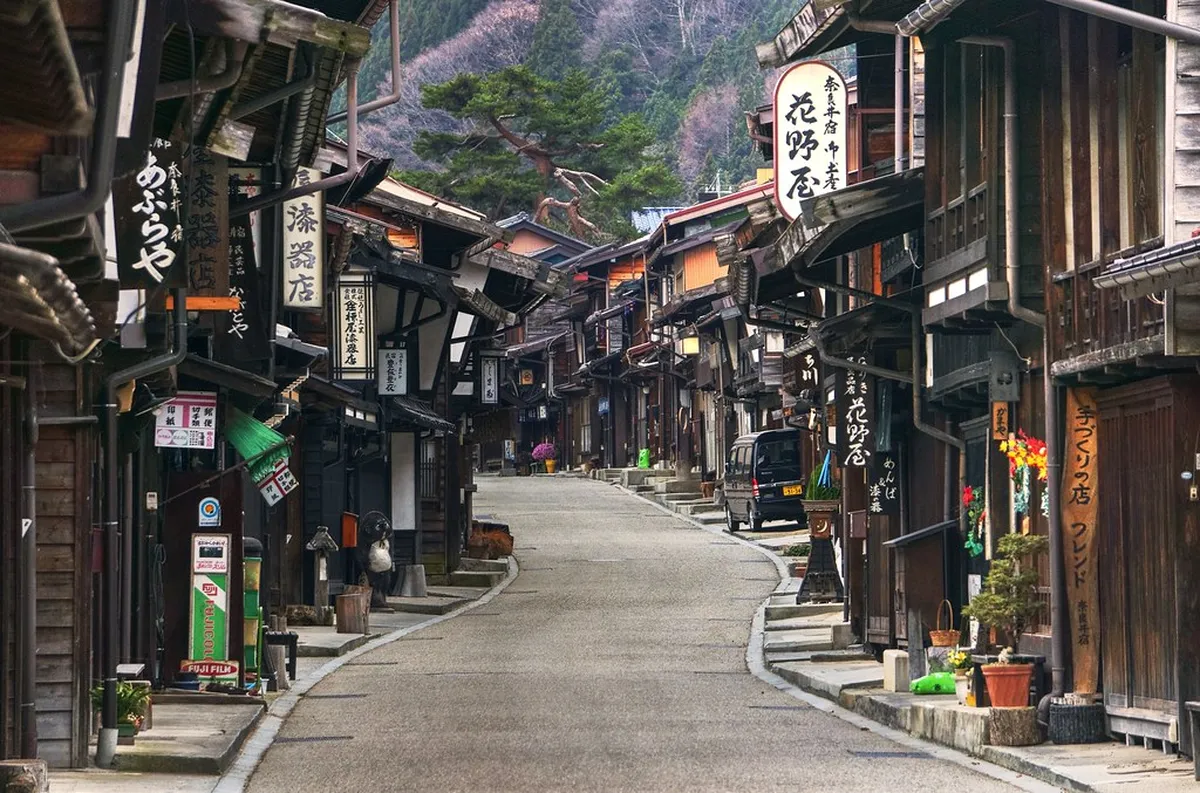
Table of Contents
A Guide to Visiting Narai Juku from Matsumoto in Winter
Visiting Narai Juku from Matsumoto in winter offers a magical trip into Japan's history. This ancient post town looks stunning under a fresh blanket of white snow. You can walk the same path that samurai took hundreds of years ago. Plan your day trip now to see this preserved Edo-period village.
The journey from Matsumoto to the Kiso Valley is quick and very scenic. You will pass through quiet mountains and frozen river valleys. Many travelers find this to be one of the best winter day trips from Matsumoto for 2026. The atmosphere is peaceful and distinct from the busy city streets.
Narai Juku serves as a living museum of Japanese architecture and local culture. You will see traditional wooden buildings that have stood for centuries. Winter brings a unique silence to the narrow streets of the town. This guide helps you navigate the logistics and top local activities.
How to Get to Narai Juku from Matsumoto
For the most up-to-date details, check Matsumoto travel info before you go.
For the most up-to-date details, check Matsumoto travel info before you go.
The JR Chuo Line connects Matsumoto Station to Narai Station directly. Trains run frequently every hour during the daytime and early evening hours. A one-way ticket costs about 590 yen for most travelers in 2026. The train ride takes approximately 45 to 50 minutes total.You should check the train schedule before you leave your local hotel. Local trains are the most common way to reach this historic destination. You do not need to book seats in advance for local journeys. Use an IC card like Suica or Pasmo for faster entry.
The walk from Narai Station to the town center is very short. It takes less than five minutes to reach the main historic street. Most of the path is flat and easy to walk on even in snow. The station staff can provide local maps for your winter exploration.
Keep an eye on the weather via our winter weather guide for Matsumoto before departing. Heavy snow can occasionally cause slight delays on the mountain train lines. Most trains operate reliably throughout the cold winter months in Nagano. Enjoy the snowy mountain views from your window during the ride.
Historic Highlights and Winter Activities
Shizume Shrine stands at the southern end of the historic post town. It was built to protect travelers on the long Nakasendo trail journeys. The shrine looks especially beautiful when snow covers the traditional torii gate. It is a quiet place for reflection during the winter season.
The Kiso Bridge is another must-see landmark made of local cypress wood. This curved bridge spans the Narai River with impressive architectural detail. It is one of the largest wooden arched bridges in all of Japan. Be careful walking across it as the wood can become slippery.
Explore the many lacquerware shops that line the main historic street today. Kiso lacquerware is famous for its high quality and deep red colors. Many shops have been family-owned for several generations in Narai Juku. You can find unique souvenirs and handmade gifts for your family.
Stop by the Nakamura Residence to see a traditional Edo-period merchant house. The building is open to the public for a small entrance fee. You can learn about historical life and local trade in the valley. The indoor exhibits provide a warm break from the cold winter air.
Winter Dining and Local Food Specialties
Warm up with a bowl of hot soba noodles at a local shop. The Kiso Valley is famous for its high-quality buckwheat and mountain water. Many restaurants in Narai Juku follow traditional recipes from the Edo period. A hearty lunch usually costs between 1,000 and 1,500 yen.
Try the famous Gohei Mochi which is a popular local street food snack. This grilled rice cake is coated in a sweet miso and nut sauce. It is served hot on a stick and perfect for cold days. You can find several stalls selling it along the main street.
Oyaki dumplings are another regional specialty you should taste while in town. These flour buns are filled with delicious local vegetables or sweet beans. They are often steamed or grilled over an open fire pits. One dumpling usually costs around 200 to 300 yen in 2026.
Visit a traditional tea house for a relaxing break during your walk. Many shops serve hot matcha tea with small Japanese sweets on the side. The wooden interiors and warm heaters create a cozy atmosphere for guests. It is a great way to experience authentic Japanese hospitality.
Winter Photography Tips for Narai Juku
🌟 Local Expert Tip: Get the most out of your Matsumoto visit with guided tours!
The blue hour offers the best lighting for photos in the Kiso Valley. This occurs just before sunrise or right after the sun sets. The warm street lamps contrast beautifully with the cool blue snow. Use a tripod for the best results in low light conditions.
Focus on the intricate details of the traditional wooden latticework and roofs. The snow highlights the textures and patterns of the ancient building designs. Capture the steam rising from local food stalls for a lively shot. These small moments tell the story of a cold winter day.
Walk to the far end of the town for panoramic street views. The long, straight path allows you to see many historic houses together. This perspective shows the impressive scale of the longest post town. Winter crowds are small, making it easier to get clear photos.
Protect your camera gear from the cold temperatures and moisture from snow. Keep spare batteries close to your body to maintain their charge. Use a lens cloth to wipe away any melting snowflakes on your lens. Good preparation ensures you capture every beautiful scene in Narai Juku.
What to Wear for Your Day Trip
Dressing in multiple layers is essential for staying warm in Nagano. Start with a thermal base layer that wicks away moisture from skin. Add a thick sweater or fleece for extra insulation in the cold. A waterproof and windproof jacket should be your final outer layer.
High-quality winter boots are necessary for walking on snowy or icy streets. Make sure your shoes have good grip to prevent slips and falls. Wool socks will keep your toes warm throughout the long day trip. You can also buy heat packs called kairo at convenience stores.
Wear a hat and gloves to protect your extremities from the biting wind. A warm scarf can also protect your face during cold mountain gusts. Temperatures in the valley are often lower than in central Matsumoto city. Check our Matsumoto winter travel guide for more packing advice.
Carry a small backpack for your extra layers and personal items today. You might want to remove a layer when inside heated shops. Plastic bags are useful for keeping your electronics dry during heavy snowfall. Staying dry is the most important factor for staying warm and happy.
Frequently Asked Questions
Is Narai Juku open to visitors during the winter months?
Yes, Narai Juku remains open for visitors throughout the entire winter season. Most shops and restaurants operate normally during the daylight hours in 2026. Some smaller museums might have reduced hours on weekdays during January. It is best to arrive before 10:00 AM to see everything.
How much time should I spend at Narai Juku?
Most visitors spend about three to four hours exploring the main town. This allows enough time for a slow walk and lunch. You can also visit several lacquerware shops and local historic houses. A half-day trip from Matsumoto is perfect for most travel schedules.
Can I use the JR Pass for the train from Matsumoto?
Yes, the Japan Rail Pass covers the journey on the JR Chuo Line. You can use it on local and limited express train services. Just show your pass or tap your ticket at the gates. This makes the trip very affordable for international tourists with active passes.
Are the hiking trails near Narai Juku safe in winter?
The mountain trails can be very dangerous during the peak winter months. Snow and ice make the paths slippery and hard to see clearly. Most casual visitors should stick to the main paved historic town street. Only experienced hikers with proper gear should attempt the high forest trails.
Visiting Narai Juku from Matsumoto in winter is a highly rewarding travel experience. The snowy scenery and historic buildings create a perfect atmosphere for discovery. You will enjoy the local food and the peaceful mountain surroundings today. Start planning your trip to this beautiful post town for winter 2026.
Key Takeaways
⭐ Recommendation: Don't miss out on amazing Matsumoto tours - book now!
- Take the JR Chuo Line from Matsumoto for a 50-minute journey.
- Wear warm layers and waterproof boots for the snowy streets.
- Try local Gohei Mochi and hot soba for an authentic taste.
- Visit Shizume Shrine and Kiso Bridge for iconic winter photos.
- Allow at least three hours to explore the historic town center.
Related reads: polarcityguide.com, visiting snow monkey park from matsumoto guide.