
Onsen Etiquette for First Time Visitors in Nagasaki
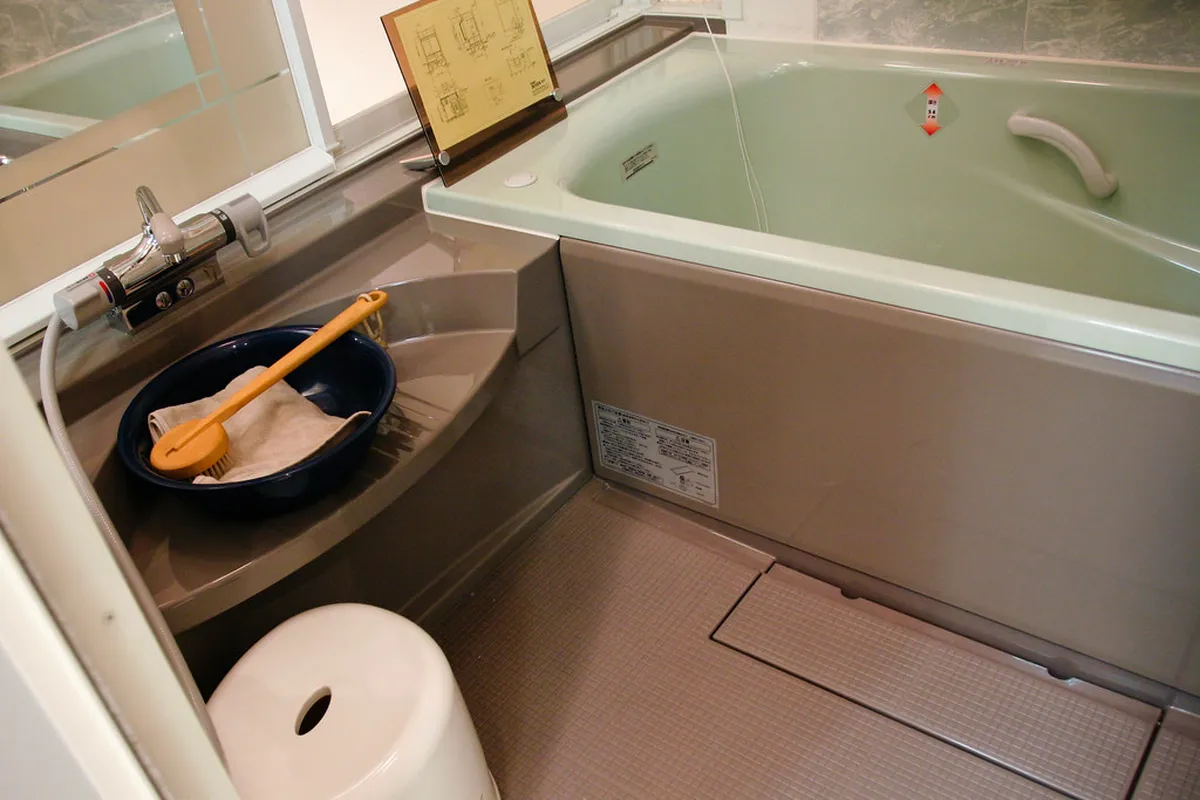
Table of Contents
Guide to Onsen Etiquette for First Time Visitors in Nagasaki
Nagasaki provides a wide variety of natural hot springs for travelers visiting Japan in 2026. Many people feel nervous about following the correct onsen etiquette for first time visitors in Nagasaki. This comprehensive guide will help you navigate the local customs with complete confidence and ease. You will learn everything from the initial entry rules to the proper way to bathe.
The hot spring culture in Japan focuses on shared relaxation and maintaining high levels of hygiene. You must follow several unwritten rules to ensure a pleasant experience for yourself and other guests. Most facilities provide clear signs but knowing the basics beforehand will make your visit much smoother. Prepare yourself for a deep dive into the calming world of traditional Japanese bathing rituals.
Arrival and Changing Room Protocol
You should start your journey by removing your outdoor shoes at the main entrance of the facility. Place your footwear inside a designated locker and keep the key with you during your stay. This simple action helps keep the interior floors clean for all of the other guests. You may wear the provided slippers only when walking through the public hallway areas.
Locate the correct changing room by looking for the colored curtains at the entrance of the bath. Blue or purple curtains usually represent the men's side while red or pink represent the women's side. You must strip completely and place all your belongings inside a secure locker or small basket. Keep your locker key attached to your wrist at all times while you are bathing.
You should only bring your small modesty towel into the main bathing area for your cleaning ritual. Leave your large bath towel in your locker or on the shelf provided in the changing room. Do not take cameras or mobile phones into the bathing area to respect the privacy of others. Most public baths in Nagasaki charge between 500 and 1,500 yen for a single entry ticket.
Check the reception desk for any specific rules regarding tattoos before you pay for your entry ticket. Some modern facilities allow small tattoos if you cover them with a skin-colored bandage or waterproof sticker. You can often buy these stickers directly from the front desk for a very small fee. Private baths are an excellent alternative if your tattoos are too large for communal bathing areas.
Take a moment to observe the layout of the facility before you start your actual bathing process. Most places offer separate indoor and outdoor pools with different mineral compositions and varying water temperatures. Look for the water fountain if you need to hydrate before you begin your hot spring experience. Staying hydrated is very important when spending long periods in the naturally heated volcanic water pools.
The Essential Pre-Soak Washing Protocol
You must wash your entire body thoroughly before you step into any of the communal pools. Locate a vacant washing station that usually includes a small wooden stool and a plastic bucket. Sit down on the stool while you scrub to avoid splashing water on the people around you. This cleaning ritual is the most important part of Top Nagasaki Onsen for Winter experiences for everyone.
Use the provided liquid soap and shampoo to clean every part of your skin and your hair. Rinse all of the soap away completely before you stand up to enter the hot spring water. Many facilities provide high-quality toiletries so you do not need to bring your own heavy bottles. Double-check that no bubbles remain on the floor or on your body after you finish rinsing.
Rinse your stool and bucket with clean water after you finish your personal washing and scrubbing routine. This small gesture shows respect to the next guest who will use the station after you leave. If you have long hair you must tie it up securely to keep it out of water. Hair should never touch the shared bath water to maintain the highest levels of communal hygiene.
Avoid standing up while using the shower head to prevent water from hitting the guests sitting nearby you. Most locals will appreciate your effort to keep the washing area organized and tidy for the whole group. Take your time during this process to ensure you are perfectly clean before entering the shared pools. This step ensures that the natural mineral water remains pure for every visitor in the building.
Many people choose to do a final rinse with hot water from the bucket before they move. This helps your body adjust to the high temperature of the bath before you submerge your skin fully. You should carry your small towel with you as you walk toward the various hot spring pools. Keep your movements slow and calm to maintain the peaceful atmosphere of the traditional Japanese hot spring.
Rules for Relaxing in the Hot Spring
Enter the hot water slowly to allow your heart and skin to adjust to the heat gradually. The water temperatures in Nagasaki often range between thirty-eight and forty-two degrees Celsius throughout the winter season. Never jump or dive into the communal pools as this is considered very rude and potentially dangerous. Keep your voice low and avoid loud conversations to preserve the quiet environment for all of the guests.
You must keep your small modesty towel completely out of the hot spring water at all times. Many bathers choose to fold their towel and place it on top of their heads while soaking. If your towel accidentally touches the water you should wring it out away from the communal bath. You can find more helpful advice in our Nagasaki winter travel guide 2026 today.
Limit your initial soak to ten or fifteen minutes to prevent your body from becoming overheated or dizzy. You can step out of the water and sit on the edge if you feel too hot. Use this time to enjoy the beautiful scenery or the steam rising from the natural volcanic water. Many outdoor baths offer stunning views of the surrounding mountains or the nearby Nagasaki bay area.
Be mindful of the space around you and avoid crowding other guests while you are in the water. Most people prefer to have at least an arm's length of personal space while they are relaxing. Do not use any soap or cleaning products while you are sitting inside the actual hot spring pool. The water is meant for soaking and relaxation rather than for active cleaning or scrubbing your skin.
If you feel lightheaded you should exit the water slowly and sit down on the tiled floor immediately. Drink some fresh water from the cooling station to help regulate your body temperature after your long soak. You may choose to move between different pools to experience various temperatures and different mineral concentrations. Always rinse your feet with fresh water if you walk between the indoor and outdoor bath areas.
Drying Off and Post-Bath Customs
🌟 Local Expert Tip: Get the most out of your Nagasaki visit with guided tours!
Use your small towel to dry your body thoroughly before you step back into the main locker room. This prevents the changing area floor from becoming wet and creates a safer environment for other guests. Step onto the provided bath mat with dry feet to keep the carpeted areas clean and moisture free. Return to your designated locker and get dressed in your own clothes or the provided yukata.
Most onsen facilities in Nagasaki offer a dedicated relaxation room for guests to rest after their hot bath. You can enjoy a cold drink or a local snack while you wait for your body temperature. Drinking cold milk is a traditional and very popular choice after finishing a long soak in Japan. Many locations also provide comfortable massage chairs that you can use for a small additional cash fee.
Check the specific operating hours of the facility before you plan your visit to avoid any potential disappointment. Most public baths in the city open around ten in the morning and close late at night. Prices for entry might be slightly higher on weekends and during national holidays in the Nagasaki area. Always carry a small amount of cash for the vending machines and the various coin-operated lockers.
You should avoid washing your body again with soap after you finish soaking in the mineral water. The minerals from the hot spring are beneficial for your skin and should be allowed to soak. If you have sensitive skin you may perform a quick rinse with fresh water from the shower. Apply some moisturizer or lotion in the changing room to keep your skin hydrated after the heat.
Take some time to relax in the common area before you head back out into the cold air. Sudden changes in temperature can be hard on your body after a long and very hot soak. Many facilities have small restaurants where you can enjoy a full meal after your relaxing onsen experience. This is a great way to end your day of sightseeing in the beautiful city of Nagasaki.
Finding the Best Baths in Nagasaki
💡 Pro Tip: Book your Nagasaki adventures in advance through Viator for the best deals!
Nagasaki prefecture features several world-famous hot spring districts including the historic towns of Unzen and Obama. These areas offer incredible views and high-quality volcanic minerals that are famous throughout the entire country. You can easily reach these popular spots by taking a local bus from the main Nagasaki station. Check the best day use onsen in Nagasaki city area for a quick and easy trip.
Consider visiting a facility that offers a traditional outdoor bath which locals often call a rotenburo. These baths allow you to enjoy the fresh winter air while your body remains warm in the water. Some locations offer spectacular views of the sunset over the ocean or the nearby forested mountain peaks. Prices for these premium bathing experiences usually range from one thousand to two thousand yen per person.
Many traditional ryokans in the area allow daytime visitors to use their baths for a small fee. This is a wonderful way to experience luxury facilities without paying for an expensive overnight hotel stay. Look for the signs that say day use or higaeri to find these available bathing opportunities. Always bring your own towel if you want to save money on the small rental fees.
Unzen Onsen is particularly famous for its acidic sulfur water and the dramatic steam vents nearby. The water here is said to have many healing properties for various skin conditions and muscle pains. You can walk through the steaming hills before you head into the bath for a long soak. Most baths in this area are open from early morning until late in the evening daily.
Obama Onsen features one of the longest foot baths in Japan right next to the beautiful sea. You can enjoy a soak for your feet while watching the boats in the harbor for free. This is a great option if you are short on time or feel too shy for baths. The nearby public baths offer full soaking experiences with amazing views of the Tachibana Bay water.
Frequently Asked Questions
Can I wear a swimsuit in a Nagasaki onsen?
No, you cannot wear swimsuits or any clothing inside the communal bathing areas in Nagasaki. The local tradition requires all guests to be completely nude while they soak in the water. This practice ensures that the mineral-rich water remains clean for everyone using the hot spring. You can use a small modesty towel to cover yourself while walking between the stations.
What should I do if I have tattoos?
Many traditional onsen in Nagasaki still prohibit guests with large tattoos from entering the communal baths. You should check the facility's official website or ask at the front desk before you enter. Some places will allow you to enter if you can cover your tattoos with waterproof bandages. Private baths or kashikiri are the best option for travelers with large or visible body art.
Are children allowed in the communal baths?
Yes, children are generally welcome in most onsen facilities throughout the Nagasaki prefecture and wider Japan. Parents must supervise their children closely to ensure they do not run or splash other bathing guests. Children who still wear diapers are usually not allowed in the communal pools for hygiene reasons. Check for family-friendly facilities that offer smaller pools with lower water temperatures for younger kids.
Is it okay to talk to others in the bath?
You may engage in quiet conversation with your friends while you are soaking in the hot water. However, you should avoid loud talking or shouting to maintain the peaceful atmosphere of the onsen. Many locals use this time for silent meditation and deep relaxation after a long day of work. Respect the silence of others and keep your voice at a low and respectful volume level.
Do I need to bring my own soap and towels?
Most public onsen provide basic soap and shampoo for free at the various washing stations. You can usually rent a set of towels for a small fee at the main reception desk. Bringing your own small towel can save you some money and is very common among local bathers. Always check the facility website to see what specific amenities are included in your entry price.
Following the correct onsen etiquette for first time visitors in Nagasaki ensures a respectful and relaxing experience. These traditional customs help maintain the cleanliness and peace of Japan's most cherished natural hot springs. Take your time to enjoy the healing mineral waters and the beautiful scenery of the region. Start planning your relaxing winter getaway to the historic hot springs of Nagasaki today.
Key Takeaways
- Always wash your body thoroughly before entering any communal hot spring pools.
- Keep your modesty towel out of the water to maintain communal hygiene standards.
- Check tattoo policies in advance or book a private bath for more privacy.
- Stay hydrated and limit your soaking time to avoid dizziness from the heat.
Related reads: polarcityguide.com, luxury hot spring resorts near nagasaki for winter, traditional ryokan with private onsen in nagasaki prefecture.