
Atsuta Shrine Winter Festival Schedule 2026
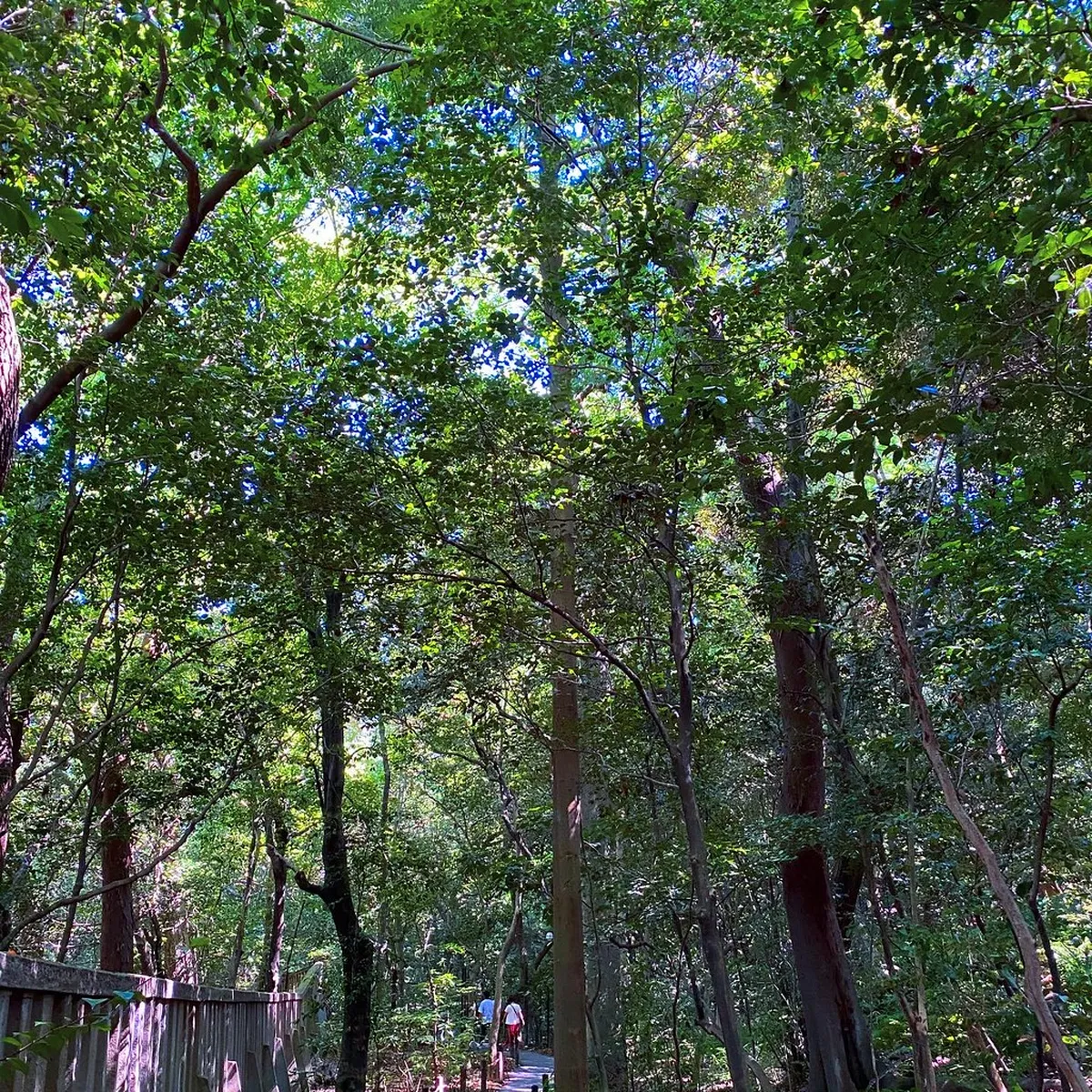
Table of Contents
Atsuta Shrine Winter Festival Ceremony Schedule 2026
Atsuta Jingu stands as one of the most sacred places in Japan. It holds deep spiritual meaning for the people of Nagoya. Exploring the Atsuta Shrine winter festival ceremony schedule 2026 allows you to witness ancient traditions. These events offer a unique look into Shinto culture today.
Winter is a special time at this historic forest sanctuary. The cold air adds a sense of purity to every ritual. You will find many spiritual events happening throughout January and February. Many visitors come here to start their new year with blessings. It is a highlight on any Nagoya winter festival calendar for 2026.
The shrine grounds cover a massive area in the city center. Towering cedar trees protect the sacred buildings from the wind. This natural setting creates a peaceful atmosphere for all ceremonies. You can feel the history in every stone and wooden beam. Prepare for an unforgettable cultural journey through Japan's ancient past.
New Year Hatsumode Rituals at Atsuta Shrine
For official information, visit Nagoya Convention & Visitors Bureau.
To plan your trip, review Chubu Centrair International Airport.
The year begins with the massive Hatsumode celebration in early January. Millions of people visit the shrine during the first five days. They pray for health, safety, and success in the coming year. The atmosphere is vibrant yet deeply respectful for all guests. You should check the Nagoya New Year shrine visit guide 2026 for more details.On January 1st, the Saitan-sai ritual takes place at sunrise. This ceremony welcomes the new year with prayers for peace. The shrine priests wear beautiful traditional robes for this event. Visitors can watch from the designated public viewing areas. It is an excellent way to experience Japanese spirituality firsthand.
Food stalls line the pathways during the first week of January. You can try local snacks like hot dango or yakisoba. These stalls provide warmth and energy during the cold winter days. Many people buy protective amulets called omamori during their visit. These items are popular souvenirs for friends and family back home.
The first few days of 2026 will be very crowded. We recommend arriving very early in the morning to avoid lines. Public transport to the shrine is very efficient from Nagoya Station. Use the Meitetsu Line for the fastest access to the grounds. Remember to follow all local etiquette rules while you are visiting.
Pro Tip: Buy your train tickets in advance to save time. The ticket machines often have long queues during New Year events. Having an IC card like Suica or Pasmo is best. This will make your travel through Nagoya much easier and faster.
The Sacred Hatsu-Ebisu Prosperity Ritual
One major event on the Atsuta Shrine winter festival ceremony schedule 2026 is Hatsu-Ebisu. It takes place every year on the night of January 5th. This festival honors Ebisu, the god of wealth and business. Many local merchants and workers attend this energetic night event. They hope to secure good fortune for their companies in 2026.
The ritual officially begins at the stroke of midnight. Huge crowds gather near the Kami-Ebisu and Shimo-Ebisu shrines. People compete to get the first lucky charms of the year. These charms often feature small rakes or golden scales. The energy in the air is truly unique and exciting.
You will hear people shouting "fuku-yose" during the midnight rush. This phrase means "to bring in good fortune" for everyone. It is a rare chance to see Nagoya's business culture. Many CEOs and small shop owners pray side by side here. The ritual showcases the deep community bonds within the city.
Please be aware that this event is very lively. It may feel more crowded than a normal shrine visit. Stay alert and hold onto your personal belongings tightly. Wearing sturdy shoes is a good idea for the uneven paths. This experience is perfect for travelers seeking a local atmosphere.
Mato-Sho-Shinji The Ancient Archery Ceremony
The Mato-Sho-Shinji is a striking ritual held on January 15th. It is a traditional archery event meant to predict the harvest. Shinto priests shoot arrows at a large wooden target. This target often has the character for "demon" on the back. This symbolic act helps drive away bad luck for 2026.
The precision of the archers is a sight to behold. They use traditional bows and wear historical Shinto ceremonial clothing. Each shot is performed with great care and meditative focus. The silence of the crowd adds to the ritual's intensity. Only the sound of the bowstrings breaks the quiet forest air.
If the arrows hit the target, it signals a good year. Farmers in the region watch this event with great interest. It reflects the agricultural roots of the Atsuta area and city. You can stand quite close to the archery range area. This provides excellent photo opportunities for your winter travel blog.
The ceremony usually starts in the late morning at the pavilion. It is free for all visitors to watch this display. Most people stay for about one hour to see everything. Afterward, you can enjoy a quiet walk in the forest. The shrine gardens are beautiful during the mid-winter months.
Exploring the Koushou-Shinji Ritual in Late Winter
🌟 Local Expert Tip: Get the most out of your Nagoya visit with guided tours!
The Koushou-Shinji takes place in late January or early February. This ceremony focuses on the importance of local silk production. It celebrates the goddess of silk and traditional Japanese weaving. Priests offer silk cocoons to the gods during the ritual. It is a quiet event compared to the New Year.
You will see beautiful silk textiles displayed during this special time. These items represent the high quality of regional craftsmanship in Nagoya. Many visitors appreciate the calm and peaceful nature of this ritual. It shows the diverse range of traditions at Atsuta Jingu. You can learn about the history of Japanese clothing here.
The ritual usually takes place near the main sanctuary building area. We suggest checking the exact time at the shrine office. Small brochures are available in English to help you understand. This ritual is perfect for history buffs and culture lovers. It highlights the shrine's connection to local industry and art.
After the ceremony, visit the Treasure House located nearby on-site. This museum holds many historical swords and imperial artifacts. Some of these items are designated as National Treasures of Japan. It is the perfect place to warm up inside. Admission fees are small and very worth the cost.
Practical Tips for Visiting in Winter 2026
Winter weather in Nagoya is often cold and very windy. Temperatures usually range between 1°C and 10°C in early January. You will need a heavy coat and warm scarves. Review the Nagoya winter weather guide for daily packing tips. Layering your clothes will help you stay quite comfortable.
Most shrine ceremonies are held outdoors in the open air. This means you will be standing on gravel for long periods. Wear socks that are thick and shoes with good support. Hand warmers called "kairo" are sold in every local convenience store. These small packets stay warm for many hours in pockets.
The shrine is open 24 hours a day for general visits. However, the amulet shops and treasure house have set hours. Usually, these facilities open at 9:00 AM and close at 4:30 PM. Plan your visit to match the events you want to see. The morning hours are usually the best for peaceful prayers.
Respect the sanctity of the shrine at all times during visitor ceremonies. Avoid talking loudly or running on the sacred shrine grounds. Take off your hat before entering the main prayer areas. Bowing once at the entrance gates is a polite gesture. This shows respect for the local gods and Japanese customs.
Visitor Information:
- Address: 1 Chome-1-1 Jingu, Atsuta Ward, Nagoya, Aichi.
- Admission: Grounds are free; Museum costs 500 yen.
- Access: 3-minute walk from Jingu-mae Station (Meitetsu Line).
- Hours: Open daily; Museum 9:00 AM to 4:30 PM.
Seasonal Cultural Experiences Near the Shrine
🎯 Insider Tip: Discover the best Nagoya experiences with Viator Tours!
Your visit to Atsuta Shrine can include other winter spots. Shirotori Garden is just a short walk away from the shrine. This traditional Japanese garden features beautiful winter illuminations in late January. The snow protectors on the pine trees look like art. It is a peaceful place for a slow afternoon stroll.
Nagoya's famous Meijo Park also offers beautiful winter views and walks. You can see Nagoya Castle from across the park's lake. Many winter flowers start to bloom in the garden area. It is a great spot for taking scenic winter photos. The park is easily accessible via the local subway system.
Try the local specialty called Kishimen noodles while you are here. This flat noodle dish is a favorite Nagoya soul food. It is served piping hot and perfect for a winter lunch. Several shops near Jingu-mae Station serve this traditional Nagoya meal. It provides the warmth you need after a long walk.
Nagoya has many other festivals during the winter season of 2026. Many temples host fire festivals to welcome the coming spring. Check local travel boards for smaller community events and markets. You will find that Nagoya is full of winter surprises. The city offers a perfect mix of ancient and modern.
Frequently Asked Questions
What time does the Atsuta Shrine winter festival ceremony start?
The start times vary for each specific ritual during the winter. For example, the Hatsu-Ebisu festival begins exactly at midnight on January 5th. Other ceremonies like Mato-Sho-Shinji usually start around 10:00 AM or 1:00 PM. We recommend arriving at least 30 minutes early for a spot.
Is Atsuta Shrine free to enter in the winter?
Entrance to the main shrine grounds is free for all visitors. Most outdoor ceremonies can be watched without paying any fees or tickets. However, the Bunkaden Treasure House museum requires a small entry fee. Expect to pay about 500 yen to see the historical exhibits.
Can I take photos during the winter festivals?
Photography is allowed in most outdoor areas of the shrine grounds. However, taking photos of the main sanctuary interior is strictly forbidden. Please use common sense and do not use a loud flash. Always look for signs that indicate where cameras are not allowed.
How do I get to Atsuta Shrine from Nagoya Station?
The fastest way is taking the Meitetsu Line to Jingu-mae Station. This train journey takes only about 7 minutes from central Nagoya. You can also use the JR Tokaido Line to Atsuta Station nearby. Both stations are within easy walking distance of the main shrine entrance.
Following the Atsuta Shrine winter festival ceremony schedule 2026 will enrich your trip. These ancient rituals offer a deep connection to Japan's spiritual heart. From the archery ritual to the prosperity festival, there is much to see. We hope you enjoy the quiet beauty of Nagoya this winter.
Be sure to dress warmly for the cold coastal wind. Bring your camera and an open heart for these Shinto traditions. Most events are easy to reach and free for visitors. For more tips, check our other city guides for 2026. Safe travels to the beautiful shrines of Japan this year!
Key Takeaways
- Hatsu-Ebisu on January 5th is a high-energy midnight festival.
- Mato-Sho-Shinji on January 15th features traditional sacred archery rituals.
- Arrive early for Hatsumode (Jan 1-3) to avoid the largest crowds.
Related reads: polarcityguide.com, nagoya winter travel guide 2026, owari okunitama shrine naked festival dates 2026.