
Best Early Cherry Blossom Spots Naha (2026)
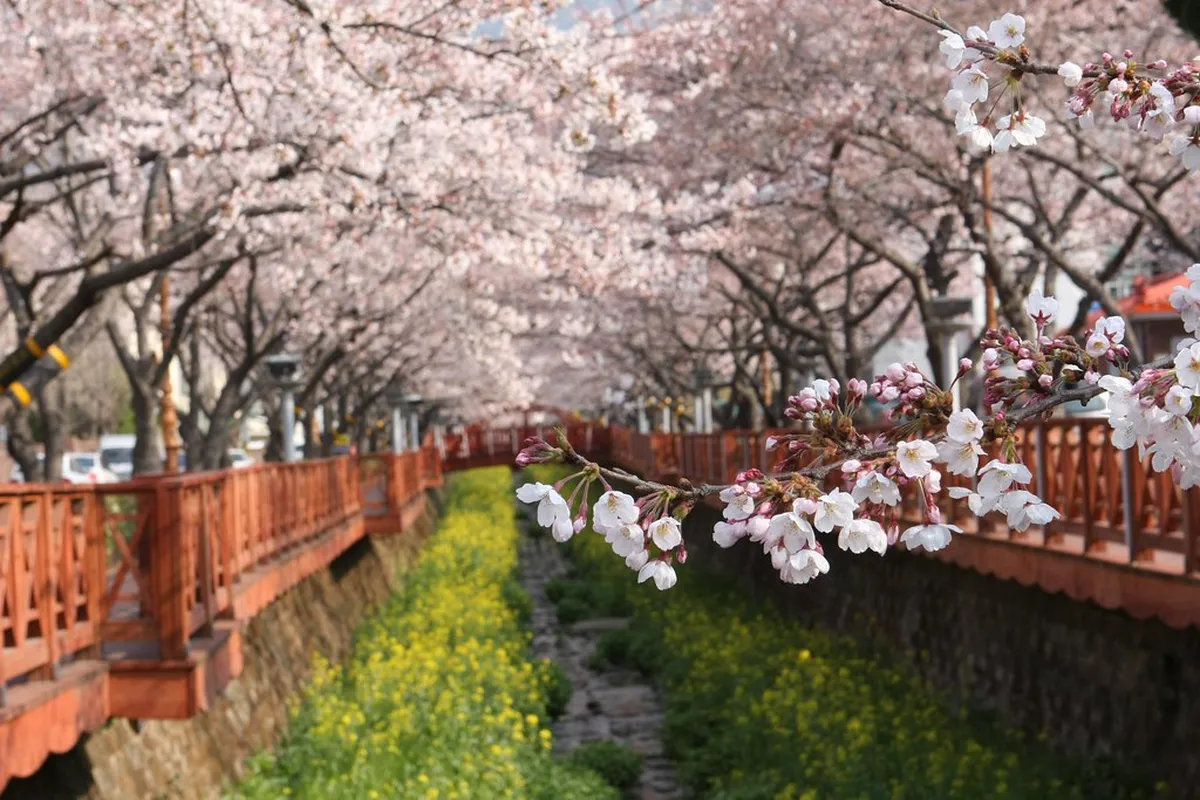
Table of Contents
Top Early Cherry Blossom Spots Naha for 2026 Season
Explore the early cherry blossom spots Naha offers during the winter season of 2026 throughout the city. Most visitors think of spring when they plan their cherry blossom trip to the country of Japan. However, the tropical climate in Okinawa allows beautiful flowers to bloom much earlier here than elsewhere. You can see these stunning pink blossoms while the rest of the nation remains in deep winter.
The specific type of flower found in Okinawa is known as the Kanhi-zakura cherry blossom tree. These flowers feature a deep bell-like shape and a vibrant magenta color that stands out clearly. They typically begin blooming in late January and reach their peak beauty in early February each year. Planning a visit to these early cherry blossom spots Naha hosts is a unique experience.
Many travelers choose Naha as their base for exploring the cherry blossom trails across the southern islands. The city offers convenient public transportation that makes reaching various parks and shrines very simple and fast. You do not need a rental car to enjoy the best floral displays in the city center. Walking through these parks provides a peaceful escape from the busy urban atmosphere of the main streets.
Visitors in early 2026 will find many events centered around the arrival of these beautiful winter flowers. From local food stalls to traditional music performances, the atmosphere is festive and welcoming for all people. This guide provides all the practical details you need for a successful flower viewing trip this year. Prepare your camera and comfortable walking shoes for a wonderful journey through the blooming streets of Naha.
Yogi Park: The Heart of Sakura Viewing
For official information, visit Lonely Planet Naha Guide.
To plan your trip, review Gusuku Sites and Related Properties of the Kingdom of Ryukyu.
Yogi Park stands as one of the most popular early cherry blossom spots Naha provides for visitors. This spacious green area is located just a ten-minute walk from the busy Kokusai Dori shopping street. Over 400 Kanhi-zakura trees line the canal that runs directly through the center of the large park. The reflection of the pink flowers on the water creates a stunning scene for every traveler to enjoy.You can spend several hours walking along the paved paths and enjoying the fresh winter air here. Local families often set up picnic blankets under the trees to celebrate the arrival of the new season. For a deeper look at this location, check out our Yogi Park cherry blossom guide before you arrive. Entrance to the park is free for everyone and remains open twenty-four hours every single day.
During the peak blooming period in February 2026, the park hosts the Naha Sakura Festival for visitors. You will find numerous stalls selling local Okinawan snacks and traditional crafts near the main park entrance. It is a fantastic place to try warm purple sweet potato tarts or fresh tropical fruit juices. The festival creates a lively atmosphere that perfectly complements the natural beauty of the surrounding flower trees.
Getting to Yogi Park is very simple if you are staying in the Naha city center area. You can take the Okinawa Monorail to Asato Station and walk south for about five to ten minutes. If you prefer the bus, many lines stop at the Yogi Stop located directly next to the park. The park is fully accessible for strollers and wheelchairs with flat paths and many wooden benches for resting.
Sueyoshi Park: A Natural Forest Escape
Sueyoshi Park offers a more rugged and natural environment compared to the manicured lawns of Yogi Park downtown. This large hilly area contains a dense forest that makes you feel far away from the urban city. It is recognized as one of the best early cherry blossom spots Naha maintains for nature lovers. The park features many walking trails that lead through lush tropical greenery and historic stone structures.
The cherry trees here are scattered throughout the park rather than planted in long straight residential rows. This creates a treasure hunt feeling as you discover pink blossoms hidden among the green forest leaves. The Sueyoshi Shrine sits at the highest point of the park and offers a very peaceful atmosphere. You can enjoy panoramic views of Naha city while standing among the blooming trees during your afternoon visit.
Hiking through Sueyoshi Park requires a bit more physical effort than visiting other more central urban flower spots. We recommend wearing sturdy walking shoes because some of the stone paths can be slippery after light rain. Bring a bottle of water and sun protection even during the cooler winter months in Okinawa. There are no entrance fees for the park, making it an excellent choice for budget-conscious solo travelers.
To reach this natural oasis, take the monorail to Shuri Station or the nearby City Hospital Station. From either station, the park entrance is roughly a fifteen-minute walk through a quiet residential neighborhood area. Many people combine a visit here with a trip to the nearby historic Shuri Castle district nearby. It is a perfect spot for those seeking quiet contemplation away from the major tourist crowds in Naha.
Naha Cherry Blossom Festivals 2026
Attending a local festival is the best way to experience the cultural side of the winter blossom season. Many festivals occur between late January and mid-February to celebrate the peak of the dark pink flowers. You can find updated details on the Naha cherry blossom festival dates to plan your schedule. These events often include stage performances featuring traditional Okinawan dancing and loud festive drumming.
The atmosphere at these festivals is friendly and allows you to mingle with local residents and other travelers. Many vendors offer seasonal treats that incorporate the cherry blossom theme into their delicious food and drinks. You might find pink mochi rice cakes or special Sakura-flavored teas that are only available during this time. Buying these local snacks is a great way to support the community while enjoying the beautiful floral views.
Small festivals also take place in neighborhood parks and at local shrines throughout the entire Naha city area. These smaller events provide a more intimate look at how Okinawan people celebrate their unique natural environment. You can often see school children performing music or elderly residents tending to the beautiful flowering trees. These community gatherings are often free and offer a very authentic experience for curious international tourists.
Keep in mind that peak festival weekends can be quite crowded with many people visiting from northern Japan. We suggest arriving early in the morning to secure a good viewing spot near the main performance stages. If you prefer a quieter experience, visit the festival grounds on a weekday afternoon during your 2026 trip. Most festivals operate from 10:00 AM until about 8:00 PM throughout the peak blooming week in February.
Manko Park and Wetland Blooms
🎯 Insider Tip: Discover the best Naha experiences with Viator Tours!
Manko Park is a unique location that combines flower viewing with bird watching and wetland ecological exploration. This park borders a large tidal flat that serves as an important habitat for many migratory winter birds. You can walk along the elevated wooden boardwalks to see the pink blossoms against the blue coastal water. It is a refreshing change of scenery from the mountain and forest parks found elsewhere in Naha.
The cherry trees are planted along the walking tracks that circle the perimeter of the large park area. This makes Manko Park an ideal spot for a long morning stroll or a light afternoon jog. You will see many local joggers and dog walkers enjoying the scenic paths during the cool winter days. The area is very flat and easy to navigate for visitors of all ages and fitness levels.
The Manko Waterbird and Wetland Center is located nearby and offers educational exhibits about the local environment. You can learn about the various plants and animals that call this part of Naha their home year-round. After exploring the center, you can relax in the shade of the cherry trees with a nice picnic. There are several clean public restrooms and drinking fountains located conveniently throughout the park for visitor use.
You can reach Manko Park by taking a bus from the Naha Bus Terminal to several nearby stops. Alternatively, it is a twenty-minute walk from the Onoyama Koen monorail station across the scenic Meiji Bridge. The park is especially beautiful during high tide when the water reflects the vibrant colors of the blooming trees. It remains one of the quietest early cherry blossom spots Naha has to offer in the winter.
Practical Tips for Your Winter Visit
Visiting early cherry blossom spots Naha features requires a bit of research into the local weather and transport. Winter temperatures in Naha usually range between 15 and 20 degrees Celsius during the daytime hours in February. This is very comfortable for walking but you should check the Naha winter weather and packing guide. A light jacket or a warm sweater is usually enough to keep you comfortable while exploring outdoors.
The cherry blossom season in Okinawa is influenced by cold fronts that move down from mainland Japan. These winds actually trigger the trees to bloom, unlike in the north where warmth starts the blooming cycle. This means the blossoms usually appear in the north of the island first and move south to Naha. Always check local blossom forecasts when you arrive to find the trees with the most vibrant pink flowers.
Okinawa is a popular destination for domestic travelers who want to escape the snow in the northern cities. We recommend booking your hotel in Naha at least two or three months before your planned travel dates. Prices for accommodation can increase as the February blossom season and Chinese New Year holidays approach each year. Staying near a monorail station will save you a lot of time and money on local transport costs.
Don't forget to charge your camera batteries and clear your memory cards before heading out for the day. The dark pink Kanhi-zakura flowers look best when photographed against a bright blue sky or traditional stone walls. Try to visit the parks during the golden hour just before sunset for the softest and most beautiful light. Many parks also offer night illumination which allows you to enjoy the flowers after the sun goes down.
Frequently Asked Questions
When is the best time to see cherry blossoms in Naha?
The best time to see them is usually from late January through mid-February in the city. However, the exact dates change every year based on the local winter weather and wind conditions. You should follow local blossom reports to ensure you catch the flowers at their peak magenta color.
What is the name of the cherry blossom variety in Okinawa?
The variety found in Okinawa is called Kanhi-zakura, which is very different from the pale pink Somei Yoshino. These flowers are a deep magenta or hot pink and have a drooping bell shape that resists wind. They are perfectly adapted to the subtropical climate found in the southern islands of Japan.
Are there entrance fees for the cherry blossom parks in Naha?
Most public parks in Naha, like Yogi Park and Sueyoshi Park, are completely free for the public to enter. You only need to pay for food at festival stalls or for transportation to reach the park locations. This makes flower viewing one of the most affordable activities for travelers visiting Naha in winter.
Can I see cherry blossoms at night in Naha?
Yes, several parks like Yogi Park often have light installations during the peak of the flowering season in February. These lights allow you to see the dark pink blossoms clearly even after the sun has set. It creates a very romantic and peaceful atmosphere for an evening stroll after a nice dinner.
Naha offers a spectacular and early start to the cherry blossom season for anyone visiting Japan in early 2026. From the urban charm of Yogi Park to the wild forest trails of Sueyoshi, there is a spot for everyone. Plan your trip around the blooming forecasts to ensure you experience the most vibrant pink petals in person. We hope you enjoy exploring these early cherry blossom spots Naha provides during your upcoming winter vacation. For more ideas on what to do, check out our full Naha winter travel guide today.
Key Takeaways
- Visit Yogi Park in early February for the most popular and accessible flower viewing experience.
- Choose Sueyoshi Park if you prefer a quiet, natural forest setting with historic shrine views.
- Pack a light jacket as Naha winter temperatures average around 15-20°C (59-68°F) during the day.
- Check the official festival dates to enjoy local food and traditional Okinawan music performances.
- Use the Okinawa Monorail for the fastest and most affordable way to travel between major parks.
Related reads: polarcityguide.com, whale watching tours from naha.