
History of Ryukyuan Lanterns in Naha Festivals
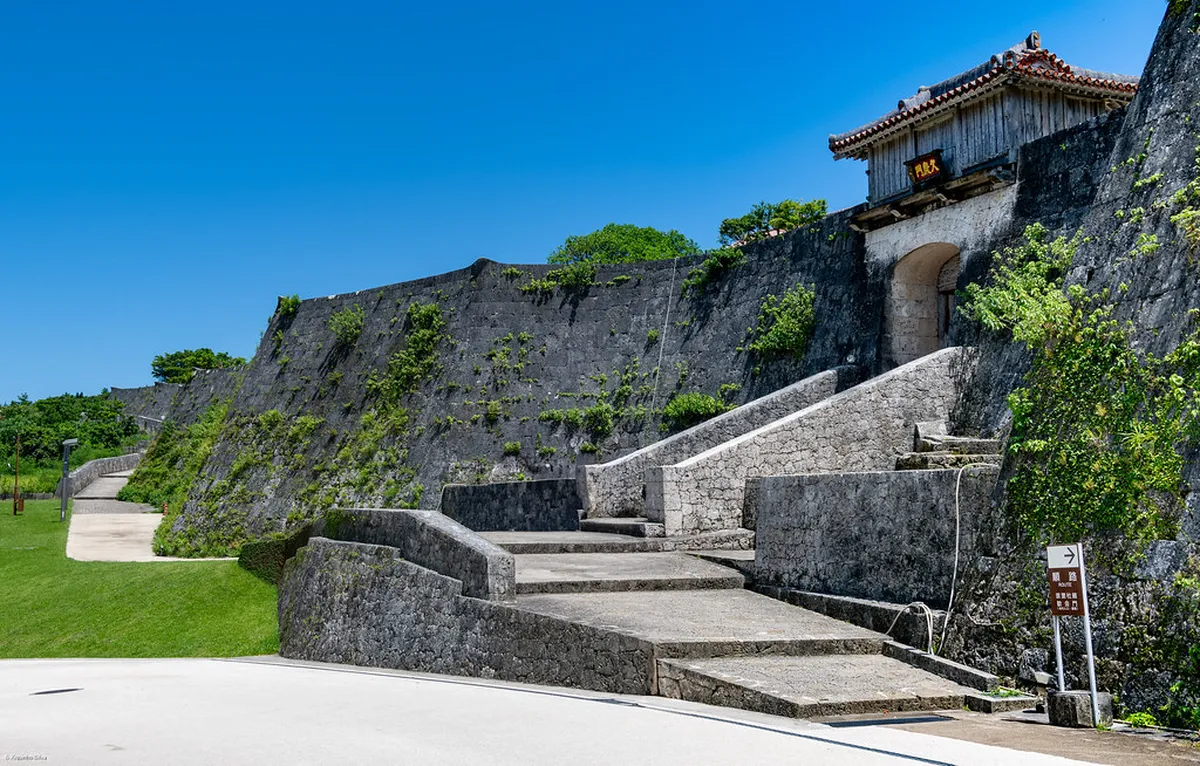
Table of Contents
The Deep History of Ryukyuan Lanterns in Naha Festivals
Exploring the history of Ryukyuan lanterns in Naha festivals reveals a vibrant tapestry of ancient island culture. These glowing beacons have guided residents and royalty through the streets of Naha for many centuries. Today, they remain a central feature of the Shurijo Castle winter evening lightup for all visitors to enjoy.
During the winter of 2026, these traditional lanterns will illuminate the historic pathways of Okinawa's capital city. The soft glow provides a warm atmosphere that connects the modern era with the regal Ryukyu Kingdom. Understanding this history enhances the experience of watching the beautiful evening displays across the city.
Origins of the Ryukyuan Lantern Tradition
For current hours, prices, and announcements, start with Naha travel info.
For official information, visit Naha Culture Arts Theater Nahart.
The history of Ryukyuan lanterns in Naha festivals began through extensive maritime trade with neighboring Asian nations. Ryukuan sailors brought back artistic techniques from China and Southeast Asia during the 14th and 15th centuries. Local artisans then adapted these foreign styles to fit the unique environmental conditions of the Okinawan islands.Early lanterns were essential tools for safety during the midnight rituals held at royal shrines and palaces. They were initially reserved for the high-ranking officials and priests who served the Sho Dynasty kings. Over time, these functional objects evolved into the highly decorative pieces seen at modern Naha celebrations today.
The materials used in those early days were sourced directly from the lush subtropical forests of Okinawa. Bamboo was split into thin strips to create the flexible frames that define the traditional lantern shape. These frames were then covered with handmade paper to protect the flickering oil flames from the wind.
During festive nights, the lanterns symbolized the divine light protecting the islands from misfortune and natural disasters. Farmers and fishermen began using them during community gatherings to pray for successful harvests and safe voyages. This gradual transition from royal tool to community symbol cemented their place in Okinawan cultural history.
Traditional Crafting Methods in Naha
Crafting a traditional Ryukyuan lantern requires immense patience and specialized knowledge passed down through generations. Master craftsmen in Naha continue to use many of the same techniques developed during the kingdom era. They often select local bamboo which has been seasoned to prevent cracking in the humid island air.
The paper covering is specifically treated with natural oils to make it translucent and weather-resistant for outdoor use. Many lanterns feature hand-painted symbols representing the "Tomoe" crest or other important motifs of the Ryukyu Kingdom. Artisans typically spend several days perfecting a single large lantern for the major winter festival displays.
Modern versions of these lanterns often incorporate modern lighting elements while maintaining their classic, historical appearance. This allows for safer displays during the busy Naha winter travel guide 2026 events and city lightups. You can still see traditional oil-lit lanterns during specific heritage ceremonies held near the Shurijo area.
Visitors can find small lantern workshops located in the Tsuboya pottery district of Naha during the winter months. These shops offer a glimpse into the intricate process of assembling the bamboo skeletons by hand. Supporting these local businesses helps to preserve these vital artistic skills for the benefit of future generations.
Lanterns at the Shurijo Castle Lightup
The Shurijo Castle winter evening lightup provides a spectacular showcase for the traditional lanterns of the Ryukyu islands. Thousands of glowing paper lanterns line the massive stone walls of the castle during this seasonal event. This creates a breathtaking visual experience that honors the spiritual history of the former royal residence.
Most evening lightup events begin at 6:00 PM and continue until the gates close at 9:00 PM. Access to the outer castle grounds is often free, making it an accessible experience for all travelers. The inner sanctuary areas may require a small admission fee of roughly 400 yen during 2026.
Walking through the gates surrounded by lanterns feels like stepping back into the peak of the kingdom era. The light emphasizes the unique red architecture of the castle buildings against the dark night sky. It is a perfect time for photography, especially near the iconic Shureimon Gate where lighting is best.
To truly appreciate the display, consider following a dedicated Shurijo Castle night walk itinerary in Naha for the best views. This route guides you past the quietest spots where the lantern light reflects off the ancient limestone. Following a plan ensures you see the most artistically arranged lanterns before the crowds arrive.
Seasonal Symbolism and Local Festivals
💡 Pro Tip: Book your Naha adventures in advance through Viator for the best deals!
Lanterns play a major role in several Naha festivals throughout the year, including the Lunar New Year celebrations. During the winter, the light represents the return of the sun and the hope for communal prosperity. Residents often hang lanterns outside their homes to welcome the spirits of their ancestors during significant holidays.
In Naha, specific festivals like the "Ryukyu Dynasty Festival" feature massive parades illuminated by decorated hand-held lanterns. These events showcase the evolution of lantern designs from simple utility items to complex pieces of art. The colorful patterns often change depending on the season and the specific spiritual purpose of the event.
During the winter of 2026, local neighborhoods in Naha will host their own smaller lantern festivals for residents. These smaller events offer a more intimate look at how lanterns function in daily Okinawan life today. Visitors are always welcome to observe the quiet beauty of these neighborhood celebrations during their stay.
The warm yellow glow of the lanterns is said to represent the hospital spirit of the Okinawan people. This hospitality, known locally as "Ichariba Choodee," creates a festive atmosphere that is unique to the islands. Experiencing these festivals allows travelers to connect deeply with the local community through shared light and tradition.
Planning Your 2026 Visit to Naha
Planning a trip to see the lantern festivals in Naha requires some basic knowledge of the local calendar. Most winter lightup events run from late November through early February to coincide with the cooler weather. This period offers the most comfortable temperatures for walking outdoors through the historic districts of the city.
Travelers should check the official Shurijo Castle Park website for the most accurate and up-to-date event schedules. Evening events can occasionally be canceled or moved if heavy rains or strong winds are expected in Naha. It is also wise to arrive early to secure a good viewing spot for the sunset lightup.
Booking a hotel near the Kokusai Dori area allows for easy walking access to many evening festival locations. Many hotels in Naha also decorate their lobbies with traditional lanterns during the peak winter holiday season. This provides guests with a constant connection to the artistic history of the Ryukyu islands throughout their trip.
Public transportation in Naha remains reliable during the evening, making it easy to visit multiple lantern sites. The Yui Rail monorail system stops within walking distance of the castle and many other historical shrines. Using the monorail is the fastest way to travel between the different festival zones during busy weekends.
Frequently Asked Questions
⭐ Recommendation: Don't miss out on amazing Naha tours - book now!
What is the best time to see the Ryukyuan lanterns in Naha?
The best time is between December and February during the winter evening lightups held at Shurijo Castle. Displays usually begin at 6:00 PM when the sun sets over the East China Sea. These months offer the most festive atmosphere with multiple lantern events across the city streets.
Are there admission fees for the Naha lantern festivals?
Many public lantern displays along Kokusai Dori and the outer castle walls are free for everyone to enjoy. Some specialized events inside the Shurijo Castle inner grounds might charge a fee of about 400 yen. Always check the specific event details for 2026 before you plan your evening walk itinerary.
Where can I buy traditional Ryukyuan lanterns as souvenirs?
You can find authentic handmade lanterns in the craft shops located throughout the Tsuboya and Shuri neighborhoods. Many artisans offer small, battery-operated versions that are easy for international travelers to carry home safely. These smaller lanterns maintain the traditional aesthetic while being practical for modern home decoration.
How long does the Shurijo Castle winter lightup last?
The seasonal lightup event typically runs for several weeks during the peak winter months in Naha. Most individual evening sessions last for three hours, providing plenty of time for photography and quiet exploration. Check the official park calendar for the exact dates of the 2026 winter festival season.
The history of Ryukyuan lanterns in Naha festivals is a testament to the enduring spirit of Okinawa. From royal court rituals to modern winter lightups, these lanterns remain a beacon of local pride and beauty. Plan your journey to Naha in 2026 to experience this magical tradition in person today.
Key Takeaways
- Ryukyuan lanterns originated from historical trade links with China and Southeast Asia.
- Traditional lanterns are made using local bamboo frames and specially treated paper.
- The Shurijo Castle winter lightup is the best place to see these lanterns in 2026.
- Most lanterns in Naha festivals symbolize community spirit, safety, and spiritual protection.
Related reads: polarcityguide.com, shurijo castle reconstruction status winter 2026 update.