
Local Pottery Shops in Tsuboya District Naha
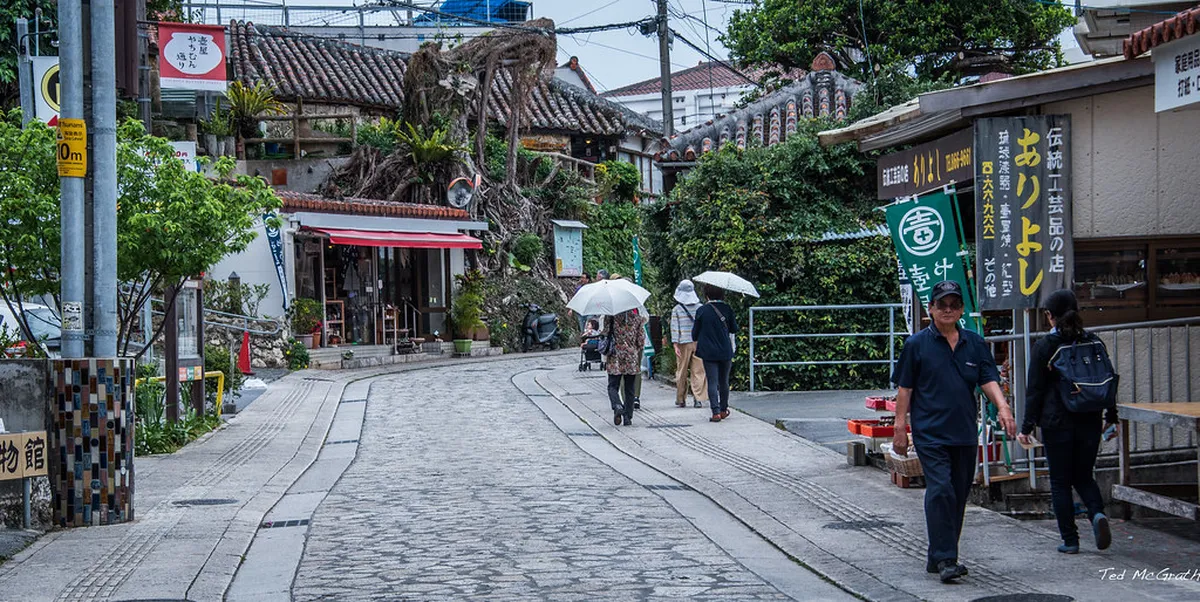
Table of Contents
Best Local Pottery Shops in Tsuboya District Naha
Visiting local pottery shops in Tsuboya district Naha is an essential part of any Okinawan winter trip. This historic area offers a peaceful escape from the busy crowds found on nearby Kokusai Dori street. You can find high quality ceramics while following our detailed Naha winter shopping guide 2026 during your holiday. The cool winter weather makes walking along the stone paths of this district a very pleasant experience.
Pottery has been the heart of this neighborhood for over three hundred years of Okinawan history. Local artisans produce work known as Yachimun which features brave designs and vibrant glaze colors from nature. You will find many small galleries tucked away in narrow alleys throughout this charming traditional district. Many travelers enjoy searching for the perfect bowl or plate to bring back home as a souvenir.
Exploring the various local pottery shops in Tsuboya district Naha allows you to see authentic Japanese craftsmanship. Most shops are open daily from ten in the morning until six in the evening for visitors. You can watch artists working at their wheels or painting intricate patterns on clay in several open studios. This guide will help you navigate the best spots for shopping and learning about Okinawan ceramic arts.
Exploring the Rich History of Tsuboya District
For practical details and last-minute changes, use Naha travel info.
For official information, visit Naha Culture Arts Theater Nahart.
Tsuboya became the center of Okinawan pottery in sixteen eighty-two when several regional kilns moved to this site. The Ryukyu Kingdom gathered artisans here to improve production and ensure high quality for the local ceramic trade. Today the district retains its historical atmosphere with stone walls made from ancient coral and lush tropical plants. Walking through these streets feels like stepping back in time while exploring unique local pottery shops in Tsuboya district Naha.The traditional climbing kilns are an important architectural feature that you will see while walking through the area. These massive structures are built on slopes to use heat efficiently during the firing process of ceramic goods. While some large kilns are no longer active they remain preserved as important cultural landmarks for modern tourists. You can take beautiful photographs of these historic structures against the clear blue sky of the winter season.
Many local pottery shops in Tsuboya district Naha are actually housed within traditional Okinawan buildings with red tiled roofs. These structures provide a beautiful backdrop for the earthy tones and deep blues of the ceramic pieces on display. You will notice that many roofs feature protective shisa lion statues meant to ward off evil spirits from homes. This connection between the architecture and the art makes the shopping experience feel deeply rooted in local culture.
Winter is a fantastic time to learn about this history because the outdoor museum exhibits are very comfortable. You should visit the Tsuboya Pottery Museum to understand the technical evolution of these beautiful handmade Okinawan ceramic works. The museum provides English descriptions that explain the difference between unglazed and glazed styles of traditional pottery pieces. Knowledge from the museum will help you appreciate the items you see in the surrounding retail ceramic shops.
Ikutouen: Master Craftsmanship in Traditional Style
Ikutouen is one of the most famous local pottery shops in Tsuboya district Naha for high quality work. This established studio is known for its mastery of traditional techniques and beautiful hand-carved details on every piece. Their signature style often features elegant floral patterns and bold colors that represent the natural beauty of Okinawa. You will find a wide range of items from small sake cups to large decorative ceramic platters.
Master potters at this shop have passed down their specialized skills through many generations of the same talented family. They continue to use local clay and natural glazes to maintain the authentic look of classic Tsuboya ceramic ware. You can see the passion in their work by looking closely at the fine lines on their shisa statues. These protective lions are highly sought after by collectors who visit Naha specifically for authentic Okinawan craft items.
Visitors can participate in pottery workshops at Ikutouen to try making their very own unique handmade ceramic pieces. Skilled instructors will guide you through the process of shaping clay or painting traditional designs on a pre-made item. These classes are perfect for families traveling together during the winter months when outdoor activities might be cooler. Be sure to book your session in advance because these popular workshops often fill up quickly with tourists.
The shop environment is welcoming and allows you to browse through their extensive collection at a relaxed pace. Prices for small cups start around two thousand yen while large shisa statues can cost over fifty thousand yen. You can pay with major credit cards which makes it easy for international travelers to purchase their favorite items. Staff members can provide information about the artists and the specific techniques used for each unique ceramic piece.
Craft Shop Tibaichi: Modern Designs for Homes
Craft Shop Tibaichi stands out among local pottery shops in Tsuboya district Naha for its modern ceramic aesthetic. This gallery features works from younger artists who blend traditional Okinawan methods with contemporary shapes and useful styles. You will find many items that fit perfectly in a modern kitchen or a minimalist home decor setting. The shop layout is bright and organized which makes it very easy to view the different ceramic collections.
The selection at Tibaichi includes beautiful plates and bowls that feature lighter colors and more simple geometric patterns. Many of these pieces are designed for daily use and are both durable and aesthetically pleasing to the eye. You might find unique pastel glazes that differ from the heavy browns and greens of more traditional pottery styles. This variety makes it a great place to find gifts for friends who appreciate modern interior design styles.
- Daily Tableware: Find plates, bowls, and mugs that are perfect for serving meals at home every day.
- Decorative Vases: Choose from various sizes of flower vases that use unique textures and modern glaze techniques.
- Small Souvenirs: Pick up ceramic chopstick rests or small jewelry trays that are easy to pack in suitcases.
- Artistic Sculptures: Browse modern interpretations of traditional Okinawan symbols created by rising stars in the local art scene.
The prices in this shop are very reasonable for the high level of quality and artistic design provided here. Most small items range from fifteen hundred to three thousand yen which is affordable for many winter holiday shoppers. You should ask about their special seasonal collections which often feature unique colors inspired by the winter ocean tones. The staff is very helpful and can explain the story behind each artist featured in their gallery space.
Gushiken Pottery: Authentic Ceramic Art in Naha
💡 Pro Tip: Book your Naha adventures in advance through Viator for the best deals!
Gushiken Pottery is one of the smaller local pottery shops in Tsuboya district Naha that offers a cozy atmosphere. This shop focuses on rustic designs that highlight the natural texture of the Okinawan clay and traditional ash glazes. You will feel the warmth of the workshop as you browse through pieces that feel heavy and substantial. This style is very popular with those who enjoy the wabi-sabi aesthetic of finding beauty in imperfection.
Many of the items here are fired in traditional wood-burning kilns which creates unique patterns from the flying ash. This means that no two pieces are exactly the same and each bowl has its own individual character. You can find beautiful large platters that are deep enough for serving traditional Okinawan soba noodles to your family. The earthy tones of these ceramics look wonderful on a wooden dining table in any home around the world.
Shopping here allows you to support independent artists who are keeping ancient Okinawan traditions alive in the modern age. The owner is often present in the shop and enjoys talking to visitors about the ceramic making process. You might even see unfinished pieces drying on shelves in the back of the store during your winter visit. This direct connection to the creator adds a lot of value to every purchase you make at this shop.
Before you leave you should check their collection of small ceramic charms and unique keychains for affordable holiday gifts. These small items only cost a few hundred yen but represent the true spirit of Tsuboya ceramic craft traditions. You can easily find the store by looking for the large shisa statues standing guard near the shop entrance. Be sure to check your duty-free shopping rules before making any large purchases at these local boutiques.
Shopping Advice for Pottery Lovers in 2026
💡 Pro Tip: Book your Naha adventures in advance through Viator for the best deals!
When visiting local pottery shops in Tsuboya district Naha you should plan to spend at least two hours exploring. The area is best discovered on foot so wear comfortable walking shoes for the uneven cobblestone paths and stairs. Most shops do not offer international shipping so you must be prepared to carry your purchases in your luggage. Shops usually provide excellent bubble wrap and sturdy boxes to ensure your ceramics stay safe during the flight home.
Timing your visit is important because many shops close early or take a break during the mid-week holiday days. Weekend afternoons can be busy with local shoppers so try to arrive during the weekday mornings for more peace. Winter temperatures in Naha usually stay around eighteen degrees Celsius which is perfect for a long morning of walking. You can find several small cafes along the street where you can rest and enjoy tea in local cups.
Many local pottery shops in Tsuboya district Naha will offer a small discount if you purchase multiple items together. It never hurts to ask politely if there are any special offers for international visitors during the winter season. You should also look for shops that display the tax-free sign to save ten percent on your total cost. Remember to keep your physical passport with you to process these tax savings at the register during your trip.
Finalize your shopping trip by visiting the nearby public market for some local snacks after checking out the pottery. The contrast between the quiet Tsuboya district and the lively market area is a highlight of any Naha itinerary. You will find that Naha is a very safe and friendly city for tourists exploring on their own. We hope this guide helps you find the most beautiful ceramics to remember your Okinawan adventure for years.
Frequently Asked Questions
Are local pottery shops in Tsuboya district Naha open during the winter holidays?
Most local pottery shops in Tsuboya district Naha remain open throughout the winter months including December and January. However many shops might close for a few days during the New Year period from January first to third. It is always wise to check high-profile gallery websites for specific holiday hours before you plan your visit. The street itself is always accessible for a scenic walk even if specific retail stores are closed for lunch.
How do I safely transport fragile ceramics back home from my Naha trip?
Shop owners at local pottery shops in Tsuboya district Naha are experts at packing fragile items for long flights. They will wrap your purchases in multiple layers of bubble wrap and often use sturdy cardboard boxes for safety. You should pack these boxes in the center of your suitcase surrounded by soft clothing for extra cushion. It is best to bring these items in your carry-on luggage if they are very small and valuable.
What is the average price for a handmade bowl in Tsuboya?
The price for a handmade bowl at local pottery shops in Tsuboya district Naha varies based on size. You can expect to pay between two thousand and five thousand yen for a standard rice or soup bowl. More intricate designs from famous master potters can cost significantly more depending on the quality of the finish. Small items like chopstick rests are very affordable and typically cost under one thousand yen for visitors.
Finding the perfect souvenir at local pottery shops in Tsuboya district Naha is a wonderful winter activity in 2026. This historic neighborhood offers a unique glimpse into the artistic soul of Okinawa through its beautiful ceramic traditions. We recommend starting your day early to enjoy the quiet atmosphere and the best selection of handmade goods. For more travel tips check our Naha winter travel guide 2026 to plan your entire Okinawan vacation perfectly.
Key Takeaways
- Most shops open at 10 AM and close by 6 PM daily.
- Look for 'Tax-Free' signs and bring your passport to save money.
- Pottery shops provide secure wrapping for international travel safety.
- Winter weather is mild and perfect for exploring the cobblestone streets.
Related reads: polarcityguide.com, winter sales on kokusai dori in naha, best ryukyuan glass souvenirs to buy in naha.