
Okinawa Prefectural Museum Visitor Guide in Naha
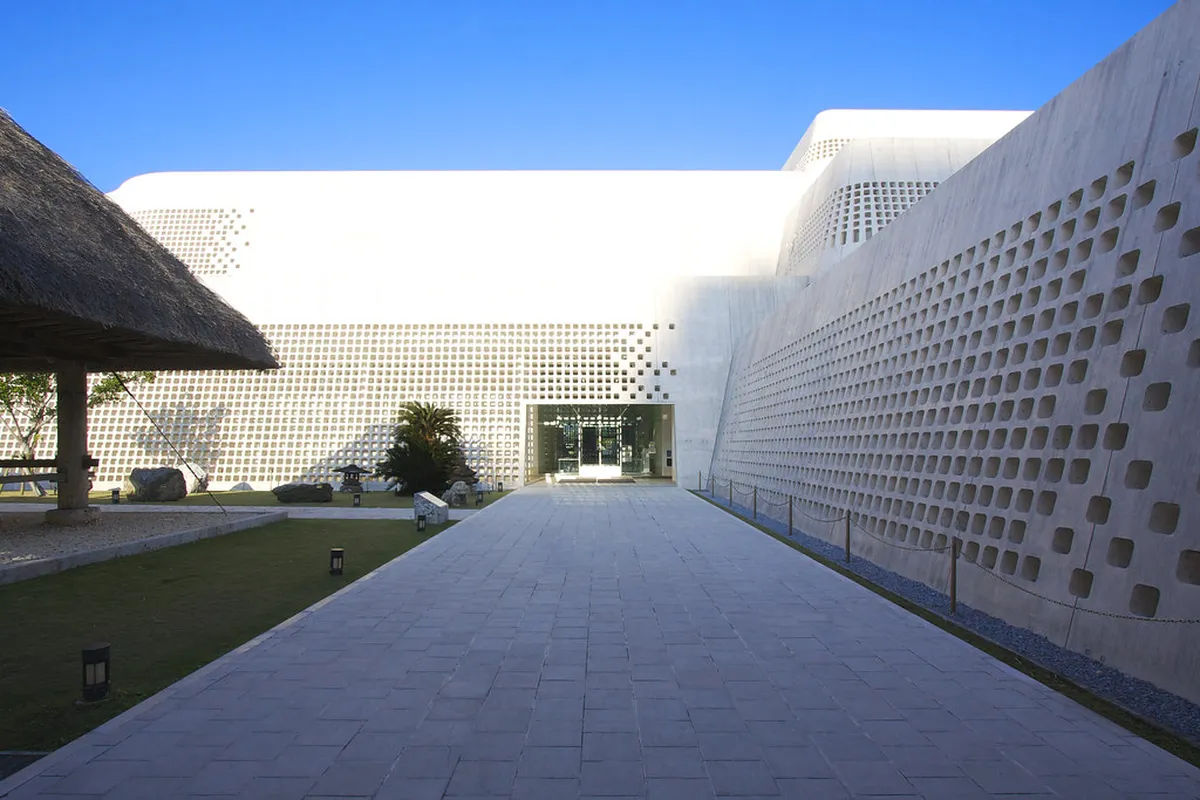
Table of Contents
Ultimate Okinawa Prefectural Museum Visitor Guide in Naha
Discover the rich culture of the Ryukyu Islands using this Okinawa Prefectural Museum visitor guide in Naha. This impressive facility serves as both a history museum and an art gallery. Many tourists visit this landmark to explore ancient traditions and modern creative works in 2026. It is one of the most significant cultural sites in the southern islands of Japan.
The museum building stands out with its modern limestone architecture. Its design mimics old Okinawan castles known as gusuku. Visitors find the massive white walls striking against the blue Naha sky. This guide provides all the practical information you need for a successful visit. You will learn about ticket prices, exhibit highlights, and the best times to arrive.
Architectural Beauty of the Museum Complex
To plan your trip, review Naha travel info.
The facility is locally known as Okimu. Architects designed the exterior to represent the strong fortresses of the Ryukyu Kingdom. The white limestone reflects sunlight and helps keep the interior cool. Massive slanted walls create a bold silhouette in the Omoromachi district. These features make it one of the top indoor attractions in Naha Japan for photographers today.Outdoor walkways surround the building and feature traditional Okinawan structures. You can explore a reconstructed thatched-roof house near the main entrance. These outdoor displays provide a glimpse into rural life from centuries ago. The contrast between ancient styles and modern design is truly remarkable. Many visitors spend thirty minutes just walking around the external grounds.
Natural light fills the large lobby area through high glass windows. The interior floor plan remains open and easy to navigate for all guests. You will notice intricate patterns in the concrete that mimic local textile designs. This attention to detail shows the deep pride Naha takes in its heritage. Use the free lockers in the lobby to store your heavy bags before starting.
The garden area features local plants that thrive in the subtropical climate. You might see hibiscus flowers blooming throughout the warmer months. Benches offer a quiet place for reflection before you enter the main galleries. This peaceful environment makes the museum a perfect escape from the busy city traffic outside. It remains a favorite spot for locals and international travelers alike.
Diving Into the History Museum Exhibits
The history museum focuses on the unique path of the Ryukyu Islands. It traces the timeline from prehistoric eras to the current Japanese administration. You can view rare artifacts that once belonged to the local kings. The exhibits use interactive displays to explain complex historical events clearly. Large dioramas show how traditional Okinawan villages appeared in the past.
A major highlight is the section dedicated to maritime trade. The Ryukyu Kingdom acted as a vital bridge between Japan and Southeast Asia. You will see ancient pottery and coins found during modern archaeological digs. These items prove the islanders were skilled sailors and successful merchants. They traded silk, spices, and precious metals across the vast ocean.
One gallery focuses on the tragic impact of the Battle of Okinawa. It provides a somber look at how the island moved toward peace. You can read personal stories from survivors that are translated into English. These exhibits help visitors understand the resilient spirit of the local people today. It is a necessary stop for anyone wanting to learn the full history of Naha.
The museum also showcases the evolution of traditional Ryukyuan performing arts. You can see colorful costumes used in historic dance and musical theater. Look for the displays of sanshin, which are traditional three-stringed musical instruments. These cultural treasures remain a vital part of Okinawan identity in 2026. The history section usually takes about two hours to explore fully.
Okinawa Prefectural Museum Visitor Guide in Naha
Planning your journey requires knowing the most current visitor details for 2026. The museum is located in the Omoromachi area which is north of Kokusai Dori. You can reach the site easily via the Yui Rail monorail system. Exit the train at Omoromachi Station and walk for ten minutes. Clear signs in English will direct you straight to the main gates.
The standard adult ticket for the history museum costs approximately 530 yen. Access to the art museum requires a separate ticket costing about 400 yen. You can purchase a combined ticket to save money on your visit. Students and children receive significant discounts at the ticket counter. Always bring your identification to qualify for these lower rates.
The museum opens at 9:00 AM and closes at 6:00 PM daily. On Fridays and Saturdays, the hours extend until 8:00 PM for evening guests. The facility typically remains closed on Mondays or during major public holidays. Check the official website before you leave your hotel to confirm the current schedule. Arrival before 11:00 AM helps you avoid the larger tour groups.
A small cafe inside the building serves light meals and local tea. This is a great place to rest between the history and art sections. The museum shop offers high-quality souvenirs that represent local Naha craftsmanship. You can find pottery, textiles, and books about Okinawan culture here. This Okinawa Prefectural Museum visitor guide in Naha ensures you miss nothing important.
Exploring the Art Museum Collections
💡 Pro Tip: Book your Naha adventures in advance through Viator for the best deals!
The art wing focuses on creators born in or connected to Okinawa. It features a rotating selection of oil paintings and traditional woodblock prints. You will see how local landscapes influenced the artistic styles of the residents. Many pieces showcase the vibrant colors of the ocean and tropical flora. These art galleries to visit in Naha city center offer deep emotional insights.
Modern installations explore the themes of identity and environmental changes. Some artists use local materials like coral and volcanic rock in their sculptures. This gives the artwork a physical connection to the Okinawan land itself. You can appreciate how contemporary artists interpret ancient Ryukyu symbols today. The gallery atmosphere is quiet and allows for deep concentration on the art.
The museum often hosts special exhibitions from international art collections during the year. These events may require an additional fee but are usually worth the cost. You can find information about these temporary shows near the main lobby. The art wing is smaller than the history section but equally fascinating. Most visitors spend about one hour enjoying the creative displays here.
Photography is allowed in certain areas but often forbidden near the main art pieces. Look for the camera icons on the gallery walls to stay safe. Using a flash is never permitted because it can damage the delicate pigments. Respectful behavior ensures that these treasures remain in good condition for future generations. The staff are very helpful and can answer questions about the artists.
Family Activities and the Hands-on Room
Families traveling with children should visit the Hands-on Experience Room. This space allows kids to touch and interact with various educational objects. They can try on traditional clothing and play with ancient Okinawan toys. It is a loud and fun environment compared to the main galleries. This room is free to enter and stays very popular on weekends.
Short workshops are sometimes held for children during the summer and winter breaks. These activities teach basic skills like weaving or simple wood carving. Check the event calendar to see if a class matches your travel dates. These sessions provide a wonderful way for children to connect with local culture. It makes the museum experience more memorable for the youngest visitors.
The museum provides nursing rooms and stroller rentals for parents with infants. This makes navigating the large building much easier for families with small children. Elevators are located near every staircase for easy access to the upper floors. The wide hallways provide plenty of space for strollers to pass through comfortably. You will find that staff members are very welcoming to all families.
Special scavenger hunt sheets are available at the information desk in several languages. These games encourage children to look closely at the different history exhibits. Completing the hunt often earns the child a small sticker or souvenir. It turns a historical lesson into a fun game for the whole family. This interaction helps kids stay engaged during a long afternoon of sightseeing.
Frequently Asked Questions
How long should I stay at the Okinawa Prefectural Museum?
Most visitors stay for about three hours to see both sections. Give yourself two hours for the history exhibits and one hour for art. This allows for a moderate pace without feeling too rushed during the day.
Is the Okinawa Prefectural Museum accessible for wheelchairs?
Yes, the museum is fully accessible for visitors using wheelchairs. The building features wide elevators and smooth floors throughout all the galleries. You can also borrow a wheelchair at the information desk if needed. Many people include this stop in their Naha winter travel guide 2026 plans.
Are English descriptions available for the museum exhibits?
The museum provides English translations for most major signs and historical explanations. You can also rent an audio guide at the entrance for more detail. These guides come in multiple languages to help international travelers understand everything. This makes it easy for everyone to learn about the Ryukyu Kingdom.
Can I reach the museum from Kokusai Dori easily?
The museum is about a twenty-minute walk or a short monorail ride away. Taking the monorail to Omoromachi Station is the fastest route from the city center. Taxis are also plentiful and will cost around 1000 yen from Kokusai Dori. It is a very convenient trip for most tourists staying in Naha.
The Okinawa Prefectural Museum is a vital stop for any cultural traveler in 2026. This Okinawa Prefectural Museum visitor guide in Naha helps you explore the best exhibits easily. From ancient history to modern art, the facility offers something for every guest. Plan your visit today to see these incredible Ryukyu treasures in person.
Key Takeaways
- Combine tickets for the museum and art gallery to save on entry fees.
- Use the Omoromachi monorail station for the fastest transport from central Naha.
- Visit the Hands-on Experience Room if you are traveling with young children.
Related reads: polarcityguide.com, best indoor pottery classes in tsuboya naha.