
Exploring Horyuji Temple in the Winter Snow Guide
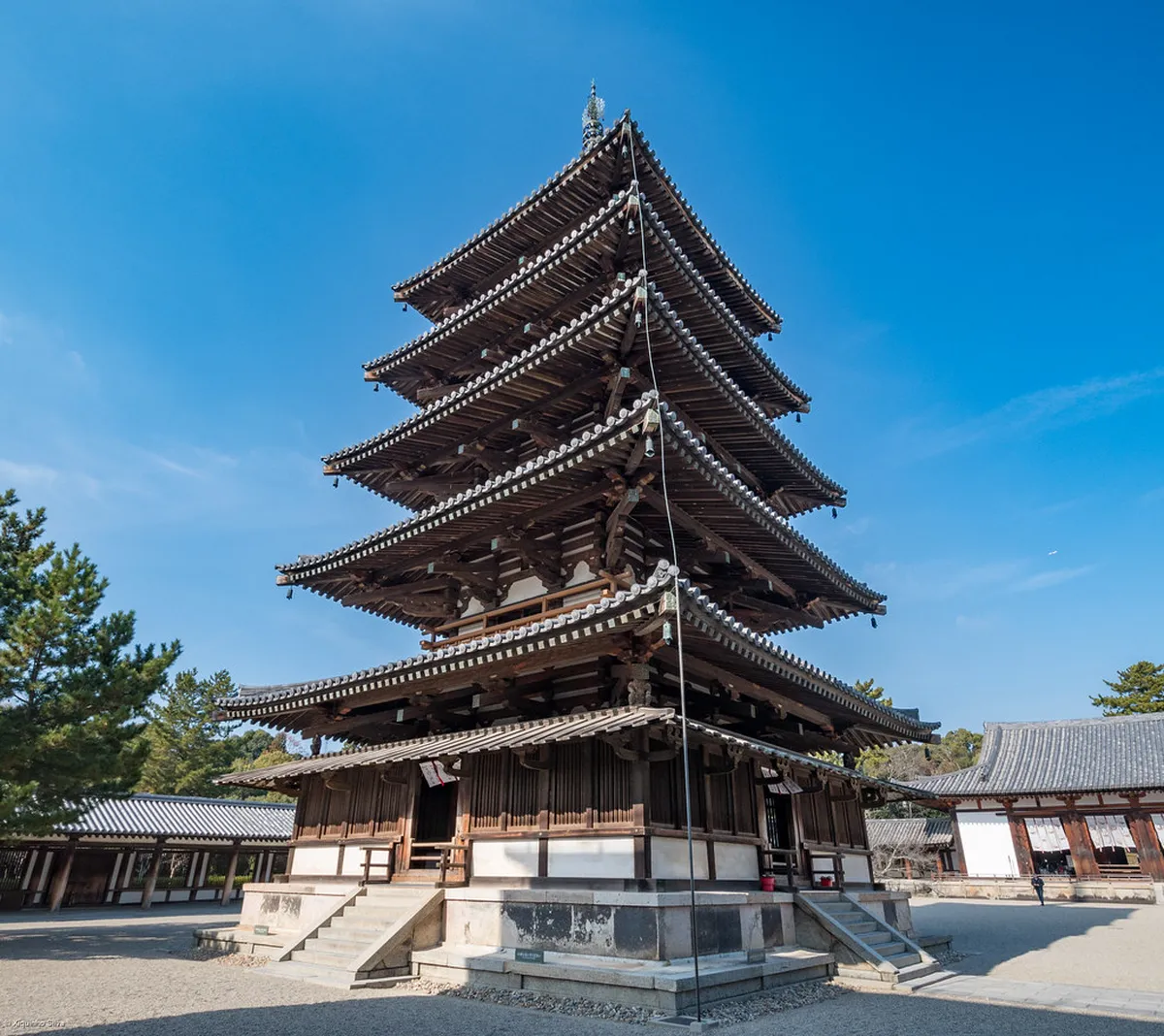
Table of Contents
Magical Guide to Exploring Horyuji Temple in the Winter Snow
Exploring Horyuji Temple in the winter snow is a breathtaking experience for every visitor in Nara. This ancient site looks stunning when fresh powder covers its historic wooden pagodas and quiet grounds. It remains one of the most iconic winter day trips from Nara for history lovers.
Horyuji Temple is home to the world's oldest surviving wooden structures located in Japan. These buildings gain a special peacefulness during the colder months of the year. The contrast of dark wood against white snow creates incredible memories for every traveler.
Visiting in 2026 allows you to see these treasures with fewer crowds than the peak seasons. You can take your time walking through the massive temple gates and serene courtyards. This guide provides all the details needed for a perfect winter journey to this sacred place.
Best Times for Exploring Horyuji Temple in the Winter Snow
You can find the latest updates on Lonely Planet Nara.
For the most up-to-date details, check Historic Monuments of Ancient Nara before you go.
Timing is very important when planning your visit to this historic temple during the winter season. The best chance for snow usually occurs during late January or early February in Nara. You should monitor local weather reports closely before starting your morning journey from the city.Try to arrive at the temple complex as soon as the gates open at 8:00 AM. Early arrival ensures you see the fresh snow before other visitors walk through it. The morning light also provides the best illumination for your holiday photographs of the pagoda.
Winter days in Nara are usually crisp and clear with bright blue skies above the temple. Even without heavy snow, the frosty atmosphere makes the ancient wood appear very silver and regal. Check the Nara winter weather and packing guide to stay warm during your visit.
The temple closes slightly earlier during the winter months compared to the warm summer season. Most areas stop accepting visitors around 4:30 PM from November through February each year. Plan to spend at least three hours exploring the entire complex to see everything properly.
How to Reach Horyuji from Nara City
Getting to the temple is simple and affordable for travelers staying near the main Nara stations. You can take the JR Yamatoji Line from JR Nara Station to Horyuji Station quickly. The train ride takes approximately twelve minutes and costs only 220 yen for a single trip.
Once you arrive at Horyuji Station, you have two main options to reach the temple entrance. You can walk for twenty minutes along a flat road lined with local shops and homes. Alternatively, a local bus leaves from the station and reaches the gates in five minutes.
The bus fare costs about 190 yen and is a good choice if the snow is heavy. Walking allows you to see local life in this quiet part of the prefecture more closely. Many small cafes along the path sell hot tea to keep you warm during the walk.
If you prefer a structured day, consider adding this stop to one-day Nara winter itinerary ideas for 2026. This helps you balance your time between the temple and other Nara city attractions. Efficient travel planning ensures you maximize your daylight hours during the shorter winter days.
Must-See Structures at the Temple Complex
The Five-Story Pagoda is the most famous building you will see while exploring Horyuji Temple in the winter snow. It stands over thirty-two meters tall and looks magnificent with snow resting on each curved roof. This structure has survived many centuries and remains a symbol of Japanese resilience and beauty.
Next to the pagoda stands the Kondo, which is also known as the Golden Hall. This building houses some of the oldest Buddhist statues in the entire country of Japan. The interior is dim and atmospheric, offering a quiet place for reflection away from the cold wind.
Walk further East to find the Yumedono, or the Hall of Visions, which features a unique octagonal shape. This area is often quieter and offers a very peaceful vibe during the snowy winter months. Take a moment to admire the intricate roof details that catch the falling snowflakes so perfectly.
Note: Most indoor areas require you to remove your shoes before entering the wooden halls. Wear thick socks to keep your feet warm while walking on the cold temple floors. This simple tip will make your winter exploration much more comfortable and enjoyable.
Practical Tips for Winter Visitors
🌟 Local Expert Tip: Get the most out of your Nara visit with guided tours!
Admission to the main temple complex costs 1,500 yen for adults during the 2026 season. This ticket includes access to the Western Precinct, Eastern Precinct, and the Gallery of Temple Treasures. Keep your ticket safe as you will need to show it at different entrance gates.
The Gallery of Temple Treasures is a great place to visit when you need a break from the snow. It is a modern building that is climate-controlled to protect the ancient artifacts inside. You can warm up while looking at beautiful statues and historical items from the Asuka period.
Public restrooms are available near the entrance and inside the treasure gallery for all visitors. You can also find vending machines that sell hot canned coffee or tea near the rest areas. These small comforts are very welcome when the temperature drops near the freezing point.
Photography is allowed in most outdoor areas but is strictly forbidden inside the sacred wooden buildings. Please respect these rules to help preserve the spiritual atmosphere of this active religious site. Use a tripod only if you have specific permission from the temple office beforehand.
Eating and Shopping Near Horyuji
After your tour, stop by the small restaurants located just outside the main temple gates. Many serve local specialties like Miwa Somen noodles which can be served in a hot broth. Try the persimmon-themed sweets as this fruit is a famous product of the Nara region.
Budget about 1,500 to 2,500 yen for a nice lunch at one of these local establishments. Most places accept cash, but some smaller shops might not take international credit cards yet. It is always wise to carry enough yen for food and small souvenirs during your trip.
Souvenir shops offer unique items like wooden charms and postcards featuring the temple in different seasons. You can find beautiful calendars for 2026 that showcase the temple covered in winter snow. These make excellent gifts for friends who appreciate Japanese history and traditional architecture.
This location is one of the best winter day trips from Nara because it offers culture and comfort. You can enjoy a full morning of history and then return to the city for evening festivities. The balance of ancient sites and modern amenities makes Nara a top destination.
Frequently Asked Questions
🌟 Local Expert Tip: Get the most out of your Nara visit with guided tours!
Does it snow often at Horyuji Temple in Nara?
Snow is not a daily occurrence in Nara but happens several times each winter. Heavy accumulation is most likely in January or February. Even a light dusting makes the temple look magical for visitors.
Is Horyuji Temple open on New Year's Day?
Yes, the temple remains open during the New Year period in 2026. Many locals visit at this time for traditional prayers. Expect slightly larger crowds during the first week of January.
What should I wear for a winter visit to Horyuji?
Wear warm layers including a windproof jacket and thermal underwear. Sturdy shoes are necessary as the stone paths can become slippery when wet. Do not forget thick socks for the indoor temple areas.
How much time should I spend at Horyuji?
Plan for at least two to three hours to see the main precincts. If you enjoy photography, you might want to stay longer. The vast grounds offer many different angles for beautiful shots.
Exploring Horyuji Temple in the winter snow is a highlight of any Nara vacation. The quiet beauty of the ancient wood against the white snow creates a lasting impression. Plan your journey for early 2026 to experience this UNESCO site at its most peaceful. Enjoy the spiritual atmosphere and the incredible history of this Japanese treasure.
Key Takeaways
💡 Pro Tip: Book your Nara adventures in advance through Viator for the best deals!
- Visit in late January for the best snow chances.
- Arrive at 8:00 AM to see fresh, untouched snow.
- Wear thick socks for the unheated indoor wooden floors.
- Budget 1,500 yen for the main temple admission fee.
Related reads: polarcityguide.com, nara winter travel guide 2026.