
How to Feed Nara Deer in Winter Safely
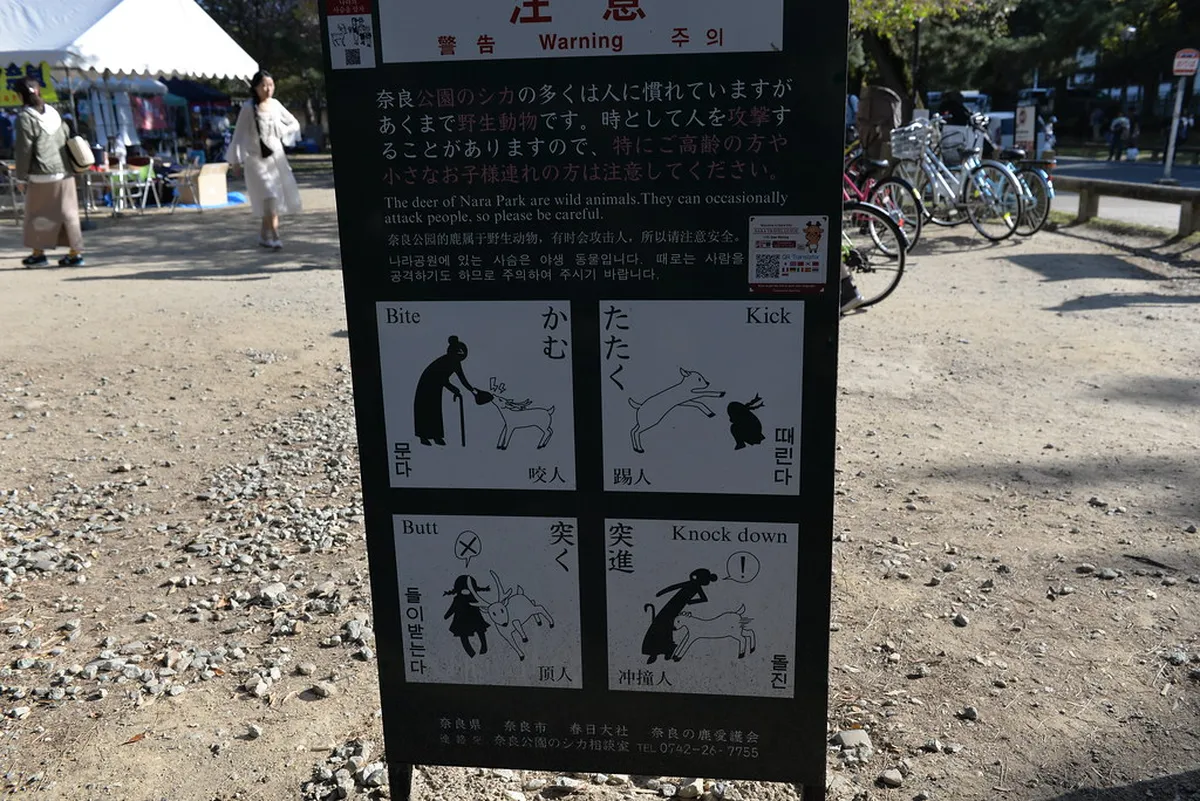
Table of Contents
Expert Tips on How to Feed Nara Deer in Winter for 2026
Visiting Nara Park during the colder months offers a truly magical experience for many travelers. You can learn how to feed Nara deer in winter effectively by following simple local rules. The park feels quiet and peaceful when the temperatures start to drop. These friendly animals remain active even when snow covers the ancient temple grounds.
Understanding their seasonal habits will make your 2026 trip much more rewarding and safe. Feeding them requires patience and a gentle approach in the chilly morning air. This guide covers everything you need to know for a successful interaction. Prepare for a memorable adventure in one of Japan's most famous historic cities.
Buying Shika Senbei: Crackers for Nara Deer
For practical details and last-minute changes, use Nara travel info.
For official information, visit Nara travel info.
You should only provide the deer with official Shika Senbei or special deer crackers. These are sold at small wooden stalls scattered throughout the central park area. Each pack usually costs about 200 yen during the current 2026 travel season. Sellers distribute these crackers from early morning until late in the afternoon.The crackers are made from wheat flour and rice bran without any added sugar. This specific recipe ensures the health and safety of the hundreds of wild deer. Avoid bringing your own snacks like bread, candy, or processed chips to the park. Human food can make the deer very sick or cause digestive issues.
Buying crackers also helps support the local Nara Deer Preservation Foundation directly. The proceeds go toward medical care and protection for the animals throughout the year. Look for the distinct blue stalls located near Todai-ji Temple or Kasuga Taisha Shrine. Many vendors will close early if the winter weather becomes particularly harsh or snowy.
Check out our detailed buying deer crackers guide for more information on vendor locations. Carrying small coins will make your purchase much faster for the local vendors. Keep your crackers hidden in a bag until you are ready to start feeding. Showing a stack of food often attracts a large crowd of excited deer instantly.
Store your crackers in a secure pocket or a zippered backpack while walking. The deer have a very keen sense of smell and can detect food easily. They may nudge your pockets if they think you are hiding a tasty treat. Being organized helps you control the feeding experience and keeps you calm.
Master the Bowing Technique for Safe Feeding
Approach the deer slowly and hold a single cracker out with your open palm. Most deer will bow their heads to show respect before they take the food. You can encourage this behavior by bowing your head slightly toward them first. This mutual sign of respect is a unique part of the Nara travel experience.
Do not tease the deer by holding the crackers out of their reach. This can lead to frustration and may cause the deer to nip or nudge. Move calmly and avoid making sudden loud noises that might startle the younger fawns. If you run out of food, show your empty hands to the deer clearly.
Hold your palms open and flat to signal that the feeding session has ended. Most deer understand this gesture and will move on to find another visitor quickly. It is important to stay patient if several deer approach you at the same time. Maintain a firm but gentle stance while you distribute the crackers to the group.
For more specific safety advice, see our safety tips for Nara deer during the winter season. These rules help protect both the wild animals and the many tourists visiting the park. Children should always be supervised closely when they are feeding the larger male deer. The deer are generally gentle but can become pushy when they smell fresh crackers.
Avoid cornering the deer against fences or temple walls while you are feeding them. They need space to move away if they feel crowded by too many people. Giving them an exit route ensures that the interaction remains peaceful for everyone involved. Respecting their personal space is the key to a happy and safe visit.
Top Locations to Find Deer in the Snow
The deer tend to congregate in specific areas where the sun hits the grass. You will find large groups near the southern gate of the famous Todai-ji Temple. They also gather around the open fields near the Nara National Museum during the day. These spots offer plenty of space for visitors to interact with the herds safely.
On very cold days, many deer seek shelter under the thick evergreen trees. You might find them resting near the lantern-lined paths leading to Kasuga Taisha Shrine. These wooded areas provide a natural windbreak against the biting winter breeze from the mountains. It is a great place for quiet interactions away from the main crowds.
If you visit during a snowstorm, the scene becomes incredibly photogenic and serene. The white snow creates a beautiful contrast against the brown fur of the winter deer. You can read our tips on seeing Nara deer in winter to plan your route. Many deer will move toward the edge of the park near the town shops.
The Ukigumo Park area is another fantastic spot for finding deer during the winter season. This wide open space allows the deer to gather in large sunlight-filled patches. You can often see them huddling together to share warmth on frosty January mornings. This behavior is beautiful to witness and makes for excellent photography opportunities.
Smaller groups of deer can be found near the peaceful waters of Sarusawa-ike Pond. This location is closer to the city center and usually has fewer tourist crowds. It is a perfect spot for those who prefer a more intimate feeding experience. The surrounding traditional buildings provide a classic Japanese backdrop for your winter photos.
Seasonal Deer Behavior and Winter Habits
💡 Pro Tip: Book your Nara adventures in advance through Viator for the best deals!
Deer in Nara develop thick, dark winter coats to stay warm during the cold months. Their behavior changes slightly as they focus on conserving energy throughout the shorter days. You might notice they move a bit more slowly compared to the energetic summer. They are still very eager to find food from visitors during this time.
The male deer will have lost their antlers by the time mid-winter arrives in Nara. This is a natural process that happens every year to prepare for new growth. You might see some males with small bumps where their antlers used to be. They remain the leaders of the herds and are often the first to feed.
Mornings are usually the best time to find deer that are hungry and active. They tend to settle down in protected areas as the sun begins to set. Evening feeding is less common because the park becomes dark and quite cold very quickly. Plan your visit for the middle of the day to enjoy the warmth.
The deer are wild animals and their moods can change based on the weather. On very windy days, they may appear a bit more restless or easily startled. Watch their ear positions to understand how they are feeling during your interaction. Relaxed ears usually mean the deer is calm and happy to be fed.
Essential Winter Packing Tips for Nara Park
Dressing in warm layers is vital for a comfortable day of feeding deer in Nara. Wear a heavy coat, gloves, and a scarf to protect against the winter chill. You will be spending several hours outdoors walking through the expansive park grounds. Good quality boots are necessary if there is snow or ice on the paths.
Consider bringing hand warmers, known as kairo, which are easily available at Japanese convenience stores. These small heat packs will keep your fingers nimble while you handle the deer crackers. It is hard to feed the deer if your hands are too cold to move. Staying warm allows you to focus on enjoying the animals and the scenery.
Pack a small bottle of hand sanitizer to use after your feeding session is over. While the deer are clean, it is good hygiene to wash your hands before eating. You can find public restrooms with warm water near the main temple entrances. This small step keeps you healthy during your winter travels through Japan.
Bring a small plastic bag to carry any trash or used cracker wrappers with you. There are very few trash cans inside the park to prevent deer from eating litter. Keeping the park clean helps protect the precious natural environment for the wildlife. Always double-check that you haven't dropped any paper while reaching for your camera.
Frequently Asked Questions
Are the Nara deer hungry during the winter months?
Yes, the deer are very active and look for food frequently in the winter. Their natural food sources like grass are less abundant during the cold season. They rely more on deer crackers provided by visitors to supplement their winter diet. Morning visits are best for finding the most motivated and hungry deer.
Can I feed the deer anything other than special crackers?
No, you should never feed the deer human food like bread or snacks. Only use the official Shika Senbei sold by vendors within the park grounds. These are formulated to be safe and healthy for the deer's sensitive digestive systems. Giving them the wrong food can lead to serious health problems or death.
Is it safe to visit Nara Park when it is snowing?
Visiting in the snow is safe if you wear appropriate footwear for slippery paths. The deer are well-adapted to the snow and remain visible throughout the park area. Some vendors might close their stalls if the snowfall becomes too heavy or dangerous. Check local weather reports before heading out for your day trip to Nara.
What should I do if a deer becomes too aggressive?
If a deer becomes pushy, remain calm and slowly walk away from the animal. Hold your empty hands up to show that you no longer have any food. Avoid running, as this might encourage the deer to chase after you playfully. Usually, they will stop following once they realize the crackers are all gone.
Feeding the Nara deer in the winter is a highlight for any 2026 Japan itinerary. By following these simple tips, you ensure a safe and respectful encounter with nature. Remember to buy official crackers and keep your movements slow and steady. Enjoy the quiet beauty of the snow-covered park and the friendly local deer. For more seasonal advice, visit our main Japan travel homepage today.
Key Takeaways
- Only use official Shika Senbei crackers for feeding the wild deer.
- Use the bowing technique to interact respectfully with the animals.
- Wear warm layers and sturdy boots for a comfortable winter visit.
- Show empty hands to signal the end of a feeding session clearly.
Related reads: nara winter travel guide 2026, where to find nara deer during snow.