
Kasuga Taisha Setsubun Mantoro Lantern Festival Guide
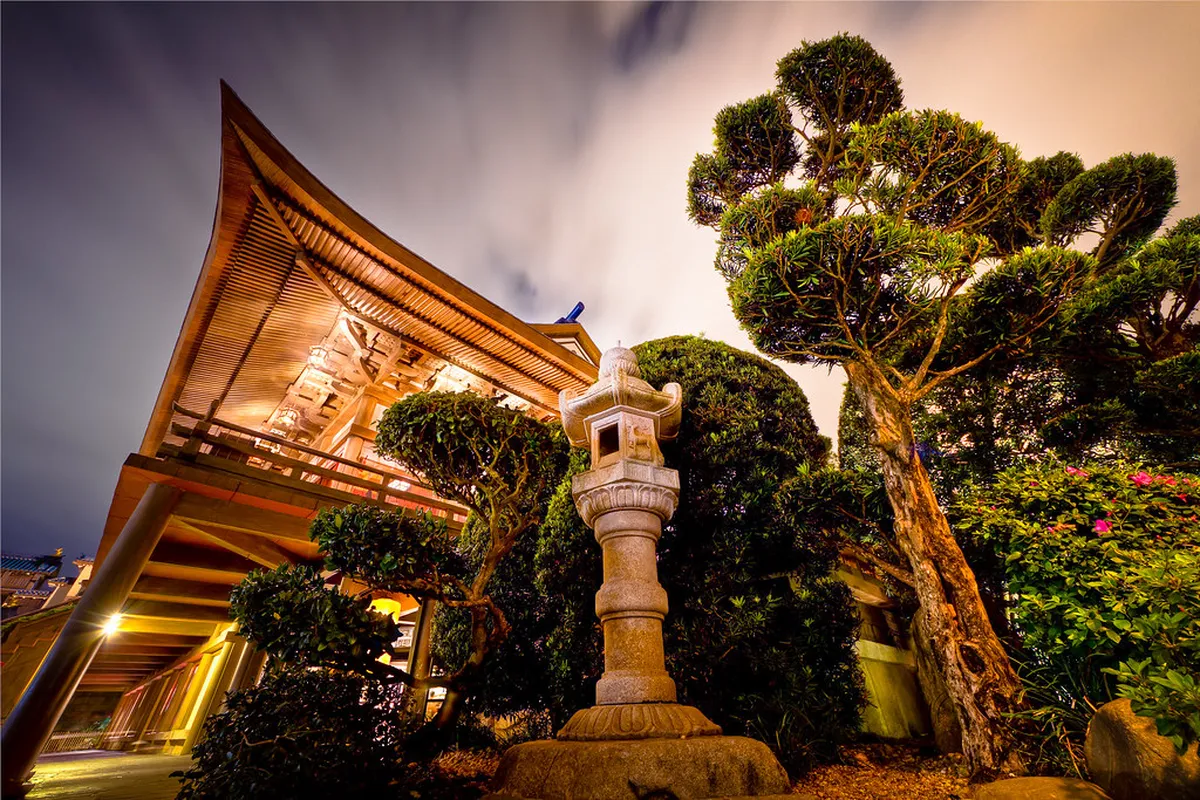
Table of Contents
Experience the Kasuga Taisha Setsubun Mantoro Lantern Festival
The Kasuga Taisha Setsubun Mantoro lantern festival is a magical winter tradition in Nara. Every year, thousands of lanterns glow against the dark ancient forest. This event marks the end of winter in the Japanese lunar calendar. Visitors gather to see the shrine transformed into a shimmering wonderland.
Walking through the stone lantern paths feels like stepping back in time. The soft candlelight creates a peaceful atmosphere for everyone. You can enjoy this spiritual event during the 2026 winter season. It is a highlight of all Nara winter festivals and events each year.
What Happens During Setsubun Mantoro
For practical details and last-minute changes, use Nara travel info.
To plan your trip, review Nara travel info.
Kasuga Taisha Shrine is famous for its three thousand unique lanterns. Two thousand stone lanterns line the paths leading to the main gates. Another one thousand bronze lanterns hang inside the shrine corridors. During this festival, monks light every single candle by hand.This ceremony has occurred for over eight hundred years in Nara. Local citizens and samurai donated these lanterns as special offerings. They represent prayers for health, peace, and safety for all people. The flickering lights illuminate the thick forest surrounding the holy grounds.
The event typically begins in the early evening hours. Visitors can watch the lighting process start around 6:00 PM. It is a slow and beautiful ritual to observe. The ritual ends at 8:30 PM when the flames finally go out.
You will hear the gentle sound of chanting during the night. The priests perform traditional rites inside the inner sanctuary area. Most visitors find the silence of the forest very moving. It is a rare chance to see Nara in a spiritual light.
Planning Your Visit for February 2026
The next Setsubun Mantoro festival will take place on February 3, 2026. This date is fixed every year for the Setsubun holiday. You should arrive at Nara Park by 5:00 PM to find parking. The walk to the shrine takes about twenty minutes from the park.
Late winter weather in Nara is usually very cold and crisp. Temperatures often drop toward freezing once the sun goes down fully. You must prioritize packing for Nara winter weather to stay comfortable. Wear thick socks because you might need to remove your shoes.
Admission to the general shrine grounds is free for all guests. However, entering the inner special viewing area requires a small fee. This cost is usually 500 Yen, which is about 3.50 USD. The inner corridor offers the best views of the hanging bronze lanterns.
Check the official shrine website for any last-minute schedule changes. Large crowds often gather near the main entrance gates by sunset. Try to visit on a weekday if your schedule allows it. Weekends tend to be much busier with local domestic tourists.
Navigating the Shrine and Lantern Paths
The approach to the shrine is known as the Mantoro Path. Thousands of moss-covered stone lanterns stand along this gravel walkway. Most of these lanterns remain dark throughout the rest of the year. On this night, they guide your way through the dark forest.
Be careful while walking on the uneven stone and gravel paths. The forest is very dark away from the main candle flames. Using a small flashlight or phone light can help you stay safe. Follow the flow of the crowd to reach the main gate.
The bronze hanging lanterns are found in the inner shrine corridors. They feature beautiful patterns of deer, flowers, and ancient Japanese scripts. Some lanterns are gold, while others have a dark green patina. Photographers love this section for its symmetry and repeating patterns.
Please remember that Kasuga Taisha is a very sacred religious site. Keep your voice low while exploring the different shrine sections. Do not touch the lanterns or the ancient stone structures. Respect the boundaries set by the shrine staff and local volunteers.
Photography Tips for the Night Festival
🌟 Local Expert Tip: Get the most out of your Nara visit with guided tours!
Taking photos in low light presents a challenge for many travelers. Flash photography is generally discouraged because it ruins the natural ambiance. Use a camera with a high ISO setting for better results. This helps capture the warm glow without needing extra bright light.
Tripods are often restricted in crowded areas for safety reasons. You should be prepared to take handheld photos during the walk. Lean against a tree or a solid post for extra stability. This technique helps prevent blurry images during long exposure shots.
Focus on the details of the individual bronze lantern carvings. The contrast between the dark metal and orange flame is striking. Try to include some of the forest depth in your background. This shows the massive scale of the ancient shrine woods.
Arrive before total darkness to capture some blue hour light. The sky looks deep blue against the glowing orange candles then. This lighting creates much more professional looking travel photos. Be sure to bring extra batteries for your digital camera.
Practical Travel Logistics for Nara Events
Nara is easily accessible from nearby cities like Kyoto and Osaka. Take the Kintetsu Nara Line for the fastest travel times. The Kintetsu Nara Station is closer to the shrine than JR Nara. A taxi ride from the station costs about 1,200 Yen.
You can also walk from the station through Nara Park. You will likely see Nara deer in winter along the way. These deer are very friendly but watch for your snacks. They often congregate near the lantern paths during the festival.
Most restaurants in the area close shortly after the festival ends. Plan to eat an early dinner before you head uphill. There are many small cafes near the Kintetsu Nara station area. Warm up with a bowl of hot udon or ramen.
Public transport remains frequent throughout the evening for your return. Buses run between the shrine entrance and the main train stations. Be prepared for short wait times due to the large crowds. Buying a rechargeable travel card will save you precious time.
Frequently Asked Questions
What is the best time to see the lanterns lit?
The lanterns are fully lit by 6:30 PM each night. This is the best time to see the full effect. The glow is strongest when the sky is completely dark. Arrive early to secure a good spot for viewing.
Are there food stalls at the lantern festival?
You might find a few small stalls near the entrance. However, large food markets are not common at this event. It is better to eat in downtown Nara before visiting. Bring a warm drink in a thermos for the walk.
Can I participate in the lantern lighting ceremony?
Only the shrine priests and official volunteers light the candles. Visitors are invited to observe the process with respect. You can offer a donation at the main shrine office. Some donations allow you to have a name on a lantern.
Is the festival suitable for young children?
Children often enjoy the magical atmosphere of the glowing lights. However, the paths are very dark and can be crowded. Keep a close eye on your kids at all times. Bring a stroller that can handle gravel if necessary.
The Kasuga Taisha Setsubun Mantoro lantern festival is a must-see event. It provides a rare look at Japan's deep spiritual history. Plan your 2026 trip now to experience this Nara winter highlight. You will never forget the sight of three thousand candles glowing. Safe travels on your upcoming winter adventure in Japan!
Key Takeaways
🌟 Local Expert Tip: Get the most out of your Nara visit with guided tours!
- Arrive by 5:00 PM on February 3rd to beat the largest crowds.
- Dress in multiple warm layers and bring heat pads (kairo).
- Bring 500 Yen in cash for the inner shrine entrance fee.
Related reads: polarcityguide.com, nara winter travel guide 2026.