
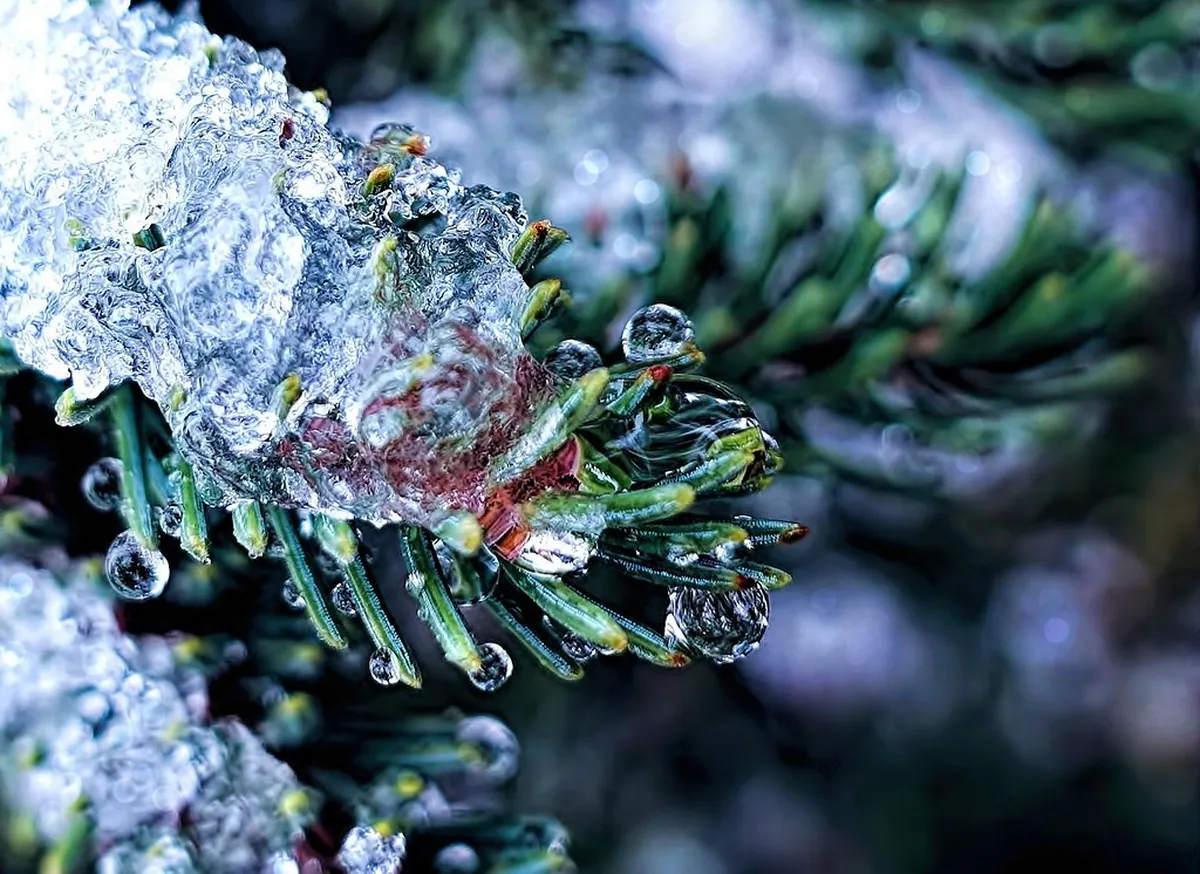
Master Photography Tips for Frozen Kegon Falls in Nikko
Nikko transforms into a white wonderland during the cold winter months. Visiting this region in 2026 offers spectacular views of massive ice pillars. You need specific photography tips for frozen Kegon Falls in Nikko to succeed. This guide helps you capture professional shots of Japan's most famous waterfall.
Essential Gear for Winter Waterfall Photography
You can find the latest updates on Nikkō travel info.
For current hours, prices, and announcements, start with Nikkō travel info.
Winter in Nikko is very cold and demanding for electronics. You must bring extra batteries for your camera today. Cold weather drains battery power much faster than normal temperatures. Keep your spare batteries inside your jacket to stay warm.A sturdy tripod is vital for sharp images of frozen water. Wind can be strong near the base of the falls. Heavy tripods provide the stability needed for long exposure shots. Make sure your tripod feet have rubber grips for ice.
A wide-angle lens works best for capturing the entire scene. Use a lens hood to block falling snow or mist. Keep your gear in a sealed bag when moving indoors. This prevents condensation from forming on your delicate internal sensors.
Photography tips for frozen Kegon Falls in Nikko
Lighting changes throughout the short winter days in Japan. Morning light offers a soft glow on the blue ice. Aim for the first elevator ride at 9:00 AM sharp. Review the elevator operating hours before you plan your morning trip.
Midday sun can create harsh shadows on the bright snow. Overcast days are actually great for ice photography in 2026. Clouds act as a giant softbox for your waterfall shots. They bring out the deep blue tones in the ice.
Sunset provides a warm contrast to the cold landscape colors. Position yourself early to secure a good tripod spot. The falls become very crowded during the late afternoon hours. Patience is key for getting a clean shot without tourists.
Mastering Composition and Snow Exposure
Snow can easily trick your camera’s internal light meter. Set your exposure compensation to +1 or even +2. This keeps the snow looking bright and pure white. Gray snow is a very common mistake for winter beginners.
Look for leading lines within the jagged rock walls. Use the surrounding snow to frame the central waterfall. Vertical shots capture the massive scale of the frozen pillars. Include nearby trees to provide a sense of perspective.
Try shooting from various heights on the viewing platforms. Each level offers a unique angle of the falling water. Check the viewing platforms for the best possible vantage points. Capture the intricate icicles clinging to the dark cliffs.
Maintaining Camera Safety in Freezing Spray
🎯 Insider Tip: Discover the best Tokyo experiences with Viator Tours!
Wear several layers of warm and waterproof clothing for comfort. Hand warmers are essential for keeping your fingers nimble. Use gloves that allow you to operate small camera buttons. Proper footwear prevents dangerous slips on the icy viewing paths.
Check the safety tips for walking in deep mountain snow. Be careful near the freezing spray of the falls. Mist can freeze instantly on your expensive camera lens. Wipe it gently with a dry microfiber cloth often.
Protect your camera body with a waterproof silicon cover. Snowflakes can melt and seep into your camera seals. Always dry your equipment thoroughly after your shoot ends. Store your gear in a cool room to adjust slowly.
Frequently Asked Questions
⭐ Recommendation: Don't miss out on amazing Tokyo tours - book now!
When is the best month for photography tips for frozen Kegon Falls in Nikko?
Late January and February are the best months for ice. The falls rarely freeze completely but develop massive ice structures. Visit during a cold snap for the most dramatic ice formations in 2026.
Are tripods allowed on the Kegon Falls viewing platforms?
Yes, tripods are currently allowed on the public viewing decks. However, you must be respectful of other tourists in small spaces. Avoid blocking the main walkways during the busy midday period.
What camera settings should I use for frozen water?
Use a fast shutter speed to freeze the water droplets. Try a shutter speed of 1/500 or higher for detail. Alternatively, use a slow shutter for a silky ice effect.
Capturing the frozen beauty of Nikko requires preparation and skill. Follow these photography tips for frozen Kegon Falls in Nikko for success. Stay warm and protect your gear while exploring this winter. Enjoy the magical scenery of Japan's mountains during your 2026 trip.