
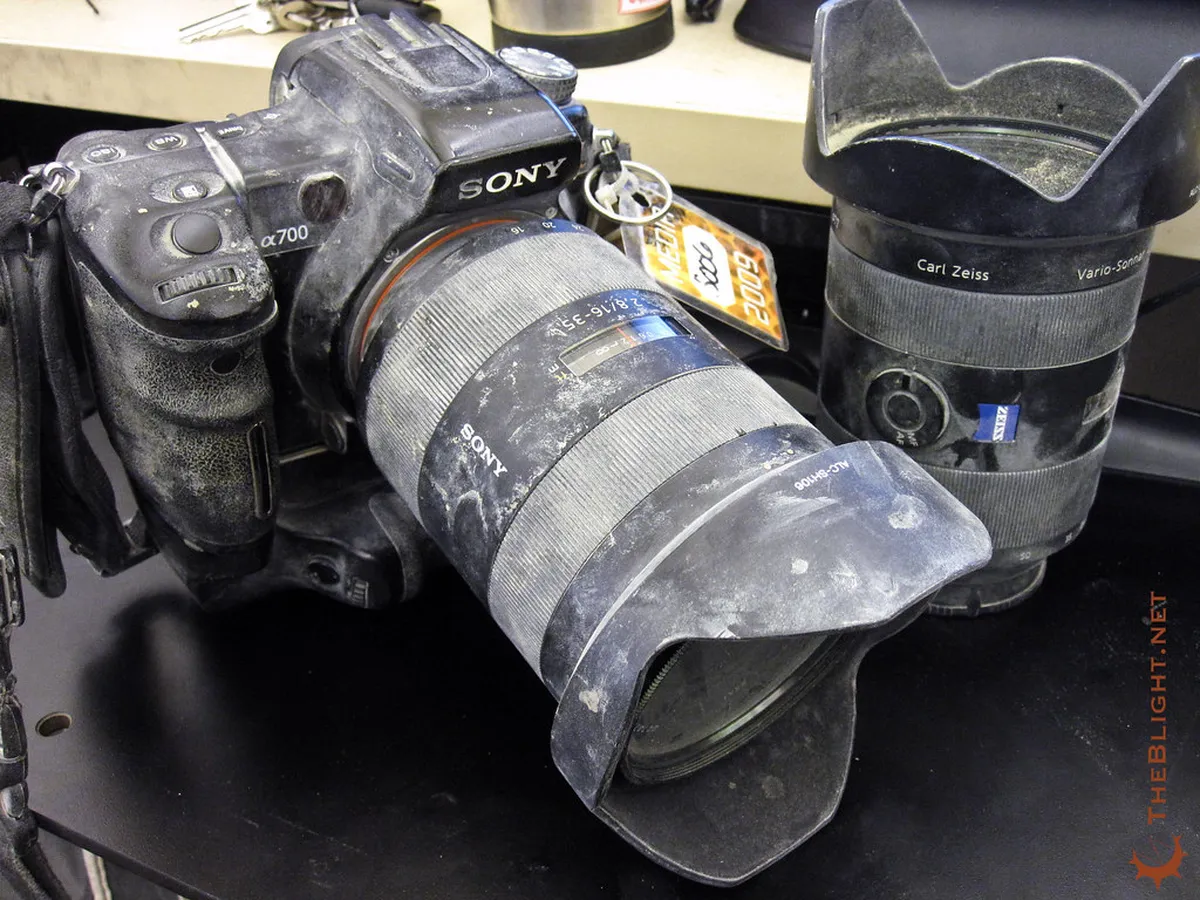
Protecting Camera Gear in Niseko Winter Snow Conditions
Protecting camera gear in Niseko winter snow conditions requires careful planning for your 2026 photography adventure. Niseko receives incredible amounts of light powder snow throughout the winter months. You must prepare your equipment for constant moisture and freezing temperatures. Start by checking your Niseko winter weather packing list for essential protection items.
Essential Gear for Niseko Winter Snow Protection
For official information, visit Niseko travel info.
For practical details and last-minute changes, use Niseko travel info.
A high-quality waterproof cover is your first line of defense against heavy snowfall. These covers allow you to operate controls while keeping the body dry. Look for models designed specifically for your camera size. This ensures a snug fit and better protection during storms.Microfiber cloths are vital for maintaining clear shots in the Japanese mountains. Snowflakes often land on your lens and melt quickly into water droplets. Keep several dry cloths in an easy-to-reach pocket. Wipe your front element frequently to avoid blurry or spotted images.
A sturdy dry bag provides extra security when moving through deep powder. Place your camera inside the dry bag before putting it in your backpack. This prevents melted snow from seeping into your gear during long treks. It also offers a layer of padding against accidental falls.
Lens hoods serve a dual purpose in Niseko's unique winter environment. They help block falling snow from hitting the glass surface directly. Hoods also prevent side glare from the bright white snowy landscapes. Always keep your hood attached when shooting in active snowfall.
Protecting Camera Gear in Niseko Winter Snow Conditions
Condensation is the greatest silent threat to electronics in Niseko's cold climate. Moving from the frozen outdoors to a warm cafe creates internal moisture. This moisture can damage sensitive circuits or cause foggy lens elements. Always place your camera in a sealed plastic bag before entering buildings.
Allow your gear to reach room temperature slowly while remaining inside the bag. This process usually takes about thirty to sixty minutes for full stabilization. Once the bag feels warm, you can safely remove your camera. This simple step is crucial for long-term gear health in Japan.
Never change your lenses while standing in an active snowstorm or wind. Snowflakes can easily enter the camera body and land on the sensor. If you must switch lenses, find a sheltered area or use your jacket. Consult a Niseko winter travel guide 2026 for indoor locations.
Consider using weather-sealed cameras and lenses for the best results in Niseko. These professional tools feature gaskets that block dust and light moisture. However, even sealed gear needs extra care in Niseko's extreme conditions. Treat your equipment as if it were not waterproof for maximum safety.
Battery Management in Extreme Cold Temperatures
Freezing temperatures cause lithium-ion batteries to lose their charge very quickly. You might see your battery life drop from fifty percent to zero instantly. Always carry at least three spare batteries for a full day of shooting. Keep these spares in a warm pocket close to your body heat.
Rotate your batteries throughout the day to keep them functioning at peak levels. When one battery dies, swap it for a warm one from your pocket. Place the cold battery inside your jacket to revive its remaining power. This method extends your total shooting time significantly in the cold.
You can use small chemical heaters to keep your battery compartment warm. Simply tape a small heater to the outside of the camera body. You can find these items when buying hand warmers in Niseko at local convenience stores. Ensure the heater does not block any vital ports or buttons.
Turn off power-hungry features like the rear LCD screen to save energy. Use the viewfinder for framing your shots whenever it is possible. Avoid reviewing every photo you take while standing out in the cold. Keep the camera turned off between shots to preserve every bit of power.
Field Tips for Shooting in Deep Powder
💡 Pro Tip: Book your Tokyo adventures in advance through Viator for the best deals!
Use a sturdy tripod with spiked feet for stability on icy surfaces. Deep snow can be unstable and cause your camera to tilt or fall. Clear a small area of snow before setting up your tripod legs. This ensures a solid base for long exposure shots of the landscape.
Wear thin glove liners under your heavy mittens for better manual control. This allows you to adjust settings without exposing your bare skin. Frostbite can happen quickly when touching cold metal camera bodies. Choose liners with touchscreen compatibility for easier menu navigation during your trip.
Be mindful of your breath when looking through the electronic viewfinder. Warm breath can instantly freeze onto the glass or the rear screen. Hold your breath or exhale away from the camera when composing shots. This keeps your view clear and prevents ice buildup on the hardware.
Brush off all loose snow before putting your gear back in the bag. Use a soft brush or a blower to reach small crevices. Pay close attention to the lens mount and the battery door area. Removing snow early prevents it from melting and causing moisture issues later.
Frequently Asked Questions
Will snow damage my camera if it is not weather-sealed?
Yes, melting snow can seep into non-sealed cameras and cause permanent damage. Always use a waterproof rain cover or a plastic bag for protection. Wipe away any moisture immediately with a microfiber cloth to prevent it from entering the body or lens.
How do I prevent lens fogging in Niseko?
Prevent lens fogging by keeping your camera in a sealed bag during temperature changes. Let the gear warm up slowly when moving from the cold outdoors to heated interiors. This prevents condensation from forming on the internal glass elements of your lenses.
Is it safe to fly with camera gear to Japan?
It is generally safe to fly with camera gear in your carry-on luggage. Never pack expensive cameras or lithium batteries in checked bags due to safety risks. Use a padded camera bag to protect your equipment from bumps during the flight to Sapporo.
What is the best way to clean snow off a lens?
Use a rocket blower to remove loose snow before touching the glass. Gently wipe away any remaining water with a clean microfiber cloth. Avoid using your shirt or rough tissues, as these can scratch the delicate lens coatings or leave lint.
Properly protecting camera gear in Niseko winter snow conditions ensures you capture amazing memories. Focus on managing moisture, temperature, and battery life for the best results. Follow these tips to keep your equipment safe during your 2026 Japan winter trip. Enjoy the beautiful powder and stay warm while shooting in the snow.