
Mount Koya Winter Day Trip from Osaka: 2026 Guide
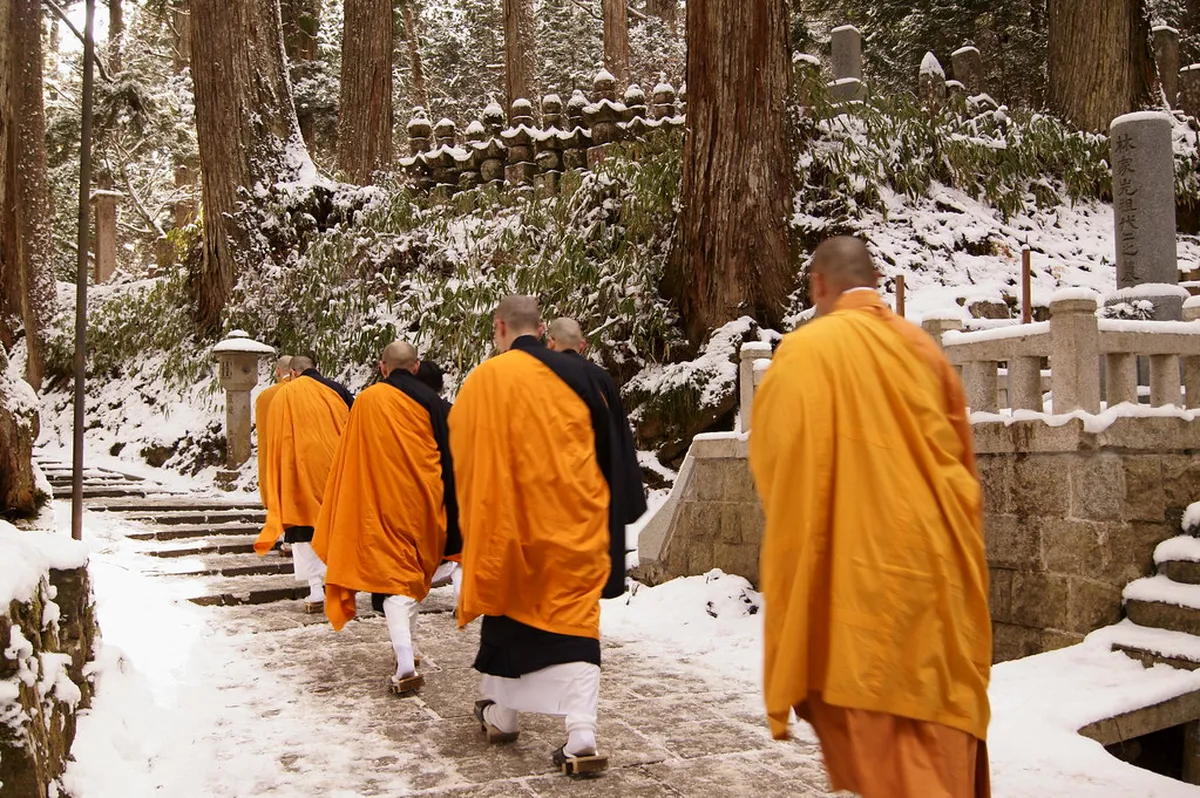
Table of Contents
Best Mount Koya Winter Day Trip from Osaka Itinerary
A Mount Koya winter day trip from Osaka offers a serene escape into a snowy spiritual world. This sacred mountain village sits high above the bustling city streets of Osaka in Wakayama. You will discover ancient temples and towering cedar trees covered in soft white snow during 2026. This guide provides a detailed itinerary for your perfect winter journey to this holy site.
Practical Logistics for Mount Koya Winter Day Trip from Osaka
For current hours, prices, and announcements, start with Osaka travel info.
To plan your trip, review Osaka travel info.
Your morning begins at Namba Station in central Osaka to catch the Nankai Koya Line. Purchase the Koyasan World Heritage Pass to save money on your trains and bus fares. The Limited Express Koya train provides the fastest way to reach Gokurakubashi Station in comfort. This scenic train ride takes about eighty minutes while passing through beautiful mountain forest landscapes.Arriving at Gokurakubashi Station marks the start of your steep ascent up the snowy mountain. You must board the iconic cable car for a five-minute ride to the top station. The views of the surrounding forest become increasingly magical as you gain altitude this winter. Frequent buses wait at the top station to transport you into the mountain village center.
Winter travelers should check the train schedules early to maximize their limited daylight hours. The first limited express usually leaves around 9:00 AM for an ideal arrival at Koya. Remember to bring your physical pass to show the station staff at every ticket gate. These practical logistics ensure a smooth start to your Mount Koya winter day trip from Osaka.
Exploring the Mystical Okunoin Cemetery in Snow
Okunoin serves as the spiritual heart of Mount Koya and remains a must-visit destination during winter. This massive cemetery features over 200,000 stone monuments tucked beneath ancient cedar trees over centuries old. The path stretches for two kilometers and looks incredible when a fresh layer of snow covers the ground. You will feel a deep sense of peace while walking through this silent and sacred landscape.
The Torodo Hall of Lanterns sits at the end of the path with thousands of glowing lights. These lanterns have burned continuously for hundreds of years to honor the eternal meditation of Kobo Daishi. Seeing these golden lights against the cold winter air creates a memory you will cherish forever. Please maintain a respectful silence as you approach this holy site out of respect for the monks.
Winter photography here requires extra care to protect your camera equipment from the cold and moisture. The tall trees create dramatic shadows that look stunning in your holiday photos taken this year. Wear sturdy boots with good grip because the stone paths often become slippery when covered in ice. Exploring Okunoin is a highlight of any winter day trips from Osaka for nature lovers.
Visiting Danjo Garan and Kongobu-ji Temples
The Danjo Garan complex serves as the central training center for Shingon Buddhism on the mountain. Its bright orange Konpon Daito Pagoda stands out beautifully against the white snow and grey winter skies. This area contains several important structures that represent the fundamental teachings of the Buddhist faith. You can spend an hour wandering between these historic buildings to appreciate their unique architectural designs.
Kongobu-ji serves as the head temple of the entire mountain and features the largest rock garden. The Banryutei Rock Garden looks particularly striking when the stone dragons appear to float on white snow. Visitors can enjoy a cup of warm tea and a traditional sweet inside the temple building itself. This provides a welcome break from the cold while you admire the intricate screen paintings.
Make sure to remove your shoes and follow the designated path through the temple's quiet interior corridors. The wooden floors are cold so wearing thick socks will help you stay comfortable during your visit. Many visitors find that these temples offer a deeper spiritual connection during the quiet winter off-season. Consult the Osaka winter travel guide 2026 for more cultural tips and local etiquette.
Culinary Delights and Warm Temple Treats
⭐ Recommendation: Don't miss out on amazing Osaka tours - book now!
Sampling the local Buddhist cuisine provides a unique cultural experience during your winter day trip. Shojin ryori focuses on seasonal vegetables and soy products prepared with great care and precision. Many local restaurants offer set lunches that include specialty items like creamy sesame tofu cakes. These warm and healthy meals provide the energy needed to explore the cold mountain trails.
Look for small shops selling roasted chestnuts or hot manju buns along the main street. These portable snacks offer a quick way to warm your hands and satisfy your hunger. You can find traditional tea houses that serve matcha and seasonal sweets in a peaceful setting. Sitting on a heated tatami mat allows you to rest while admiring the snowy garden views.
Be aware that some restaurants may have limited hours during the colder winter months of the year. It is best to plan your lunch break between 12:00 PM and 1:30 PM for more options. Warm soba noodles with seasonal mushrooms are another popular choice for travelers visiting the mountain village. These dining experiences add a delicious layer of warmth to your sacred mountain journey in Japan.
Essential Clothing Tips for Your Winter Visit
Temperature levels on Mount Koya remain significantly colder than the coastal areas of Osaka or Kyoto. You must wear multiple layers of thermal clothing to stay warm while walking outdoors for several hours. High-quality winter gloves, a thick hat, and a warm scarf are necessary items for your day trip. Proper footwear is the most important part of your what to pack for Osaka winter list.
Daylight hours are shorter in winter so aim to finish your sightseeing by 4:00 PM each day. Most temples close their doors to the public around this time as the sun begins to set. The bus service becomes less frequent in the late afternoon so check the schedules at the stops. Planning your return trip early ensures you avoid waiting in the freezing cold at the cable car station.
Keep a small pack of heat pads or kairo in your pockets to keep your hands warm. These are easily available at any convenience store in Osaka before you start your mountain journey. Staying warm will allow you to focus on the beauty of the temples rather than the cold weather. Following these simple clothing tips will ensure your comfort throughout the entire day trip experience.
Frequently Asked Questions
Is Mount Koya worth visiting during the winter season?
Mount Koya is absolutely beautiful during the winter when snow covers the temples and stone monuments. The atmosphere becomes incredibly peaceful and quiet because there are fewer tourists on the mountain trails. You will experience a unique spiritual feeling while walking through the misty and snow-covered cedar forests. This season offers the best opportunity for stunning photography and quiet reflection in a sacred space.
How long does the train journey from Osaka take?
The journey from Namba Station to Mount Koya takes approximately two hours including the cable car ride. Using the Limited Express Koya train is the fastest way to travel between these two popular locations. You should plan for a full day of travel to see the main sights without feeling rushed. Most travelers depart Osaka at 9:00 AM and return back to the city by 7:00 PM.
Do I need special snow boots for walking in Koya?
You should wear waterproof boots with excellent grip to safely navigate the snowy and icy mountain paths. The stone walkways in Okunoin cemetery can become quite slippery after a fresh snowfall or overnight frost. Regular sneakers may get wet and cold very quickly which will make your day trip quite uncomfortable. Sturdy walking shoes with thick wool socks will keep your feet warm and dry during your exploration.
Does the Koyasan World Heritage Pass cover winter buses?
The Koyasan World Heritage Pass includes unlimited bus travel within the mountain village throughout the entire year. This pass covers the train ride from Osaka and the cable car up to the top station. Using the buses is highly recommended during winter to save time and energy in the cold weather. You can show your pass to the bus driver when you exit at your chosen temple destination.
A Mount Koya winter day trip from Osaka is a truly magical experience for any traveler in Japan. You will find peace among the ancient cedars and beautiful temples covered in fresh white snow. Plan your journey carefully with the right clothing and transport passes to ensure a perfect 2026 adventure. Return to the bright lights of Osaka with memories of a silent and sacred mountain world.
Key Takeaways
- Buy the Koyasan World Heritage Pass to save on transportation and entry fees.
- Wear warm layers and waterproof boots for walking through the deep mountain snow.
- Arrive at Namba Station early to catch the first Limited Express Koya train.
Related reads: polarcityguide.com, how to get to biwako valley from osaka.