
Traditional New Year Food to Try in Osaka
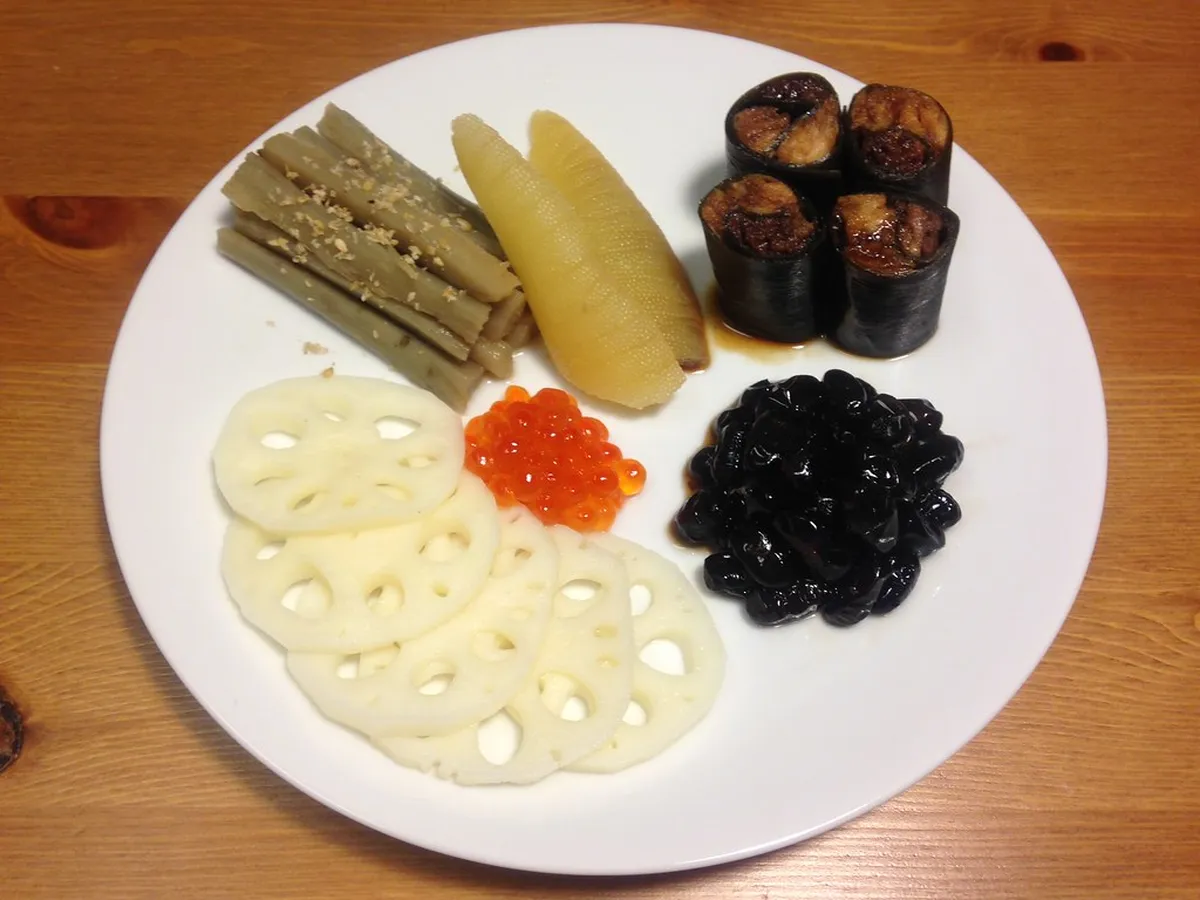
Table of Contents
Best Traditional New Year Food to Try in Osaka 2026
Osaka is widely known as Japan's kitchen for very good reasons. This reputation becomes even more clear during the New Year season. Families gather to share meals that are many centuries old. You should prepare your appetite for an amazing culinary journey.
The city offers a unique twist on many classic Japanese holiday dishes. Local flavors are often sweeter and richer than those in Tokyo. Traditional New Year food to try in Osaka includes many savory treats. You will find these specialties in markets and local homes.
Visiting Osaka in 2026 allows you to experience these deep cultural traditions. Food is the heart of every celebration in this vibrant city. You can taste history in every single bite of festive food. This guide will show you exactly what to eat here.
Osechi Ryori: The King of New Year Food
For the most up-to-date details, check Osaka City Government before you go.
For the most up-to-date details, check Osaka Convention & Tourism Bureau before you go.
Osechi ryori is the most significant meal for the Japanese New Year. These dishes come in beautiful tiered boxes called jubako. Each food item represents a specific wish for the upcoming year. For example, shrimp symbolize a long and healthy life for all.In Osaka, the flavors of Osechi are distinct and quite memorable. Chefs often use high-quality dashi to season every small portion carefully. Candied chestnuts provide a sweet taste that represents future financial wealth. You will see these boxes in every major department store window.
Black soybeans are another staple found in these festive holiday boxes. They represent the ability to work hard in the new year. Herring roe symbolizes fertility and a prosperous family for the future. Every ingredient is chosen for its deep symbolic meaning and history.
Purchasing a full Osechi set can be quite an expensive investment. Prices typically range from 15,000 to over 50,000 yen for sets. High-end restaurants in the Umeda district offer very luxurious versions. You must order these boxes by early December to ensure availability.
Sharing these boxes is a way to bond with family members. The food is meant to last for several days of celebration. This tradition gives people a break from their daily cooking tasks. It is a beautiful way to welcome the first days of 2026.
Ozoni: Osaka's Creamy White Miso Soup
Ozoni is a special soup eaten on the first morning of January. The Osaka version uses a rich and creamy white miso base. This differs from the clear broths found in the Kanto region. The soup is warm, comforting, and has a mild sweetness.
Round mochi rice cakes are the star of the Osaka Ozoni bowl. The round shape represents harmony and a smooth path in life. Square mochi is more common in the eastern parts of Japan. Osaka locals take great pride in their specific round mochi tradition.
The soup also contains various local vegetables like carrots and taro. These vegetables are often sliced into rounds to match the mochi. This visual consistency is very important for the overall festive presentation. Every bowl is a work of art and a local treasure.
You can find this soup at many traditional cafes in Namba. A single serving usually costs between 800 and 1,500 yen total. It is the perfect breakfast to start your first holiday morning. The rich miso flavor will keep you full for many hours.
Many families have their own secret recipes for the perfect Ozoni. Some add small pieces of chicken or leafy spinach for texture. Regardless of the recipe, the white miso remains the essential ingredient. It is a true taste of Osaka's local culinary heart.
Toshikoshi Soba: Noodles for a Long Life
Japanese people eat buckwheat noodles on the night of New Year's Eve. These long noodles represent a long and healthy life for everyone. The tradition is meant to help people let go of hardships. It is a ritual that millions of people follow every year.
In Osaka, many noodle shops stay open very late for this event. You can join the locals in a cozy, steaming restaurant. A bowl of hot soba costs about 1,000 to 2,000 yen. It is a simple but deeply satisfying way to celebrate.
This meal is a key part of Osaka New Year events 2026 festivities. You should try to finish your bowl before the clock strikes midnight. Leaving any noodles behind is thought to bring bad luck later. The thin noodles are easy to bite through and enjoy.
Many people add a large piece of shrimp tempura to their bowl. This adds a bit of luxury to the end-of-year meal. You can also buy high-quality soba kits at local supermarkets. These kits allow you to enjoy the tradition in your hotel.
The atmosphere in soba shops on December 31st is very lively. People reflect on the past year while enjoying their warm broth. It is a moment of peace before the new year begins. This tradition connects the past with the promise of the future.
Shrine Street Food: Festive Snacks and Treats
⭐ Recommendation: Don't miss out on amazing Osaka tours - book now!
Shrines become major food destinations during the first days of January. Thousands of people visit for the traditional Hatsumode or first prayer. Stalls line the paths leading up to the main shrine buildings. The air is filled with delicious smells of grilled snacks.
You should try the hot yakitori skewers from the local vendors. Sweet taiyaki fish cakes filled with red bean are also popular. These treats usually cost between 300 and 600 yen per item. They are easy to eat while you explore the grounds.
Look for these stalls at the Sumiyoshi Taisha festival area. This shrine is one of the most popular spots in Osaka. The energy of the crowd makes the food taste even better. It is a classic experience for any visitor in January.
Amazake is a sweet, fermented rice drink served hot at shrines. It is non-alcoholic and provides great warmth on a cold day. One cup typically costs about 300 to 500 yen at stalls. It is thick, creamy, and very traditional for this season.
Grilled corn and candied fruits are also very common festive snacks. These vendors only appear during major holidays like the New Year. They bring a sense of joy and celebration to the shrines. Make sure to bring small coins for quick and easy payments.
Shopping for Holiday Food at Kuromon Market
Kuromon Market is the best place to buy fresh holiday ingredients. Locals call this busy market the kitchen of Osaka for reasons. You will find high-quality seafood and seasonal vegetables for holiday meals. The market is especially crowded during the last week of December.
Many vendors sell prepared New Year dishes for busy families today. You can buy individual portions of Osechi items to try them. This is a great way to sample flavors without buying sets. Look for the brightly colored fish cakes and sweet beans.
It is important to know what is open in Osaka during this time. Most market stalls close for a few days after January first. You should do your major food shopping by December 30th. This ensures you have the freshest items for your celebration.
The prices at the market can be higher during the holidays. However, the quality of the food is truly world-class and fresh. You can see giant crabs and premium tuna on every corner. It is a feast for the eyes and the stomach.
Visiting the market is a great way to see local life. You will see grandmothers carefully picking out the best possible ingredients. The shouting of the vendors adds to the exciting holiday spirit. Do not miss this experience during your Osaka winter trip.
Frequently Asked Questions
Where is the best place to try Osechi in Osaka?
The best place is a major department store like Daimaru. They offer small tasting portions and full boxes for travelers. You can also find Osechi menus at luxury hotel restaurants. These venues provide a high-quality introduction to these complex flavors.
What makes Osaka New Year food different from Tokyo?
Osaka uses a white miso base for its traditional Ozoni soup. Tokyo typically uses a clear soy sauce broth for their version. Osaka flavors also tend to be slightly sweeter and more rich. The use of round mochi is another key regional difference.
Are restaurants open on New Year's Day in Osaka?
Many small family-owned restaurants will close for the first few days. However, large department stores and malls usually stay open for shoppers. Hotel restaurants are also a very reliable option for holiday meals. You should check specific hours online before heading out to eat.
How much should I budget for New Year food in Osaka?
Street food snacks at shrines cost around 500 yen each bowl. A nice soba dinner will cost about 1,500 to 2,500 yen. High-end Osechi meals can easily cost over 15,000 yen per person. Budget at least 5,000 yen per day for a good variety.
Traditional New Year food to try in Osaka offers a unique experience. From creamy Ozoni to symbolic Osechi, the flavors are truly amazing. These dishes connect you to the history and spirit of Japan. You will leave the city with a very happy stomach.
Plan your 2026 trip early to enjoy all these seasonal treats. Osaka is waiting to share its rich culinary heritage with you. Whether at a shrine or a market, food is everywhere. Enjoy every bite of your festive journey through this wonderful city.
Key Takeaways
💡 Pro Tip: Book your Osaka adventures in advance through Viator for the best deals!
- Try Ozoni soup with white miso for a local Osaka experience.
- Eat Toshikoshi Soba on New Year's Eve for good luck.
- Visit Sumiyoshi Taisha for the best festive shrine street food.
- Shop at Kuromon Market before December 31st for fresh items.
- Look for round mochi which symbolizes harmony in the Kansai region.
Related reads: polarcityguide.com, osaka winter travel guide 2026, shitennoji temple new years eve bell ringing.