
Noboribetsu Hell Valley Winter Trip from Sapporo Guide
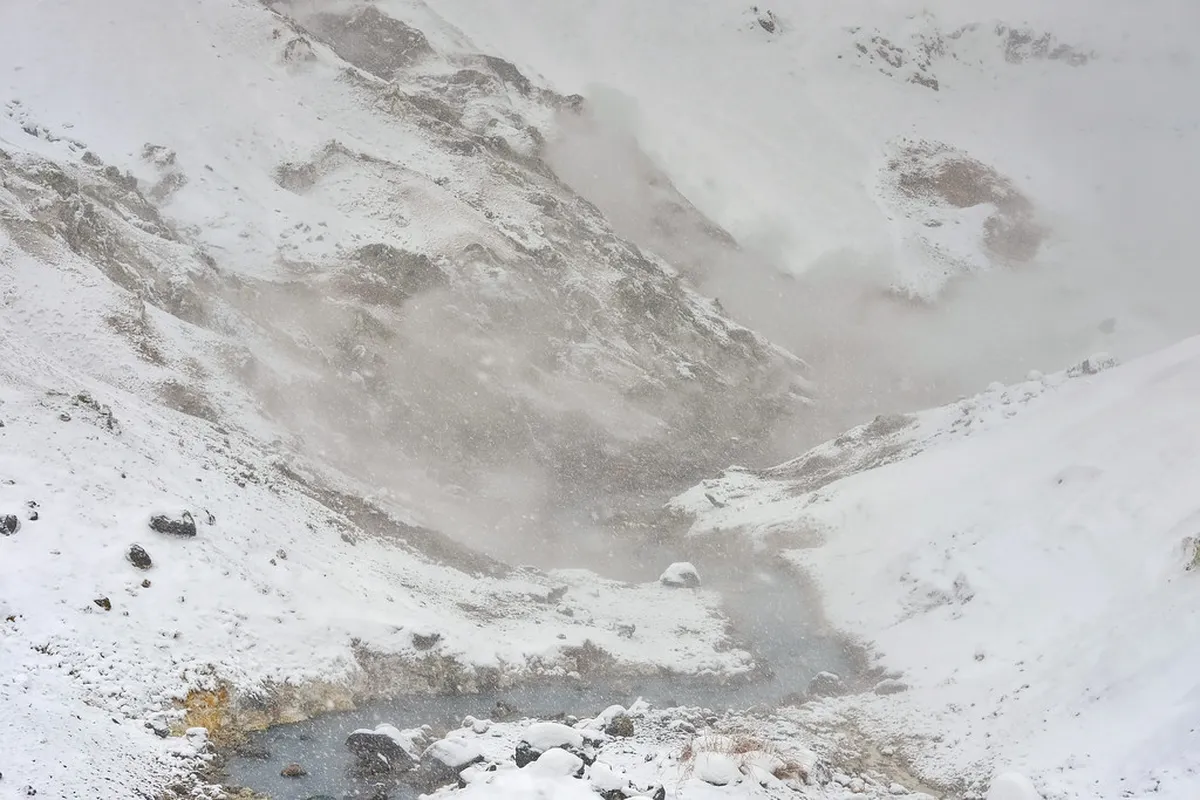
Table of Contents
Noboribetsu Hell Valley Winter Trip from Sapporo: 2026 Guide
Experience a magical Noboribetsu Hell Valley winter trip from Sapporo during your 2026 vacation. This volcanic valley features dramatic steam vents rising against white snow floors. It remains one of the most unique day trips from Sapporo winter travelers can enjoy. The landscape creates a stunning contrast between fire and ice.
Noboribetsu is famous for its diverse and healing hot spring waters. The valley provides a glimpse into the raw power of nature. You will find towering cliffs and bubbling ponds throughout the park. This destination offers a peaceful escape from the busy city streets of Sapporo.
Visitors can easily reach this natural wonder within a few hours. The town surrounding the valley caters to international tourists with excellent facilities. You can spend a full day exploring trails and soaking in baths. Preparing for the snowy conditions will ensure a comfortable and safe journey.
Getting to Noboribetsu from Sapporo City
You can find the latest updates on Sapporo travel info.
For the most up-to-date details, check Sapporo Japan Temple before you go.
Taking the train is the fastest way to reach Noboribetsu Station. The JR Hokuto Limited Express takes about 75 minutes from Sapporo. Tickets cost approximately 4,500 yen for a one-way trip in 2026. You can use a Japan Rail Pass for this specific route.From the station, you must take a short bus ride to the onsen town. These local buses depart every 15 to 30 minutes throughout the day. The bus ride takes about 15 minutes and costs 350 yen. Make sure to have small change or a prepaid IC card ready.
Direct buses also run from the Sapporo Station Bus Terminal to Noboribetsu Onsen. The Donan Bus service is a cost-effective alternative to the train. This journey takes about two hours but costs only 2,000 yen. It is a great option for travelers on a tighter budget.
Driving is possible but requires experience with heavy snow and icy roads. Car rentals are available near Sapporo Station for around 8,000 yen per day. Always check the weather forecast before starting your winter road trip. Parking is usually available for a small fee near the valley entrance.
Exploring the Volcanic Wonders of Jigokudani
Jigokudani, or Hell Valley, is the main attraction in the Noboribetsu area. This massive crater was formed by a volcanic eruption thousands of years ago. It features numerous steam vents, sulfurous streams, and bubbling mud pools. The smell of sulfur is quite strong but adds to the atmosphere.
The park features well-maintained boardwalks that are safe for winter walking. These wooden paths lead you through the heart of the volcanic landscape. Icy sections are common, so walk slowly and watch your step. The contrast of black rock and white snow is truly breathtaking.
One popular path leads directly to the Tessen Pond geyser. This small pond boils at the center of the valley floor. You can see the steam rising high into the cold winter air. It is a perfect spot for dramatic travel photography in 2026.
Informational signs are placed along the trails in multiple languages. They explain the geology and history of this active volcanic zone. Most trails take about 30 to 45 minutes to complete at a steady pace. Entry to the main Hell Valley area is completely free for all visitors.
Relaxing at the Oyunumagawa Natural Footbath
A short hike from the main valley leads to the Oyunuma Pond. This large sulfurous lake stays at a constant temperature of 50 degrees Celsius. The surface often looks like a cauldron of thick, grey boiling water. It is a sight you should not miss during your winter visit.
Follow the forest trail to reach the Oyunumagawa natural footbath. This river is fed by the hot volcanic waters of the pond. You can sit on wooden benches and soak your feet in the warm stream. It is a wonderful way to warm up during a cold day.
The walk to the footbath takes about 20 minutes from the main entrance. The trail can be slippery during the peak of the winter season. Your winter clothing for Sapporo should include sturdy, waterproof boots for this hike. Bringing a small towel to dry your feet is highly recommended.
Soaking your feet while surrounded by snow-covered trees is very peaceful. The minerals in the water are said to soothe tired muscles. Most visitors spend about 15 minutes enjoying the natural warmth of the river. This experience is free and open to the public during daylight hours.
Experience World Class Onsen Mineral Baths
⭐ Recommendation: Don't miss out on amazing Sapporo tours - book now!
Noboribetsu is famous for having eleven different types of thermal water. Each mineral type offers different health benefits for your skin and body. Many large hotels offer day-use passes for their spectacular public baths. This is a highlight of any Noboribetsu Hell Valley winter trip from Sapporo.
The Dai-ichi Takimotokan is the most famous hot spring facility in the town. It features over 30 different baths overlooking the snowy Hell Valley. Day-use entry costs about 2,250 yen during the busy winter season. The facility provides towels and toiletries for all visiting guests.
Outdoor baths, known as rotenburo, are especially magical during a snowfall. You feel the cold air on your face while your body stays warm. The sulfuric white water makes the experience feel traditional and authentic. Most baths are separated by gender in accordance with Japanese custom.
Check the Sapporo winter travel guide 2026 for more onsen etiquette tips. Always rinse your body thoroughly before entering the communal hot spring pools. Staying hydrated is important when spending long periods in the hot water. Many hotels also offer delicious lunch sets combined with bath access.
Noboribetsu Bear Park and Local Dining Tips
🎯 Insider Tip: Discover the best Sapporo experiences with Viator Tours!
You can take a ropeway from the town center to the Bear Park. The park sits on top of Mount Shihorei with great views. This facility focuses on the conservation and study of Hokkaido brown bears. You can watch the bears play in the snow from safe observation decks.
The ropeway ride offers a scenic view of Lake Kuttara nearby. Round-trip tickets for the ropeway and park entry cost around 3,000 yen. There is also a small Ainu village museum located at the summit. It provides insight into the indigenous culture of the Hokkaido region.
After exploring, head to the main street for some local Hokkaido cuisine. Try the famous "Enma Yakisoba," which is a spicy noodle dish. Many small restaurants serve fresh seafood bowls and hot ramen to warm you. Prices for a hearty lunch usually range from 1,200 to 2,000 yen.
Soft-serve ice cream made with local Hokkaido milk is also very popular. Even in winter, locals enjoy various dairy treats from the nearby farms. Most shops close around 5 PM, so plan your dinner early. Be sure to browse the souvenir shops for unique volcanic bath salts.
Essential Tips for Your Winter Visit in 2026
💡 Pro Tip: Book your Sapporo adventures in advance through Viator for the best deals!
Winter days in Hokkaido are very short, with sunset around 4 PM. Start your journey from Sapporo early to maximize your daylight hiking time. Arriving in Noboribetsu by 10 AM allows for a full day of activities. This timing ensures you see the valley before it gets dark.
Temperature levels in Noboribetsu often drop below freezing during the day. Layering your clothing will help you manage the changing temperatures. Thermal base layers and windproof jackets are essential for staying warm. Wear thick wool socks to keep your toes warm during the footbath.
Public transportation schedules can change during heavy snowfall or blizzards. Check the JR Hokkaido website for real-time updates on train delays. It is wise to have a backup plan if travel is restricted. Carrying a portable power bank will keep your phone charged in the cold.
Safety is the priority when walking on volcanic trails. Stay on the marked paths to avoid hidden boiling water or mud. Carry a small bottle of water to stay hydrated during your hikes. Following these tips will make your 2026 winter adventure truly unforgettable.
Frequently Asked Questions
Is Noboribetsu Hell Valley worth visiting in winter?
Yes, the winter scenery is spectacular and unique. The steam vents look more dramatic against the cold snow. You can also enjoy hot springs which feel better in winter. It is a top destination for nature lovers in Hokkaido.
How much does a day trip to Noboribetsu cost?
A typical day trip costs between 8,000 and 12,000 yen. This includes round-trip train tickets, bus fares, and an onsen pass. Food and snacks will add a bit more to your total. Using a JR Pass can significantly reduce your travel costs.
What should I wear to Hell Valley in winter?
Wear warm layers and a high-quality waterproof winter coat. Sturdy boots with good grip are necessary for the icy boardwalks. Do not forget a hat, gloves, and a warm scarf. Sunglasses are helpful because the snow reflection can be very bright.
A Noboribetsu Hell Valley winter trip from Sapporo is a highlights of 2026. You will see incredible volcanic activity and enjoy world-class hot springs. Plan your schedule carefully to enjoy every relaxing moment in the valley. We hope this guide helps you have a wonderful Hokkaido winter experience.
Key Takeaways
- Take the JR Limited Express for the fastest travel from Sapporo.
- Visit the Oyunumagawa footbath for a free natural spa experience.
- Wear boots with excellent traction for the icy volcanic boardwalks.
Related reads: polarcityguide.com, planning a day trip to otaru from sapporo, how to visit jozankei onsen from sapporo city.